


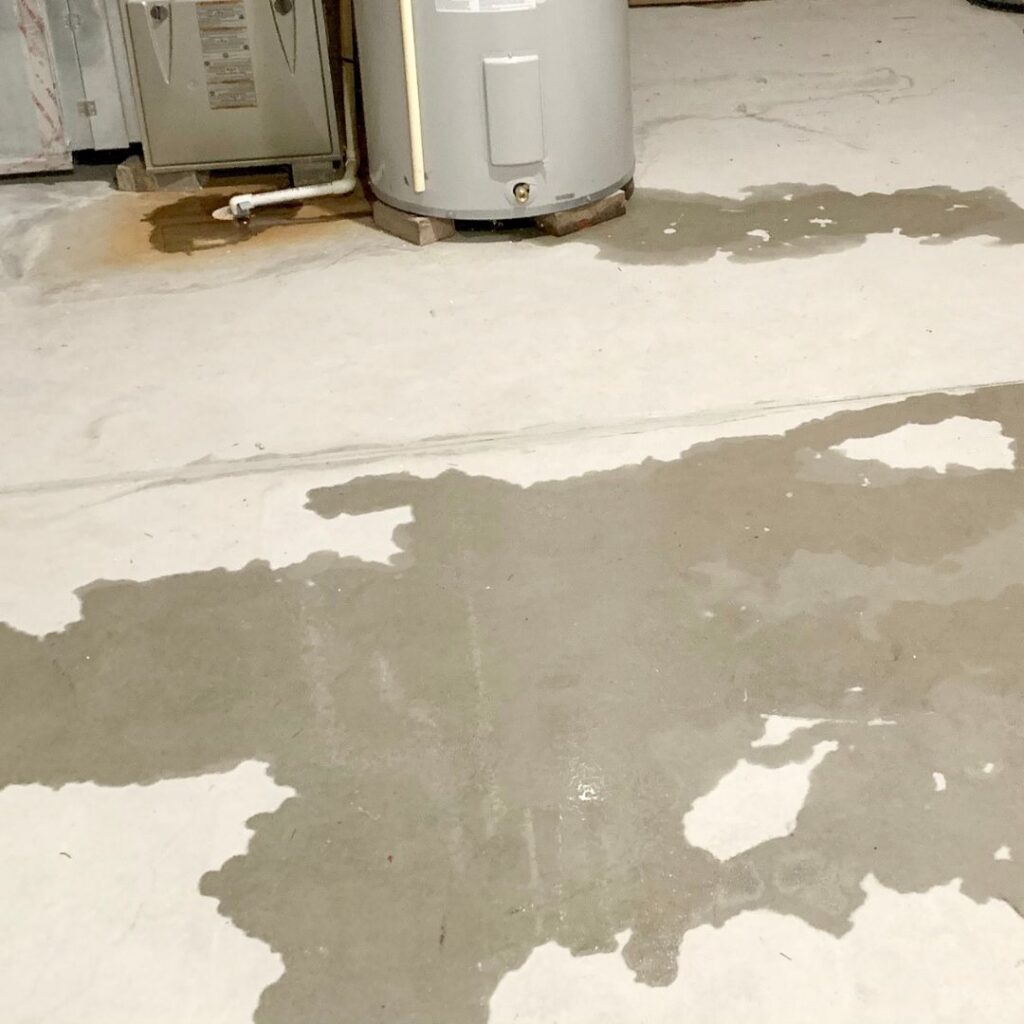
When water seeps beneath your flooring after a flood, the visible damage is often just the beginning. For homeowners in Lawrenceville, GA, hidden moisture under floorboards can quietly compromise structural integrity, create indoor air quality issues, and significantly increase restoration costs if not addressed correctly.
Whether the flooding resulted from heavy Georgia storms, a burst pipe, appliance failure, or sewer backup, understanding what happens beneath your floors — and how proper structural drying works — is critical to protecting your home.

This comprehensive guide explains the risks, the science behind hidden moisture, and what professional mitigation involves.
Table of Contents
Why Moisture Under Floorboards Is a Structural Concern
Most homes in Lawrenceville are constructed with one of the following flooring systems:
- Solid hardwood over plywood or OSB subfloor
- Engineered wood over slab or wood subfloor
- Laminate flooring with fiberboard core
- Carpet and padding over wood subfloor
- Tile over cement board or concrete slab
When flooding occurs, water rarely stays on the surface. Due to gravity and capillary action, moisture migrates downward into:
- Subfloor materials
- Floor joists
- Insulation
- Baseboards and wall cavities
- Adhesive layers
Once trapped between flooring layers, airflow is restricted, creating an ideal environment for microbial growth and material deterioration.
How Moisture Moves Beneath Flooring Systems
Water intrusion beneath flooring follows predictable physical principles:
1. Capillary Action
Porous materials such as wood and OSB absorb water like a sponge. Moisture can travel upward and sideways through subflooring even after surface water is removed.
2. Vapor Diffusion
Water trapped below flooring evaporates slowly and increases indoor humidity levels, which can affect adjacent rooms.
3. Hydrostatic Pressure
In slab-on-grade homes, groundwater pressure during heavy rainfall can force moisture upward through concrete pores.
Because much of this movement happens invisibly, homeowners often underestimate the scope of damage.
Early Warning Signs of Water Under Floorboards
Even when surfaces appear dry, the following symptoms may indicate hidden moisture:
- Cupping (edges higher than center of hardwood planks)
- Crowning (center higher than edges)
- Buckling or lifting boards
- Soft or spongy spots underfoot
- Discoloration or dark staining
- Persistent musty odors
- Warped baseboards
In Lawrenceville’s humid climate, these symptoms can escalate quickly if drying is delayed.
The Mold Risk in Georgia’s Climate
Gwinnett County experiences warm temperatures and high humidity for much of the year. These environmental conditions accelerate microbial growth.
Mold can begin developing within 24–48 hours when three elements are present:
- Moisture
- Organic material (wood, dust, adhesives)
- Warm temperatures
Hidden mold beneath flooring may not be immediately visible but can affect:
- Indoor air quality
- Respiratory health
- HVAC system contamination
- Property value
If moisture remains undetected under floorboards, remediation becomes more invasive and costly.
How Professionals Detect Hidden Water
Surface drying does not guarantee structural dryness. Certified restoration technicians rely on specialized tools to assess moisture conditions accurately.
Moisture Meters
Pin-type meters measure moisture content within wood and subflooring.
Non-Invasive Scanners
These detect elevated moisture beneath finished flooring without removing materials.
Thermal Imaging Cameras
Infrared imaging identifies temperature variations that indicate moisture presence.
Hygrometers
Measure relative humidity and dew point to guide drying strategy.
A comprehensive moisture map establishes baseline readings and guides daily monitoring until materials return to acceptable equilibrium moisture content levels. Need professional help? Contact us (770) 810-5499
Structural Drying: What Proper Mitigation Involves
When water is confirmed beneath flooring, professional mitigation may include:
1. Controlled Extraction
High-powered truck-mounted or portable extraction units remove standing water from surfaces and padding.
2. Removal of Saturated Materials
Laminate flooring, heavily damaged engineered wood, and soaked padding often require removal to access subfloor moisture.
3. Hardwood Floor Drying Systems
Specialized mat systems can draw moisture upward through hardwood planks without immediate demolition.
4. Commercial Air Movers
Strategically placed to create airflow patterns that accelerate evaporation.
5. Low-Grain Refrigerant (LGR) Dehumidifiers
Remove large volumes of moisture from the air to prevent secondary damage.
6. Daily Monitoring
Technicians document moisture readings and adjust equipment placement until drying goals are met.
Drying timelines typically range from 3–7 days, depending on severity and material type.
Can Hardwood Floors Be Saved?
Hardwood flooring can often be restored if:
- Mitigation begins quickly
- Subfloor saturation is limited
- Warping has not become permanent
However, laminate flooring typically cannot be salvaged once water penetrates its core, as swelling is irreversible.
Engineered wood may delaminate if adhesives fail due to prolonged saturation.
The decision to dry versus replace depends on moisture content readings, duration of exposure, and material construction.
Insurance Considerations for Lawrenceville Homeowners
Homeowner’s insurance coverage depends on the cause of loss.
Typically covered:
- Sudden and accidental pipe bursts
- Appliance overflows
- Storm damage from wind-created openings
Typically not covered:
- Gradual leaks
- Neglected maintenance
- Rising groundwater without flood insurance
Professional documentation — including moisture logs, photos, and drying reports — is essential to support claims and demonstrate mitigation efforts.
What Happens If Moisture Is Not Properly Addressed?
Failure to dry water beneath floorboards can result in:
- Structural wood rot
- Subfloor delamination
- Nail or fastener corrosion
- Mold colonization
- Increased reconstruction costs
- Reduced property value
What begins as a drying project can escalate into full flooring replacement and subfloor reconstruction if ignored.
Long-Term Prevention Strategies
After restoration, homeowners in Lawrenceville can reduce future risk by:
- Installing water leak detection systems
- Replacing aging plumbing lines
- Maintaining sump pumps in flood-prone areas
- Ensuring proper exterior grading
- Cleaning gutters and downspouts regularly
- Sealing foundation cracks
- Scheduling annual plumbing inspections
Proactive maintenance significantly lowers the likelihood of repeat flooring damage.
Water under floorboards after flooding is a structural issue that requires precise evaluation and controlled drying. Because much of the damage occurs beneath visible surfaces, professional moisture detection and structural drying are essential to prevent mold growth and long-term deterioration.
In Lawrenceville’s humid climate, delayed response increases the likelihood of irreversible damage. Acting quickly protects not only your flooring investment but also your home’s structural integrity and indoor air quality.
Understanding how moisture behaves — and how proper mitigation works — empowers homeowners to make informed decisions after flooding events.