


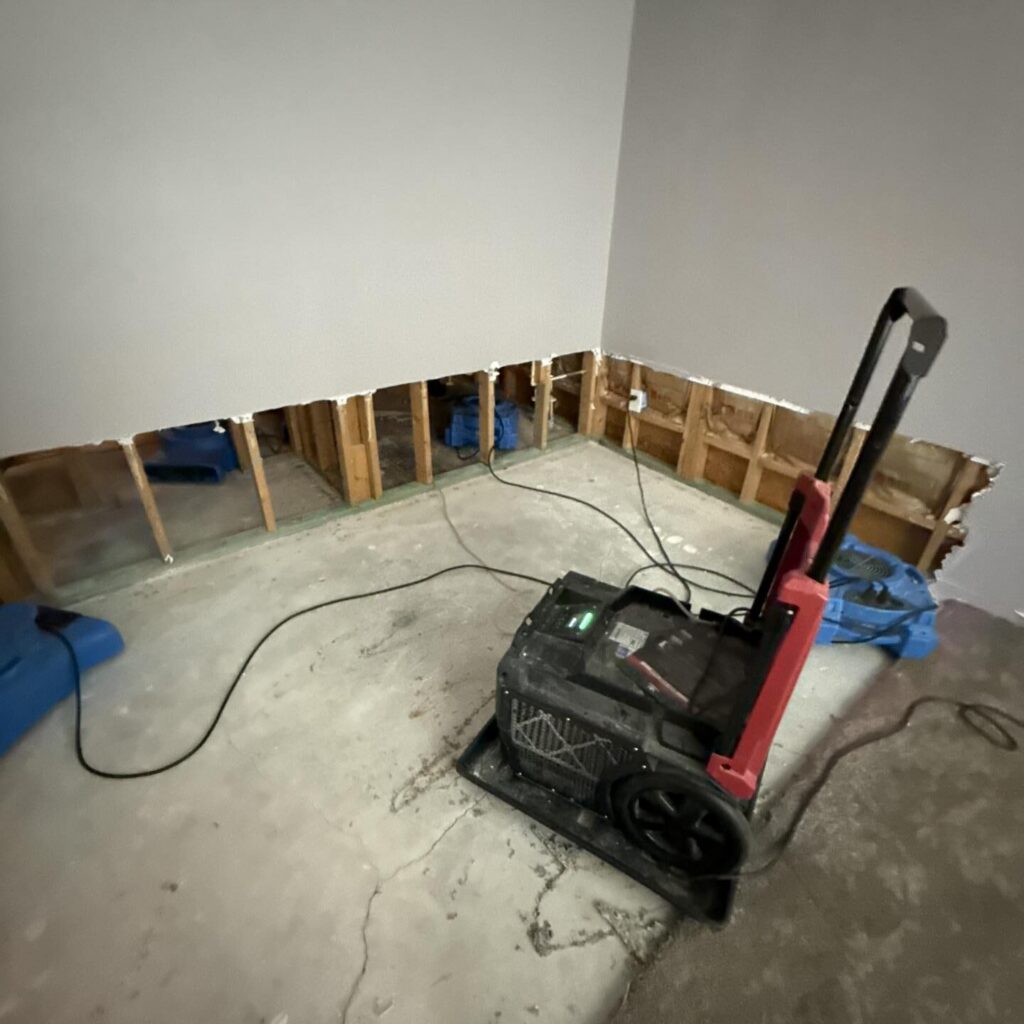
Summer storms are a familiar part of life in Gwinnett County. Communities such as Lawrenceville, Snellville, Duluth, Suwanee, Buford, Dacula, Grayson, and Loganville often experience heavy rainfall, summer flooding, and storm-related water intrusion during the warmer months.
While many homeowners focus on the visible effects of flooding, such as soaked carpets and standing water, the hidden dangers are often far more serious. Floodwater is rarely just water. In many cases, it contains bacteria, sewage, chemicals, debris, and other hazardous contaminants that can pose significant health and safety risks.
Understanding these risks can help homeowners make informed decisions and recognize when professional flood damage cleanup in Gwinnett County is necessary.
Why Summer Flooding Is Common in Gwinnett County
Georgia’s summer weather often brings intense thunderstorms capable of producing several inches of rain in a short period.
When drainage systems become overwhelmed, floodwaters can enter:
- Homes
- Basements
- Crawl spaces
- Garages
- Commercial buildings
- Apartment complexes
Low-lying areas throughout Gwinnett County can be especially vulnerable to summer flooding during periods of prolonged rainfall.
Unfortunately, floodwater frequently picks up contaminants as it travels across streets, yards, storm drains, and sewer systems.
What Makes Floodwater a Biohazard?
Many homeowners assume floodwater is similar to rainwater. However, once water enters streets, drainage systems, or sewer infrastructure, it often becomes contaminated.
The restoration industry classifies heavily contaminated floodwater as Category 3 Water, commonly known as “black water.”
This type of water may contain:
- Human sewage
- Animal waste
- Harmful bacteria
- Viruses
- Parasites
- Industrial chemicals
- Fuel and oil residue
- Pesticides and fertilizers
Because of these contaminants, floodwater should always be treated as a potential biohazard.
Common Sources of Biohazard Contamination During Summer Flooding
1. Sewage System Overflows
Heavy rainfall can overwhelm municipal sewer systems, causing sewage-contaminated water to back up into homes and businesses.
Sewage contamination can introduce dangerous pathogens including:
Professional cleanup and sanitization are essential following any sewage-related flooding event.
2. Storm Drain Contamination
Floodwaters frequently travel through storm drains carrying pollutants from roads, parking lots, and industrial areas.
These contaminants may include:
- Motor oil
- Gasoline
- Heavy metals
- Cleaning chemicals
- Road debris
Even if the water appears clean, it may contain harmful substances that are not visible to the naked eye.
3. Animal Waste and Organic Matter
Floodwaters often collect contaminants from parks, wooded areas, and residential neighborhoods.
Potential hazards include:
- Animal feces
- Dead wildlife
- Bacteria
- Mold spores
- Decomposing organic materials
These contaminants can significantly impact indoor air quality if not removed properly.
4. Agricultural Runoff
Areas near farms and landscaped properties may experience runoff containing:
- Fertilizers
- Herbicides
- Pesticides
- Animal waste
Exposure to these substances can create health concerns for both homeowners and pets.
Health Risks Associated With Contaminated Floodwater
Exposure to contaminated floodwater can cause a variety of health issues.
Common risks include:
Bacterial Infections
Cuts and abrasions exposed to floodwater can become infected quickly.
Potential symptoms include:
- Redness
- Swelling
- Fever
- Skin irritation
Respiratory Problems
Contaminated water can contribute to mold growth within 24 to 48 hours.
Mold exposure may cause:
- Allergic reactions
- Asthma flare-ups
- Respiratory irritation
- Persistent coughing
Gastrointestinal Illnesses
Accidental contact with contaminated surfaces or water can result in illnesses caused by bacteria and viruses present in sewage-contaminated floodwater.
Indoor Air Quality Issues
Even after standing water is removed, bacteria, mold spores, and contaminants can remain trapped within:
- Drywall
- Insulation
- Flooring materials
- HVAC systems
Without proper cleaning, these contaminants may continue affecting indoor air quality long after the flood.
Why DIY Flood Cleanup Can Be Dangerous
Many homeowners attempt to clean flood damage themselves using household cleaning products and fans.
However, contaminated floodwater requires specialized procedures and equipment.
DIY cleanup may leave behind:
- Hidden moisture
- Dangerous bacteria
- Sewage contamination
- Mold growth
- Structural damage
Improper cleanup can also increase exposure to harmful pathogens.
Signs You Need Professional Flood Damage Cleanup in Gwinnett County
Contact a professional restoration company if you notice:
- Standing water inside the home
- Sewage odors
- Water entering from storm flooding
- Visible mold growth
- Wet drywall or insulation
- Contaminated carpeting
- Persistent moisture or humidity
The sooner cleanup begins, the lower the risk of long-term damage.
The Professional Flood Damage Cleanup Process
A professional flood damage restoration team follows a comprehensive process to restore safety and prevent future issues.
Emergency Water Extraction
Powerful pumps and extraction equipment remove standing water quickly.
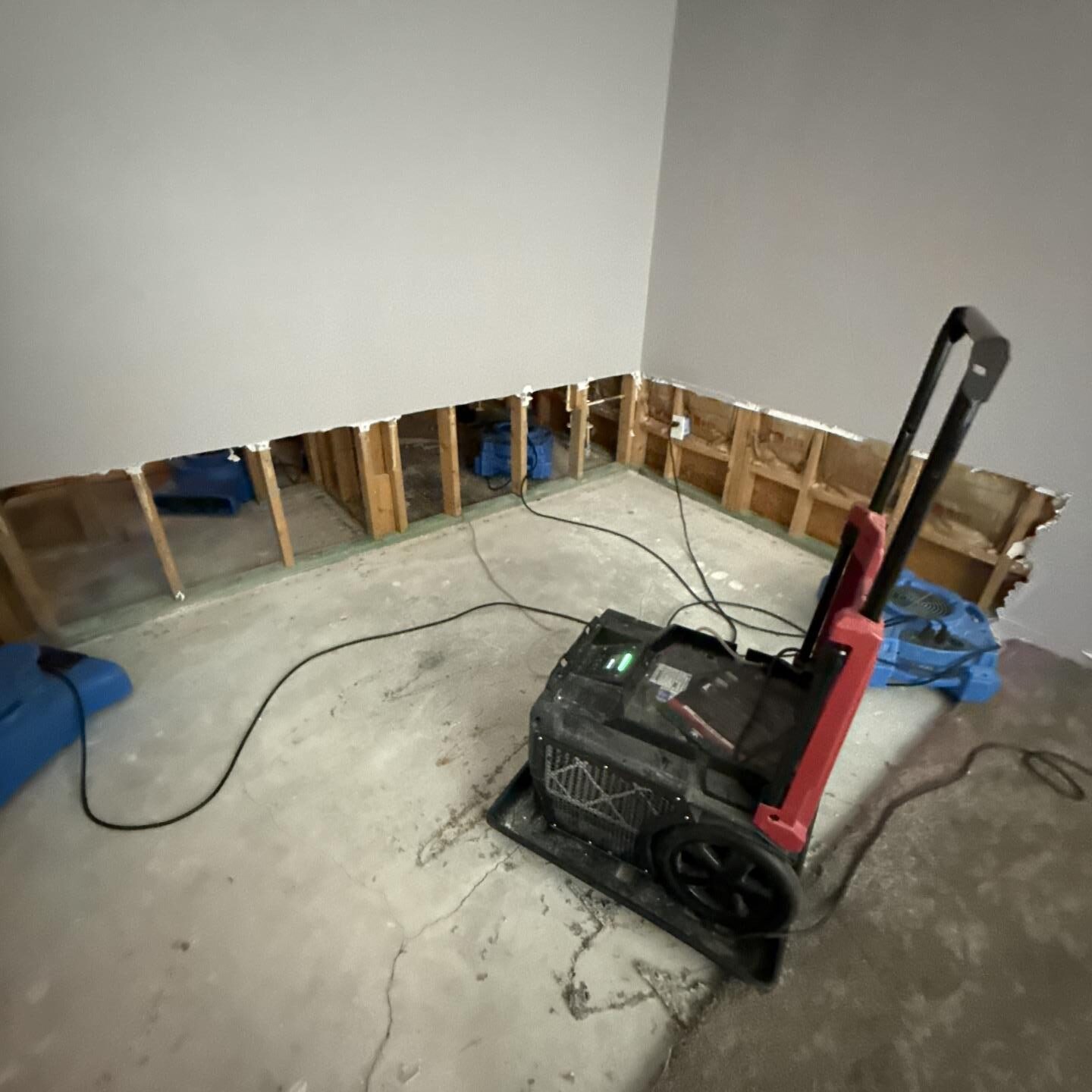
Contaminated Material Removal
Unsalvageable materials such as:
- Carpet padding
- Insulation
- Drywall
- Damaged contents
may need to be removed if contamination is present.
Cleaning and Sanitization
Professional-grade disinfectants are used to eliminate bacteria and harmful microorganisms.
Structural Drying
Industrial dehumidifiers and air movers thoroughly dry affected materials.
Moisture Monitoring
Advanced moisture detection equipment helps locate hidden water behind walls and beneath flooring.
Restoration and Repairs
Damaged materials are repaired or replaced to return the property to pre-loss condition.
How Gwinnett County Homeowners Can Reduce Flood Risks
While not all flooding can be prevented, homeowners can reduce their risk by:
- Cleaning gutters regularly
- Maintaining proper drainage around the home
- Inspecting sump pumps before storm season
- Sealing foundation cracks
- Installing backflow prevention devices
- Monitoring weather forecasts during severe storms
Proactive maintenance can help minimize flood-related damage and contamination.
Trust PuroClean of Lawrenceville for Flood Damage Cleanup in Gwinnett County
When summer flooding impacts your property, immediate action is critical. PuroClean of Lawrenceville provides professional flood damage cleanup in Gwinnett County, helping homeowners recover from storm flooding, sewage backups, and contaminated water intrusions.
Our team is available 24/7 to provide:
- Emergency flood cleanup
- Water extraction
- Biohazard cleanup
- Sewage cleanup
- Structural drying
- Complete restoration services
We proudly serve homeowners and businesses throughout Lawrenceville, Snellville, Duluth, Suwanee, Buford, Dacula, Loganville, Grayson, and surrounding Gwinnett County communities.
Need Emergency Flood Damage Cleanup in Gwinnett County?
Don’t take chances with contaminated floodwater. Contact PuroClean of Lawrenceville today for fast, professional flood damage cleanup and restoration services. Our experienced team is ready to help protect your property and restore your peace of mind after summer flooding.