Published: September 26, 2026
Quick answer: Stop using all plumbing immediately — every gallon you send down can come back up — and keep people and pets away from the affected area. Don’t attempt cleanup yourself: sewage is Category 3 contaminated water, and household cleaners and shop vacuums can’t make it safe. Call PuroClean of East Cobb at (770) 627-0900. We respond in 60 minutes or less, 24/7, with containment, proper removal, and sanitizing.
About PuroClean of East Cobb
Who is PuroClean of East Cobb?
PuroClean of East Cobb provides 24/7 water, fire and mold restoration in Marietta, GA, with a 60-minute-or-less response. Since 2022, the team has completed more than 4,000 restoration jobs across metro Atlanta. Technicians hold IICRC certifications in water restoration (WRT), fire and smoke restoration (FSRT), applied structural drying (ASD), and applied microbial remediation (AMRT), plus EPA Lead-Safe certification.
What does restoration cost?
National averages run $1,300–$5,600 for water damage restoration and about $12,900 for fire damage restoration (Forbes). Every job is documented with photos and video, and you approve the restoration plan before work begins — no fine print.
Who answers when I call?
A live person, 24 hours a day, 7 days a week. One project manager owns your job from assessment and stabilization through restoration, finishing with a final walkthrough together. Call (770) 627-0900 any time.
Few home emergencies are as urgent — or as unpleasant — as a sewage backup. When wastewater comes up through drains, toilets, or tubs, you’re dealing with contaminated water that carries bacteria and other health hazards. This is not a mop-and-bucket situation.
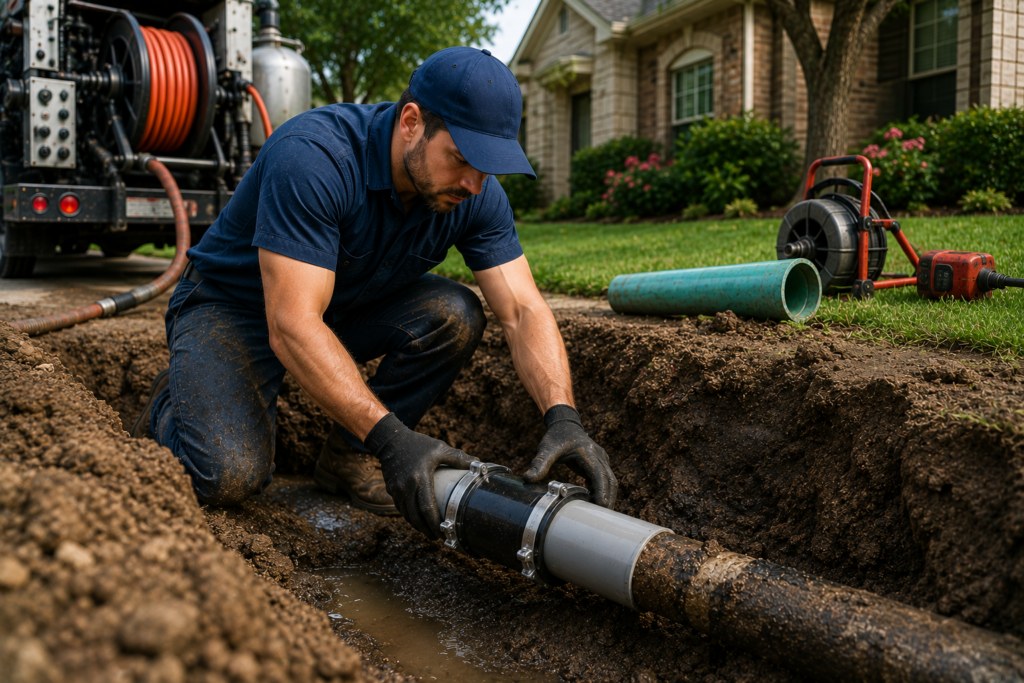
Smyrna’s mix of older ranch homes and dense new townhome development means a wide range of sewer lateral ages and conditions. In established neighborhoods with mature trees, root intrusion into older lines is a common culprit — and in the older streets near Nickajack Creek, aging clay laterals with aggressive root intrusion are a frequent cause of backups. In any home, a backup can also follow heavy rain overwhelming the system or a blockage deeper in the line.
What should I do right after a sewage backup?
- Stop using all plumbing. Don’t flush, run faucets, or start the dishwasher or washing machine — every gallon you send down can come back up.
- Keep people and pets away from the affected area, especially children.
- Don’t try to clean it yourself. Household cleaners and shop vacuums can’t make contaminated water safe, and disturbing it without proper protection and containment spreads contamination further.
- Call (770) 627-0900. We respond in 60 minutes or less, 24/7, and our phones are answered by a live person.
Why is DIY sewage cleanup so dangerous?
Sewage is either greywater — from sinks, tubs, showers, and dishwashers — or worse, black water: the water that flushes toilets, mixed with human waste. Both are contaminated, and black water carries bacteria, viruses, and parasites that can cause serious illness, including diseases like hepatitis A and E. coli infections. Coming into contact with sewage without personal protective equipment (PPE) and proper procedures is a genuine health threat.
There’s also a secondary risk many homeowners don’t expect: mold. Flooding creates ideal conditions for mold growth — it only needs moisture, organic material, and warmth — and it can start within 24 to 48 hours of the incident. Mold exposure can worsen allergy and asthma symptoms, especially in children and people with compromised immune systems.
And the most immediate danger may not be biological at all. Never enter a flooded area if the power hasn’t been shut off — touching electrical lines, wires, equipment, and fixtures during and after a flood can be dangerous even with the power switched off. If you smell gas, evacuate immediately and notify the gas company.
Why does sewage cleanup require professionals?
Sewage is what the restoration industry calls Category 3 water — grossly contaminated. Safe cleanup requires more than removing the visible water. Porous materials that absorbed sewage generally can’t be salvaged and must be removed. Affected areas need thorough cleaning and sanitizing, and the work has to be contained so contamination doesn’t spread to clean parts of your home.
Safe cleanup follows our standard sequence — assess, stabilize, document, restore — with containment in place from the start. In practice, that means: pumping out contaminated water and removing debris, identifying and addressing the origin of the backup, removing and replacing damaged drywall and flooring where necessary, running industrial dehumidifiers and air scrubbers to dry the structure, and sanitizing with specialized cleaners and procedures that eliminate bacteria and help prevent mold.
We document everything with photos and video throughout the job: that proves the work was done properly and supports your insurance claim — our insurance claim help page walks through the process. One project manager from start to finish, and a final walkthrough before we consider the job done.
What happens after the emergency?
Once your home is safe again, it’s worth understanding why the backup happened — a plumber can camera-inspect the line to check for roots, breaks, or blockages. Knowing the cause helps you prevent the next one. For more on the usual culprits, see our guide on what causes sewage backups in homes.
PuroClean of East Cobb has completed 4,000+ restoration jobs since 2022 — 54% water damage, 30% reconstruction, 7% mold. Learn more about PuroClean of East Cobb — our company facts, certifications, and track record.
If you’re dealing with a sewage backup anywhere in the Smyrna area, don’t wait and don’t attempt it yourself. Call (770) 627-0900 now — we’re available around the clock.
Learn more about our our service areas and our restoration process.