A live person answers day or night. Our local team responds in 60 minutes or less.
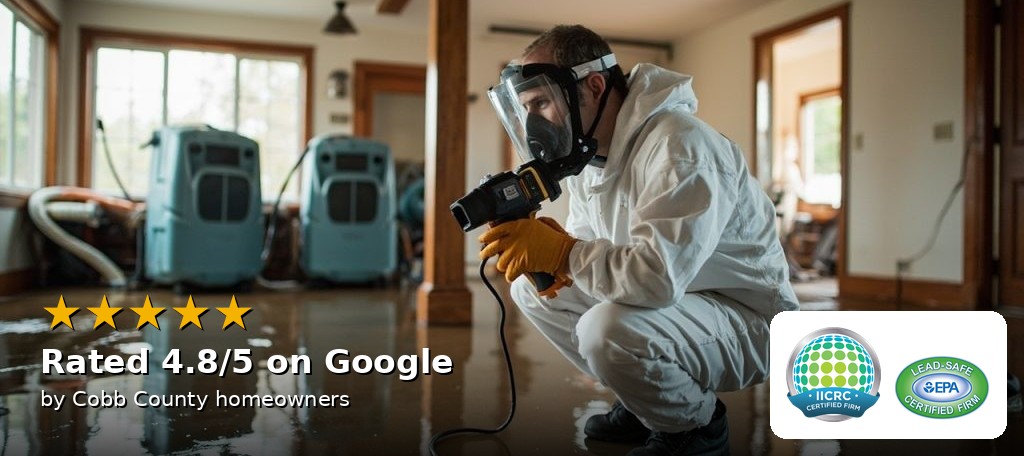
Water damage doesn’t wait — and neither do we. Our IICRC-certified team responds fast to contain the damage.
From a single-room leak to several inches of standing water, we extract water, find hidden moisture, and dry what can be saved.
Many leaks hide inside walls and under floors — long after the visible water is gone. Our moisture meters and thermal imaging pinpoint that hidden water, so we dry your structure completely, with meter readings to prove it.
Related reading: how much it costs to fix water damage
Marietta · East Cobb · Roswell · Sandy Springs · Norcross · Kennesaw · Woodstock · Acworth · Smyrna · Douglasville · Atlanta
Every job is different, but three things drive it: how much area got wet, how long it sat before drying started, and whether demolition or rebuild is needed. National averages run roughly $1,300–$5,600 for water mitigation (Forbes Home) — we give you a written scope before work starts, and on insurance jobs your adjuster approves it first. No fine print.
It depends on your policy and what caused the damage. Sudden events like a burst pipe are often covered, while gradual wear or flooding from storms usually isn’t — check with your agent on the specifics. We document everything with photos, video, and drying logs to support your claim, and we coordinate directly with your carrier. We never promise coverage outcomes.
| DIY (minor clean-water spills) | Professional restoration | |
|---|---|---|
| Best for | Small, clean-water spills you catch right away | Anything beyond a mop-up: soaked drywall, carpet pad, or hidden moisture |
| Equipment | Household fans, wet/dry vac | Truck-mounted extraction, commercial dehumidifiers, moisture meters, thermal imaging |
| Mold risk | High if moisture stays hidden | Controlled — drying verified with meters |
| Insurance documentation | On you | Photo and video documentation on every job |
| Response | Whenever you get to it | 24/7 — 60 minutes or less |






The IICRC classifies water damage into three categories. Category 1 (“clean water”) comes from a sanitary source like a broken supply line or overflowing sink — it’s the least hazardous but can degrade quickly. Category 2 (“gray water”) contains significant contamination from sources like washing machines, dishwashers, or toilet overflows — it can cause illness if ingested. Category 3 (“black water”) is grossly contaminated from sewage backups, flooding from rivers or streams, or water that’s sat long enough for microbial growth. Black water requires full PPE, containment, and specialized disposal. The category determines our safety protocols, equipment, and whether affected porous materials must be removed rather than dried.
Wet materials are cooler than dry ones because evaporating water draws heat away. Our thermal cameras detect those temperature differences through walls, under floors, and above ceilings — revealing moisture patterns invisible to the naked eye. We then confirm with pin and pinless moisture meters that give exact moisture-content readings. This two-step process means we find every pocket of hidden water (not just the obvious wet spots), dry the structure completely, and provide meter readings that prove it’s dry — which also gives your insurance adjuster the documentation they need.
Dry to the touch doesn’t mean dry. Water wicks into wall cavities, under flooring, and deep into framing where you can’t see or feel it — and that hidden moisture is what grows mold weeks later. IICRC-certified technicians don’t guess: they take moisture meter readings in affected and unaffected areas to establish each material’s dry standard, then log readings daily as commercial dehumidifiers and air movers run. Drying is done when the readings hit the target, not when the calendar says so. Every reading and photo goes into a drying log — documented proof the structure is dry, which is also exactly what your insurance adjuster wants to see.
Sewage is Category 3 “black water.” It carries bacteria, viruses, and parasites, which makes it a biohazard — not a mop-and-fan situation. Anything porous it touches (carpet and pad, drywall, insulation, upholstered furniture) generally can’t be salvaged; it’s removed under containment and disposed of as biohazardous waste. Technicians work in full PPE — respirators, suits, gloves — and every remaining hard surface is cleaned and treated with EPA-registered antimicrobials. This is never a DIY job: without containment and proper disinfection, cleanup spreads contamination through the home instead of removing it.
Adjusters approve what they can verify. A complete water-damage file includes dated photos of the damage before anything is moved, moisture meter readings showing the extent of saturation, a written scope of work, and an itemized estimate — most carriers price from Xactimate, the industry’s standard estimating software. We build this file from the first visit: one project manager, photo and video documentation throughout, drying logs with daily readings. When your adjuster asks for proof, it’s already assembled — which is also why we coordinate directly with your carrier during the job.
Last updated: October 16, 2026
A real person picks up — day or night, weekends and holidays. We will ask what is happening, where the water is, and whether it is still coming in, then get a technician rolling. No phone trees, no waiting hours for a callback.
What Our Customers Say:
Find answers to common questions about our services
Immediately. Water damage is progressive — the longer water sits, the more it destroys, and lingering moisture invites mold. Our team responds in 60 minutes or less, day or night, because the first hours matter most.
If it’s safe: shut off the water source and cut power to the affected area, and don’t walk through standing water until the power is off. Then call (770) 627-0900 — a live person answers 24/7. Don’t wait: every hour of standing water increases the damage and the chance of mold.
Four phases: assess (find all water, including hidden moisture, with full photo/video documentation), extract (remove standing water), dry (industrial dehumidifiers and air movers, monitored daily with moisture readings), and restore (repairs and reconstruction to pre-loss condition). One project manager owns your job from start to finish.
It depends on how much water there is, what got wet, and how long it sat. After water extraction, drying is monitored with moisture readings until the structure is verified dry, and any reconstruction adds time after that. Your project manager gives you a clear timeline after the on-site assessment and keeps you updated.
Yes. Many leaks hide long after visible water is gone. We use moisture meters and thermal imaging to pinpoint hidden water inside walls, under floors, and above ceilings — then dry it completely, with meter readings to prove the structure is dry before we finish.
Only what can’t be saved. Our goal is always to dry and restore rather than demolish. We remove only materials that are unsalvageable or contaminated, verify dryness with meter readings, and explain every step before we do it.
Water damage can cause structural damage to walls, floors, and foundations — including instability or collapse of weakened structures — plus damage to personal belongings, electrical hazards, and health risks from mold, mildew, and bacteria growth. Contamination from sewage or chemicals adds another layer of danger. The longer water sits, the more severe the damage becomes, which is why a fast response matters.
There are many variables that determine whether a flooded property can be saved: the amount of water, and even more important, the amount of time the water was in/around the property. Every situation is different, and PuroClean of East Cobb expert restoration professionals can determine what can be saved once on site.
Yes. Sewage is “black water” — contaminated with bacteria and pathogens — and requires specialized containment, removal, sanitizing, and disposal protocols. Don’t attempt it yourself: call us 24/7 and avoid all contact with the water until we arrive.
National averages run $1,300–$5,600 for water damage restoration (Forbes Home). Your cost depends on the water category (clean vs. contaminated), how much area is affected, how long the water sat, and whether reconstruction is needed. We provide transparent, detailed written estimates before work begins — no fine print.
Trained and Certified Restoration Professionals
Our residential water damage restoration team is trained, certified, and experienced in responding to a wide range of water damage situations. Many technicians hold IICRC certifications, and we follow industry standards and proven restoration practices to support safe and effective recovery.
Water damage is stressful enough without confusion. Our team works with insurance providers to help document damage and support the claims process, keeping homeowners informed throughout each stage of restoration.
Some types of water damage require immediate attention. Our team is available 24/7 to respond to residential water damage emergencies when time matters most.
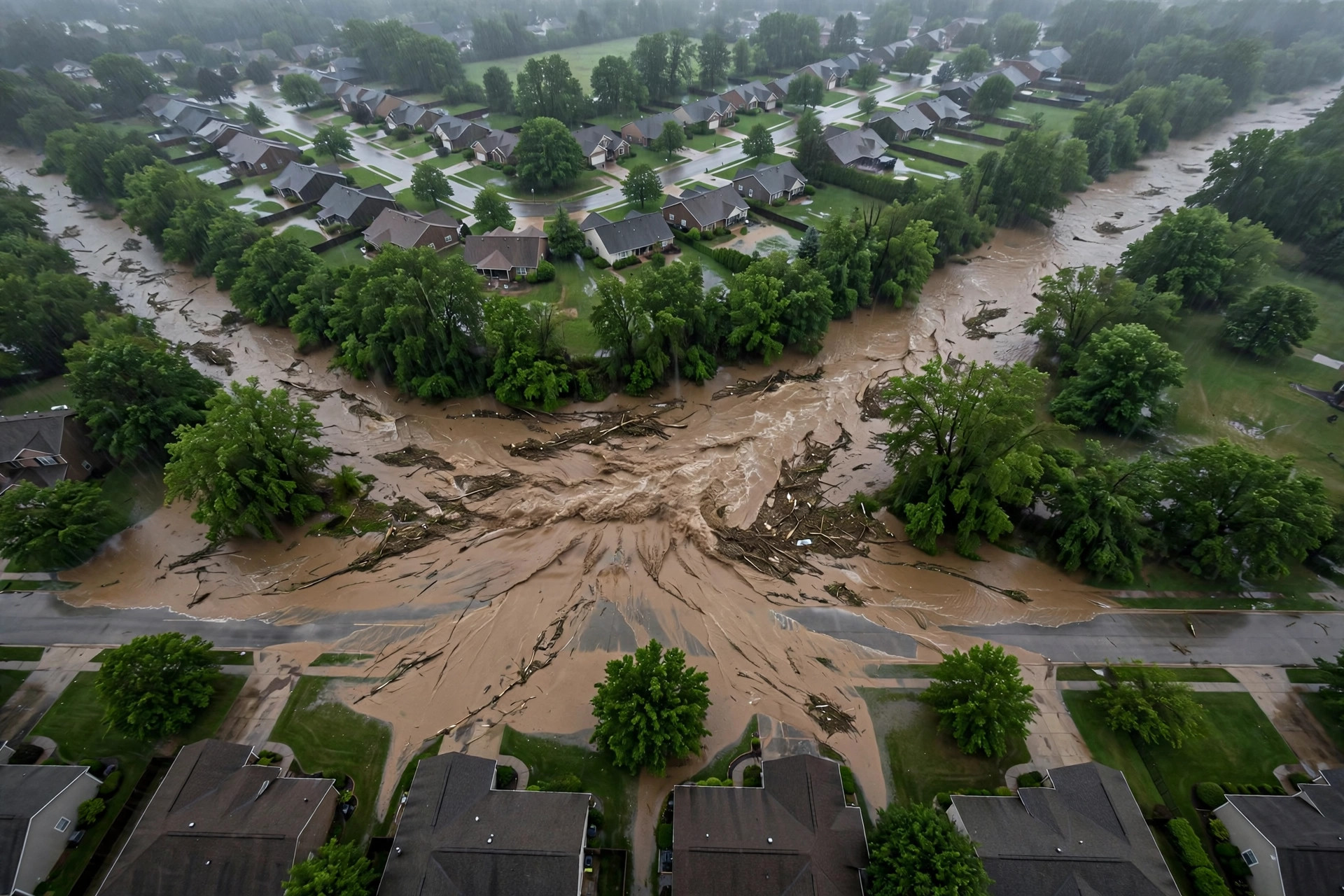
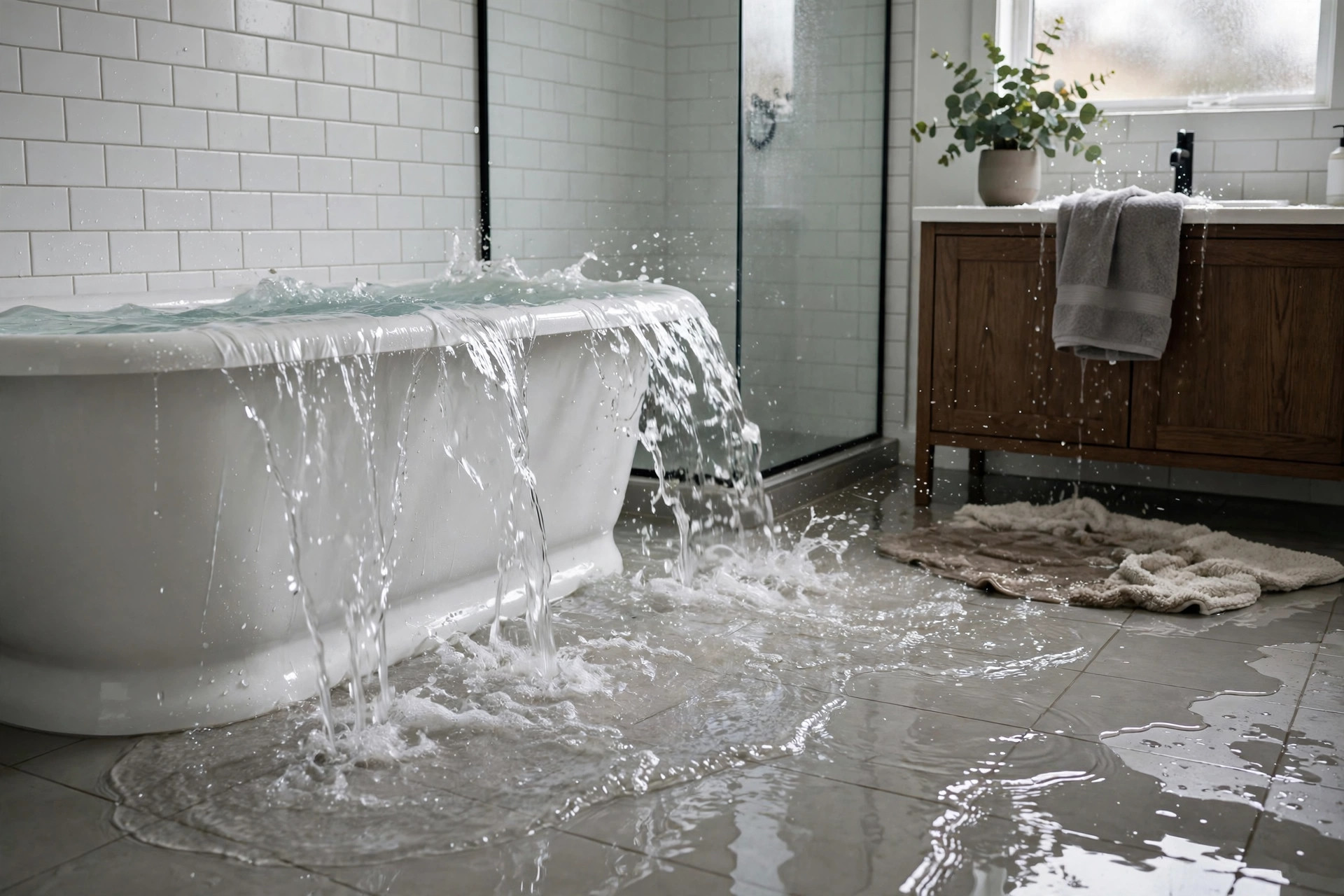
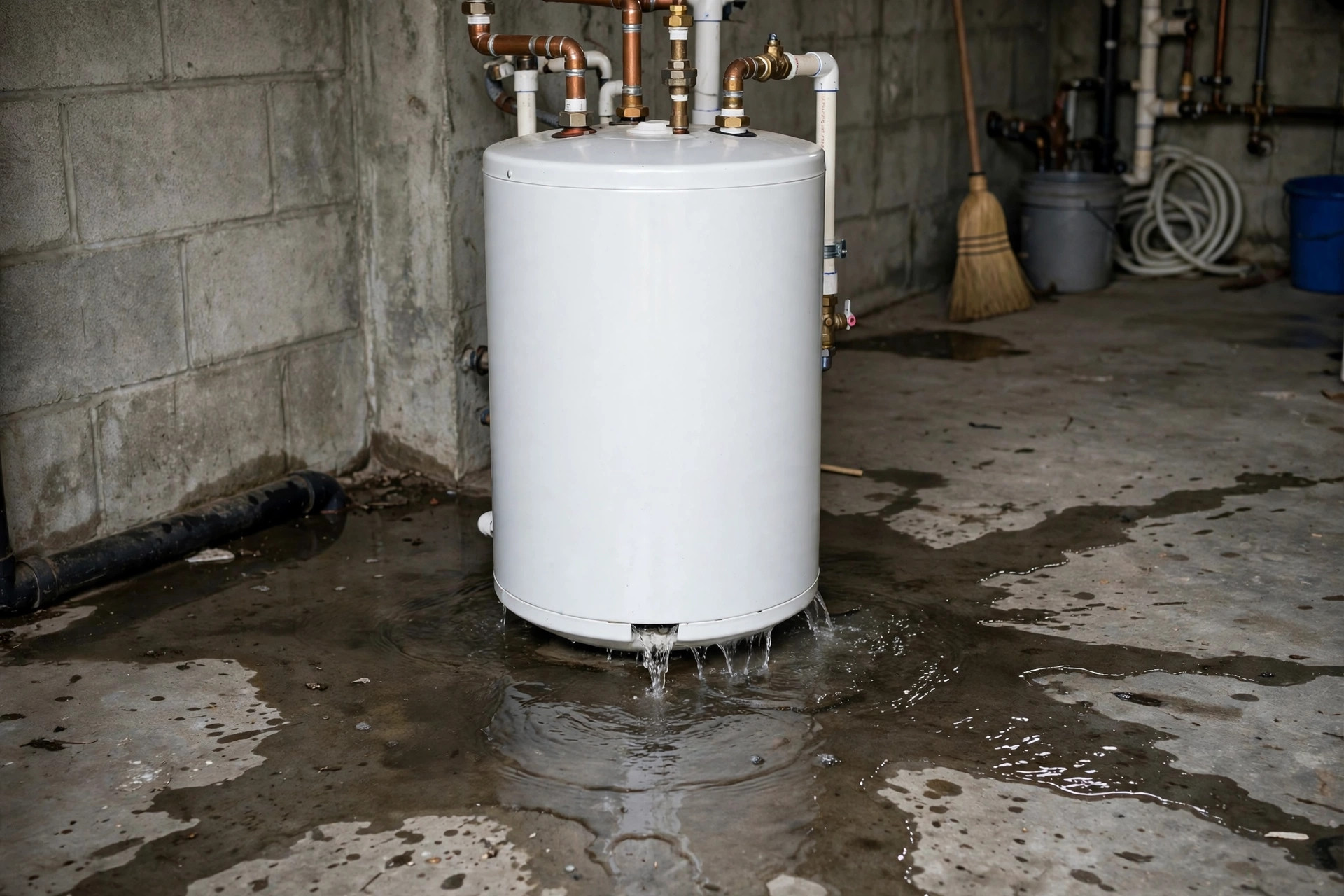
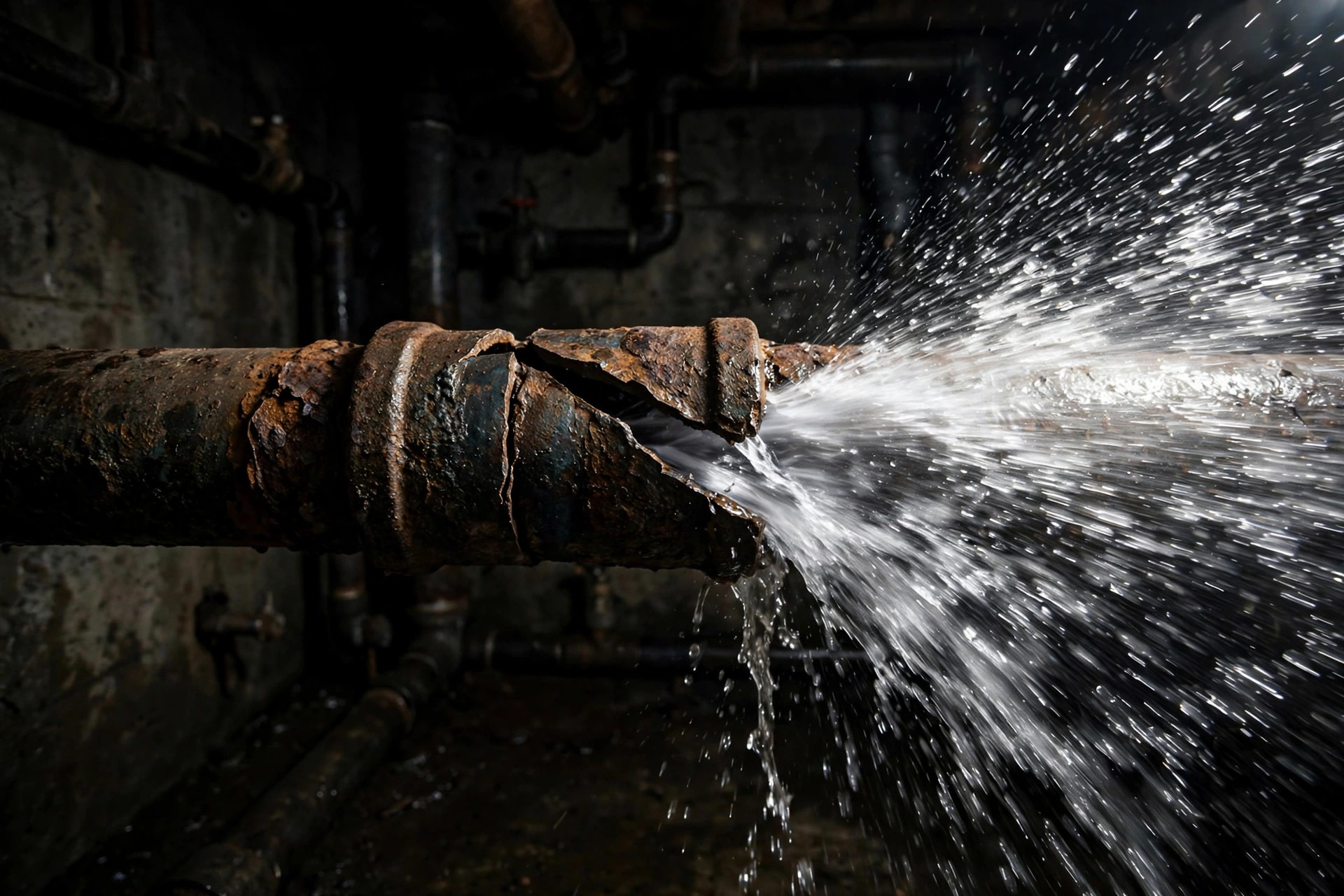
Water damage can result from unexpected leaks, flooding from storms, plumbing failures, or appliance malfunctions. Our certified teams focus on rapid water removal, drying, and stabilization to help prevent further damage and mold growth.
 Explore Our Water Damage Mitigation Services
Even after a fire is extinguished, smoke, soot, and odor can continue to affect your home. Fire damage restoration services address visible damage while also helping reduce lingering effects that impact indoor air quality and surfaces.
Explore Our Fire and Smoke Damage Restoration Services
Mold often develops as a result of unresolved moisture or hidden water damage. Professional mold remediation helps identify affected areas, contain growth, and restore healthy indoor conditions.
Explore Our Mold Removal and Remediation Services
Biohazard situations, including crime scene cleanup and virus decontamination, require specialized cleaning and handling to protect health and safety. Biohazard cleanup services address contamination using proper protocols and professional care.
Explore Our Biohazard Cleanup Services
In some cases, property damage requires repairs beyond cleanup and mitigation. Reconstruction services help restore damaged areas of the home after water, fire, or other incidents, supporting a smoother transition from damage to recovery.
Explore Our Reconstruction Services
PuroClean provides 24/7 commercial property damage restoration services for businesses and facilities across the United States.
Explore Our Commercial Services
Water damage can result from unexpected leaks, flooding from storms, plumbing failures, or appliance malfunctions. Our certified teams focus on rapid water removal, drying, and stabilization to help prevent further damage and mold growth.
Explore Our Water Damage Mitigation Services


PuroClean of East Cobb
(770) 627-0900
1080 Cobb Pkwy N, STE B, Marietta, GA 30062


© 2026 PuroClean. All Rights Reserved.