Published: October 21, 2026
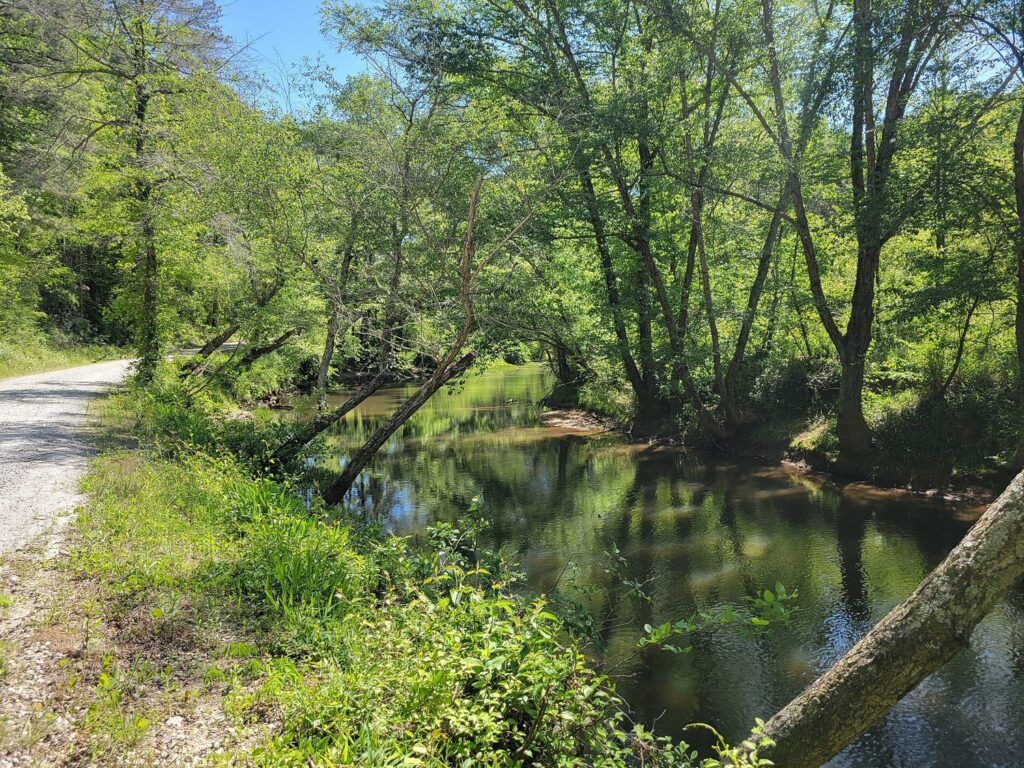
Quick answer: Tallapoosa is named for the river that starts in its own county. Georgia’s Environmental Protection Division places the headwaters of the Tallapoosa River in Haralson County, and the U.S. Geological Survey gauges the young river where U.S. 78 crosses it near town — 272 square miles already gathered at that bridge. The city’s treatment plant discharges to Green Creek, a tributary feeding the river. If water is entering your Tallapoosa home, call PuroClean of East Cobb at (770) 627-0900. We answer 24/7 with a live person and respond in 60 minutes or less.
About PuroClean of East Cobb
Who is PuroClean of East Cobb?
PuroClean of East Cobb provides 24/7 water, fire and mold restoration in Marietta, GA, with a 60-minute-or-less response. Since 2022, the team has completed more than 4,000 restoration jobs across metro Atlanta. Technicians hold IICRC certifications in water restoration (WRT), fire and smoke restoration (FSRT), applied structural drying (ASD), and applied microbial remediation (AMRT), plus EPA Lead-Safe certification.
What does restoration cost?
National averages run $1,300–$5,600 for water damage restoration and about $12,900 for fire damage restoration (Forbes). Every job is documented with photos and video, and you approve the restoration plan before work begins — no fine print.
Who answers when I call?
A live person, 24 hours a day, 7 days a week. One project manager owns your job from assessment and stabilization through restoration, finishing with a final walkthrough together. Call (770) 627-0900 any time.
Tallapoosa began as a gold-mining settlement the miners called Possum Snout; a post office opened in 1839 and the town incorporated in 1860, taking the river’s name — said to mean “golden water” in the Creek language. The railroad’s arrival in the 1880s brought Connecticut promoter Ralph L. Spencer, who built the town’s boom: the Lithia Springs Hotel, completed in 1892 with 175 rooms, drew health tourists to the mineral springs, northern newcomers earned Tallapoosa the billing “a Yankee City Under a Southern Sun,” and some 200 Hungarian families founded the wine colony of Budapest nearby — an industry Georgia’s Prohibition Act of 1907 ended. The boom-era houses those newcomers built still stand above the river.
A young river, already gauged like a big one
The Tallapoosa River rises in northwest Georgia at about 1,145 feet and drops about 12 feet per mile for its first 15 miles, per the state basin plan. That gradient is the local flood story: water does not pool and wait here, it accelerates. By the U.S. 78 gauge near town the river already drains 272 square miles, so a storm system parked over the county’s hills can put a fast, muddy rise past the bridge while streets in town still look manageable. Homes along the river bottom and the lower reaches of Green Creek should treat a hard multi-day rain as a river problem first. Crawlspaces on low lots can take water from below as the ground saturates, even on streets the river never reaches.
Boom-era houses above the river
Tallapoosa’s oldest standing housing is resort money made solid: 1880s and 1890s homes built for northern newcomers, with tall ceilings, deep porches and plumbing renewed in sections ever since. In houses of that age, a leak can travel along framing and appear rooms away from its source, and low crawlspaces on original piers can stay damp for months from a slow drip. The post-boom streets add smaller early- and mid-1900s homes with additions built across decades. Newer homes sit higher but shed roof water onto graded lots, where a redirected swale can push stormwater against a slab. The age of the house usually predicts where the water hides.
What to do in the first hour
1. Judge the water’s direction first. If the river or a creek branch is rising toward your lot, check the lowest rooms and the crawlspace before anything else, and do not enter standing water where power may be live.
2. Stop any indoor source. Shut off the main supply if plumbing is feeding the water. If the source is the river or a creek, keep people and pets out of the water until it is assessed.
3. Photograph the high-water line. Wide photos of each affected room and close-ups of the line water leaves on walls and foundation — that line documents both the entry point and the peak.
4. Call (770) 627-0900. Tell us whether the water is river water, creek water, roof water or a plumbing failure, and whether your Tallapoosa home is boom-era or newer. The two dry differently.
If your home has water in a lower level or a crawlspace that never dries, call (770) 627-0900 — extraction and drying started early cost a fraction of repairs after walls and floors have soaked. We’re based in Marietta and available 24/7.
Learn more about our service areas and water damage restoration services. Related reading: Where a River Starts: Runoff and Water Damage in Villa Rica.