Published: October 7, 2026
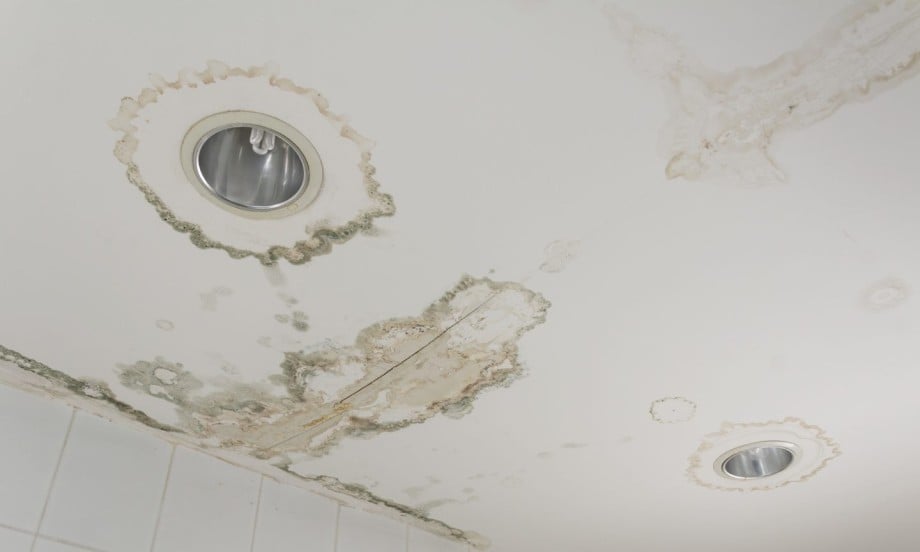
Upstairs bathroom leaks in Lilburn: when toilet and tub water comes through the ceiling is the hidden cost of a second-floor bathroom sitting directly over living space. Quick answer: Lilburn’s subdivisions are full of two-story homes built from the 1970s through the 1990s — houses where the upstairs bathrooms sit directly over the kitchen, living room, or foyer. When a toilet supply line bursts, a wax ring fails, or a tub overflows, water does not politely stay in the bathroom: it pours through the floor assembly, soaks insulation and drywall, and emerges through the ceiling below — sometimes rooms away from the source. Lilburn knows water trouble from the outside too: a FEMA Disaster Recovery Center opened in the city after the September 2009 floods, and Sweetwater Creek near Lilburn carries its own National Weather Service flood gauge. If water is coming through your ceiling right now, call PuroClean of East Cobb at (770) 627-0900. We answer 24/7 with a live person and respond in 60 minutes or less.
About PuroClean of East Cobb
Who is PuroClean of East Cobb?
PuroClean of East Cobb provides 24/7 water, fire and mold restoration in Marietta, GA, with a 60-minute-or-less response. Since 2022, the team has completed more than 4,000 restoration jobs across metro Atlanta. Technicians hold IICRC certifications in water restoration (WRT), fire and smoke restoration (FSRT), applied structural drying (ASD), and applied microbial remediation (AMRT), plus EPA Lead-Safe certification.
What does restoration cost?
National averages run $1,300–$5,600 for water damage restoration and about $12,900 for fire damage restoration (Forbes). Every job is documented with photos and video, and you approve the restoration plan before work begins — no fine print.
Who answers when I call?
A live person, 24 hours a day, 7 days a week. One project manager owns your job from assessment and stabilization through restoration, finishing with a final walkthrough together. Call (770) 627-0900 any time.
A bathroom is the wettest room in the house, and in a two-story home it is the wettest room on the second floor — directly above the rooms you live in. Every toilet, tub, shower, and sink up there is connected to supply lines under constant pressure and drain assemblies sealed with wax and caulk that age out. When any of it fails, gravity turns a bathroom problem into a whole-house problem in minutes.
The usual suspects in an upstairs bathroom
Most second-floor bathroom leaks come from a short list of aging parts:
- Toilet supply lines. The braided or plastic line feeding the toilet is under full household pressure around the clock. In 1970s–90s homes, original supply lines are decades past their prime — and a burst one can discharge gallons per minute while nobody is upstairs to hear it.
- Wax rings and closet bolts. The wax seal between the toilet and the flange dries out and compresses over time. A failed seal does not always flood visibly; it often weeps into the subfloor with every flush, rotting the floor around the toilet for months before anyone notices.
- Tub and shower pans. Fiberglass tubs flex, grout cracks, and shower pan liners develop pinholes. Water that escapes a shower does not drain away — it soaks the subfloor and the ceiling cavity below.
- Overflows. A tub left running, a toilet that keeps running into an already-full bowl — upstairs overflows are the fastest way to put a large volume of water into a ceiling assembly. A few unattended minutes is all it takes.
The common thread: these failures put water inside the floor structure, where you cannot see it and where it does the most damage.
Why second-floor water does double damage
Water from an upstairs bathroom does not fall straight down. It spreads along joists, soaks insulation, pools on top of the downstairs ceiling drywall, and emerges through light fixtures, vents, and seams — often in a room that is not even under the bathroom. By the time you see the stain or the drip, the ceiling cavity has been holding water for a while.
That hidden phase is what makes upstairs leaks expensive. Wet insulation loses its insulating value and has to go. Drywall that has sat in water sags and grows mold. Light fixtures and ceiling fans in the drip path become electrical hazards. And because the water traveled through framing, the drying job covers a much bigger area than the stain on the ceiling suggests. A “small” bathroom leak upstairs routinely means opening up a large section of ceiling downstairs.
What to do in the first minutes
1. Stop the source. Toilet overflowing or supply line burst? Shut the valve behind the toilet. Tub running? Turn it off. If you cannot find a fixture shutoff, go straight to the main water shutoff for the house.
2. Kill power to the wet ceiling at the breaker panel. Water coming through light fixtures or ceiling fans and live electricity do not mix — do this before you touch anything under the drip.
3. Contain the drip. Buckets, towels, and plastic sheeting over furniture. Poke a small relief hole in a bulging ceiling section with a screwdriver — a controlled drain into a bucket beats a sudden ceiling collapse onto the floor.
4. Get air moving carefully. A fan helps surface drying, but do not assume the cavity is drying — it is not, not without professional equipment.
5. Call (770) 627-0900. Upstairs leaks need moisture mapping, not guesswork. We find the full spread with thermal imaging and meters — including inside the ceiling cavity and the subfloor — then dry the structure to verified readings and document everything for your claim. One project manager owns the job from the first call through the final walkthrough together. No fine print.
PuroClean of East Cobb has completed 4,000+ restoration jobs since 2022 — 54% water damage, 30% reconstruction, 7% mold. Learn more about PuroClean of East Cobb — our company facts, certifications, and track record.
A ten-minute response to a bathroom leak is the difference between replacing a supply line and replacing a ceiling. If water is coming through yours right now — or you found the stain this morning and hoped it would dry — call (770) 627-0900. We’re based in Marietta and available 24/7.
Learn more about our service areas and water damage restoration services. Related reading: Second-Floor Laundry Leak in Johns Creek? Why Upstairs Water Hits Twice as Hard. Related reading: not every ceiling stain comes from a bathroom — a ceiling stain spreading under your attic may mean your AC is overflowing.