

Mold under flooring is often easier to smell than see. If your Coral Gables home has recently experienced a plumbing leak, roof leak, AC condensation, flooding, or heavy rain, moisture may have found its way beneath the floor without leaving an obvious puddle behind.
The short answer is simple: find and stop the moisture source, avoid disturbing the affected flooring unnecessarily, dry the area as quickly as possible, and have the affected materials professionally assessed if mold under flooring is suspected. PuroClean of Coral Gables can help homeowners identify the extent of moisture damage and provide professional mold cleanup when needed.
In South Florida, this problem deserves particular attention. Coral Gables homes deal with high humidity, heavy rainfall, tropical weather, air conditioning condensation, and occasional plumbing or roof leaks. Even when the surface of a floor looks perfectly normal, moisture trapped underneath can create the conditions mold needs to grow.
Why Mold Can Develop Under Your Floor
Mold needs moisture and an organic material it can grow on. Flooring systems can provide plenty of hiding places.
A carpet may have a damp pad underneath it. Hardwood flooring may trap moisture against the subfloor. Laminate can hold moisture between the flooring and the surface below. Even some hard surface flooring can conceal moisture underneath or around seams.
According to the U.S. Environmental Protection Agency, moisture control is the key to controlling mold. The EPA recommends addressing water problems promptly and drying wet materials thoroughly.
This is especially important in Coral Gables.
A small plumbing leak that goes unnoticed, condensation from an air conditioning system, water entering around a door after heavy rain, or moisture that remains beneath flooring after a flood can create a persistent damp environment.
The longer that moisture remains trapped, the greater the opportunity for mold growth.
7 Warning Signs of Mold Under Flooring
You do not necessarily need to pull up your entire floor to suspect a problem. There are several clues that can tell you something may be happening underneath.
1. A Persistent Musty Smell
One of the most noticeable warning signs is a musty or stale odor that does not seem to have an obvious source.
You may clean the room, open the windows, and even use air fresheners, yet the smell keeps returning.
That can happen when the source is hidden beneath flooring, behind walls, under cabinets, or in another area that is difficult to access.
If a musty odor appeared after a water leak or flooding event, do not simply cover it with fragrance. Look for the moisture source.
2. Warped or Buckled Flooring
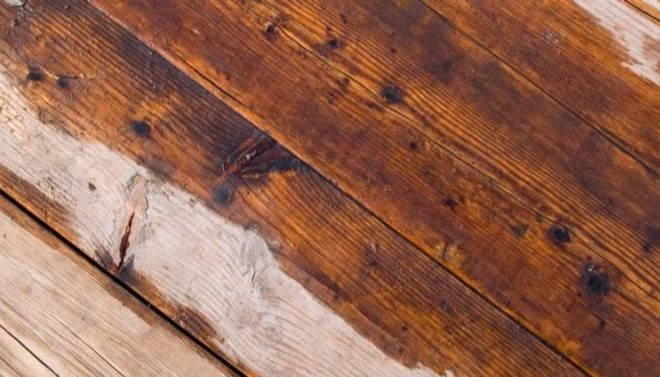
Flooring that suddenly begins to warp, buckle, swell, lift, or separate deserves attention.
Moisture can affect different flooring materials in different ways. Wood can swell or warp. Laminate can buckle. Carpet may remain damp underneath even when the top feels relatively dry.
Visible changes do not automatically mean mold is present, but they can indicate that moisture has entered the flooring system.
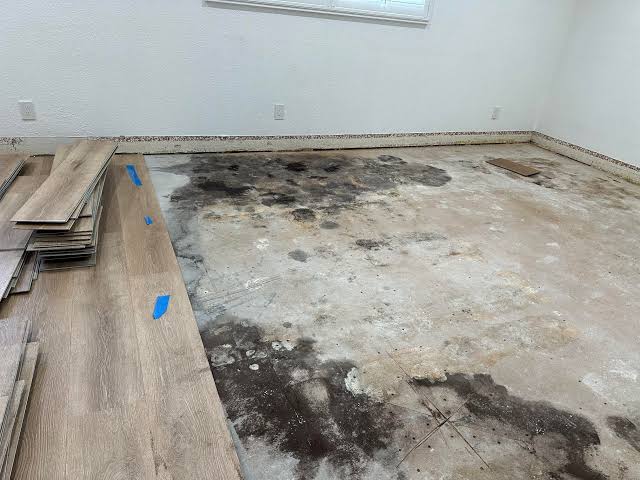
3. Discoloration or Dark Spots
Unexpected staining can be another warning sign.
Brown, black, greenish, or unusual discoloration may indicate moisture damage or microbial growth. However, color alone cannot tell you exactly what caused the stain or whether it is mold.
Avoid assuming that every dark spot is mold, but do not ignore unexplained changes either.
4. Flooring Feels Damp
If one section of the floor feels unusually cool, damp, soft, or spongy compared with surrounding areas, moisture may be present underneath.
This is particularly concerning when there has recently been a leak, appliance failure, flooding, or storm related water intrusion.
A moisture meter and professional assessment can help determine whether moisture remains trapped beneath the visible surface.
5. The Problem Keeps Coming Back
Perhaps you cleaned the floor and the odor disappeared for a few days, only for it to return.
Or maybe you cleaned a visible area but continue noticing discoloration, dampness, or a musty smell.
That can happen when the underlying moisture source has not been corrected.
Cleaning the visible surface without addressing what is happening underneath can leave the real problem untouched.
6. You Recently Had Water Damage
Recent water damage should automatically put the flooring on your inspection list.
This includes:
- Burst or leaking pipes
- Refrigerator or dishwasher leaks
- Washing machine leaks
- AC condensation
- Roof leaks
- Toilet or plumbing leaks
- Flooding
- Heavy rain entering the home
- Water coming through doors or windows
The EPA notes that wet materials should ideally be dried within 24 to 48 hours to help prevent mold growth.
7. The Floor Has Changed After a Leak
Sometimes the timeline gives you the biggest clue.
If your floor looked normal before a leak but started smelling, staining, swelling, or changing afterward, there may be moisture trapped below the surface.
That does not necessarily mean you need to replace the entire floor. The appropriate response depends on the flooring material, extent of moisture, duration of exposure, and condition of the underlying materials.
What Causes Mold Under Floors in Coral Gables?
Coral Gables homeowners face several potential sources of moisture.
Plumbing Leaks
A slow leak beneath a sink, toilet, bathtub, or inside a wall can go unnoticed for weeks or even longer.
By the time you notice a smell or flooring change, moisture may have already affected the surrounding materials.
Air Conditioning Condensation
Air conditioning is essential in South Florida, but AC systems can also contribute to moisture problems when drain lines, drip pans, or related components develop problems.
A small amount of recurring condensation can become a bigger issue when it repeatedly affects the same area.
Heavy Rain and Storms
Heavy rainfall can introduce water through roofs, doors, windows, poorly sealed areas, or other vulnerable parts of a property.
Coral Gables homeowners should pay particular attention to flooring after significant rainfall if water entered the home or if the property experienced flooding.
High Indoor Humidity
Humidity is another important factor.
The EPA recommends keeping indoor relative humidity below 60%, ideally between 30% and 50%, to help control moisture and mold growth.
A home can feel comfortable while still having moisture conditions that encourage mold.
Previous Water Damage
Sometimes the original leak has already been repaired, but the materials were never completely dried.
That is why repairing the leak is only part of the solution.
The affected flooring, subfloor, padding, and surrounding materials also need to be evaluated.
What Should You Do If You Suspect Mold Under Your Floor?
First, do not panic and do not immediately start ripping up the flooring.
Start by identifying what may have caused the moisture.
Was there a leak?
Did an appliance overflow?
Did rain enter the property?
Was there recent flooding?
Is an AC drain line leaking?
Finding the source is critical because cleaning mold without correcting the moisture problem can allow the issue to return.
Next, limit unnecessary disturbance of the affected area. Pulling up flooring without knowing what is underneath can potentially spread contaminated dust and debris into other parts of the home.
If the area is visibly wet, professional water extraction and drying may be necessary.
The EPA recommends cleaning hard surfaces with appropriate methods and notes that porous materials such as carpet may need to be discarded when moldy because mold can penetrate spaces within the material.
That distinction matters.
A nonporous surface may sometimes be cleaned successfully, while heavily contaminated porous materials may not be salvageable.
Can You Clean It Yourself?
It depends on the size and nature of the problem.
A small amount of surface mold on an appropriate hard, nonporous surface may sometimes be cleaned following proper precautions.
However, hidden growth beneath flooring presents a different challenge.
You may not know how far the moisture has traveled or whether the subfloor, padding, adhesive, or other materials have been affected.
The EPA also recommends avoiding exposure to mold and taking appropriate precautions during cleanup.
For a larger area, recurring moisture, significant water damage, or suspected hidden growth, professional help is often the safer and more practical approach.
Does the Flooring Always Need to Be Replaced?
No.
The answer depends on the type of flooring and the condition of the materials underneath.
For example, some hard surfaces may be cleaned and dried successfully. Other materials can absorb moisture and become difficult to clean completely.
Carpet and carpet padding can be particularly challenging because moisture can become trapped underneath. Wood and other porous materials can also be affected when moisture remains for an extended period.
The EPA specifically notes that mold can penetrate porous materials, making complete removal difficult or impossible in some circumstances.
A professional assessment can help determine whether flooring can be cleaned and restored or whether certain materials need to be removed.
Why Quick Action Matters in Coral Gables
South Florida’s climate makes moisture control especially important.
If your home experiences water damage, waiting for the floor to “dry on its own” may not be enough. Moisture can remain underneath flooring even when the visible surface appears dry.
That is why homeowners should act quickly after leaks, flooding, or storm related water intrusion.
If the flooring has been affected by water, professional drying can help identify areas where moisture remains trapped and reduce the conditions that support mold growth.
The goal is not simply to remove what you can see.
The goal is to address the source of moisture, affected materials, and conditions that allowed the problem to develop in the first place.
When Should You Call a Professional?
Consider professional mold cleanup if:
- You smell persistent mustiness but cannot find the source.
- Flooring is warped, buckled, or discolored.
- Your home recently experienced significant water damage.
- Mold keeps returning after cleaning.
- You suspect growth underneath carpet, laminate, or wood flooring.
- A leak affected the subfloor.
- Floodwater entered your home.
- You are unsure how extensive the moisture damage is.
- The affected area is larger than you can safely manage.
PuroClean of Coral Gables provides professional property restoration and mold cleanup services for homeowners dealing with moisture and property damage.
A professional team can evaluate the affected area, identify moisture concerns, help contain the problem, remove affected materials when necessary, and clean and dry the area appropriately.
FAQs About Mold Under Flooring
Can mold grow underneath flooring?
Yes. Mold can grow beneath flooring when moisture becomes trapped and remains there long enough. Carpet, wood, and other materials can provide conditions that support mold growth when moisture is present.
What does mold under flooring smell like?
It often produces a musty, stale, or earthy odor. However, an odor alone cannot confirm that mold is present. Other moisture related problems can also create unpleasant smells.
Can mold grow under laminate flooring?
Yes. Moisture trapped between laminate flooring and the underlying surface can create conditions that support mold growth. Warping, discoloration, dampness, and persistent odors can indicate a moisture problem.
Can mold grow under carpet?
Yes. Mold can develop beneath carpet and carpet padding when they remain wet or damp. The EPA identifies carpet and other porous materials as materials that may need to be discarded if they become moldy.
Should I pull up my flooring if I suspect mold?
Not necessarily. Pulling up flooring without proper precautions can disturb contaminated material. If there has been significant water damage or you suspect hidden growth, consider having the area professionally assessed first.
How quickly can mold grow after water damage?
Mold can begin developing when materials remain damp. The EPA recommends drying wet materials within 24 to 48 hours when possible to help prevent mold growth.
How do I prevent mold from returning?
The most important step is controlling moisture. Repair leaks, address AC condensation, dry water damaged materials thoroughly, control indoor humidity, and respond quickly when water enters the home.
Does PuroClean of Coral Gables provide mold cleanup?
Yes. PuroClean of Coral Gables provides professional mold cleanup and property restoration services for homeowners dealing with mold and moisture related damage in Coral Gables and surrounding Miami communities.
The Bottom Line: Don’t Ignore What’s Happening Beneath Your Floor
Mold under flooring can remain hidden long after a leak, flood, or moisture problem appears to be resolved. A musty smell, warped flooring, unexplained discoloration, dampness, or recurring moisture problem can all be reasons to investigate further.
For Coral Gables homeowners, humidity, heavy rain, AC condensation, plumbing problems, and water intrusion can create the moisture conditions mold needs to grow.
The good news is that you do not have to figure everything out yourself.
If you suspect hidden mold or have recently experienced water damage, PuroClean of Coral Gables can help assess the situation and provide professional mold cleanup and restoration services.
Don’t wait for a small moisture problem to become a larger property damage problem.
Call PuroClean of Coral Gables today at (305) 894-4343 for professional help with mold and moisture damage.