 PuroClean of Nanuet
 After a winter storm in Nanuet, NY, the visible impact is generally snow buildup, ice along rooflines, or large icicles, which is often just the surface of a much larger issue. The real risk comes from what’s happening out of sight: melting ice dams forcing water beneath shingles, freeze-thaw cycles stressing flashing and sealants, and moisture migrating into attics and wall cavities.
After a winter storm, a post-winter storm inspection helps identify ice dam damage and hidden moisture before stains or structural issues appear. By the time ceiling stains or peeling paint appear inside, water damage may have been progressing for days or even weeks. A systematic post-storm inspection of both exterior and interior helps identify early warning signs before minor intrusion turns into a major restoration project.
This guide outlines what to inspect, where hidden damage commonly appears, and when to call PuroClean of Nanuet for professional assessment.
Key Takeaways
- Ice dams don’t just affect roofs they force water backward under shingles into attics, insulation, and wall cavities
- Icicles often signal heat loss and drainage issues that contribute to ongoing freeze-thaw damage
- Exterior inspections should be done from ground level on a clear, safe day
- Interior inspections should focus on attics, upper floors, and areas below roof valleys
- Water damage may not appear immediately — moisture can travel through insulation for days
- In Rockland County, rapid temperature swings can reactivate damage weeks after a storm
- Documenting damage early helps with professional assessment and insurance claims
- Early detection reduces the risk of mold growth, insulation failure, and structural deterioration
Post-Winter Storm Inspection: What to Check for Hidden Water Damage
Ice dams form when heat escaping from a home melts snow on the roof. That water flows downward, refreezes near the colder eaves, and creates a barrier. As melting continues, water backs up behind the ice and is forced beneath shingles, into roof decking, and eventually inside the structure.
Common ice dam damage patterns include:
- Water traveling laterally under roofing materials
- Moisture spreading slowly through insulation and drywall
- Interior damage appearing far from the original entry point
- Multiple freeze-thaw cycles compounding initial intrusion
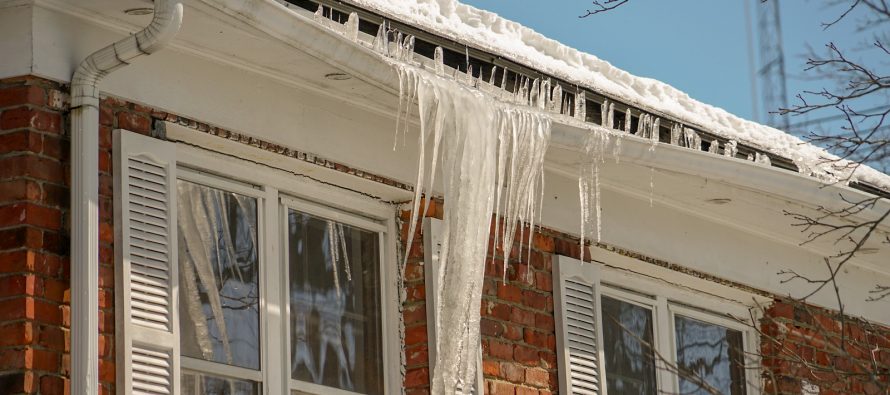
Even after ice dams melt, moisture can remain trapped inside building materials. That’s why PuroClean of Nanuet recommends inspecting properties both immediately after every major winter storm and again 1–2 weeks later.
For related winter risks, check out these blogs:
Before You Start: Safety and Timing
When to inspect:
- Within 24–48 hours after a winter storm (once conditions are safe)
- Again 7–14 days later to catch delayed moisture issues
- After the first warm spell when trapped moisture becomes active
Safety reminders:
- Do not walk on icy roofs or ladders
- Use binoculars to inspect rooflines from ground level
- Never attempt DIY ice dam removal
- If access isn’t safe, document what you can and call a professional
Exterior Inspection Checklist
Walk the perimeter of your property with a phone or camera, focusing on roof drainage and building envelope entry points.
1. Roof Lines and Edges
Look for:
- Remaining ice dams along eaves or valleys
- Large or clustered icicles
- Lifted or missing shingles
- Sagging gutters
- Gaps around flashing, chimneys, or vents
- Dark streaks below rooflines
Why it matters: These are indicators that water may already be traveling beneath roofing materials.
2. Gutters and Downspouts
Look for:
- Gutters pulling away from fascia
- Ice or debris blockages
- Standing water
- Disconnected downspouts
Blocked systems push water back toward the roof and foundation — even after ice melts.
3. Soffits and Fascia
Look for:
- Water stains
- Bubbling or peeling paint
- Sagging panels
- Moisture near soffit vents
These areas are common ice dam entry points into attics.
4. Exterior Walls (Upper Levels)
Look for:
- Staining on siding or trim
- Peeling paint
- Cracks near windows or penetrations
Water often enters wall cavities before appearing indoors.
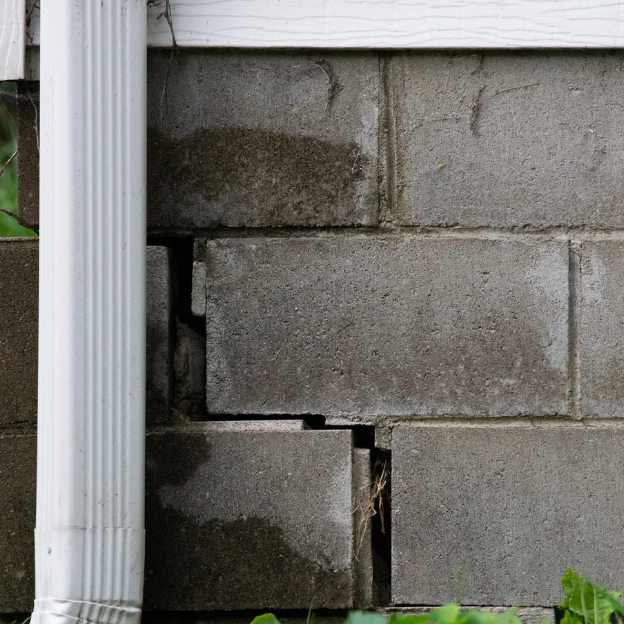
5. Foundation and Grade
Look for:
- Ice or standing water near foundation walls
- Poor drainage
- New cracks
- Downspouts discharging too close to the structure
Melting snow can cause basement seepage and long-term structural stress.
Interior Inspection Checklist
Work from the top of the home downward.
1. Attic Spaces
Look for:
- Stains on roof decking
- Wet or compressed insulation
- Frost or ice on sheathing
- Musty odors
- Visible mold growth
Attics are typically the first interior location affected by ice dam intrusion.
2. Upper-Floor Ceilings
Look for:
- New or darkening stains
- Bubbling paint
- Soft drywall
- Sagging areas

These are often the first visible interior signs of roof-related water damage.
3. Interior Sides of Exterior Walls
Look for:
- Discoloration near ceilings
- Peeling paint or wallpaper
- Damp drywall
- Musty odors
Water often travels downward inside wall cavities.
4. Windows and Door Frames
Look for:
- Water stains on sills
- Peeling caulk
- Condensation between panes
- Damp flooring nearby
These areas are vulnerable to wind-driven snow and ice dam overflow.
5. Basement or Crawl Space
Look for:
- Standing water
- Damp walls
- Efflorescence
- Elevated humidity
- Condensation on pipes
Snowmelt around foundations can cause delayed basement moisture issues.
What to Do If You Find Winter Storm Damage
Document Everything
- Take clear, dated photos
- Record locations and severity
- Note recent weather conditions
Address Active Intrusion
- Contain drips
- Move valuables
- Promote air circulation
- Do not remove ice dams yourself
Call a Local Professional Roofing Company If:
- Water is actively dripping
- Ceilings feel soft or sag
- Mold or strong odors are present
- Multiple areas are affected
- You’re unsure whether damage is active or dormant
Contact Your Insurance Company
- Report damage within 24-48 hours
- Provide documentation (photos, notes)
- Ask about emergency mitigation coverage
- Inquire about roof inspection requirements
- Request a claim number for your records
Most homeowners policies cover sudden ice dam damage, but timely reporting is essential. PuroClean of Nanuet works directly with insurance companies to streamline the claims process and ensure proper documentation from the start.
Call PuroClean of Nanuet for Emergency Water Damage Restoration
Available 24/7 for winter storm emergencies, PuroClean of Nanuet specializes in water damage services including:
- Emergency water extraction – Immediate response to active leaks
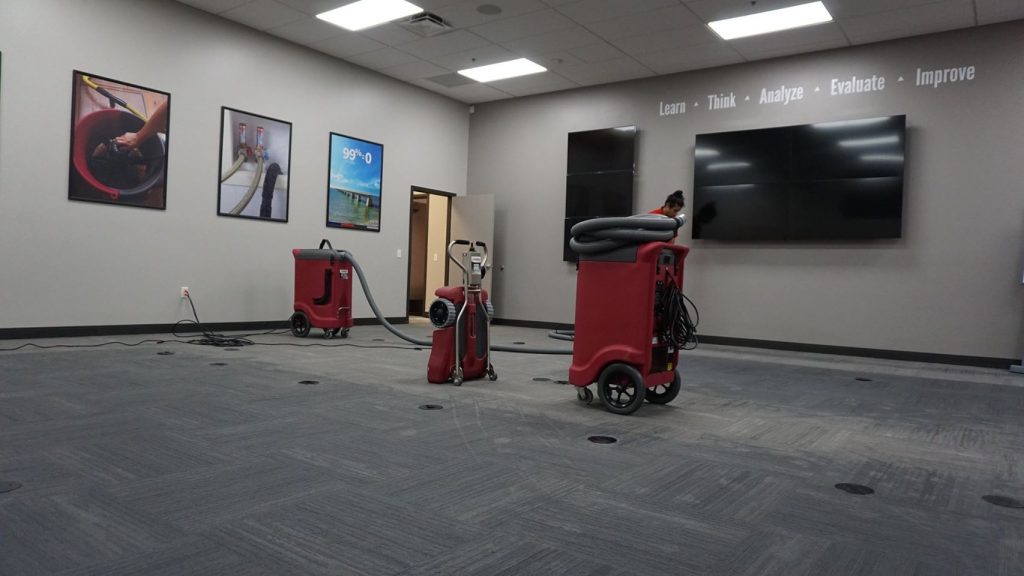
- Structural drying – Industrial dehumidifiers and air movers
- Mold remediation – Professional assessment and removal
- Content restoration – Salvaging water-damaged belongings
- Insurance coordination – Direct billing and documentation support
- Complete reconstruction – From mitigation through final repairs
Call (845) 215-7000 for immediate assistance or to schedule a winter storm inspection.
We understand winter storm damage doesn’t wait for business hours, our emergency response team is ready when you need us most. Contact us for a winter storm inspection as soon as you see signs.
Prevent Further Damage While Waiting for Help
- Run dehumidifiers in affected areas
- Place fans to promote airflow (but not directly on mold)
- Remove wet insulation if accessible
- Keep gutters clear of ice and snow
- Monitor affected areas daily
Do not:
- Attempt roof access in icy conditions
- Use heat cables without professional guidance
- Delay professional assessment
- Assume small leaks will resolve on their own
Long-Term Prevention After restoration is complete:
- Schedule a roofing inspection before the next winter storm
- Improve attic ventilation and insulation
- Consider ice and water shield upgrades
- Install heat cables if ice dams are recurring
- Clear gutters before first snowfall
- Ensure proper attic insulation depth (R-49 minimum in cold climates)
Additional Local Storm Resources
Nanuet residents have access to several government emergency services and alert systems:
Rockland County Emergency Management The Rockland County Office of Fire and Emergency Services manages the county’s Emergency Operations Center during major storms and coordinates response between first responders, utilities, and local agencies.
Ready Clarkstown Emergency Alerts Sign up for the Town of Clarkstown’s reverse 911 system to receive immediate notifications about road closures, evacuation orders, and storm updates. Contact Clarkstown Police Department to register.
NY-Alert Statewide System Subscribe to NY-Alert at ny.gov/nyalert to receive real-time weather warnings, hazardous conditions, and emergency instructions specific to Rockland County.
Special Needs Registry Residents with limited mobility or special needs should register at rocklandregisters.com so emergency responders are prepared to assist you during storms and evacuations.
Power Outage Reporting Report outages to Orange & Rockland Utilities at (877) 434-4100 or download the O&R App. For downed power lines, always call 911 immediately.
Emergency Shelters During severe storms, the American Red Cross may open emergency shelters in Rockland County. Monitor local news or contact Rockland County Emergency Management for shelter locations.
While these government resources provide critical support during emergencies, immediate professional restoration services from PuroClean of Nanuet ensure your property damage is addressed quickly—before secondary issues like mold can develop.
Why Choose PuroClean of Nanuet?
Winter storm damage can worsen rapidly. Our certified restoration professionals provide:
- Immediate emergency response – 24/7 availability
- Insurance expertise – We handle the paperwork
- Advanced equipment – Professional-grade drying and restoration
- Certified technicians – IICRC-trained specialists
- Complete peace of mind – From first call to final walkthrough
Don’t let ice dam damage become a mold problem. Call PuroClean of Nanuet at (845) 570-5060 or visit us online to schedule an inspection.
Serving Rockland County and surrounding areas with professional water damage restoration and emergency services.
 PuroClean of Nanuet