


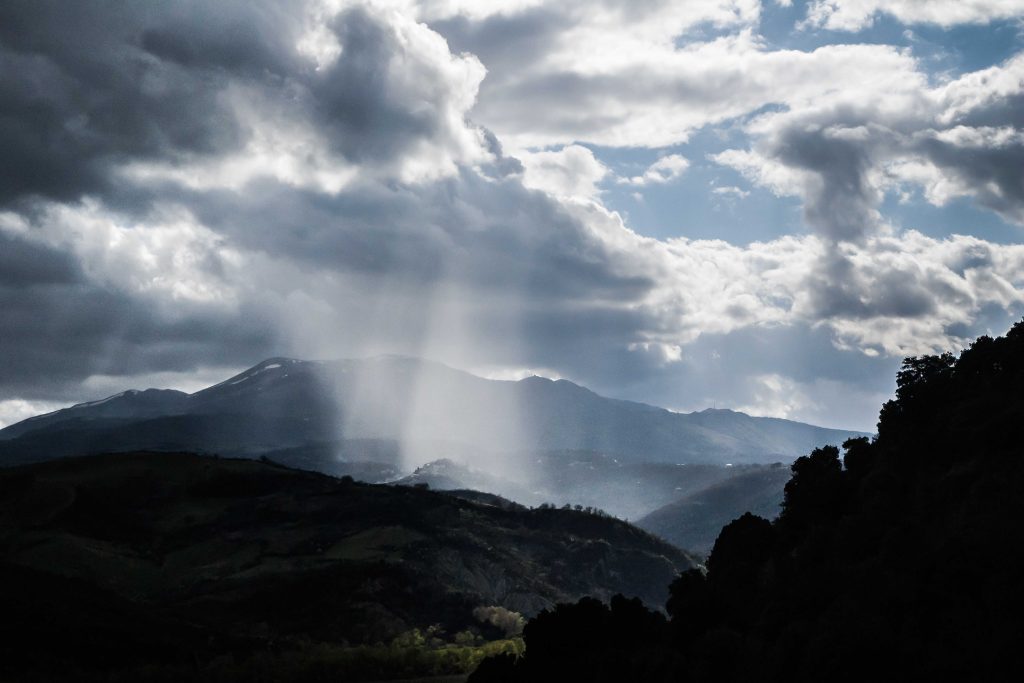
Recent Storms in Reno Are Creating New Water Damage Issues
Over the past weekend and into this week, Reno experienced a stretch of heavy rain paired with strong wind gusts. While most people focus on the inconvenience of the weather, what happens during and after these storms is where the real problems begin.
We’re already seeing an increase in calls related to water damage and not the obvious kind. These aren’t always flooded rooms or dramatic leaks. More often, it’s slow, subtle moisture intrusion that begins during storms like this and continues quietly in the background.
The reality is, storms like these don’t just create problems, they expose the weak points in your home.
A Real Example: When “It’s Fine” Isn’t Actually Fine
We recently had a quote done to replace the windows in our home. Our house is about 30 years old, so we knew there were areas worth upgrading, but nothing felt urgent.
During the walkthrough, the window representative paused and asked about the skylight. Without hesitation, we said, “The skylight’s fine.”
Three days later, after the recent storm rolled through with heavy rain and high winds, that answer didn’t hold up.
The skylight leaked (and our pup, Zippy watching over all the activity).
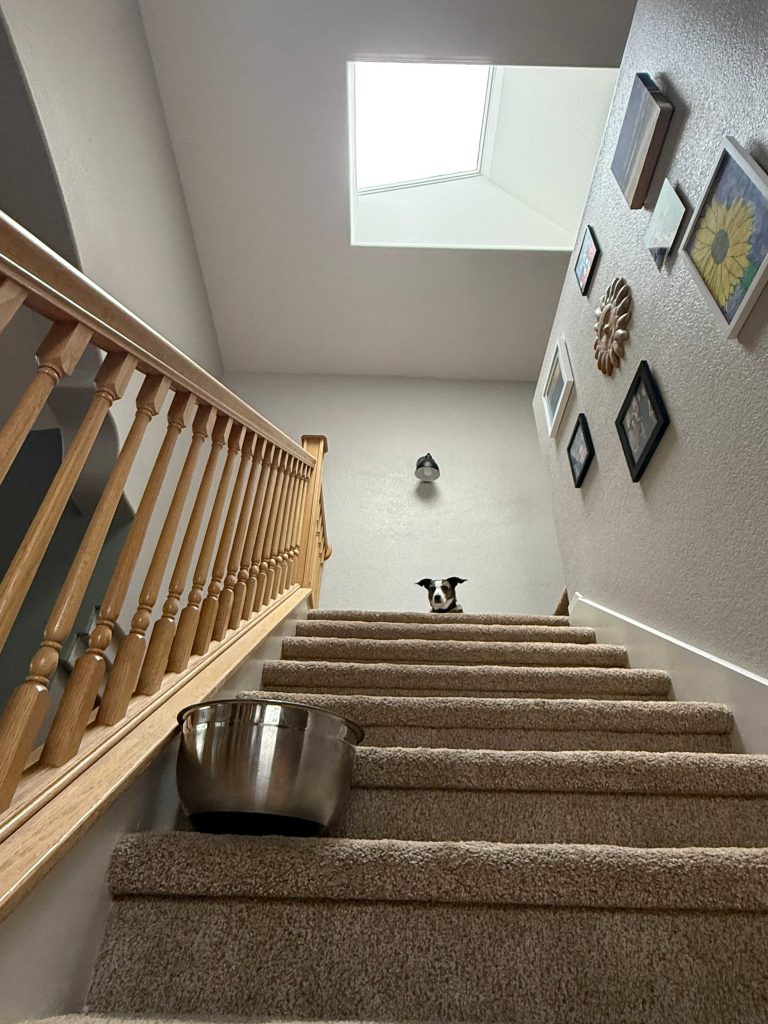
What had gone years without an issue suddenly became a source of active water damage. Nothing changed about the skylight itself in those three days, the weather simply pushed it past its limit.
That’s how quickly things can shift. And that’s exactly what these types of storms do.
Why Rain and Wind Create a Different Kind of Water Damage
Not all water exposure is the same. A calm rain is one thing, but when you combine sustained rain with strong wind, it changes how water behaves.
Wind-driven rain has force behind it. It doesn’t just fall, it gets pushed, redirected, and driven into places it normally wouldn’t reach. It can work its way under shingles, around flashing, and through tiny gaps in window seals or roof penetrations that have held up under normal conditions.
Homes that seem solid under typical weather can suddenly take on water damage when that pressure is applied. And in a place like Reno, where homes are constantly expanding and contracting with temperature swings, small vulnerabilities are common, especially in older properties.
Where Water Damage Starts and Why You Don’t Always See It
One of the biggest challenges with storm-related water damage is that it rarely shows up immediately in obvious ways.
Water can enter through a roofline or window frame and travel along beams, insulation, or drywall before it ever becomes visible. By the time a stain appears on a ceiling or wall, the moisture has often been sitting there for days or longer.
In many cases, homeowners first notice something subtle: a faint discoloration, a slight change in texture, or even just a smell that wasn’t there before. These early signs are easy to dismiss, especially if there’s no active dripping or pooling water.
But behind the surface, that moisture is still there and it doesn’t resolve on its own.
The Real Risk: What Happens After the Storm Passes
The storm itself is only part of the problem. What happens in the days following is where water damage turns into something more serious.
Trapped moisture creates the perfect environment for materials to break down and for mold to begin developing. Under the right conditions, mold can start forming within 24 to 72 hours.
This is especially common in:
- Attics where ventilation is limited
- Crawl spaces where moisture lingers
- Insulation that holds and traps water
- Areas behind drywall where airflow is minimal
By the time a musty smell develops or visible mold appears, the issue has already progressed beyond a simple fix.
May Showers in Reno Are a Turning Point
Spring in Reno isn’t just a transition in weather, it’s a transition in risk.
April tends to reveal obvious issues like irrigation leaks or plumbing failures. But May is when we start seeing the consequences of accumulated moisture, aging materials, and storm exposure.
This is when small, unnoticed vulnerabilities turn into active water damage problems.
Roof leaks, window failures, skylight issues, and crawl space moisture all start showing up more frequently right now. And because the damage often begins subtly, many homeowners don’t take action until it becomes disruptive.
What Many Homeowners Avoid
There’s a common assumption that if water isn’t actively dripping or pooling, there isn’t a real problem.
That’s simply not how water damage works.
Moisture that gets into materials like drywall, insulation, or wood can sit there long after the storm has passed. Fixing the exterior issue, whether it’s sealing a window or repairing a roof doesn’t remove the moisture that’s already inside.
That’s why problems resurface later, often in the form of odors, staining, or mold growth.
When It’s Time to Take a Closer Look
If your home went through this recent stretch of heavy rain and wind, it’s worth paying attention to anything that feels even slightly off.
Homes around 20–30 years old are especially susceptible, simply because materials begin to wear and seals break down over time.
A quick evaluation now can identify hidden water damage before it spreads, helping you avoid more extensive repairs later.
Call to Action
May showers in Reno are here, and storms like the ones we just experienced are often the trigger for hidden water damage.
If you have a roof leak, window issue, skylight, or any area where moisture could get in, now is the time to check for moisture and potential fungal growth.
If something doesn’t feel right, or you just want peace of mind – schedule a free professional inspection with PuroClean of Reno to assess for water damage and ensure your home is properly dried and protected.