


Why Hidden Mold and Moisture Problems Often Show Up as Winter Turns to Spring
Sometimes the biggest home issues appear quietly hidden and in the places you least expect.
As winter transitions into spring, snow begins to melt, groundwater levels rise, and moisture starts moving in ways homeowners often don’t see. What looks like a small issue can sometimes be a signal of something much deeper happening inside the home.
A Real Hidden Moment That Changed Everything
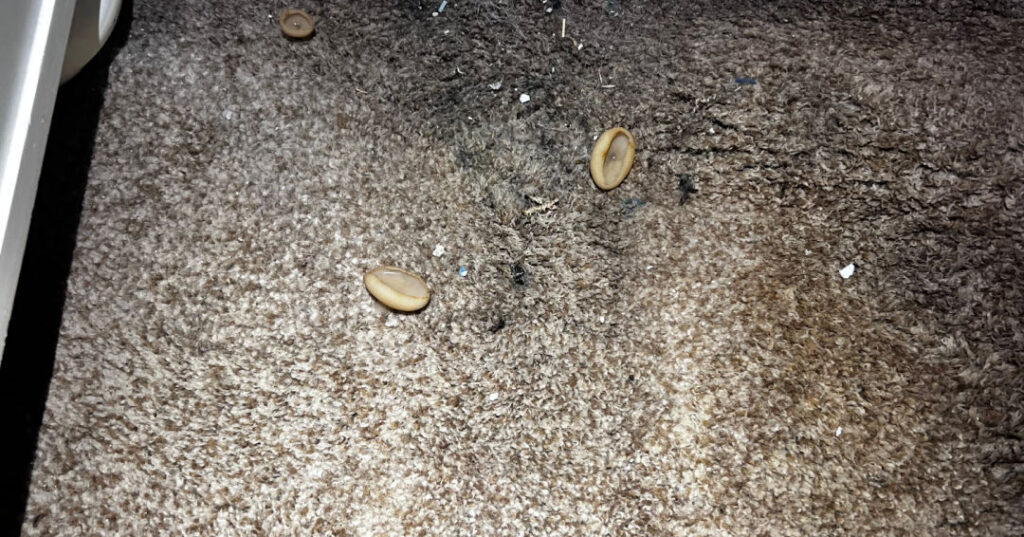
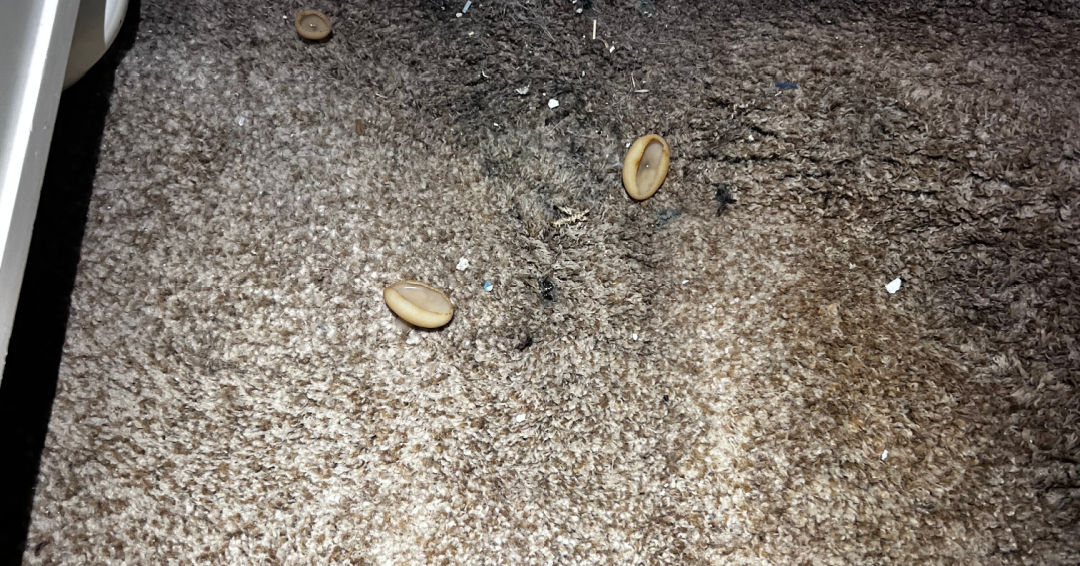
One afternoon while folding laundry on our bed, a sock slipped behind the bedside table. When the table was pulled away from the wall, something unusual appeared on the carpet.
At first glance it looked like debris.
But it wasn’t.
Mushrooms were growing out of the bedroom carpet.
At that moment it became clear something much bigger was happening beneath the surface.
What Was Actually Happening Behind the Scenes
Once the carpet was removed, the source of the problem became obvious:
• Black mold had developed on the subfloor beneath the bed
• Moisture had been present long enough for fungal growth
• The issue had been completely hidden from view
Situations like this are more common than people realize. Hidden moisture can sit undetected for months before showing visible signs.
And during late winter and early spring, changing ground moisture levels can make these problems worse.
Can Mold or Mushrooms Really Grow Inside a Bedroom?
Yes, and it usually means moisture has been present for a long time.
Mushrooms growing indoors are actually a late-stage warning sign. Fungal growth like this only appears when organic material (such as wood or carpet backing) stays damp for extended periods.
In Northern Nevada homes, this often happens when:
• Crawlspaces collect moisture from winter snowmelt
• Vapor barriers deteriorate over time
• Plumbing leaks go unnoticed
• Humidity builds up in poorly ventilated areas
When these conditions exist, mold and other fungi can begin developing beneath flooring or behind walls without being visible.
Why This Matters for Homeowners
Many people dismiss persistent headaches, sinus irritation, or cold-like symptoms as seasonal illness.
But sometimes the environment inside the home plays a role.
Hidden moisture and mold can affect indoor air quality long before homeowners notice visible damage. By the time something obvious appears, the issue may have already been developing for months.
The Immediate Steps Taken to Combat Hidden Mold
Once the problem was identified, action was taken immediately:
• The bedroom was vacated
• The affected area was properly contained
• Professional mold remediation was completed
• Clearance testing confirmed all mold specimens had been removed
Proper mold remediation requires containment, removal, and verification, not shortcuts.
The Bigger Issue That Followed
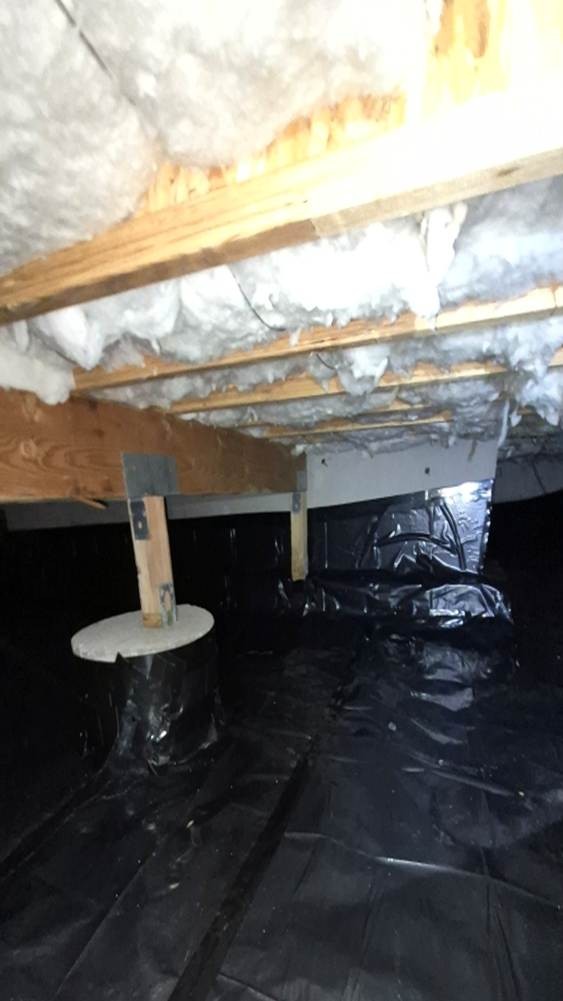
During the remediation, another underlying problem surfaced: standing water in the crawlspace.
That moisture was contributing to the conditions that allowed mold to develop inside the home.
To fully resolve the problem:
• Standing water was removed
• Additional mold remediation was performed
• A new vapor barrier was installed in the crawlspace
Crawlspace vapor barriers typically last around 10 years, but their lifespan depends heavily on proper installation, drainage, and moisture control.
This was also an opportunity to upgrade insulation and improve overall home efficiency.
The Most Common Mistakes Homeowners Make
Problems like this often grow larger because of a few common mistakes:
• Waiting until visible damage appears
• Treating symptoms instead of identifying the moisture source
• Skipping professional evaluation
• Ignoring crawlspaces and other hidden areas
Out of sight does not mean out of risk.
The Smarter Way to Handle It
The best approach is clarity before correction.
Accurate inspections and moisture testing allow remediation to be targeted and effective, preventing unnecessary demolition and reducing the chance of the issue returning.
When moisture problems are addressed correctly the first time, homeowners protect both their health and their investment.
What Homeowners Should Watch for This Spring
As temperatures rise and snow melts, homeowners should pay attention to:
• Musty or earthy odors
• Condensation on walls or windows
• Uneven temperatures between rooms
• Increased humidity indoors
• Health symptoms that improve when away from home
These can all be early indicators of hidden moisture or mold.
When Should You Get a Professional Mold Inspection?
If you notice any of the following signs, a professional inspection may be necessary:
• Musty smells in bedrooms or closets
• Unexplained health symptoms indoors
• Visible mold growth or discoloration
• Warping or soft flooring
• Mushrooms or fungal growth in carpet or baseboards
A professional inspection can identify hidden moisture sources, crawlspace problems, and mold growth before major damage occurs.
Schedule a professional inspection with PuroClean and get clear answers before major repairs begin.