


When water invades your home—whether from a burst pipe, an overflowing dishwasher, or a sudden flood—it’s natural to feel overwhelmed. However, not all Water Damage is created equal. The industry standard, established by the Institute of Inspection, Cleaning and Restoration Certification (IICRC), classifies water into three distinct categories based on its contamination level.
Knowing which category you’re dealing with is more than just a technicality; it’s a critical safety step that determines whether you can handle the cleanup yourself or if you need to evacuate immediately and call for professional Remediation.
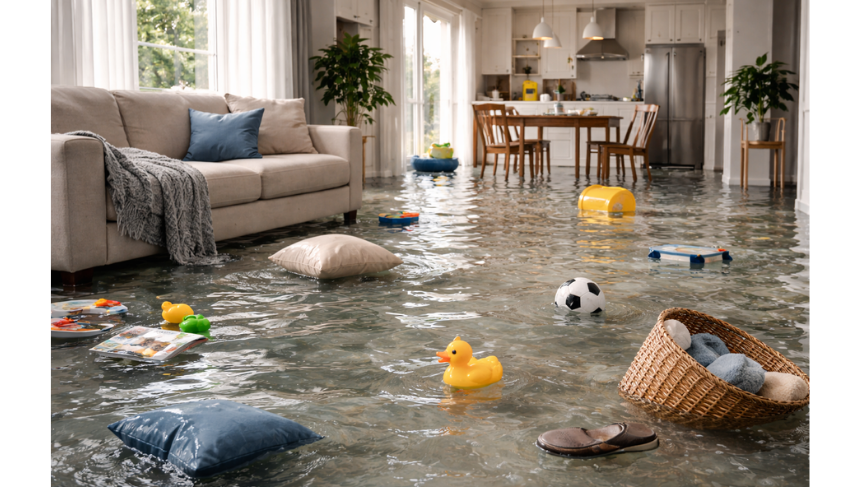
Category 1: Clean Water
The Source: This water originates from a sanitary source, such as a broken supply line, a clean sink overflow, or even rainwater.
The Risk: While Category 1 water is initially safe for humans and pets to touch, it is a ticking time bomb.
The Danger: If not dried within 24 to 48 hours, clean water begins to breed bacteria and mold, quickly degrading into Category 2 or even Category 3. Even “clean” water can rot drywall, ruin flooring, and attract pests if left untreated.
Category 2: Gray Water
The Source: Gray water contains significant chemical, biological, or physical contamination. Common sources include:
- Discharge from dishwashers or washing machines.
- Toilet overflows containing urine but no solid waste.
- Seepage from below the land’s surface.
The Risk: Gray water can cause illness if ingested or if it makes contact with your skin. It often carries residues like detergents, skin cells, and bacteria that require specialized sanitization.
Pro Tip: Like Category 1, gray water will worsen into “black water” if left standing.
Category 3: Black Water
The Source: This is the most dangerous form of water damage. It is grossly contaminated and may contain raw sewage, toxic chemicals, or pathogens from rising floodwaters (rivers or streams).
The Risk: Black water is a biohazard. It can harbor life-threatening pathogens like E. coli, Hepatitis A, and Norovirus. It also frequently releases harmful gases like methane and hydrogen sulfide.
The Rule: If you suspect black water, evacuate immediately. Do not attempt to clean this yourself, as exposure can lead to severe gastrointestinal, respiratory, and neurological issues.
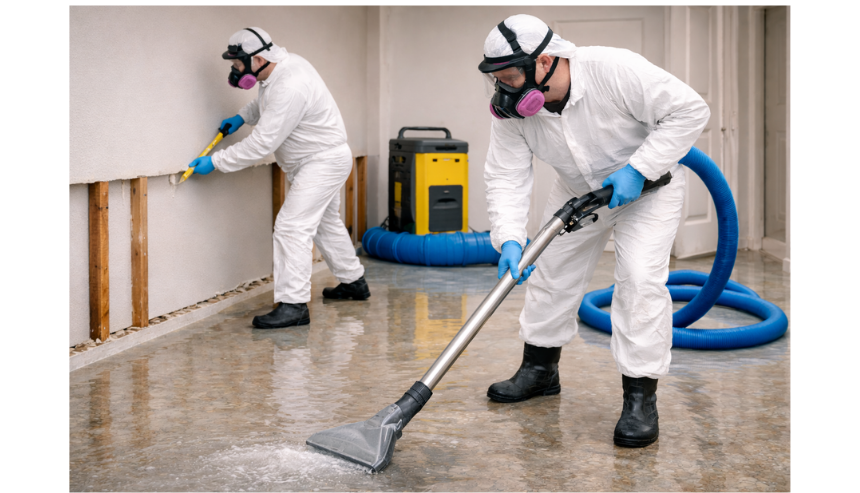
Why Professional Sanitization is Mandatory
For Category 2 and 3 situations, simple mopping is not enough. Here is why professional water damage restoration is essential:
- Industrial Extraction & Drying: Professionals use high-powered vacuums and industrial-grade dehumidifiers that reach moisture trapped deep inside wall cavities and subfloors that standard shop-vacs can’t touch.
- Specialized Antimicrobials: Technicians use EPA-approved, hospital-grade disinfectants and antimicrobial solutions to neutralize bacteria and stop mold in its tracks.
- Hazardous Material Handling: In Category 3 cases, porous materials like carpet, padding, and even drywall are often unsalvageable and must be removed using strict containment protocols to prevent airborne pathogens from spreading.
- Advanced Technology: Experts use thermal imaging and moisture meters to find “hidden” water behind walls, ensuring the home is truly dry and safe for 2026 living standards.

The 24-Hour Rule
Time is your biggest enemy. Within 48 hours, mold can begin to colonize, and “clean” water can become a hazardous biohazard. Prompt action not only saves your home’s structure but also protects your insurance claim, as many providers in 2026 require evidence that the homeowner took reasonable steps to mitigate the damage immediately.
If you’re facing water damage, don’t guess at the category. Protecting your family’s health starts with a professional assessment.