PuroClean of Rocklin — 2351 Sunset Blvd, Suite 170-323, Rocklin, CA 95765
Sheridan is a small, unincorporated agricultural community in northwestern Placer County, positioned along the Union Pacific Railroad corridor and State Route 65 between Lincoln to the south and Wheatland in Yuba County to the north. Sitting at an elevation of roughly 100 to 200 feet above sea level, Sheridan occupies the flat to gently rolling terrain of the Sacramento Valley’s eastern edge — a landscape defined by grain fields, irrigated pasture, walnut and almond orchards, and the kind of working agricultural properties that have anchored this corridor since the late 19th century. Sheridan Road, Dowd Road, and Fiddyment Road form the community’s primary land grid, with residential clusters concentrated near the Sheridan town center along Sheridan Road at its intersection with Baseline Road. The town’s historic Southern Pacific railroad depot, though no longer in active use, remains a physical marker of the community’s origins as a railroad and agricultural service stop established in the 1860s.
Sheridan’s property damage profile is shaped by its valley floor position and its agricultural character in ways that differ meaningfully from the foothill communities to the east. Homes here tend to be older — many were built in the mid-20th century on concrete slab or raised perimeter foundations, with plumbing systems that reflect that era’s materials and standards. Unlike foothill communities with granite substrate drainage challenges, Sheridan sits on the deep alluvial soils of the Sacramento Valley, which hold and transmit water horizontally across large areas when saturated during winter storm seasons. Irrigation infrastructure — ditches, laterals, and flood-irrigation systems managed through local water districts — crosses and borders many Sheridan-area properties and can become a source of unintended water intrusion during high-flow periods. Agricultural outbuildings, equipment storage structures, and older residential rentals on farm parcels represent a segment of the local built environment that frequently accumulates deferred maintenance and moisture damage without regular professional attention.
PuroClean of Rocklin responds to the full range of residential and property damage events across Sheridan, including:
From our base at 2351 Sunset Blvd in Rocklin, Sheridan is approximately 18 to 22 miles northwest, with a typical drive time of 25 to 35 minutes under normal conditions. The primary routing takes us northbound on State Route 65 from Rocklin through Lincoln and continuing north on SR-65 past the Lincoln city limits to the Sheridan Road interchange, where we exit and head west into the Sheridan community. SR-65 is a four-lane divided highway between Rocklin and Lincoln that carries us efficiently through the suburban and agricultural transition zone before delivering us to Sheridan’s rural corridor.
From the Sheridan Road exit off SR-65, routing depends on the property’s specific location within the community. The town center and the residential properties closest to the historic Sheridan Road corridor are immediately accessible from the exit. Properties on Dowd Road, Fiddyment Road north of Lincoln, and the agricultural parcels that extend west and north of town require a short secondary drive from the main intersection. For properties near the Placer–Yuba county line along the northern edge of the Sheridan service area, routing continues north on SR-65 before turning onto the appropriate cross street.
SR-65 between Rocklin and Sheridan is one of the more direct routes in our service area — largely flat, well-maintained, and free of the two-lane mountain highway conditions that complicate response times to eastern foothill communities. During peak morning commute hours, SR-65 south of Lincoln can experience congestion near the Twelve Bridges Drive and Ferrari Ranch Road interchanges, and our dispatch team accounts for this in routing decisions on early-morning emergency calls. All service vehicles deploy fully equipped from Rocklin with no intermediate staging stops required for any Sheridan address.
Sheridan’s valley floor position creates an environmental and weather profile that differs fundamentally from the foothill communities to the east in this service area. The absence of granite substrate, canyon drainage, or significant elevation-driven precipitation gradients does not mean lower property damage risk — it means a different set of risk factors, each tied directly to the community’s agricultural setting and its position in the Sacramento Valley’s weather and hydrology.
Sacramento Valley atmospheric river flooding and sheet flow: Sheridan sits in the path of the Sacramento Valley’s winter storm systems with none of the topographic relief that causes foothill properties to drain quickly after rain events. When atmospheric river systems deliver sustained heavy rainfall to the valley floor — events that are increasing in frequency and intensity — the deep alluvial soils of Placer County’s northwestern corner saturate relatively quickly, and water then moves as sheet flow across flat agricultural terrain. Properties in low-lying areas and those adjacent to irrigation ditches and laterals managed by Placer County Water Agency or local reclamation districts face the combined effect of direct precipitation and irrigation system overflow during high-flow storm periods. The Bear River, which forms part of the northern boundary of this area before emptying into the Feather River, has historically contributed to flooding in the broader Sheridan–Wheatland corridor during major storm years, affecting properties near its floodplain margins.
High water table and seasonal groundwater rise: Unlike the foothill communities in this service area, Sheridan’s alluvial soils support a relatively shallow groundwater table that rises significantly during wet seasons. Properties with older crawl space foundations — common in Sheridan’s mid-century residential stock — can experience groundwater infiltration through foundation vents and stemwall gaps when the water table rises following extended wet periods. This is distinct from surface flood intrusion: it is subsurface moisture that moves upward and laterally through soil, enters the crawl space, and begins saturating wood framing from below. Homeowners often interpret the resulting musty odor and soft floor spots as unrelated problems rather than recognizing them as symptoms of a groundwater intrusion event requiring professional structural drying and mold assessment.
Tule fog, sustained humidity, and HVAC stress: The Sacramento Valley’s characteristic tule fog — dense ground-level fog that forms during cold, clear winter nights when radiative cooling drops surface temperatures below the dew point — is a persistent winter feature in the Sheridan area. Extended tule fog periods lasting days or weeks maintain high ambient humidity levels that stress building envelopes, particularly in older Sheridan homes with limited insulation and single-pane windows where condensation forms on interior surfaces and migrates into wall assemblies. Combined with the seasonal high water table, these sustained humidity conditions make Sheridan’s older residential stock particularly susceptible to hidden wall cavity mold that develops slowly and without visible symptoms until it reaches significant colonization levels.
Owned & Operated by Mike McIntire
2351 Sunset Blvd, Rocklin, CA, 95765
(916) 409-6911
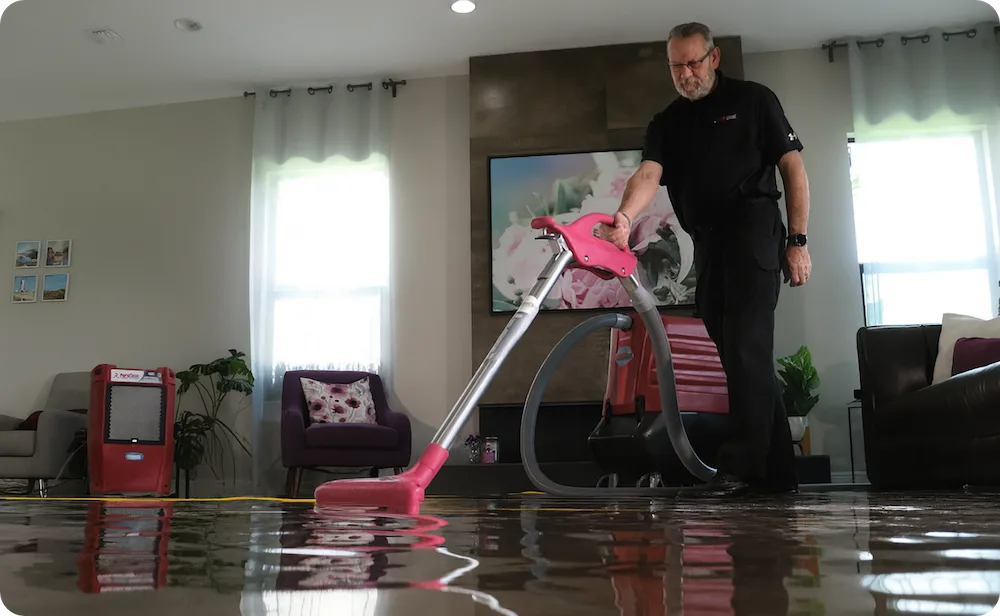
Water damage can result from unexpected leaks, flooding from storms, plumbing failures, or appliance malfunctions. Our certified teams focus on rapid water removal, drying, and stabilization to help prevent further damage and mold growth.
 Explore Our Water Damage Mitigation Services
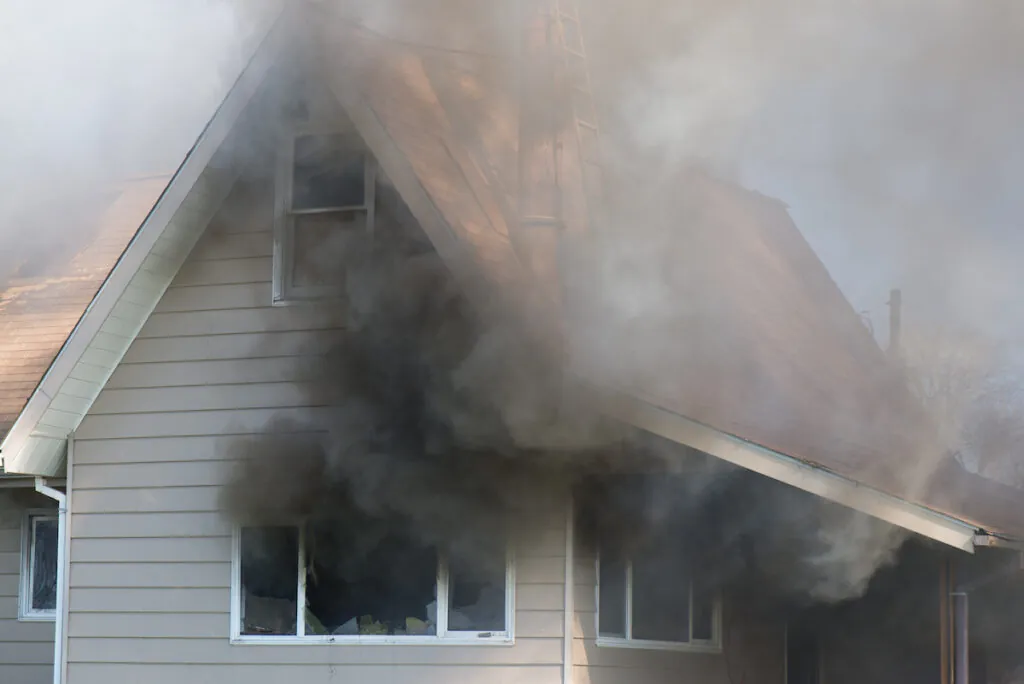
Even after a fire is extinguished, smoke, soot, and odor can continue to affect your home. Fire damage restoration services address visible damage while also helping reduce lingering effects that impact indoor air quality and surfaces.
Explore Our Fire and Smoke Damage Restoration Services
Mold often develops as a result of unresolved moisture or hidden water damage. Professional mold remediation helps identify affected areas, contain growth, and restore healthy indoor conditions.
Explore Our Mold Removal and Remediation Services
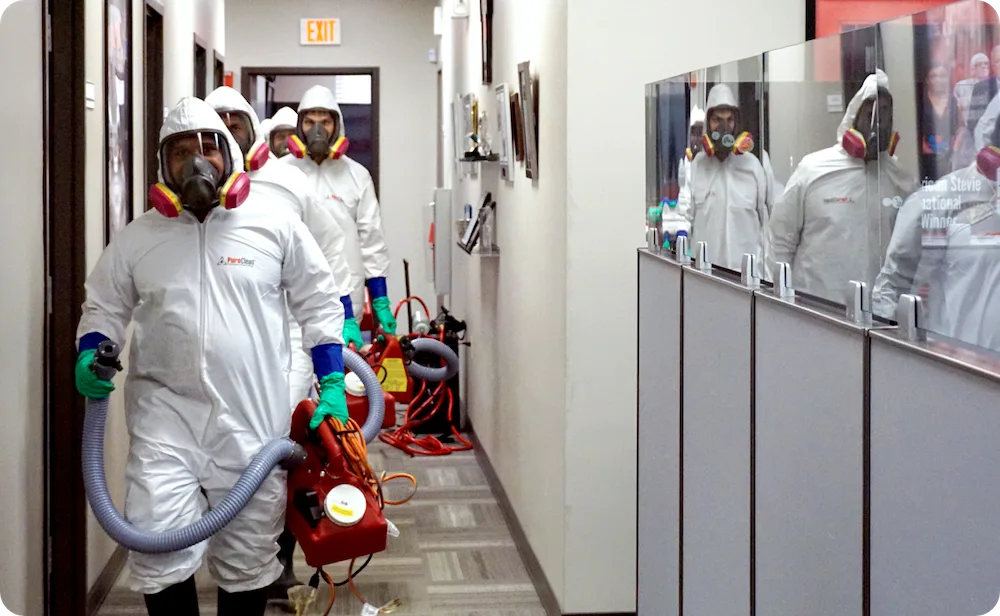
Biohazard situations, including crime scene cleanup and virus decontamination, require specialized cleaning and handling to protect health and safety. Biohazard cleanup services address contamination using proper protocols and professional care.
Explore Our Biohazard Cleanup Services
Expert commercial water damage restoration for Rocklin, CA businesses. PuroClean of Rocklin provides rapid water extraction, structural drying, and damage
Explore Our Commercial Water Damage Restoration in Rocklin, CA Services
Certified commercial mold remediation and prevention for Rocklin, CA businesses. PuroClean of Rocklin provides mold assessment, contained removal, and mold cleanup
Explore Our Commercial Mold Remediation in Rocklin, CA Services
Professional commercial fire and smoke damage restoration for Rocklin, CA businesses. PuroClean of Rocklin provides fire damage cleanup, smoke odor removal,
Explore Our Commercial Fire Damage Restoration in Rocklin, CA Services
Licensed commercial biohazard cleanup and decontamination for Rocklin, CA businesses. PuroClean of Rocklin provides biohazard remediation, trauma scene
Explore Our Commercial Biohazard Cleanup in Rocklin, CA Services
Water damage can result from unexpected leaks, flooding from storms, plumbing failures, or appliance malfunctions. Our certified teams focus on rapid water removal, drying, and stabilization to help prevent further damage and mold growth.
Explore Our Water Damage Mitigation Services
Common questions from Sheridan, CA property owners about water damage, mold, and restoration services.
Irrigation ditch overflow that floods a property is almost universally classified as surface water flooding under standard HO-3 homeowner’s policies — a categorical exclusion. Coverage for this type of event requires a separate NFIP flood policy or a private flood endorsement. Whether the managing water district bears any liability for the overflow depends on the specific circumstances, maintenance history of the ditch, and applicable California water law — a question for your attorney rather than your insurance agent. We document the water’s entry pathway, volume indicators, and all affected materials thoroughly to support whatever coverage review, claim, or legal process follows the event.
A persistent musty odor without visible mold in a Sheridan valley floor home is a strong indicator of mold colonization inside wall cavities, beneath flooring, or in the crawl space — areas where the combination of seasonal groundwater rise, aging foundation seals, and tule fog humidity creates ideal conditions for hidden fungal growth. Our assessment uses thermal imaging cameras to identify anomalous moisture patterns behind walls and beneath floors, penetrating moisture meters to quantify moisture content in structural materials, and air sampling through an independent Indoor Environmental Professional to detect elevated spore counts before any visible colonization appears at the surface.
Under California Civil Code Section 1941.1, landlords are required to maintain rental properties in habitable condition, and a sewage backup — a Category 3 biohazard event under IICRC S500 — creates an immediate habitability failure that demands same-day response. Failure to respond promptly and document remediation thoroughly creates liability exposure for health consequences to tenants and potential rent withholding claims under California tenant remedies. We provide Xactimate-documented scope of work and daily remediation logs that serve as the landlord’s record of timely, professional response — important protection if the event later becomes the subject of a tenant complaint or legal action.
Yes — in older Sheridan homes with limited insulation and single-pane windows, sustained tule fog humidity can drive condensation onto interior wall surfaces and into wall assemblies at levels sufficient to initiate mold colonization over a winter season. This mechanism is more common than most homeowners expect and is distinct from a plumbing failure or flood event. The resulting mold typically develops in exterior wall cavities, behind window trim, and in unventilated cabinet spaces along exterior walls. A moisture and air quality assessment in late winter or early spring — after peak fog season — is a worthwhile step for owners of older valley floor homes in this area.
Unused agricultural structures in Sheridan’s valley floor environment are high-probability sites for mold colonization, rodent intrusion, and accumulated moisture damage in wood framing and roofing systems. Before converting any structure to habitable use, a professional assessment should include: thermal imaging and moisture meter readings throughout the floor, wall, and roof assemblies; air sampling for mold spore concentrations; inspection of any existing plumbing for corrosion and pressure integrity; and evaluation of the foundation for moisture infiltration pathways from the seasonal high water table. California habitability standards under Civil Code Section 1941.1 apply to any dwelling unit offered for rent regardless of its original agricultural classification.
What Our Customers Say:
When you need water damage restoration services near you, call the experts at PuroClean. We are here day or night, 24/7, to help remove any standing water quickly and begin your water restoration service. We monitor the drying process so you can rest assured that your property is dried thoroughly. We offer commercial water restoration services for businesses and residential water damage restoration for homeowners.

PuroClean of Rocklin
(916) 409-6911
2351 Sunset Blvd, Suite 170 - 323, Rocklin, CA 95765

© 2026 PuroClean. All Rights Reserved.