 PuroClean of Lansdale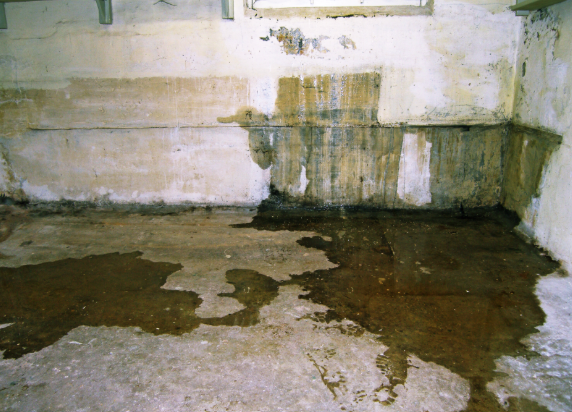
Table of Contents
Water seeping through floor is almost always caused by hydrostatic pressure, foundation cracks, poor drainage, plumbing leaks, a high water table, or a failing sump pump. In Pennsylvania, where clay-heavy soil and seasonal storms are common, floor seepage can escalate from a damp patch to serious structural damage within days. If you notice any moisture coming up through your floor; act immediately. The longer it sits, the more costly the repair.
Why Pennsylvania Homes Are Especially Vulnerable
If you live in Montgomery County, Schwenksville, Lansdale, or surrounding areas, you already know how unpredictable the weather can be. Spring snowmelt, summer thunderstorms, and the region’s naturally clay-dense soil create a near-perfect environment for groundwater to accumulate around your home’s foundation.
Clay soil doesn’t drain efficiently. When it gets saturated; and it gets saturated fast around here; it holds water against your foundation walls and slab like a sponge that never fully dries out. That sustained pressure is the leading reason homeowners in PA find themselves staring at water on their floors with no obvious source.
Understanding why it’s happening is the first step toward fixing it for good.
Cause 1: Hydrostatic Pressure Beneath Your Foundation
This is the most common culprit; and the one most homeowners don’t expect.
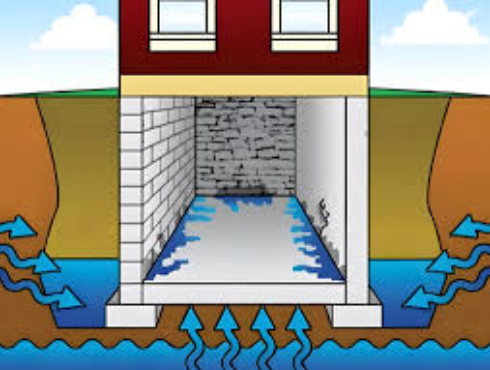
When the ground around and beneath your home becomes saturated; from rain, snowmelt, or a naturally high water table; it exerts significant pressure on your concrete foundation. That pressure, called hydrostatic pressure, doesn’t knock politely. It pushes water through every microscopic pore, hairline crack, and weak joint in your slab.
Concrete looks solid, but it’s actually porous at a microscopic level. Under enough pressure, water will find a path through.
You’ll often notice this type of seepage in the basement, especially after a heavy rainstorm or a prolonged wet season. The floor may feel damp even when there’s no visible puddle. In more severe cases, you’ll see actual water pooling along the seams where the floor meets the wall.
What helps: Interior drainage systems, sump pump installation, and exterior waterproofing can all manage hydrostatic pressure effectively. Surface sealants alone won’t fix this; they only address the symptom, not the source.
For guidance on what happens in the first 24 hours after water intrusion, this resource on water damage remediation steps in the first 24 hours is a solid starting point.
Cause 2: Foundation or Slab Cracks
Over time, the soil beneath your home shifts. Temperature fluctuations cause concrete to expand and contract through every season. The result? Cracks; sometimes hairline-thin, sometimes wider; that open up pathways for water to enter.
Foundation cracks can appear in the floor slab, the basement walls, or both. A crack in the floor is particularly concerning because hydrostatic pressure from below will push water upward right through it.
The key thing to know: not all cracks look dramatic. Some of the most serious ones are barely visible to the naked eye but allow consistent moisture intrusion that damages flooring, subfloors, and eventually your home’s structural integrity.
What helps: Professional epoxy injection seals smaller cracks effectively. Larger structural cracks may require reinforcement. Either way, this is not a DIY-grade fix. An improperly patched crack will simply allow water to find the next weak point.
If you’ve already seen your hardwood or laminate lifting, you’ll want to read about how to fix warped wood floors from water and understand what comes next.
Cause 3: A Hidden Plumbing Leak
Not all floor seepage comes from outside. Sometimes the culprit is a pipe running beneath your slab that has developed a slow leak over months or even years.
These leaks are tricky because you won’t see an obvious burst pipe or dripping fixture. What you might notice instead is an unexplained spike in your water bill, reduced water pressure, or a warm spot on the floor (common with leaking radiant heating pipes). In some cases, you’ll just find a wet patch and no logical explanation for it.
Here’s a quick test: Turn off every water source in your home. Note the reading on your water meter. Wait three hours without using any water; then check the meter again. If it moved, you have a leak.
What helps: Call a licensed plumber to perform a leak detection inspection. Advanced techniques like camera inspections and acoustic detection can locate the problem without ripping up your entire floor.
Cause 4: Poor Exterior Drainage
Your home’s drainage system is its first line of defense against water intrusion. When gutters are clogged, downspouts discharge water too close to the foundation, or the grading around your home slopes toward the house instead of away from it; water accumulates right where you don’t want it.
This is a very common issue in older Montgomery County neighborhoods where landscaping has shifted over decades or original drainage systems have aged out.
Over time, that pooling water saturates the soil around the foundation, increases hydrostatic pressure, and eventually finds its way in.
What helps: Clean your gutters at least twice a year. Extend downspouts so they discharge at least 6 feet from the house. Have a landscaping professional re-grade the soil around your foundation if needed. French drains are also highly effective for homes in low-lying areas.
Cause 5: A Failing or Overwhelmed Sump Pump
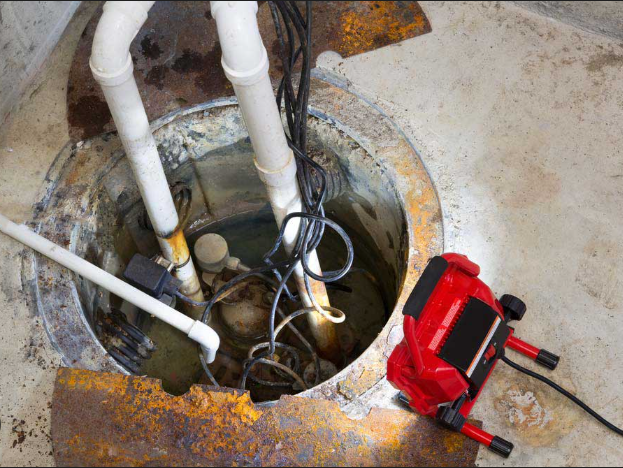
If your home has a sump pump; which it should, especially in this region; that pump is working hard to remove groundwater before it becomes a problem. But sump pumps don’t last forever. Most have a lifespan of 7 to 10 years, and during a heavy storm, even a functioning pump can become overwhelmed by the sheer volume of incoming water.
A power outage during a storm is one of the most common reasons sump pumps fail at the worst possible time.
What helps: Test your sump pump seasonally by pouring a bucket of water into the pit and confirming it activates. Consider installing a battery backup system or a secondary pump for redundancy. If your pump is more than 8 years old, replacement may be smarter than waiting for it to fail.
You can learn more about the broader effects of flood damage in Willow Grove and how quickly a sump failure can escalate.
Cause 6: A High Water Table
In certain areas of Pennsylvania, the water table; the level at which underground soil is fully saturated; sits naturally close to the surface. After a wet season or sustained rainfall, it rises even further.
When the water table rises to or above your foundation’s depth, hydrostatic pressure increases dramatically. Water doesn’t need a crack or a plumbing failure to come in. It simply pushes up through the porous concrete itself.
This is particularly common in low-lying neighborhoods, areas near streams, or properties that were built in flood-adjacent zones.
What helps: This is a longer-term waterproofing challenge. Interior drainage systems paired with a high-capacity sump pump are typically the most reliable solution. Exterior waterproofing coatings applied to the foundation can add another layer of protection.
For homeowners dealing with recurring basement moisture, our resource on water in your basement after rain; who to call in Montgomery County covers what steps to take next.
Cause 7: Leaking In-Floor Heating Systems
Homes with radiant in-floor heating systems have pipes running either through a concrete slab or just beneath the flooring surface. When those pipes develop even a minor leak, the water seeps directly into the surrounding floor material and eventually rises to the surface.
This cause is harder to diagnose because the leak is entirely hidden. Your water meter will likely show usage even when all visible fixtures are off; that’s one of the clearest tell-tale signs.
What helps: A flooring contractor or HVAC specialist can use infrared thermal cameras to scan the floor and pinpoint the leak without destructive investigation. Once located, the pipe can be repaired and the affected area dried and treated.
Warning Signs You Should Never Ignore
Even if you’re not sure which cause applies to your home, there are some universal warning signs that mean water seeping through your floor is already underway:
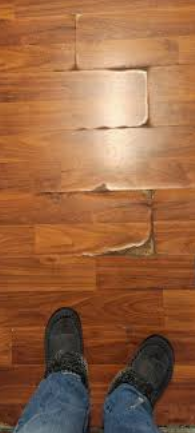
Warped or buckled flooring: Wood and laminate floors that suddenly develop bumps, gaps, or lifting edges are often responding to moisture below the surface.
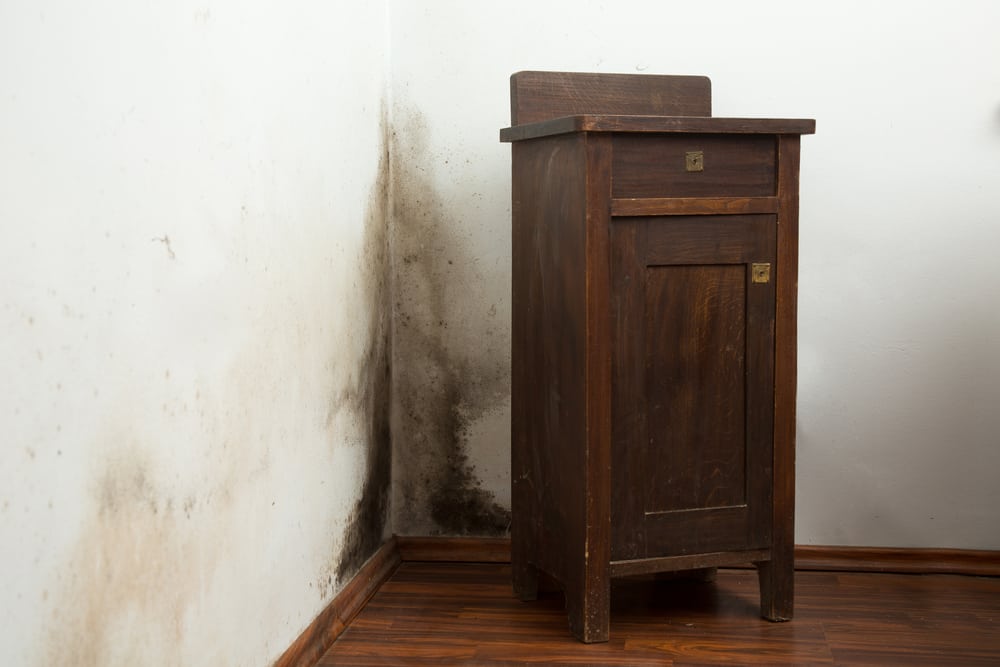
Musty smell: That earthy, damp smell isn’t just unpleasant. It’s a strong indicator of active moisture and early-stage mold growth.
White chalky stains on concrete: This is called efflorescence; mineral deposits left behind when water moves through concrete and evaporates. It’s a reliable sign of ongoing seepage.
Discoloration or dark patches: Staining on concrete or tile floors can indicate moisture traveling upward.
Sponginess underfoot: If your floor feels soft or springy in areas where it didn’t before, the subfloor may already be absorbing water.
Check out our blog on signs of hidden water damage in Montgomery County to learn what else might be lurking behind your walls and floors.
What to Do Right Now If You See Water Coming Up
If you’ve just discovered water coming up through your floor, here’s what to do before you call anyone:
First: Don’t ignore it. Even a small wet spot can signal a larger ongoing issue.
Second: Check for electrical hazards. If there’s any standing water near outlets, breaker panels, or appliances, cut power to that area of the home before entering it.
Third: Identify the water source if possible. Is it near a plumbing fixture? Is it after heavy rain? Has your sump pump been making unusual noises?
Fourth: Document everything with photos and video. This is critical if you plan to file a water damage restoration insurance claim.
Fifth: Remove any valuables, furniture, or items sitting on the wet floor to prevent additional damage.
Sixth: Begin ventilating the area. Open windows if weather permits, and run fans and a dehumidifier to slow moisture spread.
Seventh: Call a water damage restoration service provider. The sooner a trained professional assesses the situation, the better your outcome; and the lower the final cost.
When to Call a Professional Water Damage Restoration Service
Some water issues can be managed with DIY measures for a short time; a minor drip, a small damp patch, a slow drain. But water seeping through your floor is rarely a minor issue. Here’s when you should stop troubleshooting on your own and pick up the phone:
- You see water actively pooling and spreading
- The wet area is growing over time
- You notice a persistent musty smell even after drying
- Your flooring is warped, lifting, or discolored
- You’ve experienced a recent flood, burst pipe, or heavy storm event
- Your sump pump has failed or your basement has flooded before
Waiting even 24 to 48 hours can allow mold to begin growing in wet porous materials like carpet, drywall, and wood subfloors. At that point, a water damage situation becomes a mold remediation situation; and the costs and timeline increase significantly.
You can also explore water damage restoration costs in Montgomery County, PA to get a clearer picture of what’s involved financially.
How PuroClean of Lansdale Can Help
PuroClean of Lansdale has been serving homeowners across Schwenksville, Lansdale, Horsham, Blue Bell, North Wales, Willow Grove, and all of Montgomery County with professional, compassionate, and responsive water damage restoration services.
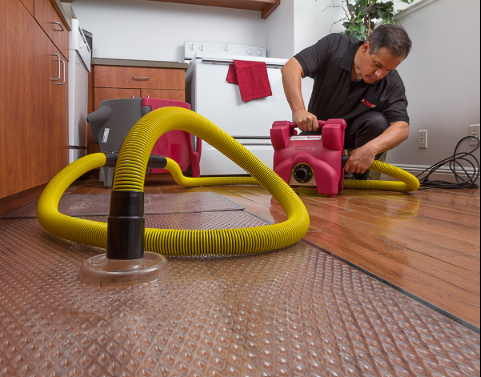
When water is seeping through your floor, the team responds quickly; arriving with professional-grade equipment designed to extract water, dry structural materials, and prevent secondary damage like mold growth. The goal is always to restore your home to its pre-loss condition as efficiently as possible.
PuroClean also offers Insurance Assistance through their Certified Priority Response (CPR) Program, which is designed to reduce your claim costs and simplify the restoration process. Their team works directly with insurance carriers including Nationwide, Encompass, Crawford Contractor Connection, and others; so you’re not navigating the process alone.
Services include Water and Flood Restoration, Environmental Hazard Remediation, Mold Remediation, Storm Damage Restoration, Reconstruction Services, and 24/7 Emergency Response.
You can also read verified Google Reviews and get directions here to see what Montgomery County homeowners are saying.
Follow PuroClean of Lansdale on Instagram, Facebook, LinkedIn, and X (Twitter) for tips, updates, and emergency alerts.
📍 2033 Lucon Rd, Bldg. Rear, Schwenksville, PA 19473
Conclusion
Water seeping through your floor is never “just a little moisture.” It’s your home communicating that something beneath the surface needs attention; right now.
The good news is that every cause covered in this guide has a solution. The faster you act, the more of your home you’ll protect; and the more money you’ll save down the road.
So here’s something worth thinking about: When was the last time you had your foundation, drainage system, and sump pump inspected? For most homeowners in Montgomery County, the honest answer is “not recently enough.” Don’t wait for a wet floor to remind you.

 PuroClean of Lansdale