


Table of Contents
Smart home devices can help prevent fire and flood damage by detecting leaks, smoke, carbon monoxide, rising temperatures, and unsafe appliance use before a small issue becomes a major disaster. The best protection comes from using connected devices together, such as water leak detectors, smart smoke alarms, carbon monoxide alarms, oven shut-off devices, and smart outlets.
For homeowners in Sterling, VA, these devices can provide faster alerts, reduce damage, and make it easier to respond when you are home or away.
What Are Smart Home Safety Devices?
Smart home safety devices are connected tools that monitor your home for risks and send alerts to your phone, tablet, or security system. Many use Wi-Fi, Bluetooth, sensors, or app-based controls to notify you when something needs attention.
These devices do not replace regular maintenance, working smoke alarms, or emergency services. However, they can give you earlier warnings and help reduce the chance of serious fire damage, water damage, or mold growth after a leak.
Best Smart Home Devices for Fire and Flood Prevention
The most useful smart home devices for property protection are the ones that detect problems early and help you take action quickly.
| Device Type | What It Detects or Controls | Best Location | Main Benefit |
|---|---|---|---|
| Water leak detectors | Leaks and moisture | Sinks, toilets, water heaters, basements | Helps prevent major water damage |
| Smart smoke alarms | Smoke and fire warning signs | Bedrooms, hallways, living areas | Sends alerts even when you are away |
| Carbon monoxide alarms | Carbon monoxide gas | Near sleeping areas and fuel-burning appliances | Helps detect a dangerous invisible gas |
| Smart fire detectors | Rapid heat rise or high temperature | Kitchens, garages, utility areas | Adds fire detection beyond smoke alarms |
| Smart oven shut-off devices | Unattended cooking | Kitchen | Helps reduce cooking-related fire risk |
| Smart outlets | Appliance power use | Lamps, small appliances, electronics | Allows remote shut-off from an app |
1. Install Smart Water Leak Detectors
Smart water leak detectors are small devices placed near plumbing fixtures, appliances, and areas where leaks are more likely. If water is detected, the device can sound an alarm and send an alert to your smartphone.
Good locations include:
- Under sinks
- Behind toilets
- Near washing machines
- Around water heaters
- Near dishwashers
- In basements
- Around sump pumps
- Near HVAC units
Some systems can connect to a smart water shut-off valve, which can automatically stop water flow when a leak is detected. This can be especially helpful if you travel often or spend long hours away from home.
2. Use Smart Smoke Alarms and Carbon Monoxide Alarms
Smart smoke alarms send phone alerts when they detect smoke, low batteries, or system issues. This is useful because a traditional alarm only helps if someone is close enough to hear it.
Carbon monoxide alarms are also important because carbon monoxide is colorless and odorless. Homes with gas appliances, fireplaces, attached garages, or fuel-burning equipment should have working CO detection.
For stronger protection:
- Place alarms near sleeping areas
- Install alarms on every level of the home
- Test alarms regularly
- Replace batteries or units as recommended
- Connect devices to a monitored security system when possible
Some smart smoke detectors can also connect to HVAC systems and help limit smoke movement through the home.
3. Add Smart Fire Detectors for Heat Monitoring
Smart fire detectors monitor heat instead of only detecting smoke. These devices can alert you when the temperature rises quickly or reaches a dangerous level.
They are useful in areas where smoke alarms may not be ideal, such as:
- Garages
- Kitchens
- Utility rooms
- Workshops
- Mechanical rooms
A combination of smoke detection, heat detection, and carbon monoxide detection gives your home better overall fire protection.
4. Upgrade Traditional Alarms With Smart Batteries
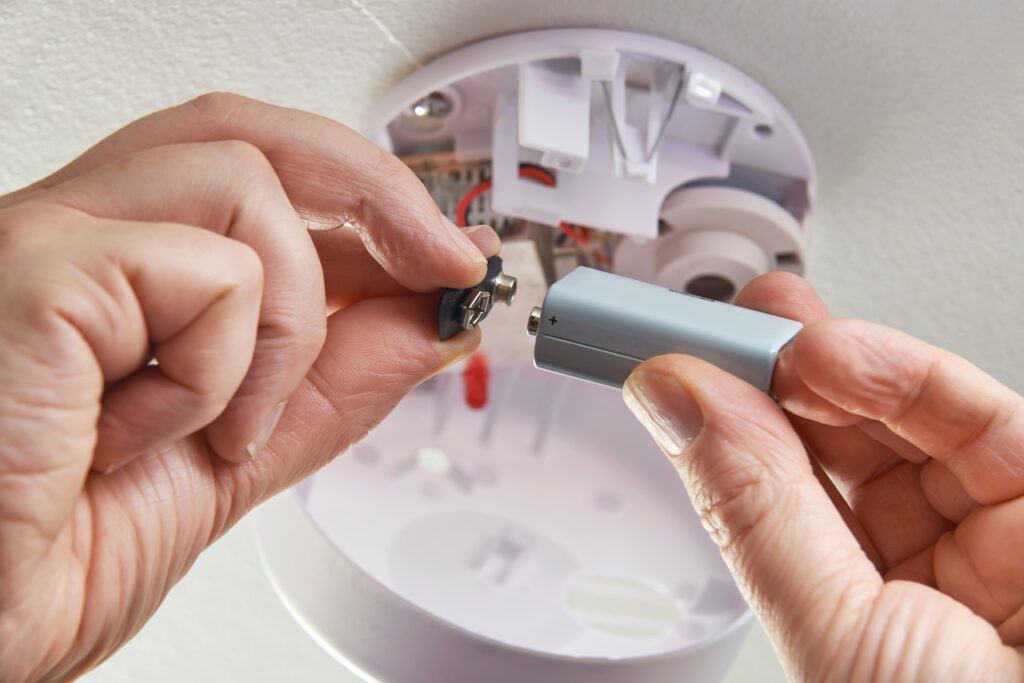
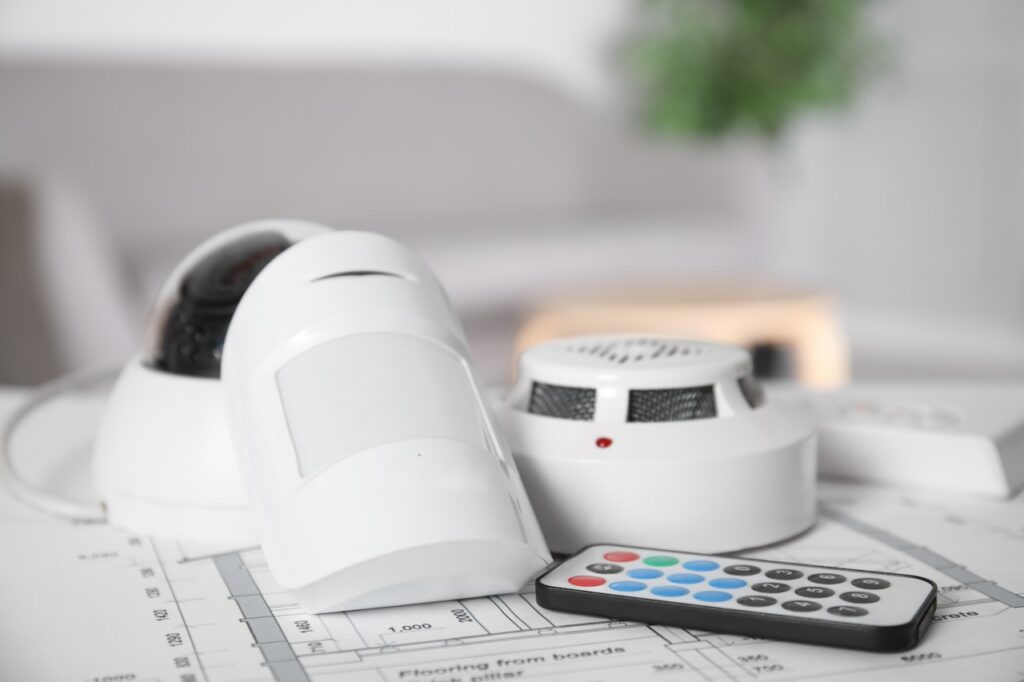
For optimal security, use smart batteries (L) in your smart home fire and smoke detectors (R).
If you are not ready to replace your existing smoke or CO alarms, smart batteries can be a simple upgrade. These batteries can send alerts when an alarm sounds or when the battery is low.
This can help avoid one of the most common safety issues: alarms that stop working because the battery has died or was removed.
Smart batteries may be useful for:
- Existing smoke alarms
- Existing carbon monoxide alarms
- Fire detectors
- Rental properties
- Older homes with standard alarms
Always confirm compatibility before installing smart batteries in your current devices.
5. Use Smart Oven Shut-Off Devices
Cooking is one of the most common causes of home fire incidents, especially when food is left unattended. A smart oven shut-off device helps reduce this risk by turning off the stove or oven when no movement is detected for a set period.
These devices may come as:
- Smart stove knobs
- Motion-based kitchen sensors
- Cabinet-installed shut-off systems
- App-connected oven controls
This type of device is especially helpful for busy households, older adults, or anyone who wants an added layer of kitchen fire prevention.
6. Install Smart Outlets for Remote Appliance Control
Smart outlets allow you to turn off connected devices from your phone. They can also work with voice assistants such as Google Home or Amazon Alexa.
Smart outlets are useful for:
- Lamps
- Coffee makers
- Small kitchen appliances
- Space heaters, when used according to safety instructions
- Electronics
- Holiday lights
They are not a substitute for safe appliance use, but they can help if you leave home and want to check whether something is still powered on.
How to Build a Smart Home Fire and Flood Prevention Plan
The best smart home setup is not about buying every device. It is about placing the right devices in the highest-risk areas of your home.
Start with this simple plan:
- Identify the biggest risks in your home, such as old plumbing, an unfinished basement, or frequent cooking.
- Install water leak detectors near plumbing and appliances.
- Add smart smoke alarms and carbon monoxide alarms on every level.
- Use smart fire detectors in higher-risk heat areas.
- Add a smart water shut-off valve if your home has frequent leak concerns.
- Use smart outlets for appliances you may forget to turn off.
- Test devices regularly and keep apps, batteries, and Wi-Fi connections updated.
Smart devices work best when they are maintained. A disconnected device, dead battery, or outdated app can limit protection.
FAQs About Smart Home Devices for Fire and Flood Prevention
Do smart home devices prevent water damage?
Smart home devices can help reduce water damage by detecting leaks early and sending alerts before the problem spreads. Some systems can also shut off the water automatically when connected to a smart shut-off valve.
Are smart smoke detectors better than regular smoke alarms?
Smart smoke detectors offer added convenience because they can send alerts to your phone, even when you are not home. However, they should still be installed, tested, and replaced according to safety guidelines.
Where should I place smart water leak detectors?
Place smart water leak detectors near sinks, toilets, washing machines, water heaters, dishwashers, sump pumps, and basements. Any area with plumbing or a history of moisture is a good location.
Can smart outlets prevent fires?
Smart outlets can help reduce risk by letting you turn off certain devices remotely. They should still be used with proper electrical safety, and they should not be overloaded or used with appliances that exceed the outlet’s rating.
What should I do if a smart device alerts me to a leak or fire?
Take the alert seriously. Check the area only if it is safe, shut off water or power if appropriate, call emergency services when needed, and contact a restoration professional if your property has water, smoke, fire, or mold damage.
Call PuroClean for Fire or Water Damage Restoration in Sterling, VA
A smart home system can help you catch problems early, but fire and flood damage can still happen. If your home or business experiences water damage, smoke damage, fire damage, mold concerns, or emergency property damage, PuroClean is ready to help.
PuroClean provides professional restoration services for homeowners and businesses in Sterling, VA and nearby communities. For emergency property restoration support, call PuroClean today at (703) 579-8912.
Final Summary: Smart Home Devices for Fire and Flood Protection
- Smart home devices can help detect leaks, smoke, carbon monoxide, heat, and appliance risks.
- Water leak detectors are useful near plumbing fixtures, appliances, basements, and water heaters.
- Smart smoke alarms and carbon monoxide alarms provide alerts even when you are away.
- Smart fire detectors add heat-based protection in kitchens, garages, and utility spaces.
- Smart oven shut-off devices can help reduce the risk of unattended cooking fires.
- Smart outlets allow remote control of small appliances and electronics.
- If damage occurs, contact PuroClean in Sterling, VA for professional fire, water, mold, and property restoration services.