


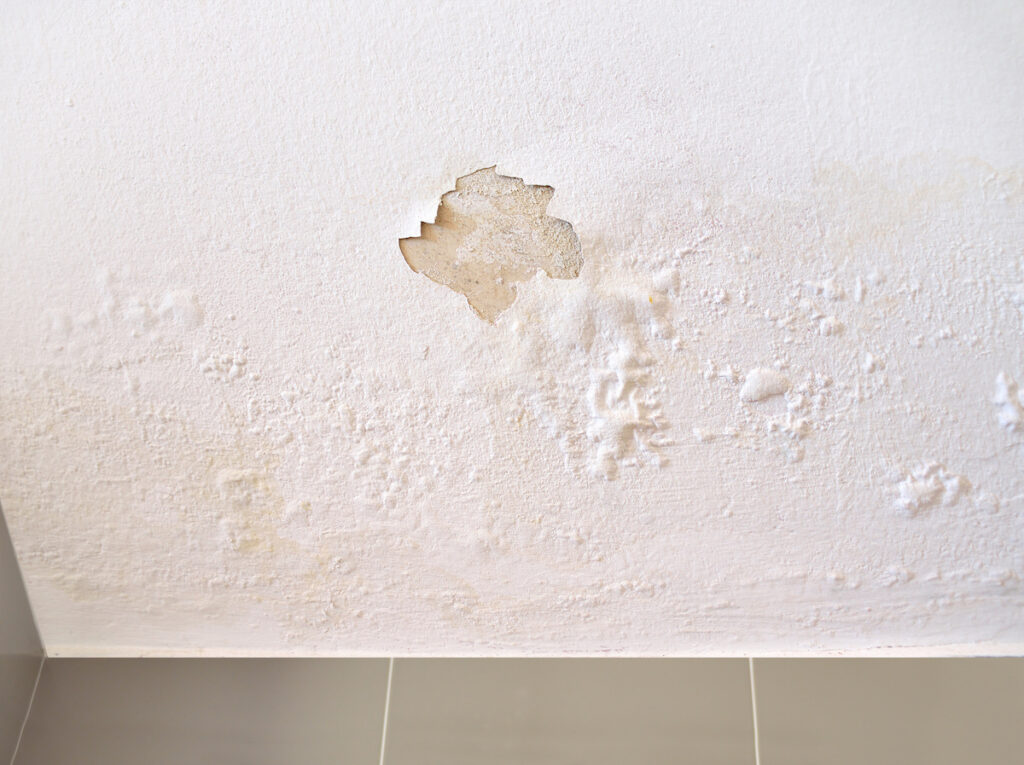
Can water-damaged drywall be repaired, or does it need to be replaced? The answer depends on the source of the water, how long the drywall remained wet, whether contamination or mold is present, and whether the material has lost its structural integrity. Drywall exposed briefly to clean water may sometimes be dried and preserved. However, drywall that is swollen, crumbling, contaminated, or affected by significant mold growth often requires removal and replacement.
For homeowners in Port Charlotte, Florida, drywall water damage can result from burst pipes, appliance failures, roof leaks, air-conditioning condensation, and storm-related flooding. Southwest Florida’s warm, humid climate can also make it challenging to dry moisture trapped behind walls, baseboards, and insulation.
This guide explains how to recognize water-damaged drywall, determine when it can be saved, understand the professional drying and restoration process, and identify situations that require immediate attention.
Water-Damaged Drywall Repair: Quick Answers
| Homeowner Question | Quick Answer |
|---|---|
| Can wet drywall be saved? | Sometimes, if the water was clean, exposure was limited, and the material can be thoroughly dried without losing integrity. |
| When should drywall be replaced? | Replacement is often needed when drywall is crumbling, swollen, sagging, contaminated, or significantly affected by mold. |
| How quickly should wet drywall be addressed? | Immediately. The EPA recommends drying wet materials within 24–48 hours when possible to help prevent mold growth. |
| Can you paint over water stains? | Only after the water source has been corrected, the material is dry, and any contamination or deterioration has been addressed. |
| Can mold grow behind drywall? | Yes. Hidden mold may develop on drywall backing, insulation, framing, and other materials exposed to persistent moisture. |
| Should a homeowner remove damaged drywall? | Minor cosmetic repairs may be suitable for DIY work after drying. Contaminated materials, electrical hazards, extensive damage, or suspected asbestos require professional evaluation. |
What Are the Signs of Water-Damaged Drywall?
Water damage is not always obvious. A plumbing leak inside a wall cavity may remain hidden until the drywall begins to discolor, soften, or change shape.
Common warning signs include:
- Brown or yellow water stains: Discolored patches may indicate a current or previous leak.
- Soft or swollen drywall: Gypsum board may become spongy, distorted, or weak after absorbing moisture.
- Peeling or bubbling paint: Moisture can interfere with paint adhesion and cause surface finishes to blister.
- Loose drywall tape: Joint tape and compound may separate when exposed to prolonged moisture.
- Musty odors: Persistent odors can indicate hidden moisture or possible microbial growth.
- Visible mold-like growth: Dark, greenish, or irregular discoloration may require further evaluation.
- Sagging ceilings: Water-soaked ceiling drywall may become heavy and unstable.
- Damp baseboards or flooring: Moisture traveling through walls may also affect adjacent flooring and trim.
A water stain alone does not establish whether drywall must be replaced. The source of the moisture, condition of the material, and extent of hidden damage should be investigated before repairs begin.
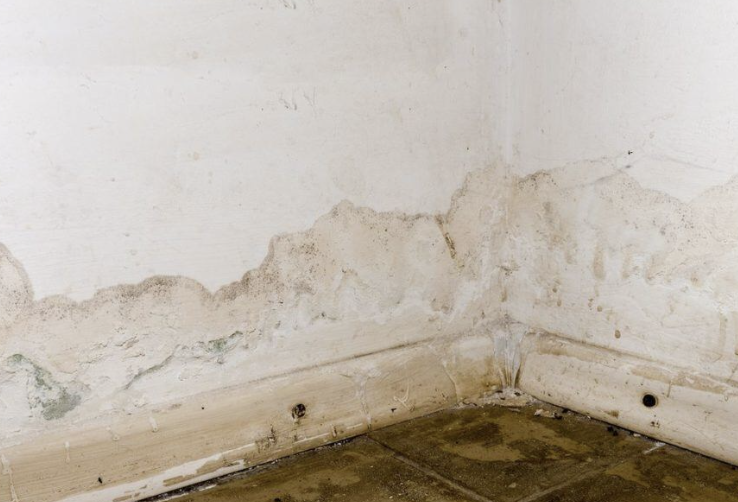
Can Water-Damaged Drywall Be Repaired Instead of Replaced?
Water-damaged drywall can sometimes be repaired without replacement when the water source is clean, the material remains structurally sound, and professional drying confirms that excess moisture has been removed. Drywall that has lost its integrity or has been exposed to contaminated water generally requires a different approach.
The following comparison provides general guidance. Actual repair decisions should be based on site conditions rather than appearance alone.
| Drywall Condition | Likely Approach | Important Consideration |
|---|---|---|
| Minor stain; drywall is dry and intact | Repair and repaint may be possible | Confirm the leak is resolved before covering the stain. |
| Brief exposure to clean water | Drying in place may be possible | Verify moisture levels and inspect affected cavities. |
| Swollen, sagging, or crumbling drywall | Replacement is often necessary | The material may no longer be suitable for finishing or reuse. |
| Sewage or floodwater contamination | Professional cleanup and removal of affected porous materials | Contaminated water introduces additional health and safety concerns. |
| Significant mold contamination | Professional remediation; removal may be necessary | Porous materials can be difficult to clean completely. |
| Repeated leaks or suspected hidden moisture | Further investigation before repair | Cosmetic repairs can conceal an unresolved moisture source. |
The EPA explains that absorbent or porous materials affected by mold may need to be discarded because mold can penetrate spaces that are difficult to clean thoroughly. [1]
What Causes Drywall Water Damage in Port Charlotte Homes?
Port Charlotte properties can experience water intrusion from several sources. Identifying the cause matters because the appropriate cleanup method depends partly on the type of water and how it entered the structure.
Broken Pipes and Plumbing Leaks
A leaking supply line, failed plumbing connection, or burst pipe can release water into cabinets and concealed wall cavities. By the time a stain appears, water may have traveled well beyond the original leak.
If plumbing failure is suspected, review our guide to the first steps after a burst pipe in Port Charlotte.
Roof Leaks and Ceiling Water Damage
Roof damage, flashing problems, and wind-driven rain can allow moisture to reach attic insulation, ceiling drywall, and interior walls. Water may follow framing members before appearing as stains in an unexpected location.
Learn how to distinguish a roof leak, AC problem, or plumbing leak behind a ceiling water stain.
Air-Conditioning Condensation and Drain Problems
Air-conditioning systems operate extensively in Southwest Florida. Blocked condensate drains, overflowing drain pans, and condensation around poorly insulated components can expose nearby drywall to moisture.
Appliance Leaks
Dishwashers, refrigerators, washing machines, and water heaters can leak into adjacent cabinets, flooring, and walls. Even relatively small leaks can cause damage when they remain unnoticed.
Storm-Related Flooding
Heavy rainfall and tropical storms can introduce water through building openings or create flooding around a property. When drywall is exposed to floodwater, contamination becomes an important consideration. The CDC recommends removing and discarding drywall and insulation contaminated by sewage or floodwater. [3]
What Should You Do Immediately After Discovering Wet Drywall?
Prioritize safety, stop the water source when possible, document the damage, and arrange for appropriate drying and restoration. Do not begin cutting into walls or removing electrical components before potential hazards have been evaluated.
- Check for immediate hazards. Avoid standing water near electrical equipment, damaged wiring, or unstable building materials. Do not enter an area beneath a visibly sagging, water-loaded ceiling.
- Stop the water source if safe. Shut off the appropriate plumbing supply valve when accessible. Do not climb onto a damaged roof or enter floodwater to perform repairs.
- Document affected materials. Photograph wet walls, ceilings, flooring, cabinets, and visible water levels when safe to do so.
- Protect unaffected belongings. Move dry furniture and valuables away from the damaged area when safe.
- Avoid disturbing suspected mold or hazardous materials. Extensive demolition can release dust and contaminants into occupied areas.
- Arrange professional evaluation when needed. Significant water intrusion, concealed moisture, sewage contamination, and extensive material damage may require specialized restoration.
For a broader emergency checklist, read What to Do During the First 24 Hours After Water Damage in Port Charlotte.
How Do Professionals Repair Water-Damaged Drywall?
Professional drywall restoration begins with identifying the moisture source and determining which materials can be safely dried and which may require removal. The process varies according to the extent of the damage and whether contamination is present.
Step 1: Identify the Water Source
The first priority is correcting the plumbing leak, roof intrusion, appliance failure, or other condition responsible for the damage. Drywall repairs completed before the source is addressed may be damaged again.
Step 2: Evaluate Moisture and Material Conditions
Restoration professionals may use moisture meters and other appropriate detection methods to assess affected drywall, baseboards, insulation, flooring, and nearby structural materials. Moisture may be present even when a painted surface feels dry.
Step 3: Determine Whether Drywall Can Be Saved
If the drywall remains intact and has experienced limited exposure to clean water, drying in place may be considered. Severely deteriorated, contaminated, or mold-affected materials may require removal.
There is no universal rule requiring every water-damaged wall to be cut at a particular height. Removal decisions should reflect the extent of moisture migration, contamination, material condition, and repair requirements.
Step 4: Remove Unsalvageable Materials When Necessary
When removal is necessary, damaged drywall and other affected porous materials may be taken out using appropriate safety and containment procedures. Concealed spaces and insulation can then be evaluated.
Older structures may contain building materials that require special precautions. Suspected asbestos-containing materials and other regulated hazards should be evaluated before disturbance.
Step 5: Dry the Affected Structure
Professional drying may involve commercial dehumidifiers, air-moving equipment, moisture monitoring, and controlled environmental conditions. The objective is to reduce excess moisture in affected materials and surrounding spaces.
In Port Charlotte’s humid climate, opening windows is not always the best drying strategy. Outdoor humidity, indoor conditions, and the type of water damage must be considered. Drying equipment should be used appropriately, particularly when suspected mold contamination is present.
Step 6: Restore the Wall After Drying
Once the moisture source has been corrected, affected materials have been appropriately cleaned or removed, and drying has been confirmed, reconstruction can proceed.
Depending on the project, repairs may involve installing replacement drywall, taping seams, applying joint compound, matching wall texture, priming, and painting. Associated trim, insulation, or finishes may also require attention.
For assistance with the water mitigation and structural drying stages, explore our professional water damage restoration services.
How Long Does Water-Damaged Drywall Take to Dry?
There is no single drying time that applies to every water-damaged wall. Drying depends on the amount of moisture, how long the material was wet, whether insulation or wall cavities were affected, indoor environmental conditions, and the effectiveness of the drying process.
The EPA recommends drying wet materials within 24–48 hours when possible to help prevent mold growth. This is a recommended response window, not a guarantee that every wall will be fully dry within two days. [1][2]
Some materials may require additional drying time or replacement. A professional may monitor moisture measurements over time to help determine when affected materials are ready for repairs.
Can Mold Develop Behind Water-Damaged Drywall?
Yes. Mold may grow on the back of drywall, paper facing, insulation, framing, and other materials when moisture remains present. Visible staining is not always a reliable indicator of the full extent of a concealed moisture problem.
The EPA identifies the back of drywall, wallpaper, and enclosed wall areas near leaking pipes as potential locations for hidden mold. Investigating these areas may require caution because disturbing affected materials can release spores. [1]
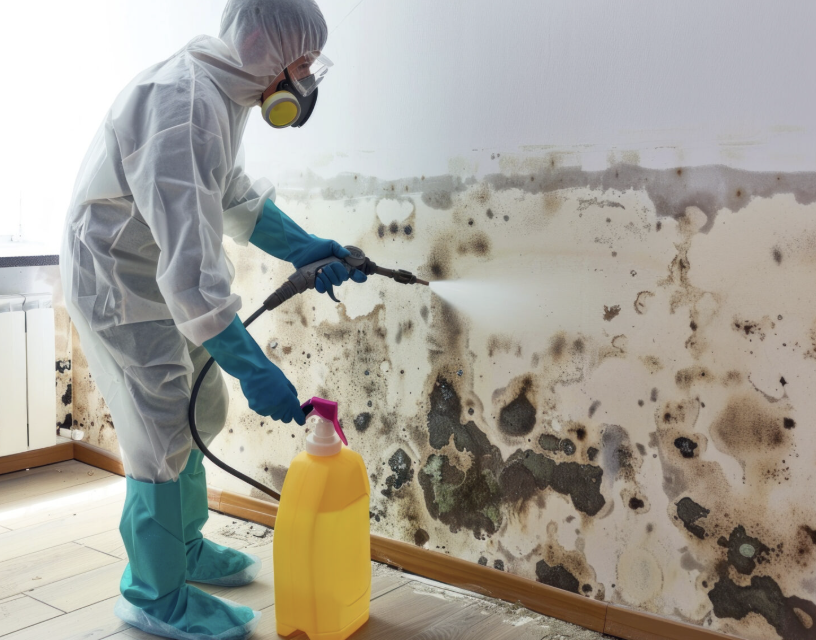
Painting over suspected mold, applying household chemicals, or spraying a wall without addressing the moisture source is not a substitute for appropriate remediation. The EPA emphasizes correcting the water problem and removing mold contamination rather than merely covering affected surfaces. [1]
For properties with significant or concealed mold contamination, learn more about professional mold remediation in Port Charlotte, FL.
Can You Repair Water-Damaged Drywall Yourself?
Minor cosmetic repairs may be reasonable for homeowners when the water source has been corrected, the drywall is completely dry, the material remains sound, and no contamination or safety hazards are present.
For example, a small water stain from a previously repaired clean-water leak may only require surface preparation, an appropriate stain-blocking primer, and repainting after the wall has been confirmed dry.
However, DIY drywall removal is not appropriate for every situation.
- Electrical exposure: Water near outlets, wiring, or electrical panels requires appropriate safety precautions and potentially a qualified electrician.
- Contaminated water: Sewage backups and flooding can introduce biological contaminants requiring specialized cleanup.
- Suspected mold: Extensive growth or mold hidden inside wall cavities may require professional remediation.
- Ceiling instability: Sagging, water-loaded ceiling drywall can present a falling-material hazard.
- Older building materials: Suspected asbestos-containing materials and other hazards should be assessed before demolition.
- Concealed moisture: Drying the visible surface does not necessarily mean the insulation, framing, or adjacent flooring is dry.
Do not use ozone generators as a routine solution for mold or water-damage odors. The EPA warns that ozone can harm respiratory health and is generally ineffective at concentrations considered safe for occupied spaces. [4]
How Much Does Water-Damaged Drywall Repair Cost in Port Charlotte?
The cost of water-damaged drywall repair depends on whether the work involves a minor cosmetic repair, professional structural drying, contaminated-material removal, or more extensive reconstruction. A reliable estimate requires understanding both the visible damage and any hidden moisture conditions.
The following factors can significantly affect the total project cost:
- Size of the affected area: A small wall repair generally involves less work than damage extending across multiple rooms.
- Water source: Clean plumbing water and contaminated floodwater may require different cleanup procedures.
- Duration of exposure: Materials exposed to prolonged moisture may be more difficult to preserve.
- Hidden damage: Wet insulation, cabinetry, framing, or flooring can expand the restoration scope.
- Drying requirements: Equipment, monitoring, and the duration of professional drying affect costs.
- Mold contamination: Additional evaluation, containment, and remediation may be necessary.
- Repair complexity: Ceiling height, wall texture, paint matching, trim, and finishing requirements influence reconstruction costs.
What Is Included in a Professional Estimate?
Depending on the circumstances, an estimate may distinguish water extraction, moisture assessment, structural drying, removal of damaged materials, cleaning, and reconstruction. Not every restoration company performs every stage of reconstruction, so homeowners should confirm the scope of services before work begins.
For Port Charlotte homeowners, the most useful estimate identifies the affected materials, explains the proposed restoration approach, and distinguishes necessary mitigation from optional cosmetic improvements.
Does Homeowners Insurance Cover Water-Damaged Drywall?
Homeowners insurance may cover certain sudden and accidental water losses, but coverage depends on the cause of the damage and the specific policy. Long-term leaks, maintenance-related problems, and flooding may be treated differently from a sudden plumbing failure.
Most standard homeowners insurance policies do not cover damage caused by flooding. Flood coverage typically requires a separate flood insurance policy. The National Flood Insurance Program provides information about the distinction between ordinary homeowners coverage and flood insurance. [5]
After discovering water-damaged drywall:
- Document the damage with photographs and notes when safe.
- Take reasonable steps to prevent additional damage without exposing yourself to hazards.
- Contact your insurance company to report the loss and understand applicable requirements.
- Keep records of relevant cleanup expenses, professional assessments, and repairs.
- Review your policy’s coverage, exclusions, deductibles, and claim procedures.
PuroClean of Venice provides restoration services; insurance coverage and claim decisions are determined by the applicable policy and insurer. Homeowners should consult their insurance carrier or qualified insurance professional for coverage questions.
Why Prompt Drywall Water Damage Restoration Matters in Southwest Florida
Port Charlotte homes are exposed to environmental conditions that make moisture control especially important. Heavy seasonal rainfall, tropical weather, persistent humidity, and extensive air-conditioning use can contribute to water intrusion or condensation-related problems.
Water may travel beneath baseboards, behind cabinets, into insulation, or through wall cavities before visible damage becomes apparent. In homes with slab foundations, moisture may also affect flooring materials and adjoining walls.
Even after standing water is removed, hidden moisture can remain. This is why water damage restoration involves more than surface cleanup.
Homeowners dealing with moisture near floors may also benefit from our guide to water trapped beneath vinyl plank flooring.
Frequently Asked Questions About Water-Damaged Drywall
1. Can Water-Damaged Drywall Be Saved?
Yes, some water-damaged drywall can be saved if it was exposed to clean water, remains structurally sound, and can be thoroughly dried. Drywall that is crumbling, contaminated, or significantly mold-affected often requires replacement.
2. How Do You Know Whether Wet Drywall Needs Replacing?
Swelling, sagging, softness, crumbling, persistent moisture, and contamination are warning signs that replacement may be necessary. The final decision should consider the water source and condition of concealed materials.
3. How Long Does Water-Damaged Drywall Take to Dry?
Drying time varies according to the amount of water, duration of exposure, affected materials, humidity, and drying methods. The EPA recommends beginning drying promptly and addressing wet materials within 24–48 hours when possible, but complete drying can take longer.
4. Can Mold Grow Behind Drywall After a Plumbing Leak?
Yes. Persistent moisture from plumbing leaks can support mold growth on drywall backing, insulation, and other concealed materials. Musty odors or recurring stains may warrant further investigation even when visible damage appears limited.
5. Should Drywall Be Replaced After a Roof Leak?
Not always. Replacement depends on the extent of moisture exposure, material condition, contamination, and whether the drywall can be adequately dried. Sagging or severely deteriorated ceiling drywall requires particular caution.
6. Can You Paint Over Water-Damaged Drywall?
Painting may be appropriate after the leak has been repaired, the drywall is dry and structurally sound, and any contamination has been addressed. Painting over active moisture or mold can conceal the problem without resolving it.
7. Does Homeowners Insurance Pay for Drywall Water Damage?
It may, depending on the cause of the damage and policy terms. Sudden accidental plumbing losses may be treated differently from long-term leakage or flooding. Most standard homeowners policies exclude flooding, which generally requires separate coverage.
8. How Much Does Professional Drywall Water Damage Repair Cost?
Costs vary depending on the damaged area, moisture conditions, contamination, drying needs, demolition requirements, and finishing work. A site-specific assessment is the most reliable way to determine the necessary scope and obtain an accurate estimate.
Related Water Damage and Mold Resources for Port Charlotte Homeowners
Explore these additional resources from PuroClean of Venice to better understand common water intrusion problems, hidden damage, and restoration options.
The First 24 Hours After Water Damage in Port Charlotte
Learn which actions to prioritize after discovering a leak or flooding, including safety precautions, documentation, and arranging professional cleanup.
Burst Pipe in Port Charlotte? First Steps for Homeowners
Understand how to respond to a broken water line, reduce additional damage, and recognize when professional water extraction may be necessary.
Ceiling Water Stains: Roof Leak, AC, or Plumbing?
Discover common sources of ceiling moisture and why identifying the underlying cause matters before repairing stained drywall.
Water Under Vinyl Plank Flooring: Warning Signs
Learn how moisture can become trapped beneath flooring after plumbing leaks and why surrounding materials may also need attention.
Emergency Water Damage Extraction in Port Charlotte
Explore the role of prompt water removal, moisture detection, and structural drying in limiting additional property damage.
Black Mold in the Attic: What Port Charlotte Homeowners Should Know
Understand how roof leaks, condensation, and moisture exposure can contribute to suspected attic mold and when professional evaluation may be appropriate.
Need Help With Water-Damaged Drywall in Port Charlotte, FL?
Water-damaged drywall can conceal moisture behind painted surfaces, insulation, baseboards, and wall cavities. Identifying the water source and determining which materials can be safely dried are important steps before repairs begin.
PuroClean of Venice provides professional water damage restoration, water extraction, and structural drying for homeowners and businesses in Port Charlotte and surrounding Southwest Florida communities.
Whether you’re dealing with a plumbing leak, storm-related water intrusion, damaged ceiling drywall, or suspected hidden moisture, our team can help you discuss the next steps for your property.
Call (941) 294-0404 or contact PuroClean of Venice online.
References
The following authoritative resources provide additional information about water damage, moisture control, mold cleanup, restoration safety, and flood insurance.
- U.S. Environmental Protection Agency. A Brief Guide to Mold, Moisture and Your Home. Guidance on moisture control, mold prevention, hidden mold, and cleanup.
- U.S. Environmental Protection Agency. Water Damage Table: Cleanup and Mold Prevention. Recommendations for responding to clean-water damage affecting building materials.
- Centers for Disease Control and Prevention. Guidelines for Cleaning Safely After a Disaster. Safety considerations for contaminated water, damaged building materials, and post-disaster cleanup.
- U.S. Environmental Protection Agency. Ozone Generators That Are Sold as Air Cleaners. Information about ozone exposure, health risks, and limitations of ozone-generating equipment.
- National Flood Insurance Program. Flood Insurance Policy Terms and Coverage. General information about flood insurance and coverage for flood-related property damage.
Editorial note: This article provides general homeowner information and does not replace a property-specific restoration assessment, electrical or environmental safety evaluation, or professional insurance advice. Cleanup methods and repair requirements depend on actual site conditions.