24/7 Emergency Mold Remediation Port Charlotte Services in Venice
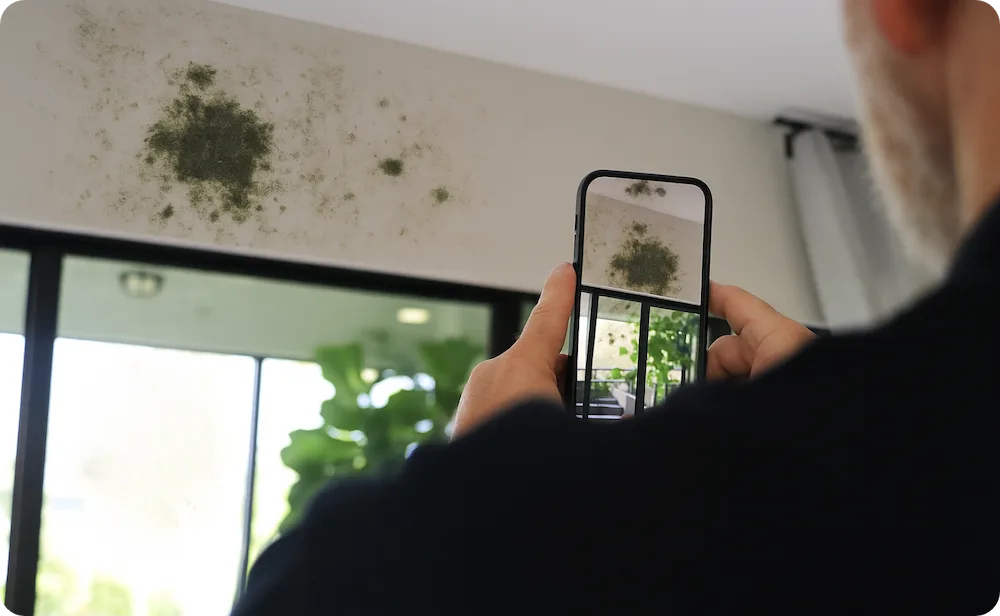
You notice a musty smell coming from the kitchen cabinets. Maybe dark spots have appeared on bathroom drywall, a ceiling stain keeps returning, or a home inspector has found suspected mold behind a wall.
Sometimes the source is obvious: a roof leak, broken supply line, or overflowing air-conditioning condensate drain. Other times, the visible growth is only one indication of moisture that has remained concealed inside building materials.
PuroClean of Venice provides professional mold remediation and removal in Port Charlotte, Florida, helping homeowners address mold contamination affecting drywall, cabinetry, flooring assemblies, attics, ceilings, and other building materials.
Our mold remediation services focus on evaluating the affected materials, performing appropriate containment, cleaning or removing contaminated components, and coordinating the correction of moisture conditions that contributed to the problem.
Removing visible mold without addressing its moisture source may allow the problem to return. That’s why professional remediation involves more than spraying a product onto a stained surface or painting over discoloration.
Whether you’ve discovered mold after water damage or noticed recurring growth in a room, call (941) 294-0404 to discuss your Port Charlotte property and appropriate next steps.
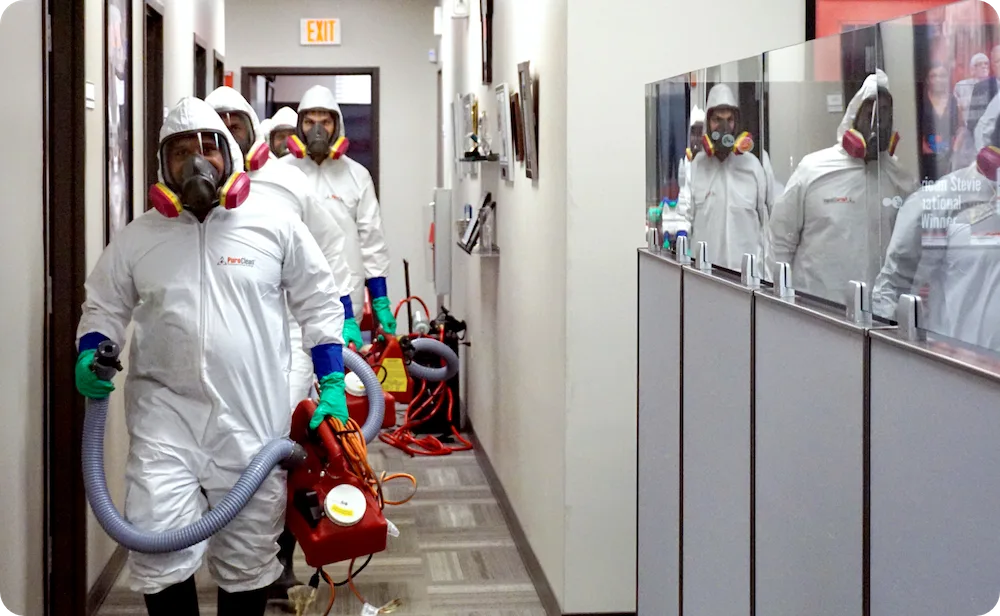
Professional mold remediation involves establishing the affected area, controlling the movement of contamination, cleaning or removing mold-affected materials, and addressing the conditions that allowed mold to grow.
Every property is different. Mold on an accessible section of wood framing may require a different approach from contamination inside several wall cavities or beneath water-damaged flooring.
The appropriate work depends on the materials, extent of contamination, moisture conditions, accessibility, and any established assessment or remediation protocol.
Not every mold problem requires extensive demolition, multiple containment areas, or removal of every material that became damp.
The goal is to address the actual contamination while avoiding both unnecessary removal and incomplete cleanup.
Before approving a remediation project, homeowners should understand which areas are included, which materials will be cleaned or removed, how unaffected spaces will be protected, and what repairs remain outside the scope.
A written plan may identify containment requirements, cleaning methods, material removal, debris handling, moisture-related work, documentation, and any independent assessment or verification requirements.
It should also distinguish mold remediation from reconstruction. Repairing drywall, replacing flooring, installing insulation, or fixing the original plumbing failure may involve separate work.
Common signs include visible mold-like growth, persistent musty odors, recurring discoloration, damp drywall, swollen baseboards, and evidence of previous water damage that may not have been completely dried.
Some mold problems are visible immediately. Others develop behind cabinets, inside walls, beneath flooring, or in attic spaces that homeowners rarely inspect.
Not every stain is mold. Water marks, dust, material aging, and other surface conditions can resemble microbial growth.
Likewise, the color of suspected mold cannot reliably identify its species or determine how harmful exposure may be to an individual.
If growth is extensive, continues returning, or appears to involve concealed materials, professional evaluation can help establish the appropriate response.
Mold can develop wherever susceptible materials remain damp. The location often provides clues about the underlying moisture problem, but it does not always identify the source.
For example, mold near the base of a kitchen cabinet may originate from a concealed plumbing leak, while discoloration on ceiling drywall could involve a roof leak, air-conditioning condensation, or another source of water intrusion.
Attic mold may affect plywood roof sheathing, rafters, framing, insulation, or the upper surface of ceiling materials.
Common contributing conditions include roof leaks, wind-driven rain, HVAC condensation, improper exhaust ventilation, and other moisture-related problems.
Some affected wood materials may be professionally cleaned and retained when they remain structurally suitable. Other materials, including certain contaminated insulation, may require removal.
For detailed attic-specific guidance, visit our flagship Attic Mold Removal & Remediation in Port Charlotte, FL service page.
Kitchen cabinets contain plumbing connections and often conceal supply lines or drain components behind stored household items.
Water from leaking sinks, dishwashers, or refrigerator supply lines may reach cabinet bases, toe-kick areas, adjacent drywall, and flooring.
If moisture remains trapped in wood-based materials, mold may develop even after the visible puddle has disappeared.
The appropriate cleanup depends on the materials affected, contamination, and whether damaged components can be adequately restored.
If the original problem is still an active water loss, learn more about our Kitchen Water Damage Cleanup in Port Charlotte services.
Bathrooms and laundry areas regularly experience moisture from showers, sinks, appliances, and plumbing systems.
Limited surface growth may be related to condensation or inadequate moisture management. Deteriorated drywall, swollen trim, or recurring mold around fixtures may indicate a leak or moisture problem requiring further investigation.
Before replacing finishes or repeatedly applying cleaning products, determine whether the moisture source has been corrected.
Water can travel behind drywall through plumbing leaks, roof intrusion, or other concealed pathways.
In some cases, mold may develop on the back of drywall or inside a wall cavity before significant discoloration appears in the living space.
Opening suspected contaminated wall cavities without an appropriate plan can disturb affected materials. Professional assessment and remediation planning may be necessary when the extent of hidden contamination is uncertain.
Water from plumbing failures, appliance leaks, or storm intrusion may reach flooring assemblies and the lower portions of walls.
Even when a finished floor appears dry, moisture may remain beneath some installations or inside adjoining materials.
Not every moisture problem indicates mold contamination, but recurring dampness or deterioration can warrant additional evaluation.
Port Charlotte’s warm climate, humid outdoor conditions, heavy seasonal rainfall, and extensive use of air-conditioning systems create important moisture-management considerations for homeowners.
However, living in Southwest Florida does not automatically mean a property will develop mold.
Mold problems generally develop when susceptible materials remain damp because of water intrusion, condensation, persistent humidity, or another unresolved moisture source.
| Moisture Source | Potentially Affected Materials | What to Investigate |
|---|---|---|
| Roof leaks | Attic framing, roof sheathing, insulation, ceilings. | Roofing defects, flashing, penetrations, and water intrusion. |
| Air-conditioning condensation | Air-handler closets, walls, ceilings, attic insulation. | Condensate drainage, duct insulation, and mechanical operation. |
| Plumbing leaks | Cabinets, drywall, flooring, and enclosed cavities. | Supply lines, drain connections, and concealed plumbing. |
| Storm-related water intrusion | Exterior walls, flooring, baseboards, and interior finishes. | Roof openings, exterior penetrations, and damaged building components. |
| Condensation and persistent humidity | Cold surfaces, closets, bathrooms, and poorly conditioned areas. | Humidity control, insulation, air movement, and surface temperatures. |
| Previous water damage | Building materials that were never adequately dried. | Concealed moisture and unresolved damage from earlier incidents. |
Air-conditioning equipment operates for much of the year in Port Charlotte.
A blocked condensate drain, leaking air-handler component, damaged duct insulation, or another HVAC-related problem can introduce moisture into surrounding building materials.
For example, an overflowing condensate drain may wet drywall or flooring near an air-handler closet before the problem becomes obvious.
A qualified HVAC professional should investigate and correct the equipment problem. Professional water damage mitigation or mold remediation may then be appropriate for affected building materials.
Some Port Charlotte homeowners spend extended periods away from their Florida properties.
If a roof, plumbing, or air-conditioning leak develops while a home is unoccupied, moisture may affect building materials for an unknown period before anyone discovers the problem.
Seasonal property monitoring, appropriate leak detection, and prompt investigation of unusual odors or staining can help identify moisture problems before they become more extensive.
Ordinary mold cleaning generally addresses limited surface growth, while professional mold remediation involves a defined approach to contamination, affected materials, containment, and moisture correction.
Small amounts of growth on accessible, nonporous surfaces may sometimes be handled through appropriate cleaning and correction of the moisture problem.
However, mold affecting drywall, insulation, concealed cavities, or larger areas can require more extensive procedures.
| Situation | Potentially Appropriate Approach |
|---|---|
| Limited growth on an accessible nonporous surface | Suitable cleaning and moisture correction may be sufficient when conditions permit. |
| Mold affecting drywall or insulation | Professional evaluation and potential removal of materials that cannot be adequately cleaned. |
| Growth repeatedly returns after cleaning | Investigate the moisture source and determine whether concealed materials are affected. |
| Suspected mold behind walls or cabinets | Determine the scope and establish a controlled approach before disturbing materials. |
| Extensive contamination after water damage | Professional remediation may involve containment, material removal, cleaning, and coordination with drying or repair work. |
Painting, fogging, or applying a chemical treatment should not automatically be treated as a substitute for removing contamination from unsuitable materials or addressing its moisture source.
Similarly, air purifiers may help reduce airborne particles in some circumstances, but they cannot remove mold growing inside drywall or repair a leaking pipe.
If you discover suspected mold, begin by avoiding unnecessary disturbance of the affected materials and checking for obvious moisture problems.
You do not need to identify the mold species yourself before taking sensible precautions.
Avoid spreading potentially contaminated dust through the home by opening walls or removing insulation without an appropriate plan.
If the problem began with a recent water loss and materials remain wet, our Water Damage Restoration services may also be relevant.
Mold exposure can cause allergic reactions and irritation in some people. Individuals with asthma, mold allergies, or weakened immune systems may have additional concerns.
However, finding suspected mold does not automatically establish that a home is unsafe or that a particular person’s symptoms were caused by mold.
Likewise, the appearance or color of a mold colony cannot determine its species or potential effects on an individual.
A mold remediation contractor evaluates and addresses building contamination. Medical concerns, symptoms, or diagnoses should be discussed with an appropriate healthcare professional.
The practical goal for property owners is to identify moisture problems, determine which building materials are contaminated, and arrange appropriate cleanup while limiting unnecessary exposure.
The cost of mold remediation in Port Charlotte depends on the size and location of the affected area, building materials involved, accessibility, containment requirements, and whether damaged materials must be removed.
For example, limited contamination on an accessible surface may require substantially less work than mold discovered inside multiple wall cavities or beneath cabinetry after a prolonged leak.
There is no reliable flat price for every mold remediation project. A useful estimate should reflect the actual conditions and clearly define the proposed work.
Before choosing a provider, ask whether the estimate includes containment, cleaning, removal, disposal, final cleanup, documentation, and any necessary moisture-related work.
Comparing written scopes is more useful than comparing two totals without knowing which services are included.
The timeline depends on the affected area, materials, containment requirements, accessibility, and any remaining moisture or repair issues.
A limited project may take less time than remediation involving multiple rooms, concealed contamination, material removal, and reconstruction.
Independent verification or repairs by other contractors can also affect the overall schedule.
Ask the contractor to distinguish the actual remediation period from the time needed to repair leaks, replace materials, or complete other restoration work.
Florida regulates certain professional mold assessment and mold remediation activities through the Department of Business and Professional Regulation (DBPR).
Under Chapter 468, Part XVI, Florida Statutes, regulated mold assessment and mold remediation are distinct professional activities with specific definitions, licensing requirements, restrictions, and exemptions.
Mold assessment may involve evaluating suspected contamination, determining the extent of affected materials, and developing a remediation protocol when appropriate.
Mold remediation involves performing the work necessary to address contamination, including cleaning, removal, containment, and related remediation activities.
Florida generally restricts regulated mold assessment and remediation activities from being performed by the same professional or company on the same structure within a 12-month period, subject to statutory exceptions.
Not every mold-related observation requires laboratory testing, and not every project requires the same assessment procedure. The applicable requirements depend on the nature and circumstances of the work.
Homeowners should verify applicable credentials, understand who is responsible for assessment and remediation, and ask whether independent verification is part of the project.
You can review licensing requirements and credential information through the Florida DBPR Mold-Related Services program.
Homeowners insurance may cover certain mold-related damage, but coverage depends on the source of the moisture, policy terms, exclusions, limits, and the circumstances of the loss.
Mold associated with a covered sudden plumbing loss may be evaluated differently from mold caused by gradual seepage, recurring humidity, or deferred maintenance.
Some policies contain specific limits or exclusions for mold-related testing, remediation, and repairs. Flood-related losses may involve separate insurance coverage.
Homeowners should not assume that every mold loss is covered or excluded without reviewing the applicable policy.
Notify your insurer promptly if you believe the loss may be covered. Do not delay necessary safety measures or reasonable steps to limit additional damage solely to gather photographs.
A remediation contractor can document observed conditions and work performed, but insurance coverage decisions are governed by the applicable policy and the insurer’s determination.
When mold appears inside your home, the most important decision is not simply which product to use on the visible growth.
It’s understanding what caused the moisture, which materials were affected, how contamination will be addressed, and what additional work may be necessary.
PuroClean of Venice is a locally operated property restoration company serving Port Charlotte and surrounding Southwest Florida communities. The business is led by owner John O’Grady and provides mold remediation alongside water damage and other property restoration services.
The company’s published qualifications include IICRC restoration training and Applied Mold Remediation Technician (AMRT) training. Applicable Florida licenses should be verified for the professionals responsible for regulated mold work.
Homeowners can learn more about the local team and its published restoration credentials on our About PuroClean of Venice page or read customer reviews.
For additional information about the communities we serve, visit our Port Charlotte service-area page.
While this page focuses primarily on residential mold remediation, PuroClean of Venice also provides commercial mold remediation services for businesses and property managers.
Commercial projects may involve additional requirements for work-area isolation, tenant communication, access restrictions, scheduling, and documentation.
For offices, retail spaces, multifamily properties, and other commercial environments, visit our Commercial Mold Remediation service page.
Mold removal refers to removing contamination from affected materials. Mold remediation is the broader process of evaluating the scope, controlling contamination, cleaning or removing affected materials, and coordinating correction of the moisture problem. The terms are often used interchangeably in everyday conversation.
Not always. When visible mold contamination is present, laboratory testing may not be necessary to establish that cleanup is needed. However, independent assessment may be appropriate when the extent of contamination is uncertain, concealed materials are involved, or a formal remediation protocol or verification is necessary.
Yes. Moisture can reach the back of drywall through plumbing leaks, roof intrusion, or water traveling inside wall cavities. Mold may develop on concealed surfaces before staining becomes visible in the finished room.
Some limited growth on accessible, nonporous surfaces may be suitable for appropriate cleaning after the moisture source has been corrected. Larger affected areas, contaminated porous materials, concealed cavities, and complex moisture problems may require professional remediation.
That depends on the location and extent of the work, containment requirements, access restrictions, and the occupants’ circumstances. Some projects may be isolated from occupied spaces, while others require additional precautions or temporary relocation. Discuss these considerations before work begins.
No, but new growth can develop if moisture conditions return. Correcting leaks, managing humidity, and maintaining the property are important because remediation does not prevent future water intrusion.
No. HEPA air purifiers can capture certain airborne particles, but they do not remove contamination growing on drywall, wood, or other building materials. A visible mold problem must be addressed at its source.
Timelines depend on the extent of contamination, materials involved, accessibility, containment requirements, moisture correction, and any independent verification or reconstruction. A defined project scope provides a more useful estimate than a fixed timeline for every property.
Coverage depends on the policy, the cause of the moisture, applicable exclusions, limits, and other circumstances. Certain mold losses associated with covered sudden water damage may be treated differently from problems caused by long-term seepage or ongoing humidity. Contact your insurance representative for a policy-specific explanation.
Yes. PuroClean of Venice provides professional mold remediation and removal services in Port Charlotte, Florida, and surrounding Southwest Florida communities. Call (941) 294-0404 to discuss the affected area and appropriate next steps.
Trying to determine whether mold is present, when testing is necessary, or how to prevent growth from returning? These guides from PuroClean of Venice provide additional information about mold, moisture, remediation decisions, and homeowner concerns.
Finding mold in your home can leave you uncertain about what needs to be removed, whether the problem extends behind walls, and how to prevent the same growth from returning.
The next step is understanding the affected materials, the moisture conditions involved, and what professional remediation may be appropriate.
PuroClean of Venice provides mold remediation and removal in Port Charlotte, Florida, helping homeowners address contamination affecting drywall, cabinetry, attics, flooring assemblies, ceilings, and other building materials.
Whether the issue followed a roof leak, plumbing failure, air-conditioning problem, or previous water damage, our team can discuss what you’ve discovered and help explain the appropriate next steps.
You don’t need to identify the mold species or determine how much material requires removal before reaching out. Tell us where the suspected growth is located, what you’ve noticed, and whether there has been a known moisture problem.
What Our Customers Say:
Find answers to common questions about our services
PuroClean of Venice offers a full suite of commercial restoration services, including water, fire, mold, biohazard, and storm damage recovery. We also provide emergency board-up, structural drying, and reconstruction services.
Our teams are equipped to manage both local and large-loss commercial projects with consistent quality, safety, and communication.
PuroClean of Venice regularly collaborates with insurance carriers, TPAs, and risk management teams to manage commercial property restoration claims. We provide detailed drying logs, scope documentation, and photo/video reporting for every project in Venice.
Our Certified Priority Response (CPR) Program ensures fast contact, on-site inspection within hours, and rapid reporting, meeting the timelines insurers and clients expect for large-scale commercial losses.
PuroClean of Venice handles nearly every commercial loss scenario, including commercial water damage restoration, fire and smoke damage, mold remediation, sewage cleanup, chemical spills, and biohazard decontamination.
We can also manage full reconstruction when structural repair is needed. Our national network allows us to scale from localized events to large-loss recovery, maintaining consistent quality and communication across every project.
Yes. Our commercial restoration services can be scheduled to accommodate any occupancy or business operation needs. Our top priority is always safety and excellent customer service, so you can count on PuroClean of Venice to work with your business to restore it to pre-loss conditions and help reduce business downtime.
The cost of commercial restoration depends on factors like the extent of damage, size, and complexity of the property, and whether reconstruction or contents cleaning is required. The category of water (clean vs. contaminated) and response time also impact cost.
PuroClean of Venice provides transparent estimates, detailed scopes, and proactive communication if additional work becomes necessary.
Water damage can result from unexpected leaks, flooding from storms, plumbing failures, or appliance malfunctions. Our certified teams focus on rapid water removal, drying, and stabilization to help prevent further damage and mold growth.
 Explore Our Water Damage Mitigation Services
Even after a fire is extinguished, smoke, soot, and odor can continue to affect your home. Fire damage restoration services address visible damage while also helping reduce lingering effects that impact indoor air quality and surfaces.
Explore Our Fire and Smoke Damage Restoration Services
Mold often develops as a result of unresolved moisture or hidden water damage. Professional mold remediation helps identify affected areas, contain growth, and restore healthy indoor conditions.
Explore Our Mold Removal and Remediation Services
Biohazard situations, including crime scene cleanup and virus decontamination, require specialized cleaning and handling to protect health and safety. Biohazard cleanup services address contamination using proper protocols and professional care.
Explore Our Biohazard Cleanup Services
When water reaches production gear, refrigeration, IT, or stock, every hour matters. PuroClean of Venice stabilizes the loss fast, documents asset impacts, and manages a staged return to use so operations can resume in phases—not all at once. Commercial water damage isn’t just structural—it’s the machinery, inventory, electrical systems, and data infrastructure at stake.
Explore Our Commercial Water Damage Restoration Services
When a fire impacts one suite, the entire building can be affected by smoke migration, access restrictions, and documentation needs across tenants, ownership, and insurance. PuroClean of Venice helps property managers coordinate phased commercial fire and smoke restoration so each tenant’s path to re-occupancy is clear and documented.
Explore Our Commercial Fire Damage Restoration Services
For operations leaders and property managers, mold is an indoor air and liability event—not a housekeeping issue. PuroClean of Venice supports containment-first remediation, moisture-source correction, and clearance documentation workflows so regulated or occupancy-critical areas can reopen with defensible records.
Explore Our Commercial Mold Remediation Services
For regulated and sensitive environments, biohazard cleanup is an access-controlled response with infection-control documentation—not routine janitorial cleaning. PuroClean of Venice supports property managers and compliance stakeholders with discreet containment, approved disinfectant workflows, and clear re-entry records.
Explore Our Commercial Biohazard Cleanup Services
Water damage can result from unexpected leaks, flooding from storms, plumbing failures, or appliance malfunctions. Our certified teams focus on rapid water removal, drying, and stabilization to help prevent further damage and mold growth.
Explore Our Water Damage Mitigation Services

PuroClean of Venice
(941) 294-0404
7027 Treadway Rd., Port Charlotte, FL 33981


© 2026 PuroClean. All Rights Reserved.