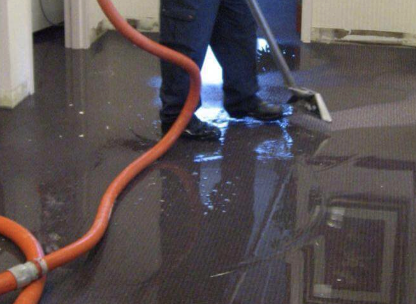
Water spreading across your floors, soaking into drywall, or collecting beneath kitchen cabinets is a problem that needs attention now. Whether the cause is a burst supply line, an overflowing appliance, a failed water heater, or heavy rain entering your home, the first priority is to stop the water safely and prevent additional damage.
For homeowners in Port Charlotte, Florida, emergency water extraction is especially important because Southwest Florida’s warm, humid conditions can make drying more difficult. Water that appears to be gone may still be trapped beneath flooring, behind baseboards, or inside wall cavities.
Professional emergency water extraction removes accumulated water and helps prepare affected materials for controlled structural drying. It is often the first step in restoring a home after significant water intrusion.
If your Port Charlotte home has standing water, saturated flooring, or water entering electrical areas, prioritize safety and request professional assistance. PuroClean of Venice serves Port Charlotte and surrounding Southwest Florida communities with water damage restoration services.
When Do You Need Emergency Water Extraction?
Emergency water extraction is appropriate when water is accumulating inside your home, soaking into absorbent materials, spreading into additional rooms, or creating conditions that ordinary household cleanup cannot safely control.
You should consider professional assistance when:
- Standing water covers part of a room or continues spreading.
- A burst pipe or failed appliance has saturated flooring or drywall.
- Water has entered beneath vinyl plank, laminate, wood, or carpet.
- Cabinets, baseboards, or walls have absorbed significant moisture.
- Water is dripping through a ceiling or entering near electrical fixtures.
- Stormwater or sewage may have contaminated the affected area.
- The leak occurred while you were away and the water has been sitting for an unknown period.
- Musty odors, swelling materials, or persistent dampness suggest hidden moisture.
A small, immediately contained spill on a nonporous surface may not require professional restoration. However, once water enters porous building materials or inaccessible spaces, the situation becomes more complicated.
The U.S. Environmental Protection Agency recommends drying water-damaged homes and belongings within approximately 24 to 48 hours when possible to reduce the risk of mold growth.[1] This is a cleanup target, not a guarantee that mold will or will not develop within a specific number of hours.
In This Guide
- What to Do Immediately When Water Enters Your Home
- Why Water Damage Is Different in Port Charlotte
- Common Water Damage Emergencies in Southwest Florida
- How Professional Emergency Water Extraction Works
- Clean Water, Contaminated Water, and Sewage
- Where Water Hides After a Leak
- Water Extraction vs. Structural Drying
- How Long Does Water Damage Take to Dry?
- What Affects Emergency Water Extraction Costs?
- Does Homeowners Insurance Cover Emergency Water Extraction?
- Common Mistakes That Make Water Damage Worse
- Frequently Asked Questions
- Emergency Water Damage Help in Port Charlotte
- References and Technical Resources
What to Do Immediately When Water Enters Your Home
Imagine walking into your Port Charlotte kitchen and finding water spreading from beneath the dishwasher. The floor feels wet, the toe kicks are saturated, and water has begun moving into the adjacent living area.
Your first instinct may be to grab towels or a mop. Before cleaning, however, take a moment to identify the source and check for hazards.
1. Keep Clear of Electrical Hazards
Do not walk into standing water if electrical outlets, appliances, wiring, or other energized equipment may be involved.
If electricity needs to be disconnected, use a breaker only when you can reach it safely from a dry location. Otherwise, contact the utility provider or a qualified professional. Never handle wet electrical equipment.
Charlotte County Emergency Management specifically warns residents against handling live electrical equipment after flooding.[2]
2. Stop the Water Source if It Is Safe
For a leaking toilet supply line, sink connection, washing machine hose, or dishwasher connection, an accessible fixture shutoff valve may stop the flow.
If the leak cannot be isolated, the home’s main water shutoff may be necessary. Do not enter an unsafe area to reach a valve.
Water entering through the roof or exterior walls requires a different response. Avoid climbing onto a wet roof or attempting temporary repairs during severe weather.
3. Keep People and Pets Away From the Affected Area
Standing water can conceal electrical hazards, slippery surfaces, sharp debris, and contamination.
If the water may contain sewage, floodwater, or unknown contaminants, avoid direct contact. Children, pets, and people with respiratory or immune-system vulnerabilities should stay away from potentially contaminated areas.
4. Photograph the Damage
When conditions are safe, take photographs or video showing the water source, affected rooms, standing water, and damaged belongings.
Document visible conditions before moving or removing materials when practical. Do not delay urgent safety measures or necessary mitigation simply to obtain photographs.
5. Move Unaffected Belongings Out of Harm’s Way
If it is safe to enter the room, move dry electronics, documents, clothing, and other valuables away from the spreading water.
Avoid dragging heavy furniture across wet flooring or lifting saturated materials that could cause injury.
6. Arrange Water Extraction and Moisture Assessment
Removing visible water is important, but it does not establish that the building is dry.
When water has reached drywall, insulation, cabinets, flooring assemblies, or other absorbent materials, professional moisture assessment can help determine the extent of the damage and whether controlled drying is needed.
| Situation | Immediate Priority | What to Avoid |
|---|---|---|
| Burst supply pipe | Stop the water at a safe shutoff point. | Leaving the supply running while cleaning. |
| Water near outlets or appliances | Stay clear and obtain electrical assistance. | Walking into water or touching wet equipment. |
| Dishwasher or washing machine leak | Stop the appliance and isolate its water supply if safe. | Running another cycle to investigate the leak. |
| Roof leak during heavy rain | Move away from unsafe ceilings and electrical areas. | Climbing onto a wet roof. |
| Sewage backup | Keep people away and arrange appropriate cleanup. | Using household fans to spread potentially contaminated air. |
| Storm surge or outdoor floodwater | Follow official safety instructions and avoid contact. | Assuming the water is sanitary. |
Why Water Damage Requires Special Attention in Port Charlotte, Florida
Port Charlotte sits along Charlotte Harbor in Southwest Florida. The community includes established residential neighborhoods, waterfront properties, canal-front homes, and houses built during different periods with different flooring, plumbing, and construction materials.
Those differences matter during water damage restoration. A leak beneath tile installed over a concrete slab presents different drying challenges than water trapped under floating vinyl plank flooring or absorbed into a wood-framed wall.
Warm, Humid Conditions Can Complicate Drying
Southwest Florida’s humidity means that opening every window is not always the fastest way to dry a water-damaged home.
During humid or rainy weather, outdoor air may introduce additional moisture into the building. Professional drying may require controlling indoor humidity with appropriately sized dehumidifiers while managing temperature and airflow.
The right approach depends on outdoor conditions, indoor conditions, the affected materials, and the water source.
Concrete Slabs and Flooring Can Conceal Moisture
Many Port Charlotte homes have concrete slab foundations. Although concrete is durable, moisture can remain within the slab or become trapped between the slab and flooring materials.
After a dishwasher leak, for example, water may migrate beneath floating flooring into areas that look dry from above.
Determining whether flooring can be dried in place requires evaluating the material, installation method, moisture conditions, and potential contamination.
Air Conditioning Problems Can Create Hidden Water Damage
Air conditioning is essential for much of the year in Port Charlotte. Condensate drain blockages, overflowing drain pans, or related HVAC problems can introduce water into ceilings, closets, and surrounding building materials.
A ceiling stain near an air handler does not automatically mean the roof is leaking. Identifying the actual source prevents unnecessary repairs and recurring damage.
Hurricanes and Heavy Rain Create Different Types of Water Damage
Port Charlotte residents are familiar with the threat of tropical storms, hurricanes, and intense seasonal rainfall.
However, not all storm-related water damage should be treated the same way. Rainwater entering through a damaged roof, surface water flowing through a doorway, and saltwater storm surge can involve different contamination risks and restoration requirements.
Charlotte County Emergency Management maintains local flood information and safety guidance for residents.[2][3]
After a major storm, homeowners should follow official reentry instructions before attempting cleanup.
Common Water Damage Emergencies in Port Charlotte Homes
Emergency water extraction is not limited to hurricanes or major floods. Many residential water losses begin with ordinary household plumbing and appliances.
| Water Damage Source | Where Water May Spread | Common Restoration Concern |
|---|---|---|
| Burst or leaking supply line | Walls, flooring, cabinets, adjoining rooms | Rapid saturation of absorbent materials |
| Dishwasher leak | Cabinet bases, kitchen flooring, adjacent walls | Water trapped beneath cabinets and flooring |
| Washing machine hose failure | Laundry room, nearby bedrooms, hallways | Large water release in a short period |
| Water heater leak | Garage, utility closet, surrounding walls | Moisture migration into concealed spaces |
| AC condensate overflow | Ceilings, closets, wall cavities | Hidden moisture and recurring leakage |
| Roof leak | Attic insulation, ceiling drywall, wall cavities | Damage that continues while rain enters |
| Toilet overflow or sewer backup | Bathroom floors, adjacent rooms | Potential contamination requiring specialized handling |
| Heavy rain or outdoor flooding | Entryways, flooring, lower walls | Possible contamination and widespread saturation |
Two houses can experience similar amounts of visible water yet require very different restoration work. The water source, exposure time, materials involved, and extent of hidden moisture all influence the response.
How Professional Emergency Water Extraction Works
Professional water extraction is more than vacuuming up a puddle. A complete water damage response evaluates where the water traveled, which materials were affected, and what is necessary to return those materials to appropriate dry conditions.
The ANSI/IICRC S500 Standard for Professional Water Damage Restoration provides an industry framework for assessment, extraction, drying, monitoring, and documentation.[4]
Step 1: Inspect the Affected Area and Identify Safety Concerns
The initial assessment considers the reported water source, visible damage, potential contamination, electrical hazards, and affected building materials.
When the source is a plumbing or roofing failure, a qualified plumber or roofer may be needed to correct the underlying problem.
Water extraction should not be treated as a substitute for fixing the leak.
Step 2: Locate Visible and Hidden Moisture
Technicians may use moisture meters, thermal imaging, and other assessment tools to identify areas requiring closer inspection.
Thermal imaging can help identify temperature patterns associated with suspected moisture, but it does not independently prove that a material is wet. Moisture readings and other observations are needed to evaluate the conditions.
Particular attention may be given to cabinet bases, baseboards, flooring seams, lower drywall, closets, and adjoining rooms.
Step 3: Remove Standing Water
Depending on the amount of water and site conditions, professional extraction may involve pumps, commercial extraction equipment, or specialized tools designed for affected flooring and other materials.
Removing bulk water promptly reduces the amount of moisture that must later be removed through evaporation and dehumidification.
Step 4: Evaluate Materials That Cannot Be Reliably Restored
Some materials can be cleaned and dried. Others may require removal because of contamination, deterioration, or an inability to dry them adequately.
For example, water-damaged insulation, certain carpet pads, and deteriorated composite materials may require replacement depending on the circumstances.
Material removal should be based on the actual condition and restoration requirements rather than assuming everything wet must be demolished.
Step 5: Establish a Structural Drying Plan
After bulk water removal, affected materials may still contain substantial moisture.
Professional drying typically involves a planned combination of dehumidification, airflow, temperature management, and moisture monitoring.
The equipment arrangement and drying strategy depend on the building materials, extent of damage, and environmental conditions.
Step 6: Monitor Moisture and Verify Drying Progress
Drying equipment should not be removed simply because a floor feels dry or a room no longer smells damp.
Moisture measurements and documented drying goals help determine whether affected materials have reached appropriate conditions.
The goal is not to dry every material to zero moisture. Building materials naturally contain some moisture, and appropriate drying targets depend on the material and surrounding conditions.
Clean Water, Contaminated Water, and Sewage: Why the Source Matters
One of the most important questions during water damage restoration is where the water came from and what it may have contacted.
Professional restoration practice distinguishes between different levels of water contamination. The appropriate category is determined through assessment, not simply by looking at the water’s color.
| Water Category | General Description | Example |
|---|---|---|
| Category 1 | Water originating from a sanitary source, provided it has not become contaminated. | A recent break in a potable-water supply line. |
| Category 2 | Water containing significant contamination that may cause discomfort or illness after exposure. | Certain appliance discharges or water that has contacted contaminated materials. |
| Category 3 | Grossly contaminated water that may contain harmful agents. | Sewage backups and many outdoor floodwater intrusions. |
Important: Water originating from a clean supply line does not necessarily remain Category 1. Contact with contaminated materials and changing site conditions can alter the risk. Water category should be evaluated for the specific loss.
The EPA cautions that floodwater can carry sewage, chemicals, and other hazards.[1] Homeowners should not attempt to handle suspected contaminated water as though it were an ordinary household spill.
Where Water Hides After a Leak in Your Port Charlotte Home
One of the most frustrating parts of water damage is that the visible puddle may represent only a portion of the problem.
Water follows gravity, moves through openings, and can travel along building materials. A leak that begins in one room may affect adjoining walls, flooring, and concealed spaces before anyone notices.
For Port Charlotte homeowners, understanding where water can accumulate helps explain why professional moisture assessment matters even after the floor appears dry.
Under Luxury Vinyl Plank and Laminate Flooring
Luxury vinyl plank (LVP) flooring is common in Florida homes because it is durable, attractive, and often marketed as waterproof.
However, waterproof flooring does not mean the entire flooring system is waterproof.
Water can enter through plank joints, expansion gaps, transitions, and openings around cabinets or appliances. Once beneath the flooring, moisture may remain trapped against the underlayment or concrete slab.
Even when individual vinyl planks resist water damage, the underlying materials may still require drying. Whether the flooring can remain in place depends on its installation, the water category, and the ability to verify conditions beneath it.
Behind Baseboards and Inside Drywall
Drywall absorbs moisture, particularly along its unfinished lower edges. When water spreads across a floor, it can wick upward into the wall even when the painted surface looks relatively normal.
Baseboards can conceal this moisture. Signs may include:
- Swollen or separating baseboards.
- Peeling paint near the floor.
- Soft or deteriorating drywall.
- Discoloration along wall corners.
- Persistent musty odors.
- Moisture readings that remain elevated after surface cleanup.
Not every wet wall requires demolition. The appropriate response depends on the contamination level, material condition, insulation, and whether the wall assembly can be dried effectively.
Beneath Kitchen Cabinets and Bathroom Vanities
A dishwasher supply-line leak may spread beneath kitchen cabinets before reaching the open floor. Similarly, a leaking sink connection can saturate the bottom of a vanity without producing an obvious puddle.
Cabinet toe kicks, particleboard panels, and enclosed spaces can retain moisture. Some composite materials swell or lose structural integrity after prolonged exposure.
Because cabinets are expensive to replace, an assessment should distinguish between components that can be dried and those that have deteriorated beyond reliable restoration.
Inside Concrete Slabs and Flooring Assemblies
Concrete does not behave like carpet or drywall, but it can absorb and transmit moisture.
In slab-on-grade homes, water may remain beneath flooring or within adjacent porous materials after visible water is removed.
Moisture conditions should be evaluated before installing replacement flooring. Covering an inadequately dried slab can contribute to adhesive problems, flooring failures, and recurring moisture concerns.
If the water originated from a plumbing line beneath the foundation, see our guide to slab leak water damage cleanup in Port Charlotte.
Above Ceilings and Inside Attic Insulation
Roof leaks and air-conditioning condensate problems can introduce water above finished ceilings.
Wet insulation may hold moisture against ceiling drywall, while water can travel along framing before becoming visible in another location.
A sagging, bulging, or heavily saturated ceiling can present a collapse hazard. Keep people away from the area and arrange professional evaluation rather than attempting to puncture or drain the ceiling yourself.
For water entering through the roof, learn more about roof leak water damage cleanup in Port Charlotte.
| Location | Why Moisture May Remain Hidden | Possible Warning Sign |
|---|---|---|
| Under vinyl plank flooring | Water becomes trapped beneath the finished surface. | Damp seams, odors, or elevated moisture readings. |
| Behind baseboards | Water enters gaps and unfinished drywall edges. | Swelling, staining, or peeling paint. |
| Inside wall cavities | Drywall and insulation absorb moisture. | Persistent dampness or unexplained odors. |
| Under kitchen cabinets | Enclosed spaces limit access and airflow. | Swollen toe kicks or cabinet bottoms. |
| Concrete slabs | Moisture remains within or beneath flooring assemblies. | Flooring or adhesive problems. |
| Ceiling cavities | Insulation and framing conceal water migration. | Stains, bubbling paint, or sagging drywall. |
Water Extraction vs. Structural Drying: What’s the Difference?
Homeowners sometimes use the terms water extraction and water damage restoration interchangeably. They are related, but they describe different parts of the recovery process.
Water extraction removes accumulated liquid water. Structural drying addresses moisture that remains inside affected building materials.
Both may be necessary after a significant water intrusion.
| Water Extraction | Structural Drying | |
|---|---|---|
| Primary goal | Remove standing and recoverable liquid water. | Reduce remaining moisture in affected materials. |
| Typical equipment | Pumps and professional extraction tools. | Dehumidifiers, air movers, and monitoring equipment. |
| What it addresses | Visible water and recoverable water within accessible materials. | Moisture retained in drywall, framing, flooring, and other assemblies. |
| How progress is evaluated | Amount of liquid water removed and remaining conditions. | Moisture measurements and drying goals. |
| When it is complete | When appropriate bulk-water removal is finished. | When affected materials meet established drying criteria. |
Why a Shop Vacuum Is Not Always Enough
A wet/dry vacuum may be useful for a small, sanitary spill when the area is electrically safe and the water has not spread into concealed materials.
However, removing water from the surface of a floor does not necessarily remove moisture beneath the flooring or inside adjacent walls.
Professional extraction equipment is designed for more demanding conditions, but equipment alone does not determine whether a structure is dry. Assessment and follow-up measurements remain important.
Why Dehumidifiers Matter in Southwest Florida
Drying works by moving moisture out of wet materials and controlling the conditions that allow evaporation to continue.
In Port Charlotte, high outdoor humidity can complicate that process. Simply opening windows may not improve drying conditions, especially during the rainy season.
Dehumidifiers help remove moisture from indoor air. Air movers can support evaporation from appropriate exposed materials, while temperature management and moisture monitoring help guide the drying process.
Air movers should not be used indiscriminately. Where sewage, floodwater, or suspected microbial contamination is present, uncontrolled airflow can create additional exposure concerns.
How Do You Know When Your Home Is Actually Dry?
A floor that feels dry to the touch is not proof that the materials beneath it have reached appropriate moisture conditions.
Professional drying verification may involve comparing moisture readings with unaffected materials, reviewing drying trends, and evaluating whether established goals have been achieved.
Ask your restoration provider how drying progress will be documented and what criteria will be used before equipment is removed.
How Long Does Water Damage Take to Dry in Port Charlotte?
Many water damage projects require several days of controlled drying, but there is no reliable drying timeline that applies to every home.
A small, recently discovered supply-line leak may be resolved more quickly than a loss involving multiple rooms, saturated drywall, concealed moisture, or contaminated water.
The most useful question is not simply, “How many days will this take?” It is, “Which materials are wet, and how will we verify that they have dried adequately?”
Factors That Influence Drying Time
- How long the water was present: A leak discovered immediately may affect fewer materials than one that continues overnight or during a vacation.
- How far the water traveled: Multiple rooms and concealed spaces can require a more extensive drying setup.
- What became wet: Drywall, wood, insulation, carpet, and concrete respond differently to moisture.
- Whether materials can be accessed: Water beneath cabinets or flooring may be difficult to remove without additional work.
- Indoor temperature and humidity: Drying conditions must support moisture removal rather than introducing additional humidity.
- Water contamination: Some materials may require removal instead of conventional drying.
- Whether the water source has been corrected: Continued leakage can prevent successful drying.
A Typical Water Damage Recovery Timeline
| Phase | What Happens | Timing Considerations |
|---|---|---|
| Initial response | Safety assessment, source control, inspection, and initial mitigation. | Should begin as promptly as conditions safely allow. |
| Water extraction | Standing and recoverable liquid water is removed. | May take hours or longer depending on the loss. |
| Structural drying | Remaining moisture is addressed with appropriate equipment and monitoring. | Often requires multiple days; actual duration varies. |
| Drying verification | Measurements are reviewed against established drying goals. | Depends on material conditions and drying progress. |
| Repairs and reconstruction | Damaged finishes or materials are repaired or replaced as necessary. | May extend beyond the drying phase. |
These phases can overlap. Some projects require little reconstruction, while others involve flooring replacement, drywall repairs, cabinetry work, or other trades.
The EPA’s recommendation to dry wet materials within approximately 24 to 48 hours when possible is intended to reduce mold risk.[1] It should not be confused with a promise that every water-damaged structure can be fully dried in two days.
What Affects Emergency Water Extraction Costs in Port Charlotte, FL?
Emergency water extraction costs depend on the actual conditions inside the property. A small, accessible water loss generally requires a different scope of work than a flooded home with multiple affected rooms and concealed moisture.
The amount of visible water alone is not enough to determine the cost. A relatively small leak can become expensive if water remains trapped beneath flooring or damages cabinets and wall assemblies.
The Biggest Cost Factors
| Cost Factor | Why It Matters |
|---|---|
| Size of the affected area | More rooms or square footage can require additional extraction, equipment, and labor. |
| Water category | Contaminated water may require specialized handling, cleaning, and material removal. |
| Duration of exposure | Water left standing can penetrate additional materials and concealed spaces. |
| Flooring type | Carpet, hardwood, tile, laminate, and vinyl plank present different restoration challenges. |
| Hidden moisture | Wet wall cavities, insulation, cabinets, or flooring assemblies may require additional access and drying. |
| Equipment requirements | The number and type of extraction and drying units depend on the conditions. |
| Material removal | Contaminated or deteriorated materials may need to be removed and disposed of. |
| Monitoring and documentation | Drying progress may require repeat visits, measurements, and reporting. |
| Repairs and reconstruction | Replacing damaged flooring, drywall, or cabinetry adds costs beyond initial mitigation. |
What Should Be Included in a Water Extraction Estimate?
Before approving restoration work, ask for an explanation of the proposed scope. Depending on the situation, an estimate may include:
- Initial inspection and moisture assessment.
- Water extraction labor and equipment.
- Moving or protecting contents where appropriate.
- Removal of materials that cannot be reliably restored.
- Cleaning and sanitation appropriate to the water category.
- Dehumidifiers, air movers, and other drying equipment.
- Moisture monitoring and documentation.
- Disposal and any necessary containment measures.
- Separate repairs or reconstruction, if included in the agreement.
Ask whether plumbing repairs, roof repairs, flooring replacement, and other reconstruction work are included or will be quoted separately.
Can Prompt Water Extraction Reduce Restoration Costs?
Often, yes. Stopping the source and removing water promptly may limit how far moisture spreads and reduce the number of materials affected.
For example, addressing a washing machine supply-line failure before water reaches nearby bedrooms may result in a smaller restoration project than allowing the water to continue spreading.
However, quick action cannot guarantee that every material will be salvageable. The water source, contamination, and condition of the materials still determine the appropriate response.
Should You Choose the Cheapest Water Extraction Quote?
Price matters, but comparing estimates requires understanding what each provider proposes to do.
A quote that covers only visible water removal may appear less expensive than one that includes moisture assessment, structural drying, monitoring, and necessary material removal.
Ask how hidden moisture will be evaluated, how drying will be verified, and which services are included before comparing prices.
Does Homeowners Insurance Cover Emergency Water Extraction in Florida?
Homeowners insurance may cover emergency water extraction when the damage results from a covered water loss, but coverage depends on the policy, the cause of the damage, and any applicable exclusions or limitations.
Florida homeowners should not assume that every water-related event is covered under a standard homeowners policy.
Sudden Plumbing Leaks vs. Long-Term Water Damage
A sudden, accidental discharge from a plumbing system or appliance may qualify for coverage under some homeowners policies.
However, policies may restrict or exclude losses involving repeated seepage, long-term leakage, deterioration, maintenance problems, or other specified conditions.
Florida policies can also contain water damage sublimits, endorsements, deductibles, and other provisions that materially affect a claim.
The specific policy language and facts of the loss control the coverage determination.
Floodwater and Storm Surge Are Different
Standard homeowners insurance generally does not cover damage caused by flooding as that term is defined in insurance policies.
Coverage for rising surface water or storm surge typically requires separate flood insurance, subject to that policy’s terms and limits.
Wind-driven rain entering through a storm-damaged roof may raise different coverage questions from storm surge entering through a doorway.
If your Port Charlotte property experienced hurricane-related damage, document the source of water as accurately as possible and contact the appropriate insurer.
What to Do Before and During an Insurance Claim
- Document the conditions: Photograph the source, affected rooms, visible water, and damaged belongings when safe.
- Report the loss: Contact your insurance company or agent promptly and follow applicable notice requirements.
- Prevent additional damage: Take reasonable, safe steps to limit further damage without unnecessarily delaying emergency mitigation.
- Keep records: Save invoices, photographs, estimates, and communications related to the loss.
- Request documentation: Ask your restoration provider about moisture readings, affected areas, equipment usage, and the work performed.
- Review your policy: Confirm deductibles, exclusions, limits, and whether any special water damage provisions apply.
Do not discard damaged materials prematurely if they may be needed for claim documentation, unless removal is necessary for safety, sanitation, or mitigation. Photograph and document materials before disposal whenever practical.
Important: A restoration contractor can document damage and explain restoration work, but your insurer determines coverage under the policy. Questions about disputed coverage or claim representation may require a licensed insurance professional, public adjuster, or attorney, as appropriate.
7 Common Mistakes That Make Water Damage Worse
After discovering water inside a home, it is understandable to focus on whatever looks wet. Unfortunately, several common responses can make the damage harder to address.
1. Waiting for Standing Water to Evaporate
Standing water can continue soaking into flooring, drywall, and cabinets while you wait.
Better approach: Stop the source when safe and arrange appropriate extraction before moisture spreads farther.
2. Assuming Waterproof Flooring Means No Water Damage
Water-resistant or waterproof flooring products do not prevent water from reaching the materials beneath them.
Better approach: Evaluate the flooring assembly and adjacent materials, not just the visible surface.
3. Running Household Fans on Contaminated Water Damage
Fans can spread contaminated droplets, particles, or odors if used inappropriately around sewage, floodwater, or suspected microbial contamination.
Better approach: Avoid disturbing contaminated areas and obtain guidance on safe cleanup and drying methods.
4. Turning Off Drying Equipment Too Early
Drying equipment can be noisy and inconvenient. It may be tempting to shut it off as soon as the room feels comfortable again.
Better approach: Coordinate equipment changes with the restoration provider and use documented moisture conditions to determine when drying is complete.
5. Painting Over Water Stains Before Investigating
A ceiling stain or discolored wall may indicate moisture that has not been fully addressed.
Better approach: Identify and correct the source, assess the affected materials, and verify appropriate drying before cosmetic repairs.
6. Assuming the Leak Is Fixed Because It Stopped Dripping
An intermittent plumbing leak, clogged AC condensate drain, or roof leak may stop temporarily and return later.
Better approach: Have the underlying problem evaluated and corrected by the appropriate qualified professional.
7. Delaying Mitigation While Waiting for Insurance Approval
Waiting for an adjuster to inspect the property before taking any action may allow additional moisture damage to occur.
Better approach: Notify your insurer promptly, document conditions, and discuss reasonable emergency measures. Follow your policy requirements while prioritizing safety and preventing further damage.
Frequently Asked Questions About Emergency Water Extraction in Port Charlotte
What is emergency water extraction?
Emergency water extraction is the removal of standing or recoverable liquid water from a property after a leak, overflow, or flooding event. It helps limit further saturation and is often followed by structural drying, moisture monitoring, and any necessary cleaning or repairs.
How quickly should standing water be removed?
Standing water should be addressed as promptly as conditions safely allow. The longer water remains in contact with absorbent materials, the greater the potential for additional damage. The EPA recommends drying wet materials within approximately 24 to 48 hours when possible to reduce mold risk.[1]
Can I remove water from my house myself?
A small, sanitary spill on an accessible, nonporous surface may be manageable with household cleanup methods. Professional help is more appropriate when water is extensive, contaminated, near electrical hazards, or has entered flooring, drywall, insulation, or concealed spaces.
Does water extraction prevent mold?
Prompt extraction and proper drying can reduce the conditions that support mold growth, but they cannot guarantee that mold will not develop. Moisture trapped in building materials, ongoing leaks, and elevated humidity can continue creating problems after visible water has been removed.
How do I know if water is trapped beneath my flooring?
Warning signs may include damp flooring seams, swelling, changes in flooring appearance, persistent odors, or moisture readings that remain elevated. However, hidden water may be present without obvious symptoms. Professional assessment can help evaluate the flooring assembly and underlying materials.
Can wet drywall be saved?
Sometimes. The decision depends on the water category, duration of exposure, material condition, presence of insulation, and whether the wall assembly can be dried adequately. Contaminated, deteriorated, or otherwise unsuitable materials may require removal.
Should I turn on my air conditioner after water damage?
Air conditioning can help manage indoor temperature and humidity when the system is safe to operate. However, do not operate HVAC equipment that may have been flooded, electrically damaged, or contaminated. If the AC system caused the leak, have the problem corrected before normal operation resumes.
Should I open windows to help dry my house?
Not necessarily. During humid or rainy weather in Port Charlotte, outdoor air may increase indoor moisture. Whether ventilation helps depends on the conditions inside and outside the home. Controlled dehumidification may be more effective for certain water losses.
How long do professional dehumidifiers need to run?
There is no universal schedule. Equipment may be needed for several days or longer depending on the affected materials, amount of moisture, and drying conditions. Drying progress should be evaluated through measurements rather than a predetermined number of hours.
Does homeowners insurance pay for water extraction?
It may, when extraction is necessary because of a covered loss. Coverage varies by policy and cause of damage. Sudden plumbing failures, repeated leakage, sewage backups, and outdoor flooding can be treated differently under insurance policies. Review your coverage and contact your insurer.
What if water entered my home during a hurricane?
First, follow official emergency and reentry instructions. Do not enter areas with possible electrical hazards, structural damage, or contaminated floodwater. The source of the water matters for both safe cleanup and insurance coverage. Storm surge and rising surface water may require flood insurance, while other storm-related damage can involve different policy provisions.
What should I do if my house smells musty after water extraction?
A persistent musty odor may indicate that moisture remains in concealed materials or that microbial growth has developed. Avoid simply masking the odor with fragrance or paint. Investigate the moisture source and affected areas before deciding on the appropriate corrective action.
Do I need water extraction if there is no standing water?
Not always. If the liquid water is gone, bulk extraction may no longer be necessary. However, moisture assessment, structural drying, cleaning, or material removal may still be needed when water has entered absorbent or concealed building materials.
Can PuroClean of Venice help with water damage in Port Charlotte?
Yes. PuroClean of Venice serves Port Charlotte and surrounding Southwest Florida communities with water damage restoration services. Contact the team at (941) 294-0404 to discuss the water source, affected areas, and appropriate next steps.
Emergency Water Extraction and Water Damage Help in Port Charlotte, FL
Whether water is spreading from a broken pipe, collecting beneath kitchen cabinets, or entering through a storm-damaged roof, the priority is the same: protect people, stop the source when safe, and address the moisture before additional materials become damaged.
For Port Charlotte homeowners, water damage can be especially challenging when moisture becomes trapped beneath flooring, inside walls, or in other areas affected by Southwest Florida’s humid conditions.
PuroClean of Venice provides water damage restoration services for residential and commercial properties in Port Charlotte and surrounding communities.
Depending on the situation, restoration work may involve water extraction, moisture assessment, structural drying, cleaning, and coordination of necessary repairs.
Related Water Damage Restoration Services in Port Charlotte
If you know what caused the water damage, these related services may help you understand the next steps:
- Burst Pipe Water Damage Cleanup in Port Charlotte — for broken supply lines, plumbing failures, and sudden indoor water releases.
- Kitchen Water Damage Cleanup in Port Charlotte — for dishwasher leaks, sink plumbing failures, and water beneath cabinets.
- Slab Leak Water Damage Cleanup in Port Charlotte — for moisture associated with plumbing leaks beneath concrete foundations.
- Roof Leak Water Damage Cleanup in Port Charlotte — for water affecting ceilings, insulation, and interior finishes.
- Commercial Water Damage Restoration in Port Charlotte — for offices, retail spaces, and other commercial properties.
For a broader overview of available services, visit our Port Charlotte Water Damage Restoration page.
Get Help With Water Damage Before It Spreads
If your home has standing water, saturated flooring, wet drywall, or suspected moisture beneath cabinets, contact PuroClean of Venice to discuss the situation.
When you call, it helps to share where the water originated, when you discovered it, whether the source has been stopped, and which rooms or materials appear affected.
That information can help the team understand the situation and discuss appropriate next steps.
References and Technical Resources
The following resources provide additional information about water damage cleanup, flood safety, moisture control, and professional restoration practices.
- [1] U.S. Environmental Protection Agency (EPA). Mold Cleanup in Your Home. Guidance on cleaning and drying water-damaged materials, reducing mold risk, and recognizing situations that require additional precautions.
- [2] Charlotte County Government — Emergency Management. Emergency Management. Local emergency preparedness, storm response, and resident safety information.
- [3] Charlotte County Government. Charlotte County Official Website. County information and resources related to flooding, emergency preparedness, and recovery.
- [4] Institute of Inspection, Cleaning and Restoration Certification (IICRC). IICRC Standards and Professional Restoration Resources. Information about professional restoration standards, including ANSI/IICRC S500 for water damage restoration.
This guide provides general educational information. Water damage conditions, contamination risks, insurance coverage, and restoration requirements vary by property and incident. Seek qualified professional assistance when electrical hazards, structural concerns, sewage, floodwater, or extensive moisture damage are involved.