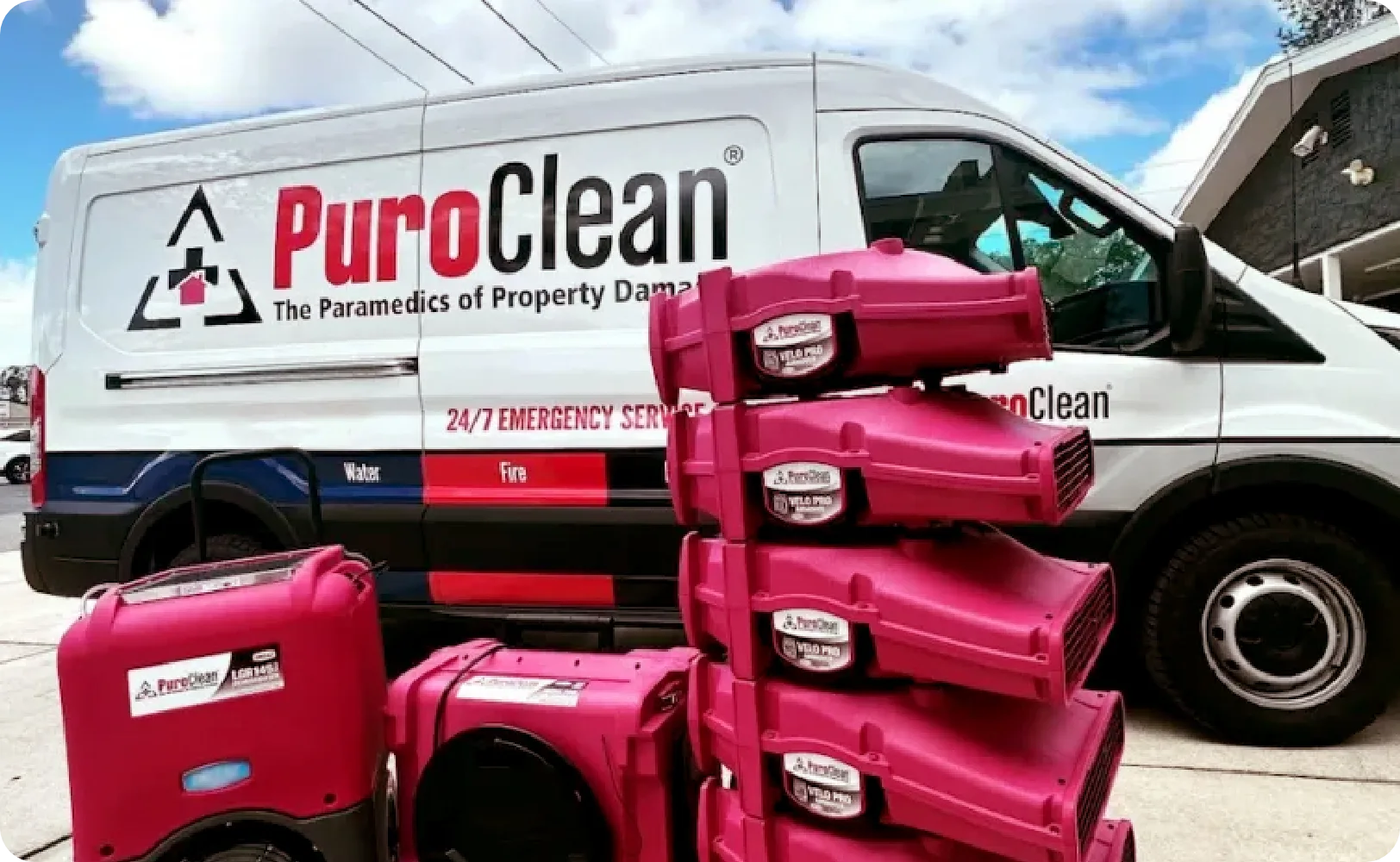
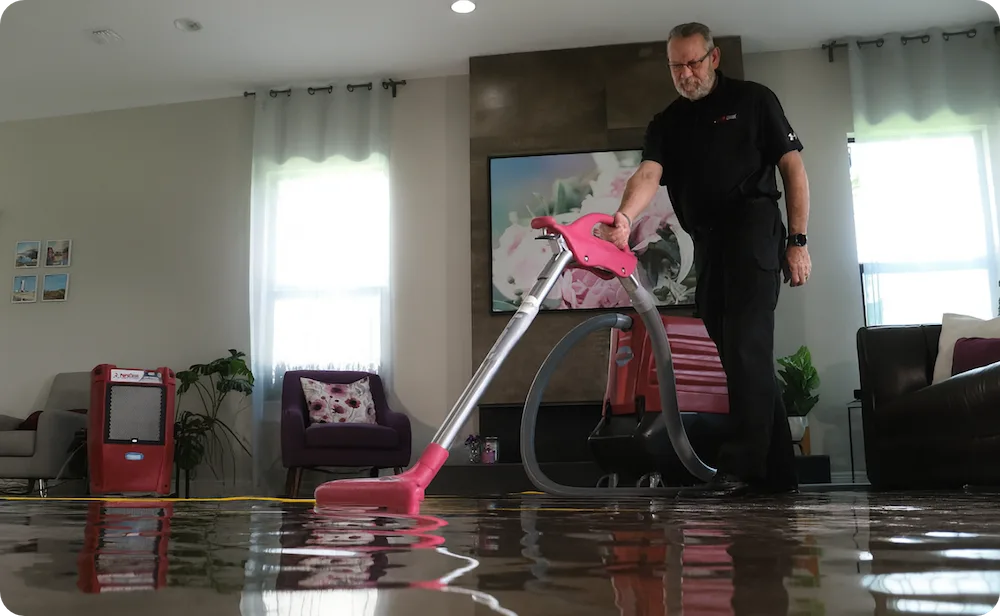
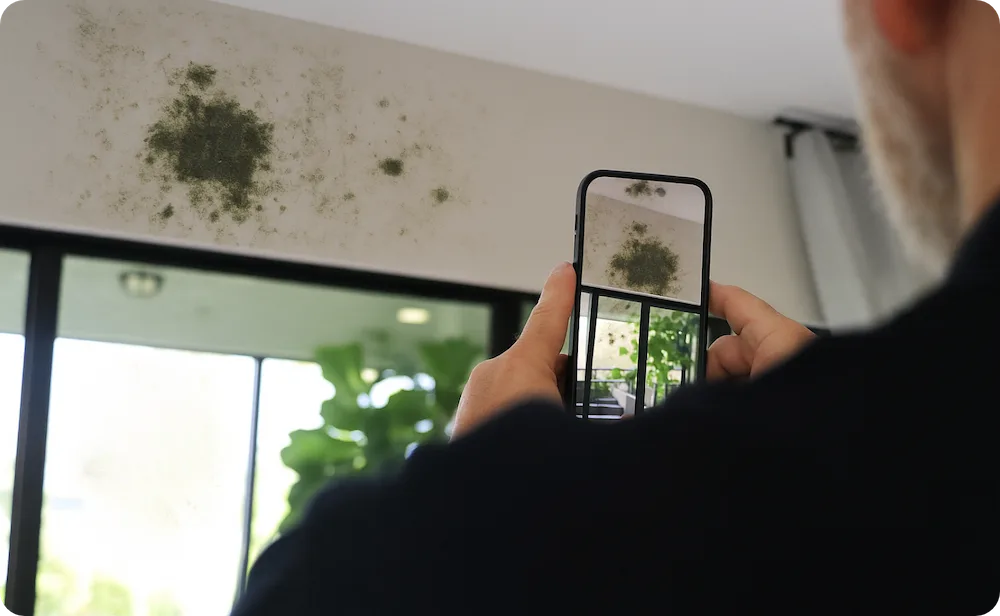
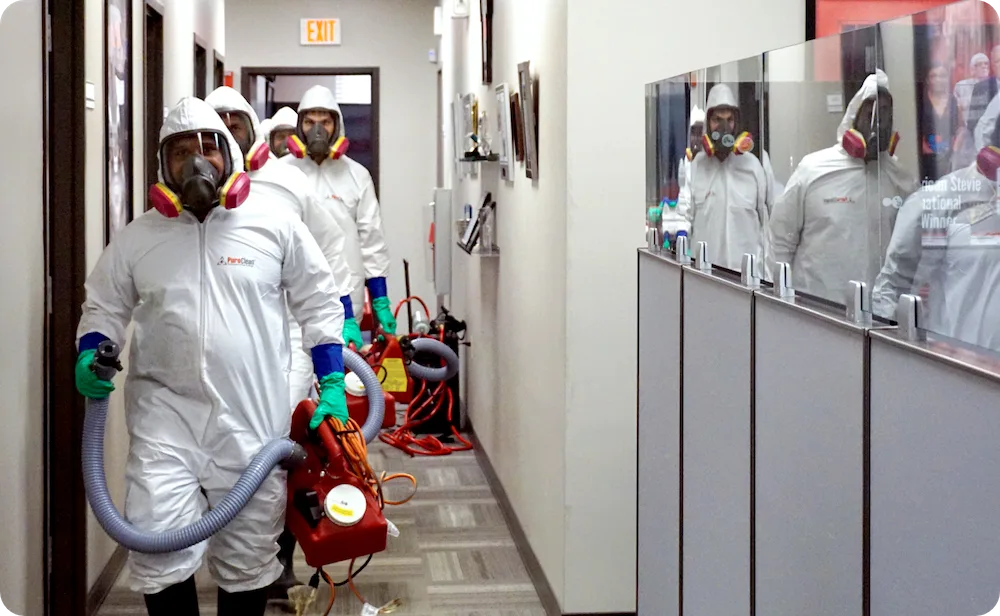
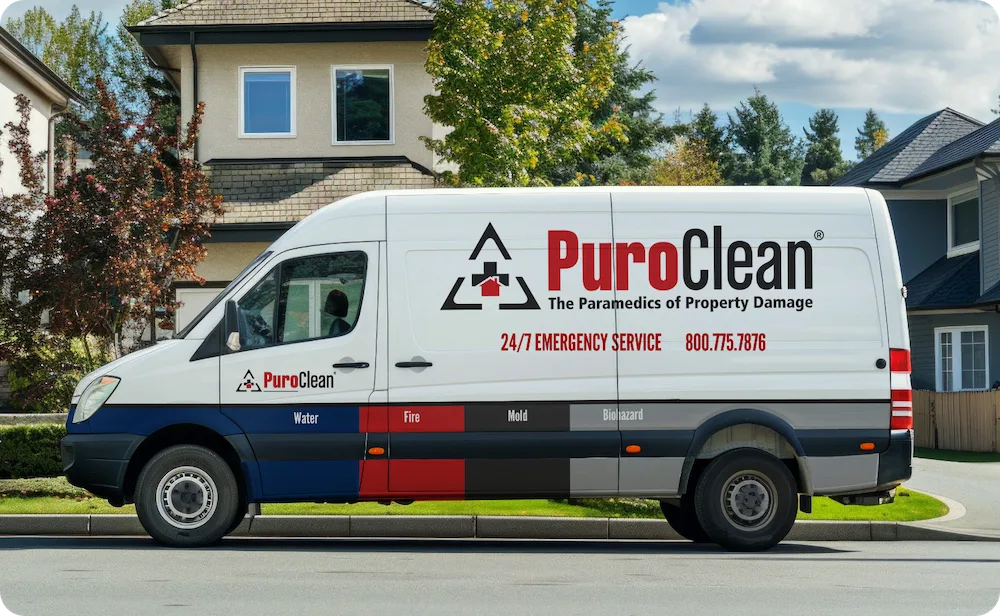
24/7 Emergency Services For Water, Fire, Mold and Biohazard in Glenn Heights, TX
Glenn Heights is one of the most distinctive communities in PuroClean of Waxahachie’s service area — a city of nearly 16,000 residents that straddles the boundary between Dallas County and Ellis County, with its northern half governed under Dallas County jurisdiction and its southern half sitting in Ellis County. That dual-county identity shapes nearly everything about how the city functions: residents on the Dallas County side send their children to DeSoto Independent School District, while Ellis County residents attend Red Oak ISD. The city is a DART member — the only suburb in the southern section of the Dallas area with Dallas Area Rapid Transit access — making it a commuter community for thousands of DFW Metroplex workers who board at the DART Park & Ride Terminal to reach employment centers across the region.
Glenn Heights’ origin story is unique in Ellis County. In the late 1960s, N.L. ‘Moe’ Craddock — a Dallas firefighter — opened a 30-acre mobile home park in the area and then pushed for the community’s incorporation specifically to prevent the growing neighborhood from being annexed by the neighboring city of DeSoto. The city officially incorporated on September 16, 1969, with 257 residents. From that modest beginning, Glenn Heights grew to 1,033 by 1980, to 4,564 by 1990, to 7,224 by 2000, and to nearly 16,000 by 2020. The Dallas Business Journal recognized it as the 22nd fastest-growing small city in Texas in 2019. More than half of the city’s developable land sits along major arterial intersections along the IH-35E and Ovilla Road corridors, and the future construction of Loop 9 along the city’s eastern border by TxDOT is expected to unlock additional commercial and residential development capacity in the years ahead.
PuroClean of Waxahachie serves all of Glenn Heights — both the Dallas County and the Ellis County portions of the city — with 24/7 emergency water damage restoration, mold remediation, fire damage cleanup, and sewage decontamination. The clients here are predominantly young families and working professionals in master-planned subdivisions, many of whom are newer homeowners navigating a significant Texas weather damage event or a plumbing failure for the first time. That combination of relative inexperience with the insurance claims process and genuine investment in their homes makes thorough, empathetic, and communicative service not just a differentiator — it is what this community actually needs.
The water damage calls we handle in Glenn Heights reflect a rapidly growing suburban city with predominantly newer construction and an active IH-35E development corridor:
The DART commuter dynamic creates one water damage scenario that is specific to Glenn Heights and communities like it: the household where both adults board the DART bus early in the morning and do not return until evening. A supply line that begins leaking at 7 a.m. may run unchecked for ten or more hours before anyone discovers it. In a 2,200-square-foot slab-foundation home with Blackland Prairie clay underneath it, ten hours of running water can saturate not just the room of origin but the adjacent rooms, the wall cavities, and the subfloor area beneath the affected space. The scope of that loss — and the likelihood of mold development in Texas’ humid summer climate — is dramatically different from a leak discovered within an hour of occurrence.
Glenn Heights is approximately 20 to 30 minutes from our Waxahachie location via IH-35E. We take IH-35E north from Waxahachie through the Midlothian area and continue up the interstate into Glenn Heights — the city sits directly along the IH-35E corridor, and for much of the city, getting off the interstate puts us within minutes of any address in the community. This is one of the most straightforward drives in our service area. There are no rural county roads, no bridge constraints, and no access puzzles. IH-35E is the spine of Glenn Heights, and we know it well.
Here is how we navigate to different parts of the city:
The IH-35E corridor is one of the busiest interstate routes in the DFW Metroplex, and southbound traffic during evening rush hour can add time to a late-afternoon call from Glenn Heights. We factor that into our honest arrival time estimates. For true emergencies — active water flowing, a fire event, a sewage backup — we communicate the most realistic ETA on the first call and we move as fast as traffic allows. The important thing is that the water source is stopped before we arrive: shutting off the main water supply valve is the most important step a Glenn Heights homeowner can take while waiting for us.
Glenn Heights’ most defining characteristic from a property damage perspective is the speed of its residential growth. A city that had 257 residents in 1970 and nearly 16,000 by 2020 built the overwhelming majority of its housing stock in a compressed window of time spanning roughly the 1985 through 2015 period, with continued construction into the present. That compressed construction timeline means that a large share of Glenn Heights’ homes were built under the building codes and construction practices of a specific era — the 1990s and early 2000s suburban Texas build — that is now showing its age in specific and predictable ways.
Plumbing systems installed in the 1990s builder-grade homes that make up a significant portion of Glenn Heights’ housing stock are now 25 to 35 years old. Supply lines that were installed with polybutylene (a material widely used through the mid-1990s before its failure pattern became clear) or with standard PVC and CPVC fittings are approaching the end of their designed service life. Water heater tanks installed during original construction have long since been replaced once, and some of those replacement units are now themselves aging. HVAC systems installed in the original builds are being replaced, and the ductwork and condensate systems that serve them are often original — meaning the condensate drain lines that run through finished ceiling spaces have been accumulating scale, algae, and debris for two to three decades and are prime candidates for overflow events during the peak of the Texas cooling season.
Underneath all of these homes sits the Blackland Prairie clay that defines the geology of the Dallas-Ellis County boundary zone. Glenn Heights’ city geography sits on this expansive clay formation, and the movement it produces in residential foundations is among the most significant property damage risk factors in the community. During the drought cycles that Texas experiences — particularly the severe multi-year droughts that the state has endured since 2010 — the clay beneath foundations shrinks and pulls away from slab edges. When significant rainfall finally arrives, the clay expands rapidly, but not uniformly. Sections of the slab that lost soil contact during the drought are now subject to uneven uplift. The result, across many Glenn Heights homes, is a pattern of cracked slab sections, gap-opened perimeter edges, and settling foundation sections that create direct pathways for moisture to migrate into the slab and into the floor systems above it.
The Bear Creek drainage corridor that runs through portions of Glenn Heights is a flash flood concern during the intense summer thunderstorms that move through the IH-35E corridor. Bear Creek and the smaller drainage channels that feed it can rise quickly during heavy rainfall events, and the low-lying areas near the creek in the western portion of the city can experience street flooding and yard inundation that pushes water against foundation perimeters and, in the most significant events, into below-grade garage spaces and utility areas. Homeowners whose properties sit near this drainage corridor should understand that their flood risk is not hypothetical — it is a documented function of the landscape they live on.
The dual-county character of Glenn Heights creates one administrative nuance for homeowners navigating a property damage insurance claim: property tax records, appraisal district contacts, and some permit functions are handled by different county entities depending on which side of the Dallas-Ellis County line a specific property sits on. This does not affect the restoration process — PuroClean’s scope and approach are the same regardless of which county the property is in — but homeowners who need to pull permits for reconstruction work should confirm whether their property is in Dallas County Appraisal District or Ellis County Appraisal District territory, as the contacts and processes differ.
Owned & Operated by Jordan Durham
201 Panorama Loop #300, Waxahachie, TX, 75165
(945) 259-7876
Water damage can result from unexpected leaks, flooding from storms, plumbing failures, or appliance malfunctions. Our certified teams focus on rapid water removal, drying, and stabilization to help prevent further damage and mold growth.
 Explore Our Water Damage Mitigation Services
Mold often develops as a result of unresolved moisture or hidden water damage. Professional mold remediation helps identify affected areas, contain growth, and restore healthy indoor conditions.
Explore Our Mold Removal and Remediation Services
Biohazard situations, including crime scene cleanup and virus decontamination, require specialized cleaning and handling to protect health and safety. Biohazard cleanup services address contamination using proper protocols and professional care.
Explore Our Biohazard Cleanup Services
In some cases, property damage requires repairs beyond cleanup and mitigation. Reconstruction services help restore damaged areas of the home after water, fire, or other incidents, supporting a smoother transition from damage to recovery.
Explore Our Reconstruction Services Services
You have to isolate the affected zone while keeping unaffected, customer-facing areas functional. Every hour without extraction and controlled drying expands the wet footprint into flooring, wall cavities, and shared assemblies—raising disruption, rebuild scope, and secondary mold risk. Commercial mitigation succeeds when drying is verified, access is controlled, and re-entry happens by milestones instead of “all at once.”
Explore Our Commercial Water Damage Restoration Services
For hotels, restaurants, and other guest-facing properties, fire, smoke, and soot damage is a public-facing risk. PuroClean of Waxahachie helps Risk and Compliance stakeholders control liability, document the loss, and reopen guest zones to brand standard—not just “usable” condition. In guest-facing commercial environments, fire damage becomes immediate brand exposure—visible soot, lingering odor, and remediation activity can signal “not ready” to customers and invite complaints or liability.
Explore Our Commercial Fire Damage Restoration Services
When a workplace biohazard event occurs, cleanup isn’t discretionary—it can trigger OSHA bloodborne pathogen obligations, regulated waste handling, and documentation requirements. PuroClean of Waxahachie helps business owners and operators restore safe use of affected areas with controlled access, discreet containment, and records your insurer, regulator, or legal team can review.
Explore Our Commercial Biohazard Cleanup Services
If mold keeps returning in guest-facing or tenant-occupied spaces, the problem is usually hidden moisture—not what you can wipe off. PuroClean of Waxahachie investigates the moisture source, contains the affected area, and documents clearance so you can reopen with confidence. Commercial mold cleaned without addressing the moisture source will return, often within weeks. Source identification is the critical first step—surface treatment alone is incomplete remediation.
Explore Our Commercial Mold Remediation Services
Water and property damage restoration questions specific to Glenn Heights, Texas homeowners and property owners
Bear Creek runs through Glenn Heights and defines much of the drainage pattern in neighborhoods near Bear Creek Road, including the Gateway Estates area. Homes on lots that slope toward the creek corridor or sit in lower-elevation pockets of these subdivisions can experience foundation perimeter pooling after heavy rain even when the home itself is not in a mapped floodplain, simply because the clay soils common to this part of Ellis and Dallas counties shed water quickly toward the lowest point. We assess whether pooling is a drainage and grading issue versus a sign of foundation perimeter intrusion already affecting your crawl space or slab edge, using moisture meters to check for early intrusion before it becomes a larger problem.
Glenn Heights grew from just over 1,000 residents in 1980 to more than 7,000 by 2000, and many of the original homes from the 1970s and 1980s have been added onto multiple times as families grew and the city developed around them. Each addition often represents a different construction era, with different subfloor materials, insulation types, and even different foundation systems tied together at transition points that are common failure locations for water intrusion. When we assess a water loss in one of these homes, we map moisture separately through each section of the house, since a slab addition attached to an original pier-and-beam section, for example, will dry at different rates and require different equipment placement under IICRC S500 guidelines.
Glenn Heights’ position straddling the Dallas and Ellis county line does not create any complications for your insurance claim — your policy, deductible, and coverage are determined by your insurance carrier and your specific address, not by which county your property falls within. What it can affect is which county appraisal district, permitting office, or floodplain map applies if your claim involves rebuilding or a flood determination. PuroClean of Waxahachie serves all of Glenn Heights regardless of which county a property sits in, and our Xactimate-compatible documentation, communication with adjusters, and IICRC-standard mitigation process is identical across the entire city.
A slab leak that runs undetected for weeks is a serious water loss, particularly in homes and townhomes near the I-35E corridor where many properties were built on post-tension or conventional slab foundations with plumbing run directly through the concrete. By the time carpet and pad have absorbed weeks of leaking water, you are very likely dealing with Category 2 water due to microbial growth in the saturated pad and subfloor, and possibly active mold colonization under the carpet itself. We extract and remove affected carpet and pad, use thermal imaging to locate the leak source and map how far moisture has spread into adjoining rooms, and test for mold before recommending a remediation scope under IICRC S520 if needed.
This is exactly the kind of call we handle regularly in the newer subdivisions around Heritage Community Park, where attic-mounted HVAC systems are standard and condensate drain line clogs or pan failures are one of the most common sources of ceiling water damage during Texas summers. You will likely need an HVAC technician to repair the unit itself, but the water damage — wet attic insulation, a stained or sagging ceiling, and potentially saturated drywall and framing — is restoration work. We extract any standing water, dry the ceiling assembly and attic insulation with commercial equipment, and document the moisture extent with thermal imaging so your insurance carrier has a complete picture of both the cause and the resulting damage.
What Our Customers Say:
When you need water damage restoration services near you, call the experts at PuroClean. We are here day or night, 24/7, to help remove any standing water quickly and begin your water restoration service. We monitor the drying process so you can rest assured that your property is dried thoroughly. We offer commercial water restoration services for businesses and residential water damage restoration for homeowners.

PuroClean of Waxahachie
(945) 259-7876
201 Panorama Loop #300, Waxahachie, TX 75165


© 2026 PuroClean. All Rights Reserved.