24/7 Emergency Services For Water, Fire, Mold and Biohazard in India, TX
India is one of Ellis County’s oldest communities and one of its smallest — an unincorporated crossroads on Farm Road 780, three miles east of Ferris in the northeastern corner of the county. The land here was first settled in 1853 by A.J. Moyers and the community was known as Morgan until 1892, when a post office was established and the name India was formally adopted. The post office closed in 1904 as the community’s commercial life consolidated into nearby Ferris, but the land itself never stopped being worked. One of the first cotton gins ever built in Ellis County stood here and remained in operation until 1970 — a remarkable 80-plus years of agricultural service that speaks to how long and consistently the families in this part of the county have worked this land.
Today, India is home to a small number of permanent residents on rural acreage properties along FM 780 and the county road network that branches off it toward the Trinity River corridor. There is no incorporated city government, no municipal water system, and no public sewer. Properties here are served by private wells and individual septic systems, and the nearest fire station and emergency services are in Ferris to the west. The character of the India area is defined by working farms and ranches, long established families, scattered acreage homesites, and the particular kind of quiet that comes from sitting just a few miles from one of the major rivers in Texas while the suburban expansion of the DFW Metroplex still sits comfortably in the rearview mirror.
PuroClean of Waxahachie serves the India area and all properties along the FM 780 corridor in northeastern Ellis County with 24/7 emergency water damage restoration, mold remediation, fire damage cleanup, and sewage decontamination. Reaching property owners in genuinely rural communities like India is part of what it means to serve Ellis County completely. We are not a Waxahachie-only operation that treats the county’s outlying communities as an afterthought. If you’re on FM 780 east of Ferris or on the county roads that run toward the Trinity River bottomlands, you are in our service area and we will come to you.
The property damage calls we handle in the India area reflect the realities of rural acreage properties close to the Trinity River in the low-lying northeastern corner of Ellis County:
The India area also sits within what FEMA has mapped as flood hazard territory in the northeastern corner of Ellis County. Properties that lie within the Trinity River’s designated floodplain carry National Flood Insurance Program (NFIP) requirements under federally backed mortgage terms, and the flood insurance implications for rural properties near the river are different from the standard homeowner’s policy landscape that applies to Waxahachie or Midlothian homeowners. If you own property in this corridor and are unsure of your flood zone designation, the Ellis County Appraisal District’s property search tool at elliscad.org allows you to view flood zone layers on any parcel in the county.
India is approximately 25 to 35 minutes from our Waxahachie location, depending on which specific property we’re responding to along FM 780 and the surrounding county road network. The most direct route takes us north on IH-35E or US-287 from Waxahachie to Ferris, and then east on FM 780 from the Ferris area toward India. Once we reach FM 780 east of Ferris, we are entering genuinely rural territory where GPS accuracy on specific property locations and driveway access become the primary logistical considerations.
Here is how we navigate to different parts of the India area and northeastern Ellis County:
Emergency response to India requires a level of rural logistics awareness that not every restoration contractor brings. We have worked in genuinely remote corners of Ellis County — on properties accessed by unmarked county roads, behind locked gates, next to working cattle operations, and in structures that have not had a professional service call in years. The drive to India is not complicated, but the last mile of any rural property call in this part of the county demands attention to access, ground conditions, and the specific character of what we’re going to find when we get there. We plan for it on every call from the northeastern corridor.
The defining environmental feature of the India area — and the one that shapes the property damage risk profile most directly — is its position in the drainage basin of the Trinity River. The Texas Almanac’s description of Ellis County says it plainly: the county is well drained by many streams that flow into the Trinity River, which forms the eastern boundary of the county. India, sitting in the northeastern corner of Ellis County on FM 780 east of Ferris, is at the downstream end of that drainage system. Water that falls across the Blackland Prairie of central and western Ellis County finds its way eastward through creek tributaries toward the Trinity. The Trinity itself, formed by the convergence of the Elm Fork, West Fork, and East Fork north of Dallas, is one of the longest river systems in Texas and is subject to rapid and dramatic rises during periods of intense rainfall upstream.
The West Fork of the Trinity runs along the county line between Ellis and Kaufman counties in the area east and north of India. When heavy rain falls across the DFW Metroplex and the upstream portions of the Trinity watershed — through Tarrant, Dallas, and Collin counties — that water moves downstream through the Trinity system and arrives in the northeastern Ellis County area hours to days after the storm that produced it. Homeowners in the India corridor and the bottomland properties near the river may experience rising water not from rain falling on their own property but from the accumulated runoff of a widespread storm system draining through the Trinity’s watershed above them. This upriver-origin flood dynamic makes the Trinity River’s behavior in northeastern Ellis County particularly challenging to anticipate from local weather observations alone.
The riparian vegetation that lines the Trinity’s bottomland approach in this part of the county — the cottonwood, pecan, hackberry, bois d’arc, ash, and elm trees that the Texas Almanac specifically identifies as the characteristic tree species along Ellis County’s watercourses — is itself a sign of the sustained moisture environment that persists along the river corridor year-round. Properties in and near this bottomland zone experience higher ambient humidity than the drier Blackland Prairie interior of the county, and structures that sit close to the riparian corridor are subject to the persistent moisture conditions that favor mold growth in crawl spaces, enclosed outbuildings, and the lower wall assemblies of farmhouses that have been in place for decades without the benefit of modern vapor management systems.
Rural isolation compounds every water damage scenario in the India area. A farmhouse on a working cattle ranch three miles east of Ferris on FM 780 does not have the neighbor visibility, the regular foot traffic, or the proximity to municipal emergency services that a Waxahachie or Midlothian homeowner takes for granted. A roof that fails during a hailstorm may leak through two or three subsequent rain events before the damage becomes severe enough to be discovered inside the house. A pipe that freezes and bursts in an unoccupied guest cabin or bunkhouse on a multi-acre ranch may sit wet for weeks. A slow failure in a water heater serving a detached utility structure may never be noticed until someone opens the door and encounters the smell. In each of these scenarios, the scope of the restoration job — and the likelihood of mold as a secondary issue — is dramatically larger than it would have been with prompt discovery.
The cotton gin that stood in India and operated until 1970 is a reminder of how long and consistently this land has been worked by the families who own it. Those same families — and the newer acreage owners who have purchased property in this corridor in more recent decades — carry the same relationship with their land that defines rural Ellis County: they are self-reliant, they know their property well, and they often manage more on their own than they might in a suburb. When something finally exceeds what can be handled without professional help — when the pipe burst is too big, the flood too deep, or the mold too widespread — PuroClean of Waxahachie is the call that puts a certified team on their land within the hour.
Owned & Operated by Jordan Durham
201 Panorama Loop #300, Waxahachie, TX, 75165
(945) 259-7876
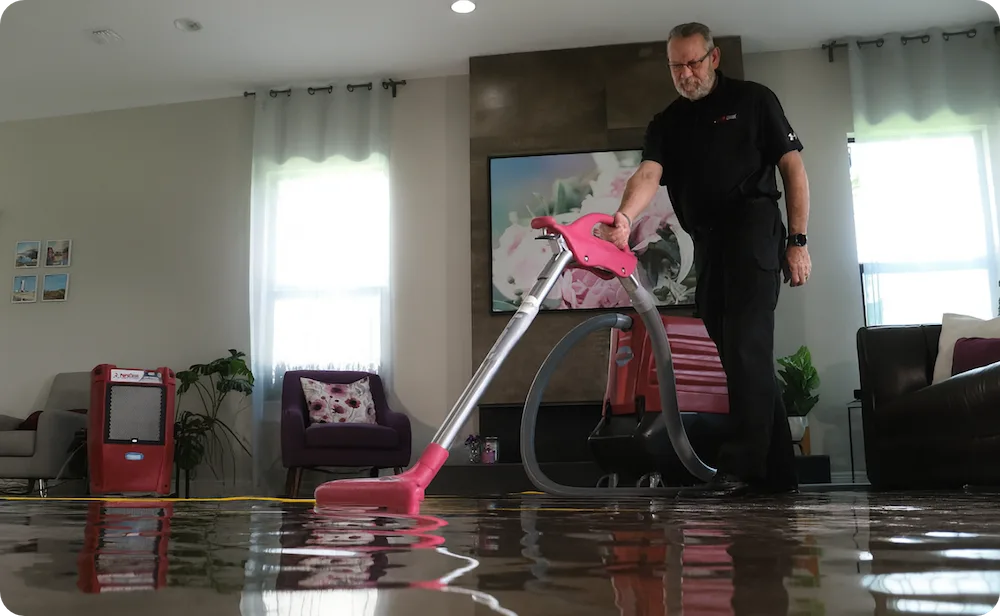
Water damage can result from unexpected leaks, flooding from storms, plumbing failures, or appliance malfunctions. Our certified teams focus on rapid water removal, drying, and stabilization to help prevent further damage and mold growth.
 Explore Our Water Damage Mitigation Services
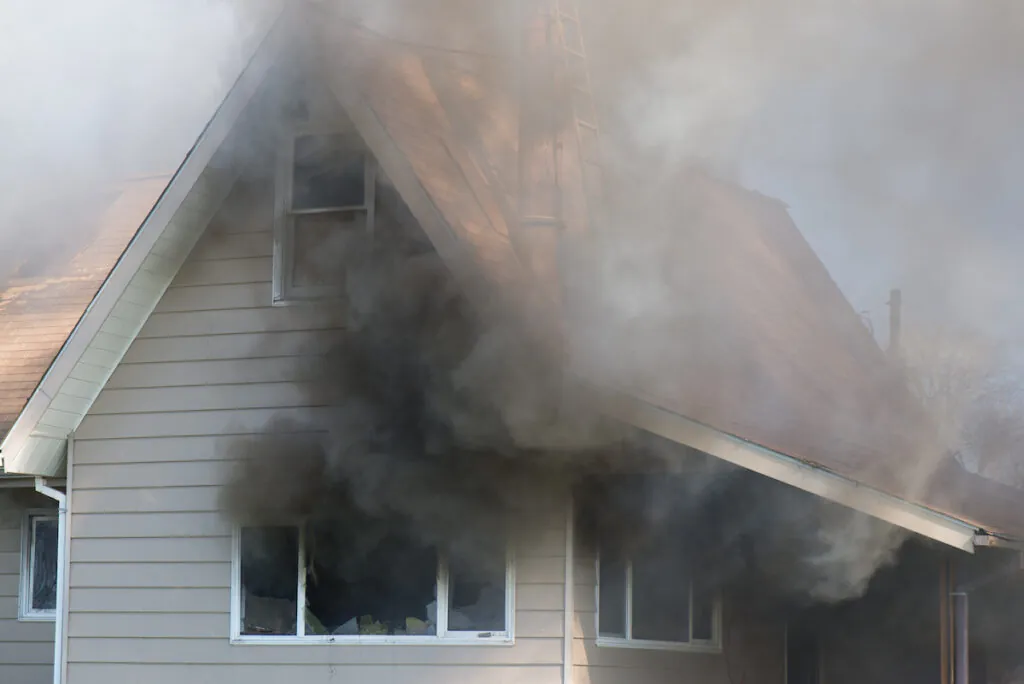
Even after a fire is extinguished, smoke, soot, and odor can continue to affect your home. Fire damage restoration services address visible damage while also helping reduce lingering effects that impact indoor air quality and surfaces.
Explore Our Fire and Smoke Damage Restoration Services
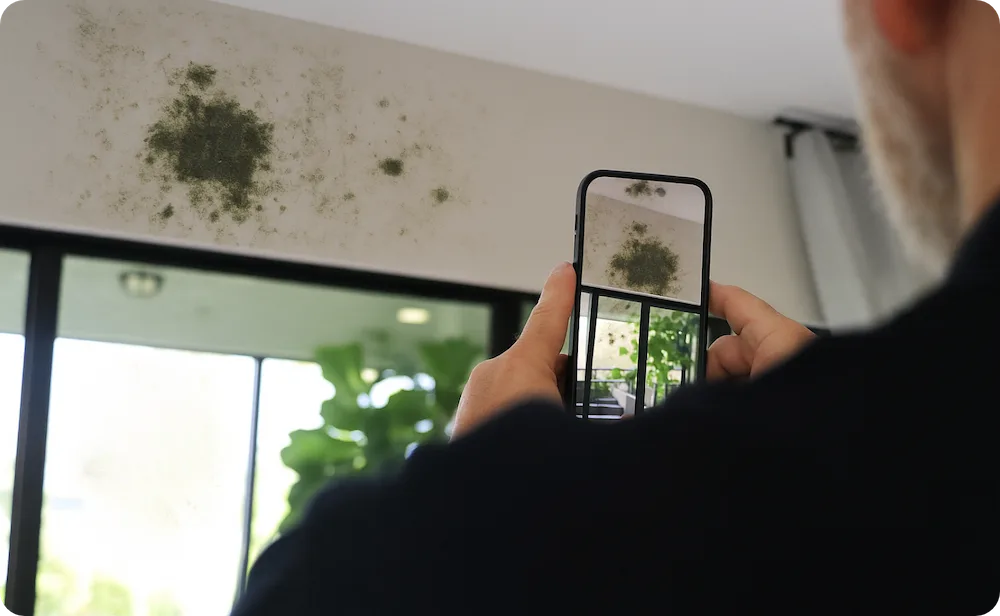
Mold often develops as a result of unresolved moisture or hidden water damage. Professional mold remediation helps identify affected areas, contain growth, and restore healthy indoor conditions.
Explore Our Mold Removal and Remediation Services
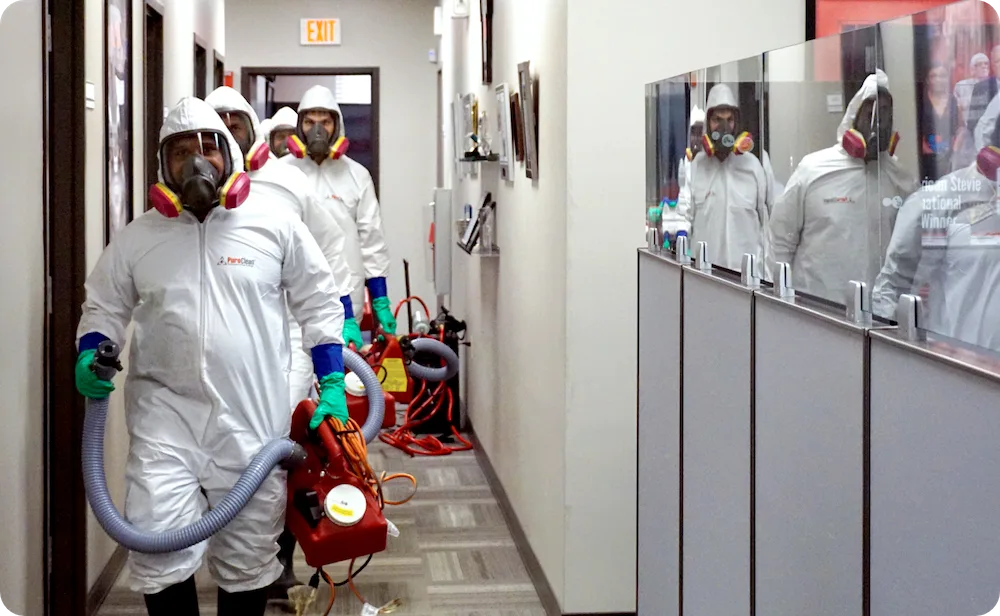
Biohazard situations, including crime scene cleanup and virus decontamination, require specialized cleaning and handling to protect health and safety. Biohazard cleanup services address contamination using proper protocols and professional care.
Explore Our Biohazard Cleanup Services
In some cases, property damage requires repairs beyond cleanup and mitigation. Reconstruction services help restore damaged areas of the home after water, fire, or other incidents, supporting a smoother transition from damage to recovery.
Explore Our Reconstruction Services Services
Expert commercial water damage restoration for Waxahachie, TX businesses. PuroClean of Waxahachie provides rapid water extraction, structural.
Explore Our Commercial Water Damage Restoration Services
Professional commercial fire and smoke damage restoration for Waxahachie, TX businesses. PuroClean of Waxahachie provides fire damage cleanup, smoke.
Explore Our Commercial Fire Damage Restoration Services
Licensed commercial biohazard cleanup and decontamination for Waxahachie, TX businesses. PuroClean of Waxahachie provides biohazard remediation, trauma.
Explore Our Commercial Biohazard Cleanup Services
Certified commercial mold remediation and prevention for Waxahachie, TX businesses. PuroClean of Waxahachie provides mold assessment, contained.
Explore Our Commercial Mold Remediation Services
Water damage can result from unexpected leaks, flooding from storms, plumbing failures, or appliance malfunctions. Our certified teams focus on rapid water removal, drying, and stabilization to help prevent further damage and mold growth.
Explore Our Water Damage Mitigation Services
Water and property damage restoration questions specific to India, Texas property owners along FM 780 in northeastern Ellis County
India was first settled in 1853 by A. J. Moyers under the name Morgan, and many of the farmhouses still standing along India Road today reflect that long agricultural history, with original sections built well before modern plumbing and electrical standards existed. A water event in a home with this kind of history often reveals layered construction — original wood siding and plank subfloor under later additions of drywall, vinyl flooring, or carpet. We assess each layer separately with thermal imaging and moisture meters, since older solid-sawn lumber and plank subfloor dry differently than modern engineered materials, and we document everything before any demolition so your insurance carrier understands exactly what existed before the loss.
India was home to one of the first cotton gins built in Ellis County, operating in the community until around 1970, and properties near former agricultural and gin sites can occasionally have soil or groundwater characteristics affected by decades of historical operations. If your water supply comes from a private well and a supply line failure has introduced that water into your home, we treat the loss as Category 1 at the point of failure but recommend water quality testing if you have ongoing concerns about smell or taste, since that information helps determine whether any antimicrobial treatment beyond standard drying protocols is appropriate for the affected materials.
India has remained a small agricultural community for well over a century, and like most of the rural acreage along FM 780, properties here rely on private septic systems rather than municipal sewer. A septic backup into a home is classified as Category 3 — grossly contaminated water — regardless of whether the source is a municipal line or a private system, and the remediation protocol is the same: full PPE, containment, controlled removal of affected porous materials, HEPA cleaning, antimicrobial treatment, and post-remediation testing. The one practical difference is that we also recommend having the septic system itself inspected by a licensed septic contractor, since a backup often indicates a drain field or tank issue that needs separate repair.
We serve the entire India community as part of our extended Ellis County coverage area, and our routing from Waxahachie reaches the FM 780 corridor east of Ferris in a comparable timeframe to other rural northeastern Ellis County communities — generally within the 30 to 40 minute window that defines effective emergency response for active water events. For properties set well back from FM 780 on long private drives, we ask for clear directions or a pin location when you call, since rural addressing in this area can sometimes be inconsistent with GPS mapping. Our trucks carry portable extraction equipment in addition to truck-mounted units specifically because rural acreage properties like thos
Yes — pre-listing moisture and mold inspections are common for older rural properties in communities like India, where a home may have decades of history and no record of past water events. We use thermal imaging cameras and non-invasive moisture meters to scan walls, ceilings, and accessible crawl space or subfloor areas for signs of current or historical moisture intrusion, and we can perform air sampling if a musty odor or visible growth raises concerns about mold. A clean inspection report can help reassure buyers and their inspectors, while an inspection that identifies an issue gives you the chance to address it — and document it for any future insurance or disclosure purposes — before it becomes a deal complication.
India was first settled in 1853 by A. J. Moyers under the name Morgan, and many of the farmhouses still standing along India Road today reflect that long agricultural history, with original sections built well before modern plumbing and electrical standards existed. A water event in a home with this kind of history often reveals layered construction — original wood siding and plank subfloor under later additions of drywall, vinyl flooring, or carpet. We assess each layer separately with thermal imaging and moisture meters, since older solid-sawn lumber and plank subfloor dry differently than modern engineered materials, and we document everything before any demolition so your insurance carrier understands exactly what existed before the loss.
India was home to one of the first cotton gins built in Ellis County, operating in the community until around 1970, and properties near former agricultural and gin sites can occasionally have soil or groundwater characteristics affected by decades of historical operations. If your water supply comes from a private well and a supply line failure has introduced that water into your home, we treat the loss as Category 1 at the point of failure but recommend water quality testing if you have ongoing concerns about smell or taste, since that information helps determine whether any antimicrobial treatment beyond standard drying protocols is appropriate for the affected materials.
India has remained a small agricultural community for well over a century, and like most of the rural acreage along FM 780, properties here rely on private septic systems rather than municipal sewer. A septic backup into a home is classified as Category 3 — grossly contaminated water — regardless of whether the source is a municipal line or a private system, and the remediation protocol is the same: full PPE, containment, controlled removal of affected porous materials, HEPA cleaning, antimicrobial treatment, and post-remediation testing. The one practical difference is that we also recommend having the septic system itself inspected by a licensed septic contractor, since a backup often indicates a drain field or tank issue that needs separate repair.
We serve the entire India community as part of our extended Ellis County coverage area, and our routing from Waxahachie reaches the FM 780 corridor east of Ferris in a comparable timeframe to other rural northeastern Ellis County communities — generally within the 30 to 40 minute window that defines effective emergency response for active water events. For properties set well back from FM 780 on long private drives, we ask for clear directions or a pin location when you call, since rural addressing in this area can sometimes be inconsistent with GPS mapping. Our trucks carry portable extraction equipment in addition to truck-mounted units specifically because rural acreage properties like thos
Yes — pre-listing moisture and mold inspections are common for older rural properties in communities like India, where a home may have decades of history and no record of past water events. We use thermal imaging cameras and non-invasive moisture meters to scan walls, ceilings, and accessible crawl space or subfloor areas for signs of current or historical moisture intrusion, and we can perform air sampling if a musty odor or visible growth raises concerns about mold. A clean inspection report can help reassure buyers and their inspectors, while an inspection that identifies an issue gives you the chance to address it — and document it for any future insurance or disclosure purposes — before it becomes a deal complication.
What Our Customers Say:
When you need water damage restoration services near you, call the experts at PuroClean. We are here day or night, 24/7, to help remove any standing water quickly and begin your water restoration service. We monitor the drying process so you can rest assured that your property is dried thoroughly. We offer commercial water restoration services for businesses and residential water damage restoration for homeowners.

PuroClean of Waxahachie
(945) 259-7876
201 Panorama Loop #300, Waxahachie, TX 75165


© 2026 PuroClean. All Rights Reserved.