PuroClean of Appleton — 400 S Linwood Ave, #4, Appleton, WI 54914
Fox Crossing is one of the newest names on the map in the Fox Cities, but the land underneath it has been settled for well over 150 years. The village only became its own municipality on April 20, 2016, when residents west of Little Lake Butte des Morts voted to break away from the old Town of Menasha, first organized back in 1855. By September of that same year, the rest of the town joined in and the Town of Menasha ceased to exist entirely, replaced by a village whose motto — “Bridging the Fox Cities” — nods to its geography as much as its history. Fox Crossing sits at the north end of Lake Winnebago, Wisconsin’s largest inland lake, with the Fox River flowing through the village as Little Lake Butte des Morts before continuing north through Appleton.
That water frontage shaped the village long before incorporation. Neighborhoods near the historic Waverly Beach resort area, once home to the Cinderella Ballroom and a summer lake-cottage scene going back generations, sit right along the Lake Winnebago shoreline with older homes and cottages converted to year-round living. Inland and west of I-41, development is a different story — this side of the village grew mostly between the 1960s and 2003 on former farmland, giving it newer construction with modern sump systems rather than shoreline-era plumbing. Major employers like Kimberly-Clark and Pierce Manufacturing anchor the village’s commercial and industrial base, and the Friendship/Trestle Trail, the longest pedestrian bridge trail spanning a body of water in Wisconsin, crosses the lake connecting Fox Crossing to Neenah. Between the lakefront cottages, the trail corridor, and the newer subdivisions, our crews see a genuine mix of water damage patterns here. Here’s what we’re called out for most often:
From 400 S Linwood Ave, Fox Crossing sits roughly ten miles southwest of our shop, usually a 15 to 20 minute drive. Our fastest route takes S Oneida Street south to US-10/WI-441, the Tri-County Freeway, and follows it west across Little Lake Butte des Morts on the Roland Kampo Memorial Bridge — the same crossing that gives the village its name. From there, County P (Racine Road) and County AP (Midway Road) both offer direct exits into the village’s eastern neighborhoods, including the older homes near the lakeshore and the Waverly Beach area. That route puts our crews on scene quickly for the shoreline properties where aging plumbing and seasonal-cottage construction cause the bulk of our winter and spring calls.
For calls in the newer subdivisions west of I-41, we typically stay on US-10/WI-441 to the Interstate 41 interchange, then take County CB south, which runs as the main north-south arterial through the western half of the village all the way to County JJ near Neenah. That gives us fast access to homes built between the 1960s and early 2000s, where sump pump and appliance-related calls are more common than shoreline seepage. Commercial calls near Kimberly-Clark or Pierce Manufacturing route similarly via US-10/WI-441, with Appleton Road and American Drive providing local access once we’re in the village. Because Fox Crossing borders Neenah, Clayton, Harrison, Greenville, and Grand Chute, we coordinate closely with crews working those communities so a call near any village boundary gets a fast, seamless response.
Fox Crossing’s defining environmental feature is its water frontage — the village touches both Lake Winnebago and Little Lake Butte des Morts, giving it more shoreline exposure than most of its Fox Cities neighbors. Homes near the old Waverly Beach resort area and other lakefront pockets sit on ground with a naturally high water table, and many were originally built as seasonal cottages rather than year-round residences, meaning their foundations, plumbing, and insulation weren’t designed for Wisconsin’s full winter. When these homes are converted to full-time use without updating the underlying systems, they become far more prone to frozen pipes, foundation seepage, and moisture intrusion than a comparable inland home.
Being on open water also changes how storms behave here. Lake Winnebago’s 215-square-mile surface gives wind systems a long, unobstructed run before they hit the Fox Crossing shoreline, which means wind-driven rain and lake-effect snow squalls can be more intense along the lakefront than just a few miles inland. That translates into more frequent roof damage, ice damming on older cottage-style rooflines, and wind-driven water intrusion around windows and siding for homes closest to the water. The village’s east side, built out earlier and closer to the original Town of Menasha core, also carries more of the aging sewer and water infrastructure typical of mid-20th-century development, which raises the odds of sewer backup during heavy rain events compared to the newer construction to the west.
West of I-41, the risk profile shifts. This part of the village was largely former farmland developed between the 1960s and 2003, and its flatter, well-drained lots depend heavily on functioning sump systems to keep basements dry during spring snowmelt and summer downpours. A power outage during a storm is often the deciding factor between a dry basement and a flooded one in this part of the village. And because Fox Crossing is home to major manufacturing employers like Kimberly-Clark and Pierce Manufacturing, commercial water losses here can involve industrial process water alongside standard building systems, which is why our technicians document every commercial loss with the same moisture mapping, thermal imaging, and Category classification used on any residential claim — just scaled to a much larger footprint.
Owned & Operated by Osagie Enodunmwenben
400 S Linwood Ave, Appleton, WI, 54914
(920) 944-2320
Water damage can result from unexpected leaks, flooding from storms, plumbing failures, or appliance malfunctions. Our certified teams focus on rapid water removal, drying, and stabilization to help prevent further damage and mold growth.
 Explore Our Water Damage Mitigation Services
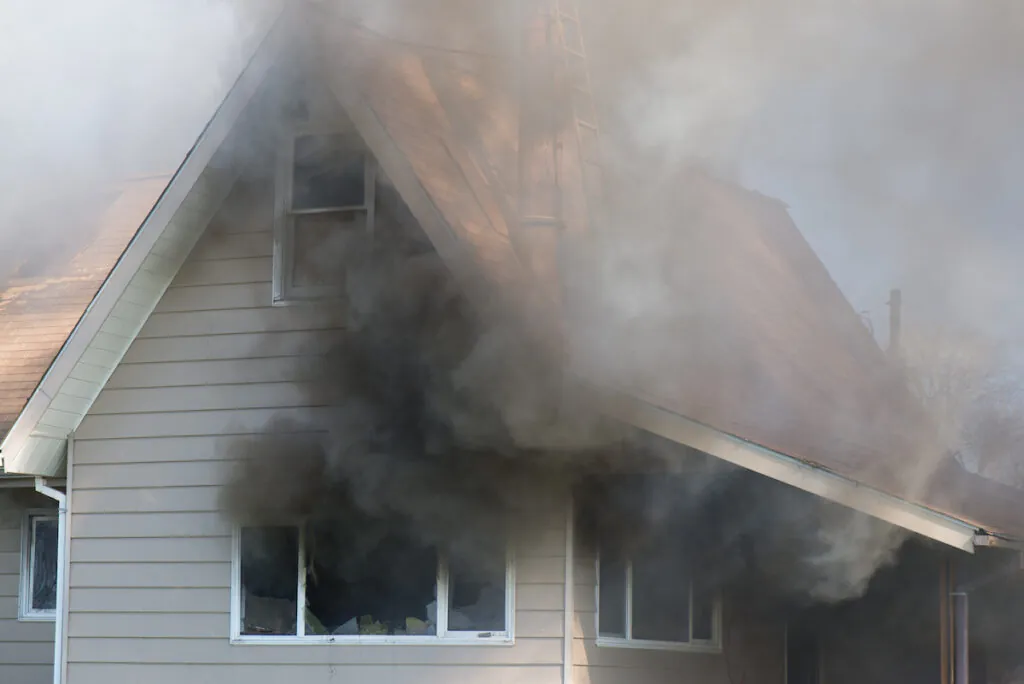
Even after a fire is extinguished, smoke, soot, and odor can continue to affect your home. Fire damage restoration services address visible damage while also helping reduce lingering effects that impact indoor air quality and surfaces.
Explore Our Fire and Smoke Damage Restoration Services
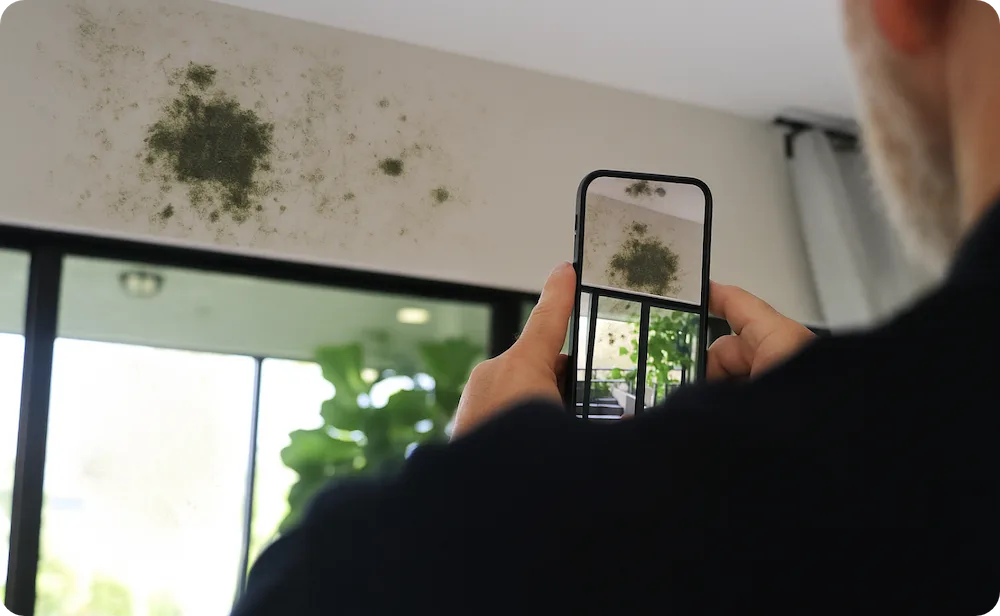
Mold often develops as a result of unresolved moisture or hidden water damage. Professional mold remediation helps identify affected areas, contain growth, and restore healthy indoor conditions.
Explore Our Mold Removal and Remediation Services
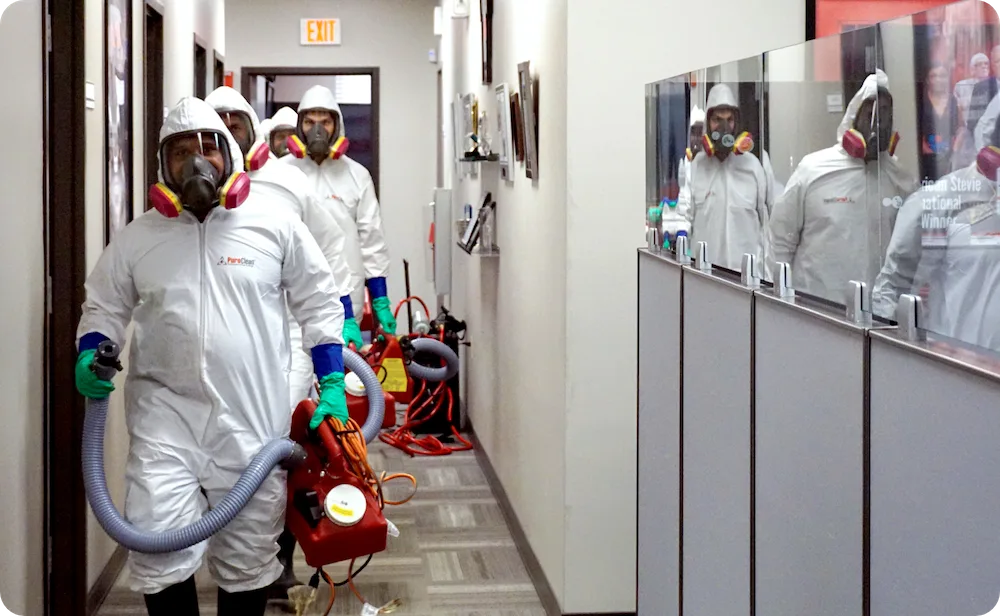
Biohazard situations, including crime scene cleanup and virus decontamination, require specialized cleaning and handling to protect health and safety. Biohazard cleanup services address contamination using proper protocols and professional care.
Explore Our Biohazard Cleanup Services
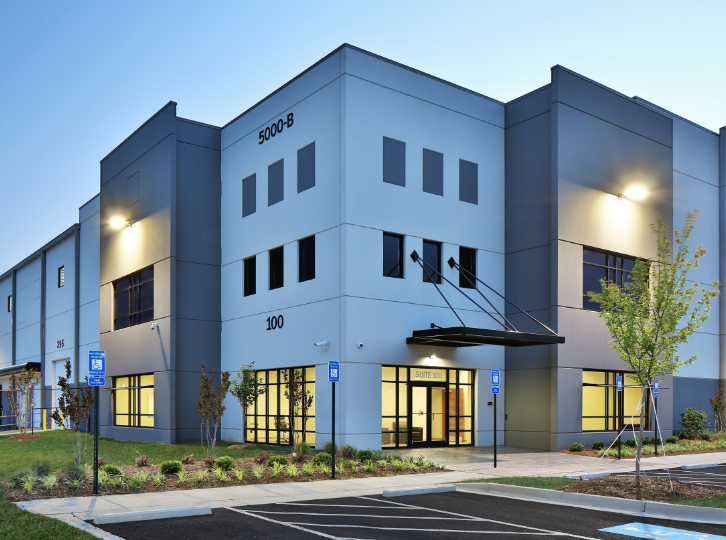
PuroClean provides 24/7 commercial property damage restoration services for businesses and facilities across the United States.
Explore Our Commercial Services
Water damage can result from unexpected leaks, flooding from storms, plumbing failures, or appliance malfunctions. Our certified teams focus on rapid water removal, drying, and stabilization to help prevent further damage and mold growth.
Explore Our Water Damage Mitigation Services
Fox Crossing-specific questions we hear most from homeowners and business owners
Yes. Many homes near the Lake Winnebago shoreline in Fox Crossing started as seasonal cottages, later converted for year-round living without a full update to plumbing, insulation, or foundation waterproofing. That combination makes these homes more prone to frozen pipes in winter and foundation seepage from the shoreline’s naturally high water table. Our technicians treat any lakefront property as higher risk for hidden moisture migration and use thermal imaging to check areas a standard inspection might miss, particularly around older additions or converted porches common in this neighborhood.
From our Appleton shop, the newer subdivisions west of I-41 are typically a first-hour response, reached via US-10/WI-441 and County CB south. Sump pump failures in this part of Fox Crossing are almost always tied to a power outage during a storm or a pump overwhelmed by rapid snowmelt on the area’s flat, well-drained lots. Standing water in a finished basement can start supporting mold growth within 24 to 48 hours, so we prioritize getting extraction and drying equipment on site quickly, especially during the spring thaw when these calls tend to cluster village-wide.
Commercial and industrial losses near Fox Crossing’s manufacturing corridor often involve larger square footage, specialized equipment, and sometimes process water in addition to standard plumbing or storm-related sources, so the scope and documentation scale up accordingly. We still start with the same moisture mapping and photo evidence used on a residential loss, but prepare a commercial-scale Xactimate estimate and coordinate directly with your property and business interruption adjusters. Minimizing downtime is the priority for any Fox Crossing business, since production delays here can affect both revenue and supply commitments.
Fox Crossing maintains its own building permit and inspection process through the village, separate from the former Town of Menasha structure it replaced, so reconstruction work still needs to follow current village code regardless of when a home was originally built. For older lakefront cottages or homes dating to the pre-2016 town era, that sometimes means bringing outdated electrical or plumbing up to current code as part of the rebuild. We coordinate directly with village permitting during the reconstruction phase so homeowners aren’t left navigating that process alone after an already stressful loss.
It can. Homes near Little Lake Butte des Morts and the lake-facing side of the village get more direct exposure to wind coming off open water, which drives both wind-driven rain intrusion and heavier ice accumulation on rooflines during winter storms. Older homes in this corridor, many with the steeper, more complex rooflines typical of mid-century lake-area construction, are especially prone to ice damming after a snow squall followed by a thaw-and-refreeze cycle. We document the ice dam formation and use thermal imaging to trace how far moisture traveled into the ceiling and wall cavities before it becomes visible.
What Our Customers Say:
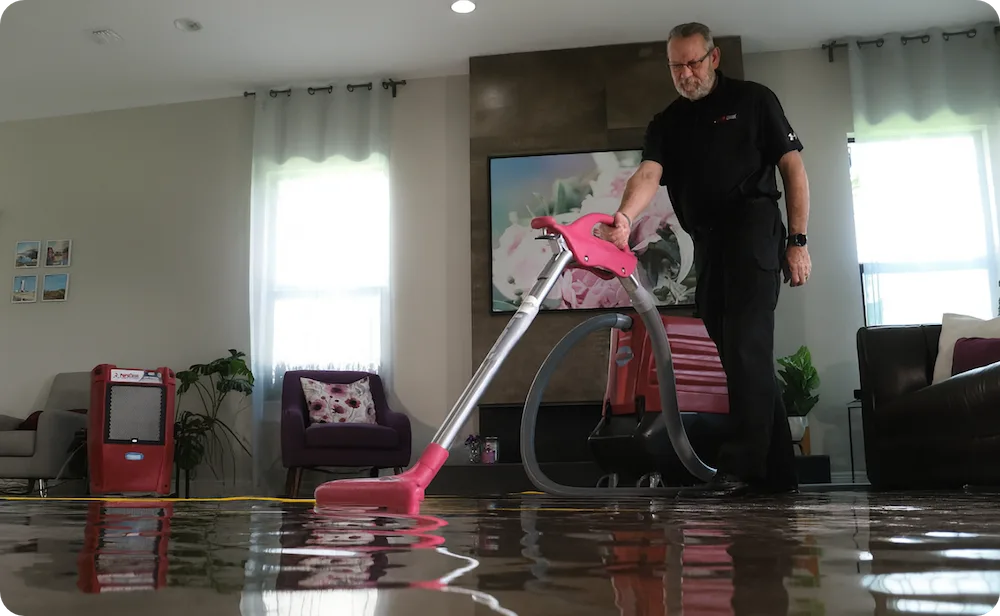
When you need water damage restoration services near you, call the experts at PuroClean. We are here day or night, 24/7, to help remove any standing water quickly and begin your water restoration service. We monitor the drying process so you can rest assured that your property is dried thoroughly. We offer commercial water restoration services for businesses and residential water damage restoration for homeowners.

PuroClean of Appleton
(920) 944-2320
400 S Linwood Ave, #4, Appleton, WI 54914

© 2026 PuroClean. All Rights Reserved.