PuroClean of Appleton — 400 S Linwood Ave, #4, Appleton, WI 54914
Menasha’s name comes from a Menominee word for “little island,” and the city has been defined by water since long before it had a name at all. A Ho-Chunk village called Menashay, led by Chief Hootschope, also known as Four Legs, once stood on what’s now Doty Island, where the Fox River splits into two channels as it leaves Lake Winnebago. After the 1836 Treaty of the Cedars opened the land to settlement, territorial governor James Duane Doty and his partner Curtis Reed platted the village of Menasha in 1848 along the river’s north channel, in direct rivalry with Harvey Jones’s settlement of Neenah on the south channel across the island. By 1849, Doty and Reed had won the fight to route the Fox-Wisconsin waterway’s main navigational channel through Menasha, and the city grew from there — incorporating as a village in 1853 and chartering as a city in 1874, with water power from the twin channels turning it into one of Wisconsin’s major papermaking centers.
That manufacturing base never really left. Menasha is still home to major employers descended from that industrial history, including Orbis, the packaging arm of the Menasha Corporation, along with Sonoco, Coveris, and Faith Technologies. The city’s oldest neighborhoods sit close to the water on and around Doty Island and the historic Tayco Street and Racine Street corridors, while a wave of eastward growth in the 1980s pushed the city across Oneida Street all the way to Lake Park Road, adding a newer residential layer distinct from the waterfront core. Add Menasha’s frontage on Lake Winnebago itself, and our crews cover a city where almost no property is far from open water. Here’s what we’re called out for most often:
From 400 S Linwood Ave, we reach most of Menasha by heading south on S Oneida Street, which runs as US-10 directly into the city and puts us minutes from the historic downtown, Tayco Street, and the Doty Island neighborhoods where our oldest-home calls concentrate. That route gets a truck to the waterfront core quickly, which matters most for the burst-pipe and basement-seepage calls common in homes built close to the river’s twin channels.
For the newer neighborhoods on Menasha’s east side, we take WI-47 south along Richmond Street to its southern endpoint at Third and De Pere Streets in Menasha, giving us direct access to the areas that grew up around Lake Park Road following the city’s 1980s expansion across Oneida Street. For calls near the Doty Island boundary with Neenah or along the Racine Street corridor, WI-114 provides another direct route into the city’s south side. Because Menasha’s manufacturing corridor and waterfront properties are spread across a relatively compact city, we plan every route around whichever combination of Oneida Street, WI-47, and WI-114 gets a truck on scene fastest for the specific address.
Menasha may be the single most water-defined city in our entire service area. It sits directly on Lake Winnebago, Wisconsin’s largest inland lake, at the exact point where the lake empties into the Fox River, and the river itself splits into two channels around Doty Island before continuing north. Homes closest to either channel or to the lakefront sit on ground with a naturally elevated water table, and the oldest housing stock near downtown and the island was built well before modern moisture barriers or updated plumbing standards, which is why basement seepage and aging-infrastructure sewer backups cluster so heavily in this part of the city.
Open water changes storm behavior here too. Lake Winnebago’s roughly 206-square-mile surface gives wind systems room to build before they reach Menasha’s shoreline, which means wind-driven rain and heavier ice accumulation during winter storms are more common along the lakefront than they are just a few miles inland. Older, steeply pitched rooflines common in the historic downtown are especially prone to ice damming after a snow squall followed by a thaw-and-refreeze cycle, a pattern we see every winter in this part of the city.
The city’s eastward growth since the 1980s tells a different story. Neighborhoods that developed across Oneida Street toward Lake Park Road sit on ground with more modern drainage and sump systems, but like any newer subdivision, they depend on that equipment functioning during a storm — a power outage remains the most common trigger for a flooded basement in this part of the city. Menasha’s continued role as a manufacturing hub, home to packaging and industrial employers descended from its papermaking era, also means commercial water losses here can involve larger facilities and process equipment alongside standard building systems, which is why our technicians document every commercial claim with the same moisture mapping and thermal imaging used on a residential loss, scaled to the size of the property.
Owned & Operated by Osagie Enodunmwenben
400 S Linwood Ave, Appleton, WI, 54914
(920) 944-2320
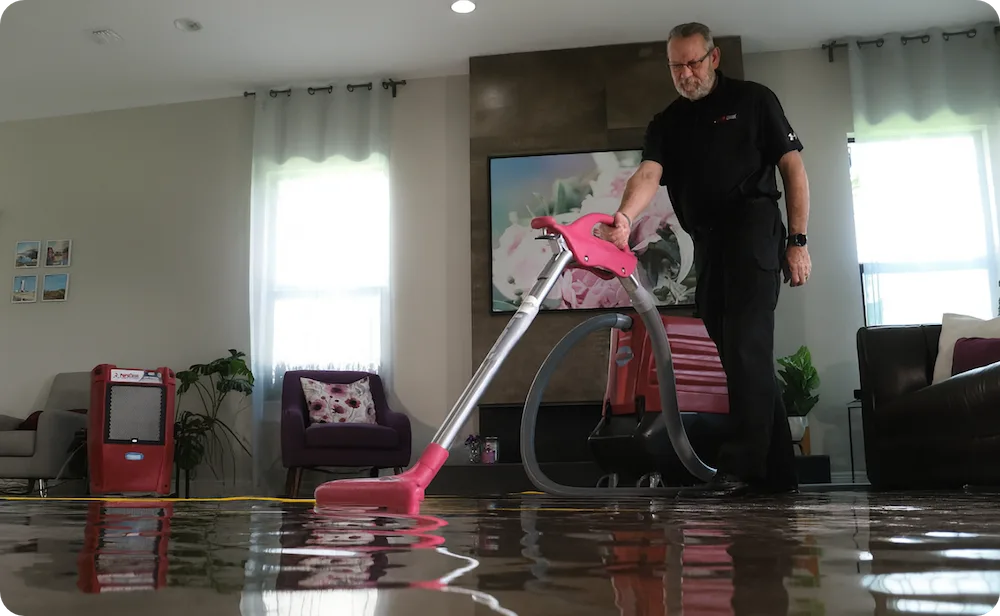
Water damage can result from unexpected leaks, flooding from storms, plumbing failures, or appliance malfunctions. Our certified teams focus on rapid water removal, drying, and stabilization to help prevent further damage and mold growth.
 Explore Our Water Damage Mitigation Services
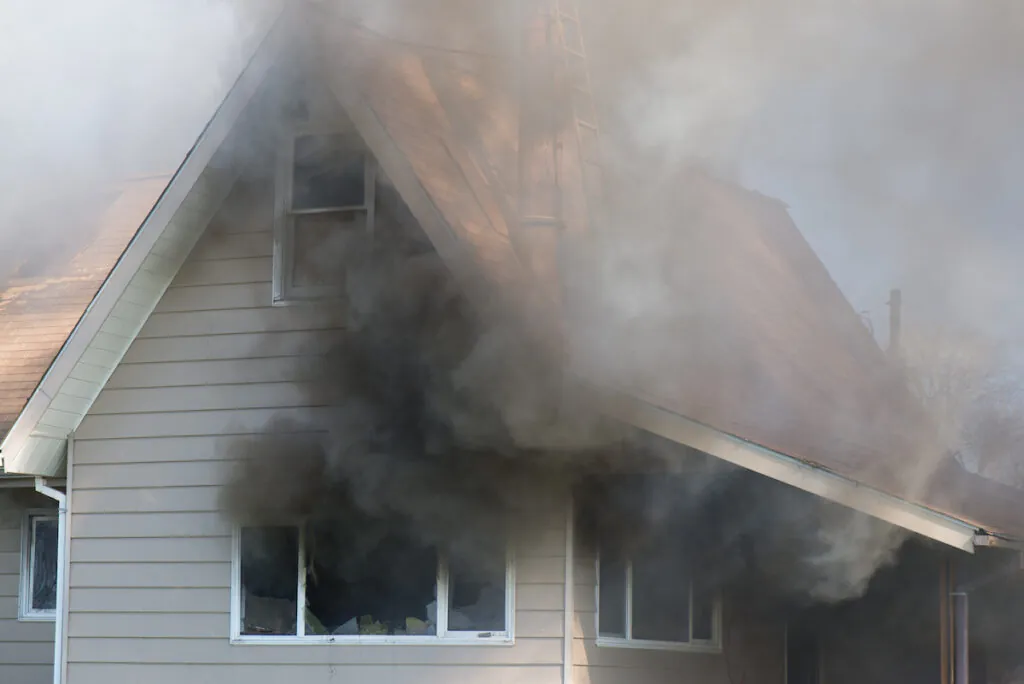
Even after a fire is extinguished, smoke, soot, and odor can continue to affect your home. Fire damage restoration services address visible damage while also helping reduce lingering effects that impact indoor air quality and surfaces.
Explore Our Fire and Smoke Damage Restoration Services
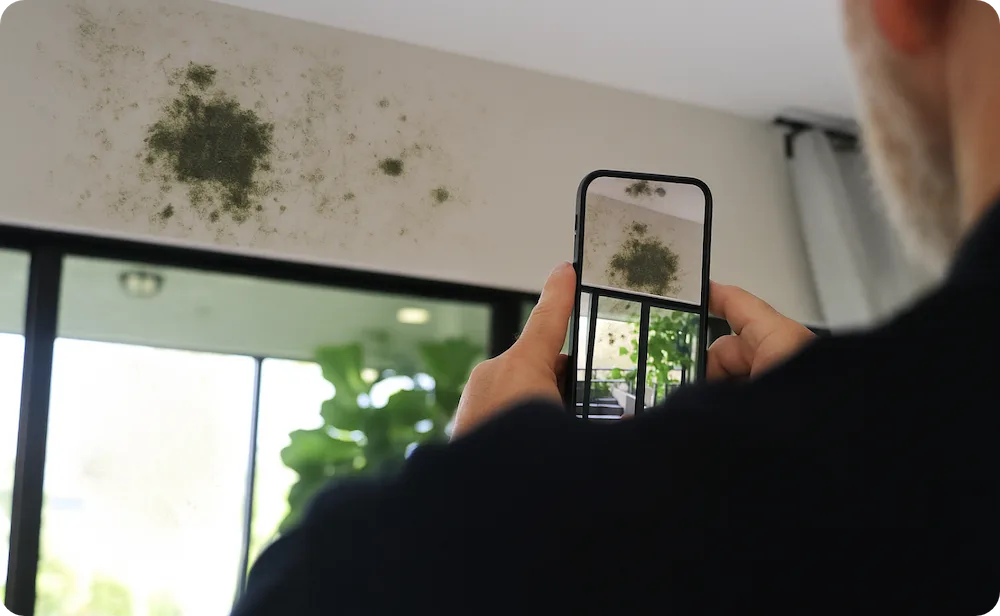
Mold often develops as a result of unresolved moisture or hidden water damage. Professional mold remediation helps identify affected areas, contain growth, and restore healthy indoor conditions.
Explore Our Mold Removal and Remediation Services
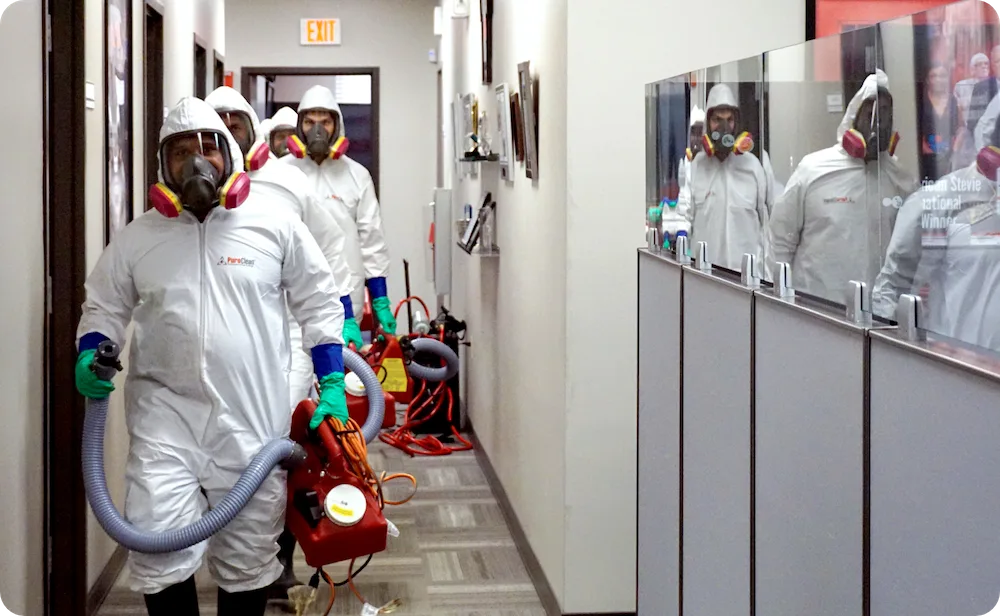
Biohazard situations, including crime scene cleanup and virus decontamination, require specialized cleaning and handling to protect health and safety. Biohazard cleanup services address contamination using proper protocols and professional care.
Explore Our Biohazard Cleanup Services
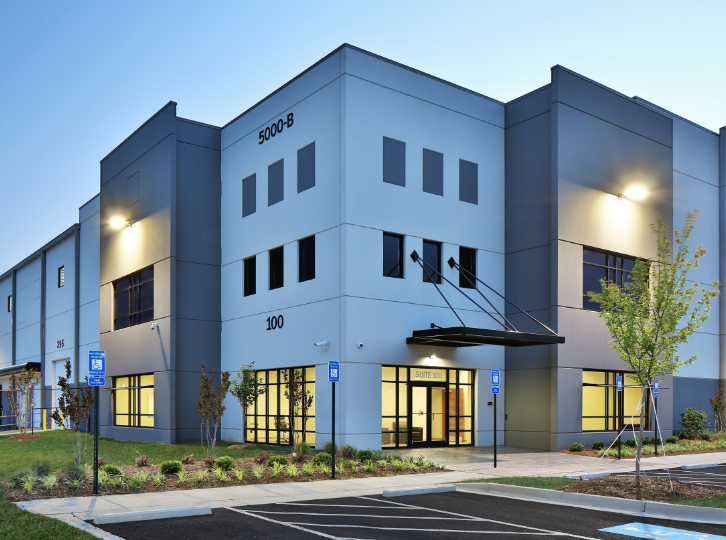
PuroClean provides 24/7 commercial property damage restoration services for businesses and facilities across the United States.
Explore Our Commercial Services
Water damage can result from unexpected leaks, flooding from storms, plumbing failures, or appliance malfunctions. Our certified teams focus on rapid water removal, drying, and stabilization to help prevent further damage and mold growth.
Explore Our Water Damage Mitigation Services
Menasha-specific questions we hear most from homeowners and business owners
Yes. Homes near Doty Island and the historic downtown were often built in the 1800s and early 1900s, close to the Fox River’s north and south channels, and many still have original plumbing and sewer infrastructure that predates modern code. Being sandwiched between two channels also means these homes tend to sit on ground with a naturally higher water table than properties farther from the river. We factor both the construction age and the proximity to water into our assessment, using moisture meters and thermal imaging to determine whether you’re dealing with a plumbing failure, groundwater intrusion, or both.
From our Appleton shop, the newer neighborhoods on Menasha’s east side are typically a first-hour response, reached via WI-47 south to Third and De Pere Streets. Sump pump failures in this part of the city are almost always tied to a power outage during a storm or a pump overwhelmed by rapid snowmelt. Standing water in a finished basement can start supporting mold growth within 24 to 48 hours, so we prioritize getting extraction and drying equipment on site quickly, especially during spring thaw when these calls tend to cluster.
Commercial and industrial properties near Menasha’s packaging and manufacturing employers often involve larger square footage, process equipment, and sometimes a mix of water sources that a residential loss doesn’t, so the scope and documentation scale up accordingly. We still start with the same moisture mapping and photo evidence used on a home, but prepare a commercial-scale Xactimate estimate and coordinate directly with your property and business interruption adjusters, since minimizing downtime matters for production schedules as well as revenue.
It does. Lake Winnebago’s open surface gives wind systems a long run before they reach the shoreline, which means homes directly on the lake tend to see more wind-driven rain intrusion and heavier ice buildup during winter storms than properties set back from the water. Older homes with steep, complex rooflines are especially prone to ice damming after a snow squall followed by a thaw. We document the ice formation and use thermal imaging to trace how far moisture migrated into the ceiling and wall cavities before it becomes visible from inside.
Not for the restoration work itself. Moisture doesn’t stop at a city line, and neither do we — we serve both sides of Doty Island. What can differ is which municipal building department handles permitting for any reconstruction work, since your exact address determines whether that falls under Menasha or Neenah. We identify the correct jurisdiction early in the process and coordinate that permitting directly, so you’re not the one sorting out which city to call while you’re also dealing with the damage.
What Our Customers Say:
When you need water damage restoration services near you, call the experts at PuroClean. We are here day or night, 24/7, to help remove any standing water quickly and begin your water restoration service. We monitor the drying process so you can rest assured that your property is dried thoroughly. We offer commercial water restoration services for businesses and residential water damage restoration for homeowners.

PuroClean of Appleton
(920) 944-2320
400 S Linwood Ave, #4, Appleton, WI 54914

© 2026 PuroClean. All Rights Reserved.