PuroClean of Appleton — 400 S Linwood Ave, #4, Appleton, WI 54914
Harrison’s story starts as the Town of Lima, chartered in 1853 and renamed the Town of Harrison in 1858. For a century and a half it stayed rural, organized loosely around two unincorporated hamlets, Sherwood and Darboy, that grew up along the old plank roads. It wasn’t until March 8, 2013, that the northwestern part of the town broke away, together with a strip of the neighboring Town of Buchanan along County Trunk Highway KK, to form the Village of Harrison. That boundary quirk is why Darboy today straddles two municipalities and still gets referred to as one place by residents on both sides of the line. Harrison’s southwest edge runs along Lake Winnebago itself, and High Cliff State Park sits partly within the village — 1,187 acres of limestone escarpment, effigy mounds built by Late Woodland peoples, and the ruins of a lime-kiln industry that operated into the 1950s.
That geography splits Harrison’s property risk right down the middle. The eastern and southern parts of the village are still working dairy country, with older farmhouses and outbuildings dating back generations. The northwestern corner, closest to Appleton and Menasha, is the opposite story — one of the fastest-growing residential areas in the Fox Cities, with new subdivisions going up faster than the underlying infrastructure can always keep pace. The WI-441 interchange at County KK, right at the edge of Darboy, has become the busiest interchange on the freeway thanks to the commercial growth around it. Add the lakefront homes near North Shore Golf Club, built in 1930 along Lake Winnebago’s north shore, and our crews see a genuinely wide range of properties in a single village. Here’s what we’re called out for most often:
Harrison sits just east of our shop at 400 S Linwood Ave, and it’s one of our fastest service areas to reach. For most calls, we take WI-441 north to the County KK exit — Calumet Street — the same interchange that’s become the busiest on the freeway because of the growth around it. From there, Calumet Street runs straight into Darboy and the surrounding Harrison neighborhoods, with County N providing a direct connection south toward the older, established parts of the village. That route gets our crews to the Darboy commercial corridor and the newer residential streets nearby within our first-hour response window.
For calls closer to the lakefront or High Cliff State Park, we typically take College Avenue east to County CE, then follow State Park Road south into the village’s southwestern neighborhoods near North Shore Golf Club and the Lake Winnebago shoreline. Midway Road, extended by the village as a controlled-access route through a growing residential area, gives us another way into northwestern Harrison without routing through the busier Calumet Street corridor. For the farming communities in Harrison’s eastern and southern reaches, Coop Road connects us south toward Manitowoc Road and the rural properties near Woodland High School. Because Harrison borders both Appleton and Menasha directly, and shares boundary lines with Sherwood, Stockbridge, and Woodville, we plan every route to keep response times consistent no matter which corner of the village the call comes from.
Harrison’s location on the Niagara Escarpment is unusual for the Fox Cities. The limestone cliffs that make High Cliff State Park a destination also mean the soil in that part of the village is thin over bedrock, which changes how water moves after a heavy rain — instead of soaking in evenly, runoff can concentrate quickly toward the lake and toward low-lying properties near the shoreline. Homes closest to Lake Winnebago itself sit on ground with a naturally elevated water table, and older lake-adjacent construction, including cottages and homes built decades before the village existed, wasn’t always designed with modern moisture barriers or updated plumbing in mind.
The rest of the village tells a different story. Harrison’s eastern and southern reaches remain active dairy farmland, and the older farmhouses out there often have original plumbing, private wells, and septic systems that weren’t built to modern code — a hard winter cold snap is a common trigger for frozen and burst pipes in these older rural properties. Meanwhile, the northwestern part of the village, closest to Appleton and Menasha, has seen some of the fastest residential growth in the entire Fox Cities region since incorporation in 2013. New subdivisions here depend heavily on sump systems and modern drain tile, and because so much of this growth happened quickly, we occasionally see water damage tied to construction and roofing defects in homes that are barely a few years old rather than the usual wear-and-tear failures of an established neighborhood.
Kankapot Creek and other minor waterways running through northeastern Harrison add another drainage path that can back up during intense storms, particularly where development has outpaced the sewer and stormwater infrastructure originally sized for a much smaller rural population. Winter freeze-thaw cycles affect the whole village, but the impact varies by neighborhood — older farmhouses and lake cottages face burst-pipe risk from uninsulated or outdated plumbing, while newer subdivisions are more likely to see ice damming on complex modern rooflines or sump pump failure during a power outage in spring. Whatever the source, our technicians document every loss with moisture meters, hygrometers, and thermal imaging to build an accurate scope before any demolition begins.
Owned & Operated by Osagie Enodunmwenben
400 S Linwood Ave, Appleton, WI, 54914
(920) 944-2320
Water damage can result from unexpected leaks, flooding from storms, plumbing failures, or appliance malfunctions. Our certified teams focus on rapid water removal, drying, and stabilization to help prevent further damage and mold growth.
 Explore Our Water Damage Mitigation Services
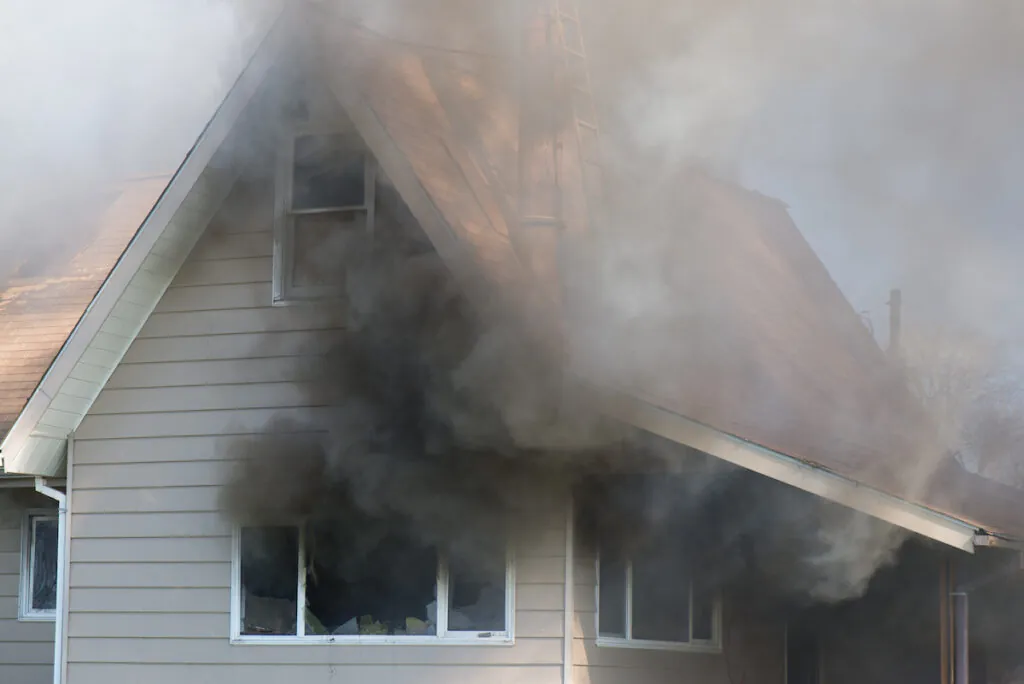
Even after a fire is extinguished, smoke, soot, and odor can continue to affect your home. Fire damage restoration services address visible damage while also helping reduce lingering effects that impact indoor air quality and surfaces.
Explore Our Fire and Smoke Damage Restoration Services
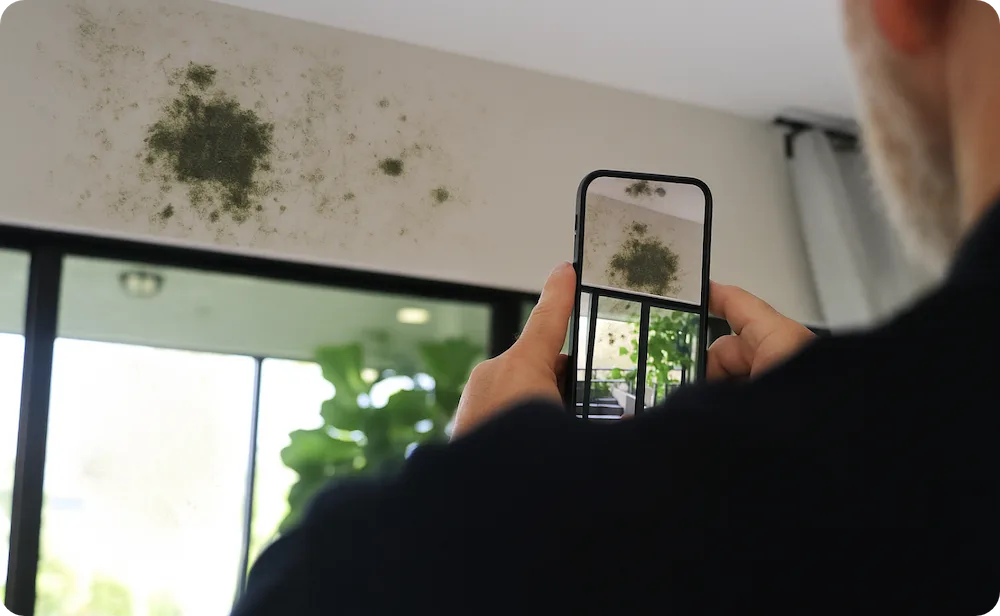
Mold often develops as a result of unresolved moisture or hidden water damage. Professional mold remediation helps identify affected areas, contain growth, and restore healthy indoor conditions.
Explore Our Mold Removal and Remediation Services
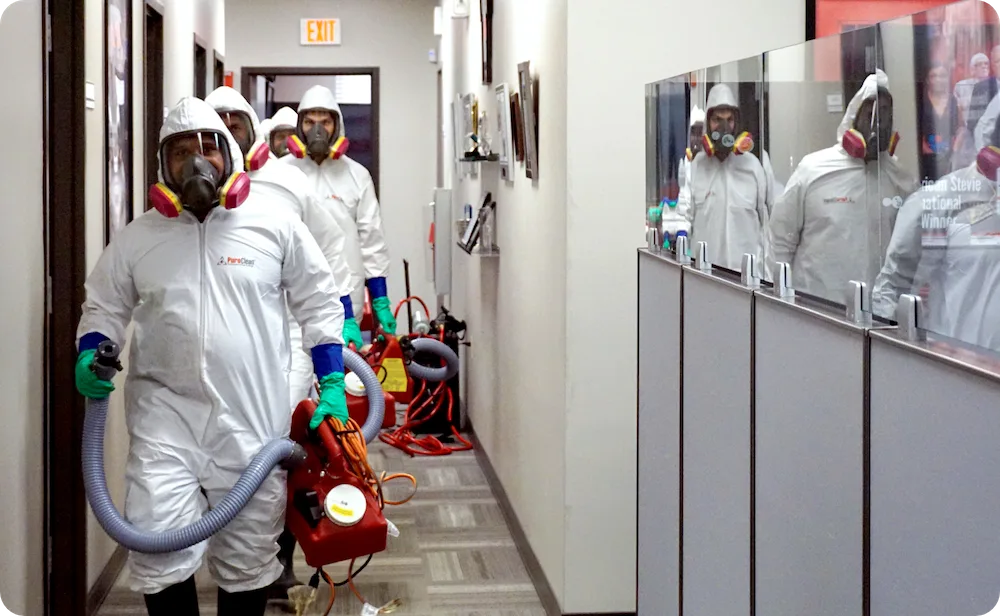
Biohazard situations, including crime scene cleanup and virus decontamination, require specialized cleaning and handling to protect health and safety. Biohazard cleanup services address contamination using proper protocols and professional care.
Explore Our Biohazard Cleanup Services
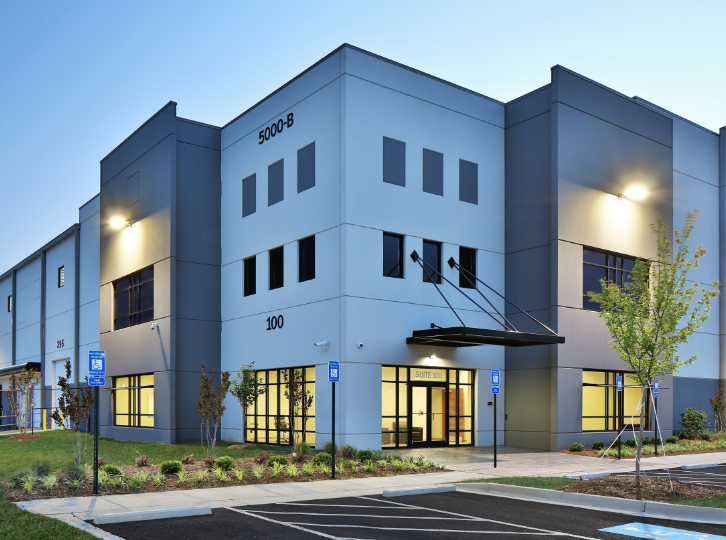
PuroClean provides 24/7 commercial property damage restoration services for businesses and facilities across the United States.
Explore Our Commercial Services
Water damage can result from unexpected leaks, flooding from storms, plumbing failures, or appliance malfunctions. Our certified teams focus on rapid water removal, drying, and stabilization to help prevent further damage and mold growth.
Explore Our Water Damage Mitigation Services
Harrison-specific questions we hear most from homeowners and business owners
Yes. Many farmhouses in Harrison’s eastern and southern reaches rely on private wells and septic systems rather than municipal water and sewer, which affects both the water source classification and the cleanup approach for a loss. A failed well pressure tank or a septic backup requires different containment and disposal protocols than a municipal sewer backup, and we factor that into the initial assessment. We also look closely at plumbing age and insulation in these older rural properties, since original pipe runs along exterior walls are a common source of winter freeze damage.
It can. The thin soil over bedrock near High Cliff means rainwater doesn’t always absorb evenly the way it would on deeper, well-drained soil elsewhere in the Fox Cities, and homes closest to the lake sit on ground with a naturally higher water table. That combination can produce recurring basement or crawlspace moisture even without an obvious plumbing failure. We use moisture meters and thermal imaging to determine whether you’re dealing with groundwater intrusion, surface runoff, or a hidden leak, since the fix looks different for each.
It’s worth investigating. Harrison’s northwestern neighborhoods have grown quickly since the village incorporated in 2013, and rapid new-home construction occasionally means a plumbing connection, roof flashing detail, or grading issue slips through that wouldn’t show up until the home has been through a season or two of weather. If we find evidence pointing to a construction or workmanship issue rather than normal wear, we document it clearly with photos and moisture readings, which can matter for a warranty claim with your builder in addition to any insurance claim.
The Darboy-area commercial corridor around County KK has grown into one of the busiest sections of Harrison, and a water loss there often means larger square footage, tenant coordination, and a faster clock on lost revenue. We treat commercial losses in this corridor with the same moisture mapping and documentation used on any claim, but scale the estimate and crew size to the property, and coordinate directly with property managers and business interruption adjusters so operations can resume as quickly as possible.
Not for the restoration work itself — moisture doesn’t stop at a municipal boundary, and neither do we. Darboy is served across both the Village of Harrison and the Town of Buchanan, so depending on your exact address, permitting for any reconstruction work may go through a different local building department. We identify the correct jurisdiction early in the process and handle that coordination directly, so you’re not the one figuring out which municipality your permit needs to come from while you’re also dealing with the damage itself.
What Our Customers Say:
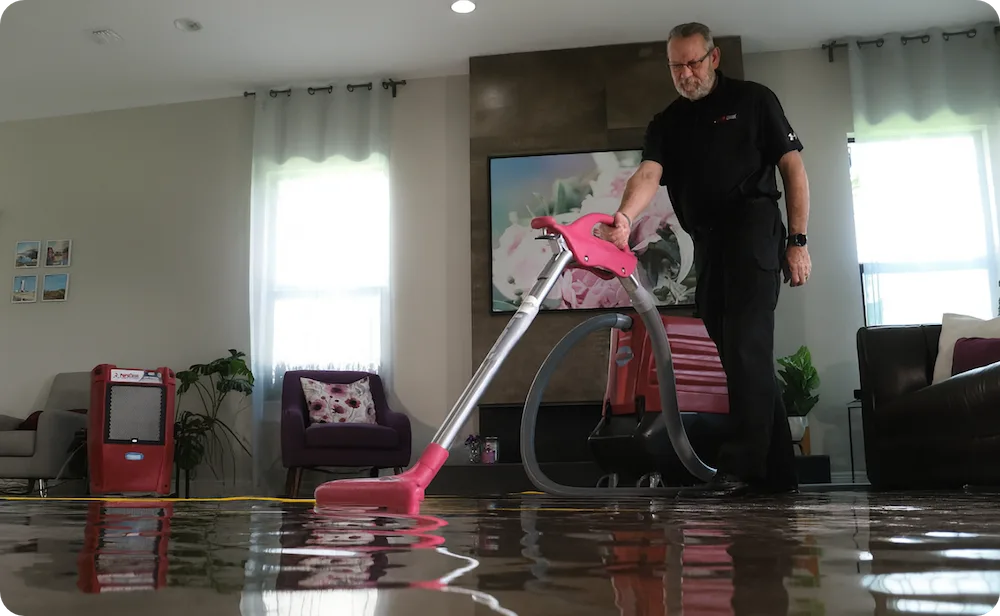
When you need water damage restoration services near you, call the experts at PuroClean. We are here day or night, 24/7, to help remove any standing water quickly and begin your water restoration service. We monitor the drying process so you can rest assured that your property is dried thoroughly. We offer commercial water restoration services for businesses and residential water damage restoration for homeowners.

PuroClean of Appleton
(920) 944-2320
400 S Linwood Ave, #4, Appleton, WI 54914

© 2026 PuroClean. All Rights Reserved.