Water Damage Restoration Service in New London, Wisconsin for Homes and Businesses

PuroClean of Appleton — 400 S Linwood Ave, #4, Appleton, WI 54914

Where Two Rivers Meet: Restoration Help for New London’s Flood-Tested Riverfront Community

New London sits at the confluence of the Wolf and Embarrass Rivers, a junction that’s defined the city since William Johnson established a trading post here in 1848. The community went through several unofficial names — Johnson’s Trading Post, The Mouth of the Embarrass, Taft’s Landing — before Reverend Reeder Smith, who also founded Appleton and Lawrence University, suggested ‘New London’ in 1854, honoring his father’s birthplace of New London, Connecticut. The city straddles both Outagamie and Waupaca Counties, with the Wolf River dividing the two plats: Lucius Taft’s patent covering the north side, and Smith’s plat laid out south of the river in 1853. The French-named Embarrass River — ’embarrass’ meaning obstruction, for the logjams that blocked early voyageurs — joins the Wolf River right at New London, along with the Little Wolf River just upstream.

That confluence made New London a major lumber center and steamboat terminus in the 1800s, and the city’s downtown still reflects this riverfront heritage — the Grand Cinema Theatres building, constructed in 1895 as an opera house before becoming a movie theater, anchors the historic commercial district. Today, New London is known for its annual St. Patrick’s Day Parade and Irish Fest, when the city renames itself ‘New Dublin’ for a week, and for genuinely excellent fishing — some of the earliest walleye fishing in the state happens here, where the Wolf River remains one of the few ‘wild’ rivers in America. The Newton Blackmour State Trail connects New London to Seymour over 24 miles, and Shamrock Heights Golf and Supper Club rounds out the recreational character of a city where two major rivers, several historic neighborhoods, and a working downtown all sit close together.

Here’s what we’re typically called out for in New London:

  • Flooding from the Wolf and Embarrass Rivers affecting homes and businesses near the downtown core
  • Basement and foundation seepage in homes near Shawano Street and the historic river plats
  • Sump pump failure in residential neighborhoods throughout the city
  • Storm-related flooding in the commercial district despite existing retaining walls and bypass channels
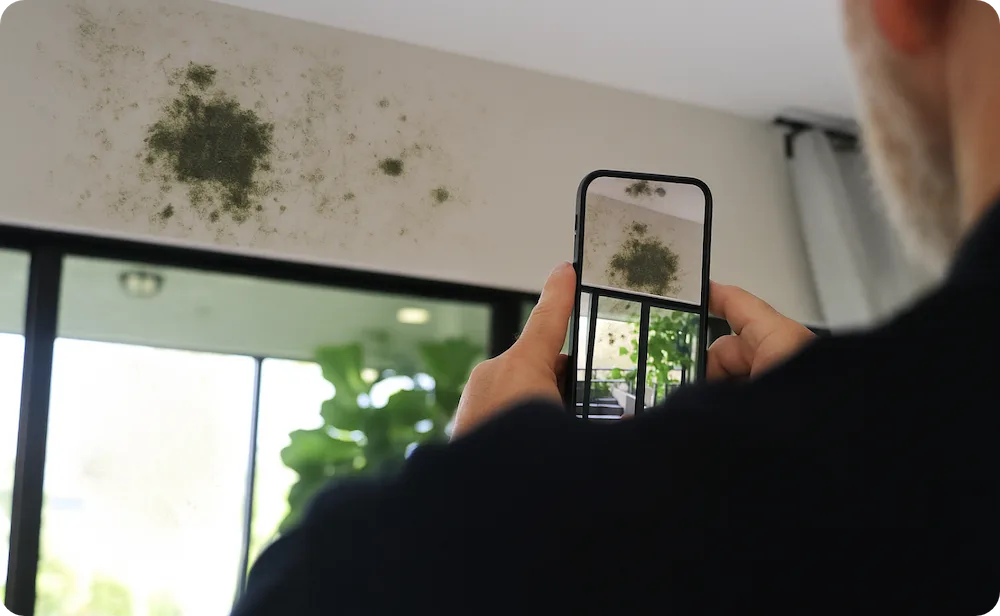
  • Mold growth in basements near the river confluence from chronic flood-related humidity
  • Sewer backup and Category 3 sewage cleanup in older homes near the downtown commercial district
  • Water damage to commercial buildings near the historic Grand Cinema and downtown corridor
  • Frozen and burst pipes in century-old homes throughout New London’s established neighborhoods
  • Storm and wind damage to roofs on homes and buildings citywide
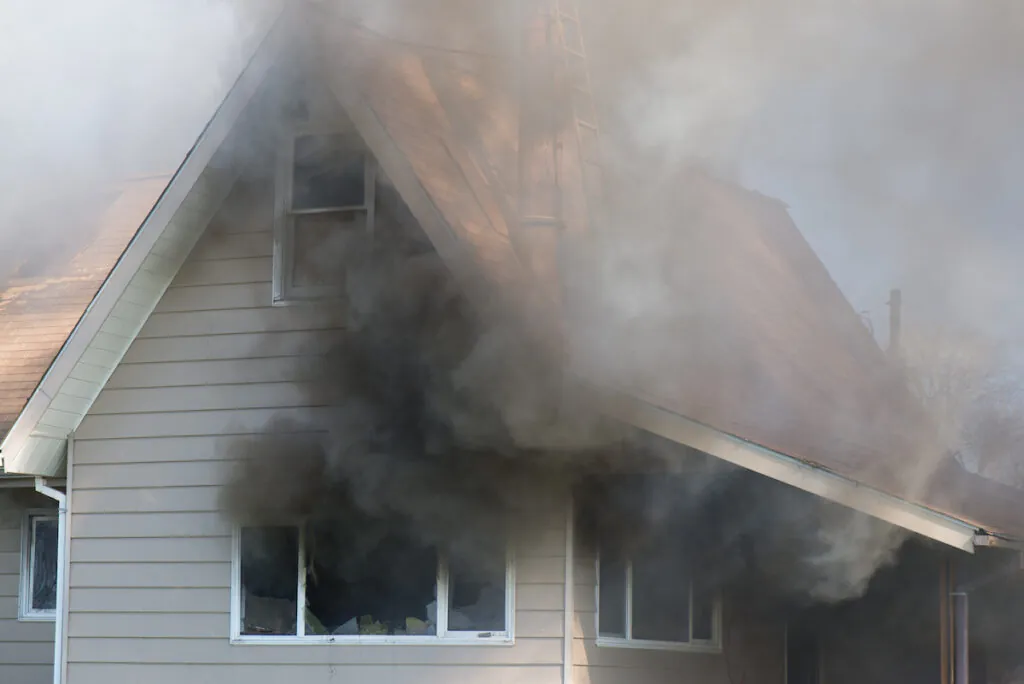
  • Fire and smoke damage cleanup for homes and businesses, including odor and soot removal

How We Get to New London From Our Appleton Location

Our team is based at 400 S Linwood Ave in Appleton, and New London sits about 20 miles west via Highway 54 or Highway 96, both of which connect directly into the city. For most calls, our trucks take Highway 54 west, which brings us into New London near the downtown core and the historic district around the Grand Cinema and the Wolf River crossing. This route generally keeps New London calls within our 1-2 hour emergency response window.

For homes on the north side of the Wolf River, in the area originally platted from Lucius Taft’s land patent, we cross via one of the bridges into that part of the city. For the south side, including the area Reeder Smith originally platted in 1853, we have more direct access from Highway 54. Because New London straddles both Outagamie and Waupaca Counties, our dispatch team treats this as a single service area regardless of which county a specific address falls in. During active flood events on the Wolf or Embarrass Rivers, our routing accounts for the retaining walls and bypass channel in the commercial district, since these features affect which streets remain passable when water levels rise — something our technicians have direct experience navigating given New London’s documented flood history.

What Drives Water, Mold, and Fire Risk in New London

New London has one of the most extensively documented flood histories in our entire service area. Historical accounts identify major Wolf River floods in 1888, 1912, 1922, 1952, 1960, and 1973, with the 1973 flood reaching a discharge of 14,000 cubic feet per second and causing extensive community damage. The 1922 flood remains particularly well-documented: contemporary newspaper accounts describe the Embarrass River overflowing across Shawano Street, with water reaching about 18 inches deep by Sunday evening and over three feet in some sections of the street by Wednesday — described at the time as the ‘highest water in history,’ with the Green Bay and Western Railroad tracks washed out and pavement caving in across the Wolf and Embarrass Valleys. In direct response to this history, the city built concrete retaining walls to confine the Wolf River’s flow through the commercial district under normal conditions, and constructed a bypass channel to the Embarrass River between the Green Bay and Western Railroad and State Highway 54 specifically to reduce Embarrass River flooding.

Even with these flood-control measures in place, New London’s position at the confluence of two significant rivers — the Wolf, which drains a massive watershed from the Chequamegon-Nicolet National Forest through Langlade, Menominee, and Shawano Counties before reaching New London, and the 62-mile Embarrass River, which collects water from three branches before joining the Wolf here — means the city remains genuinely exposed to river flooding during major precipitation events upstream, even when local rainfall in New London itself is modest. This is fundamentally different from flash-flooding risk driven by local storm sewers; it’s watershed-scale river flooding that can arrive even when the skies over New London are clear, simply because of what’s happening upstream in Langlade or Shawano County.

The age of New London’s downtown and historic neighborhoods compounds river-related risk. Buildings like the 1895 Grand Cinema and the homes built on both the Taft and Smith plats from the 1850s have foundations from well over a century ago, designed for a flood-control environment that’s evolved significantly since the 1922 and 1973 events. These older structures can have basements and lower floors that sit closer to historic flood levels than modern building codes would permit for new construction, and their foundation materials — often stone or early masonry — respond differently to repeated flood exposure than modern poured concrete. On the fire side, New London’s mix of a dense historic downtown with wood-frame commercial buildings from the late 1800s and surrounding residential neighborhoods gives the city a fire risk profile shaped by both its age and its role as a regional commercial hub for the surrounding Wolf River Valley communities.

PuroClean of Appleton

Owned & Operated by Osagie Enodunmwenben

400 S Linwood Ave, Appleton, WI, 54914

(920) 944-2320

Commercial and Residential Services We Provide

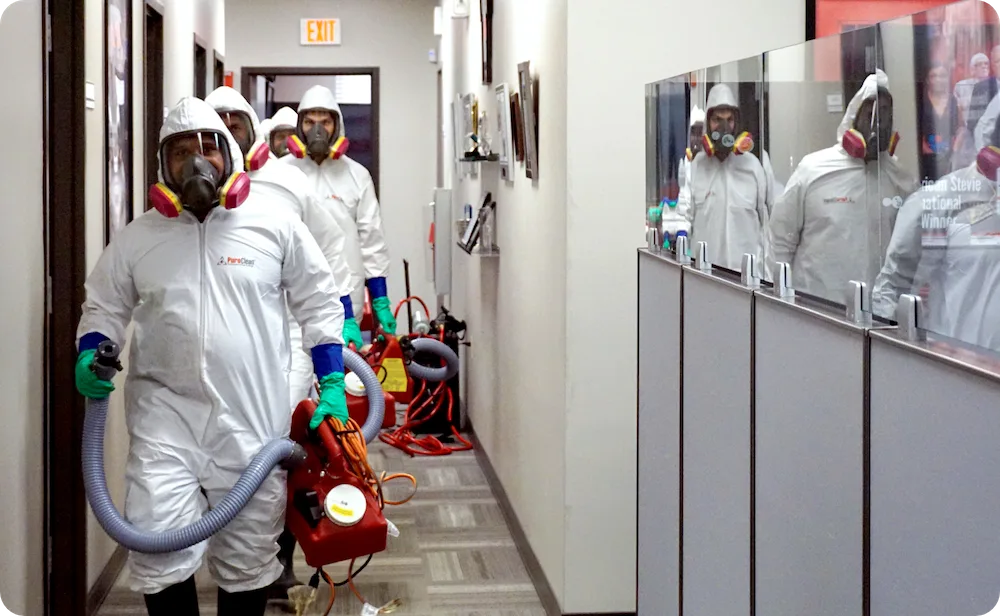
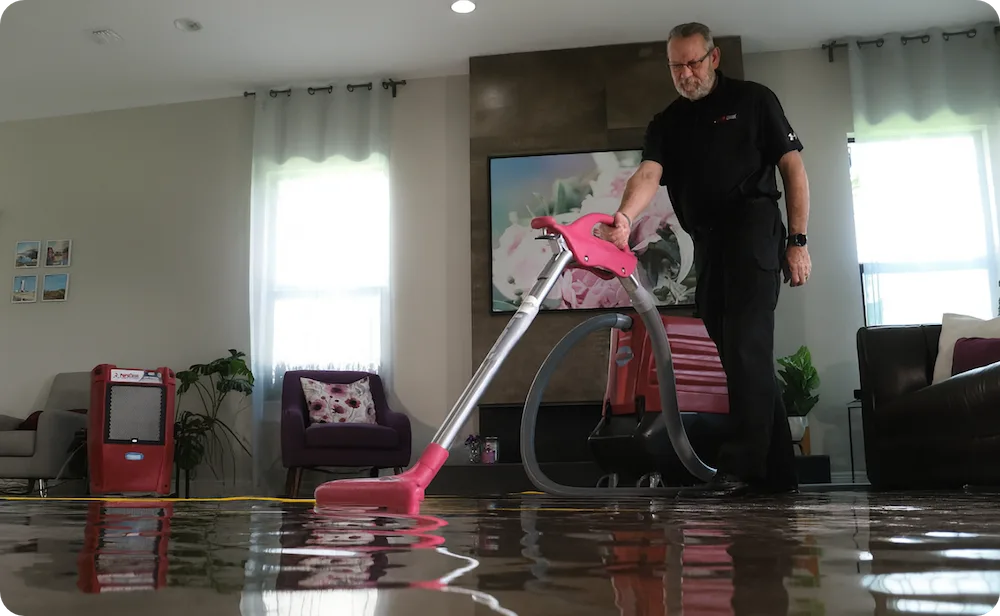
Water damage can result from unexpected leaks, flooding from storms, plumbing failures, or appliance malfunctions. Our certified teams focus on rapid water removal, drying, and stabilization to help prevent further damage and mold growth.

Linking Arrow Explore Our Water Damage Mitigation Services
Even after a fire is extinguished, smoke, soot, and odor can continue to affect your home. Fire damage restoration services address visible damage while also helping reduce lingering effects that impact indoor air quality and surfaces.

Linking Arrow Explore Our Fire and Smoke Damage Restoration Services

Mold often develops as a result of unresolved moisture or hidden water damage. Professional mold remediation helps identify affected areas, contain growth, and restore healthy indoor conditions.

Linking Arrow Explore Our Mold Removal and Remediation Services

Biohazard situations, including crime scene cleanup and virus decontamination, require specialized cleaning and handling to protect health and safety. Biohazard cleanup services address contamination using proper protocols and professional care.

Linking Arrow Explore Our Biohazard Cleanup Services

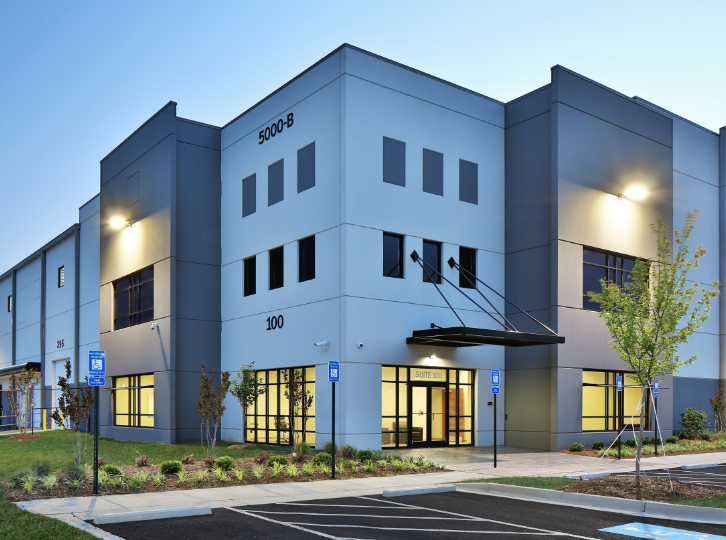
PuroClean provides 24/7 commercial property damage restoration services for businesses and facilities across the United States.

Linking Arrow Explore Our Commercial Services

Frequently Asked Questions

Common questions from New London homeowners and business owners about water, mold, and fire damage restoration.

This is one of the most distinctive aspects of New London’s flood risk. The Wolf River drains a massive watershed stretching from the Chequamegon-Nicolet National Forest through Langlade, Menominee, and Shawano Counties, and the Embarrass River collects water from three branches before reaching New London. Heavy rain or snowmelt far upstream can raise river levels here days later, even if New London itself stayed dry. This is genuinely river flooding rather than local storm runoff, which is why an NFIP flood policy is worth discussing with your insurance agent if you’re in a flood-prone area near the river confluence.

The retaining walls built to confine the Wolf River’s flow and the bypass channel constructed for the Embarrass River have significantly reduced flooding in the commercial district compared to the 1922 event, when the Embarrass overflowed across Shawano Street and reached over three feet deep in places. That said, these measures are designed for typical high-water conditions, not necessarily for an event on the scale of the 1973 flood, which reached 14,000 cfs. If your property is near Shawano Street, we’d recommend discussing your specific flood risk and any NFIP coverage options with your insurance agent, since proximity to this historically flood-prone area is worth factoring into your coverage decisions.

Yes, both factors matter significantly here. Buildings from New London’s late-1800s commercial boom, like the Grand Cinema building constructed in 1895, often have foundations and lower floors that sit closer to historic flood levels than modern construction would allow, and materials from this era — typically stone or early masonry — can retain moisture differently than modern poured concrete, especially given repeated exposure to river flooding over more than a century. During our assessment, we use moisture meters to establish how your specific building’s materials are responding, accounting for both the age of construction and the proximity to the river confluence.

New London is about 20 miles from our Appleton location via Highway 54, which generally keeps us within our 1-2 hour emergency response window. During a watershed-scale flood event, where rivers are rising due to upstream conditions, our routing accounts for which streets near the retaining walls and bypass channel may be affected, drawing on New London’s documented flood patterns. Because river flooding here can develop somewhat more gradually than a flash flood, there’s often more lead time to respond before water reaches its peak, which can help us position equipment more effectively.

Generally, yes, particularly for properties that have experienced past flood events. New London’s documented flood history — with major events in 1888, 1912, 1922, 1952, 1960, and 1973 — means a meaningful number of homes and buildings near the Wolf and Embarrass River confluence have taken on water before, sometimes repeatedly. Materials in these structures may already be holding more ambient moisture than they should, which can accelerate mold development when any new water intrusion occurs, since mold can begin developing within 24 to 48 hours. A mold inspection using moisture meters can help establish whether past flood exposure has left lingering moisture in framing or subfloor materials.

Still have questions? Call us Now

Testimonials

What Our Customers Say:

Need Urgent Restoration Services?

When you need water damage restoration services near you, call the experts at PuroClean. We are here day or night, 24/7, to help remove any standing water quickly and begin your water restoration service. We monitor the drying process so you can rest assured that your property is dried thoroughly. We offer commercial water restoration services for businesses and residential water damage restoration for homeowners.

PuroClean of Appleton

Contact Us for 24/7 Emergency Response

(920) 944-2320

Contact Us
PuroClean of Appleton
CALL NOW

PuroClean of Appleton

(920) 944-2320

400 S Linwood Ave, #4, Appleton, WI 54914

Facebook Icon
© 2026 PuroClean. All Rights Reserved.
Design by BrightPinkAgency