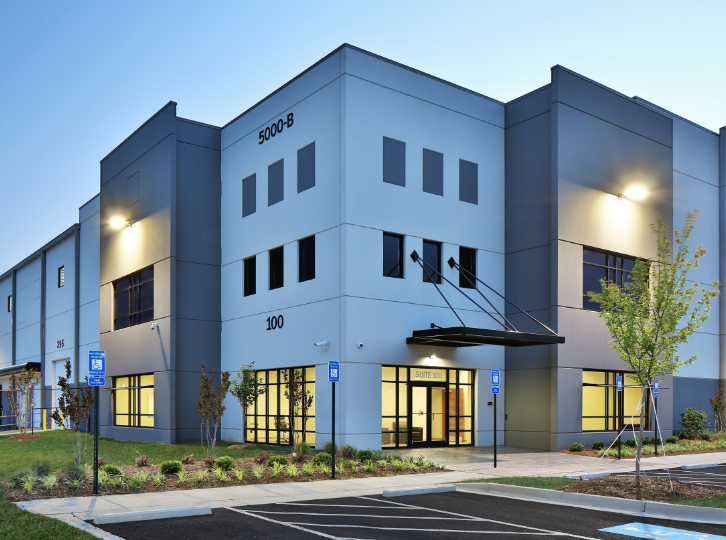
PuroClean of Appleton — 400 S Linwood Ave, #4, Appleton, WI 54914
Oneida sits on Wisconsin Highway 54, near the center of the Oneida Nation of Wisconsin reservation, for which the community is named. The Oneida people relocated here from upstate New York after the Revolutionary War, and the 1838 Treaty with the Oneida established a 65,400-acre reservation along Duck Creek — land the Oneida Nation has called home for nearly 200 years. Cornelius Hill, the last hereditary chief of the Oneida Nation, lived and died here in 1907, and his legacy as both a tribal leader and an ordained Episcopal priest reflects the community’s layered history. Today, the Norbert Hill Center — a former Catholic seminary and school named for Norbert Hill, who was instrumental in the Oneida Nation acquiring the building — serves as the Nation’s administrative headquarters, houses Oneida High School, and hosts the Oneida Nation’s annual Fourth of July Pow Wow, one of the largest in the Midwest.
The community blends tribal government, education, agriculture, and residential neighborhoods in a way that’s distinct from anywhere else in our service area. The Oneida Nation School System operates a K-12 tribal school here, and the College of Menominee Nation maintains a campus in Oneida as well. West of town, at the junction of Highway 54 and Cooper Road, the Oneida Buffalo herd — about 150 head split across two pastures — grazes as part of the Nation’s broader effort to restore traditional land uses, alongside a 2,400-tree apple orchard the tribe reacquired in 1994 and ongoing restoration of roughly 420 acres of upland prairie and 50 acres of wetland habitat along Duck Creek. The Oneida Nation Museum tells this history to visitors, while the Oneida Market on Packerland Drive reflects the community’s continued economic presence. With reservation housing, agricultural land, tribal institutional buildings, and residential neighborhoods all sharing this stretch of Highway 54, Oneida presents a genuinely distinctive mix of property types.
Here’s what we’re typically called out for in Oneida:
Our team is based at 400 S Linwood Ave in Appleton, and Oneida sits about 10 to 15 miles northeast, depending on the specific destination within the community. For most calls, our trucks take Highway 54 directly, which runs through the heart of Oneida and provides access to the Norbert Hill Center, the school campuses, and the residential neighborhoods along the corridor. This route keeps Oneida calls within our 1-2 hour emergency response window, typically on the faster end given the relatively short distance.
For properties west of the community center, near the buffalo herd and apple orchard at the Highway 54 and Cooper Road junction, we continue along Highway 54 toward that intersection. For homes and buildings near Duck Creek, including areas close to the wetland restoration sites, we connect from Highway 54 onto local roads that follow the creek corridor. Given Oneida’s reservation status, our technicians are mindful that some properties may involve coordination with Oneida Nation housing authorities or tribal property management for documentation purposes, particularly for insurance claims involving tribal trust land — similar to how we approach calls in neighboring Hobart, which shares the same reservation boundaries. Our dispatch team is familiar with the Highway 54 corridor and the layout of Oneida’s institutional and residential areas.
Oneida’s relationship with Duck Creek is central to its water risk profile, much as it is for the broader reservation. The 1838 Treaty with the Oneida established the reservation specifically along Duck Creek, and nearly two centuries later, the Oneida Nation continues active restoration work along this corridor — roughly 50 acres of wetland habitat restoration alongside the upland prairie work near the community. Wetland and creek corridor areas inherently carry higher ambient ground moisture than upland terrain, and properties near these restoration zones can experience basement seepage and crawlspace moisture that takes longer to resolve naturally than properties on higher ground elsewhere along the Highway 54 corridor. The restoration work itself, while ecologically valuable, also means that water management in this area is actively evolving as wetland areas are returned to a more natural hydrological state.
The mix of institutional, agricultural, and residential properties in Oneida creates varied building types with correspondingly varied risk factors. The Norbert Hill Center itself is a former Catholic seminary and school, meaning its core structure dates back to an earlier era of construction with foundation and plumbing systems quite different from the tribal housing built in more recent decades. Properties near the apple orchard and buffalo pastures west of town include agricultural outbuildings that face the same humidity and insulation challenges common to agricultural structures throughout our service area — feed storage, equipment buildings, and pasture-adjacent structures that can run more humid than residential buildings and have less protection against winter cold.
Housing age varies considerably across Oneida as well, reflecting the community’s nearly 200-year history on this land. Some residential areas reflect more recent reservation housing development, while other structures and institutional buildings — including those tied to the community’s educational and religious history — are considerably older. On the fire side, this mix means our caseload spans modern residential construction with standard electrical systems alongside older institutional buildings that may have wiring and heating systems requiring more careful assessment. Wisconsin’s winter cold snaps affect Oneida similarly to neighboring Hobart and the broader Green Bay area, with frozen and burst pipes a recurring concern, particularly for agricultural outbuildings near the orchard and buffalo pastures that have less insulation than primary residences.
Owned & Operated by Osagie Enodunmwenben
400 S Linwood Ave, Appleton, WI, 54914
(920) 944-2320
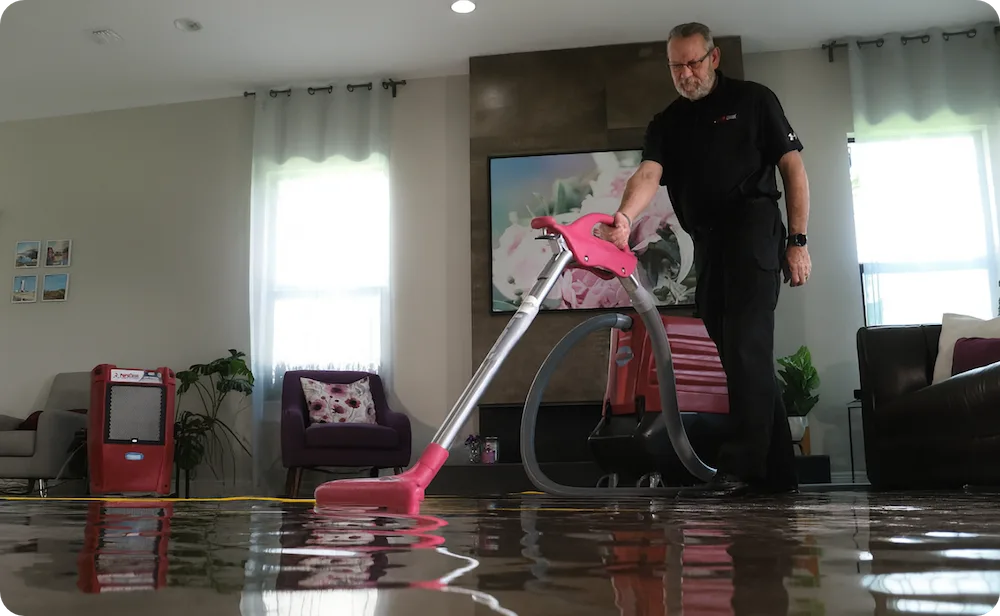
Water damage can result from unexpected leaks, flooding from storms, plumbing failures, or appliance malfunctions. Our certified teams focus on rapid water removal, drying, and stabilization to help prevent further damage and mold growth.
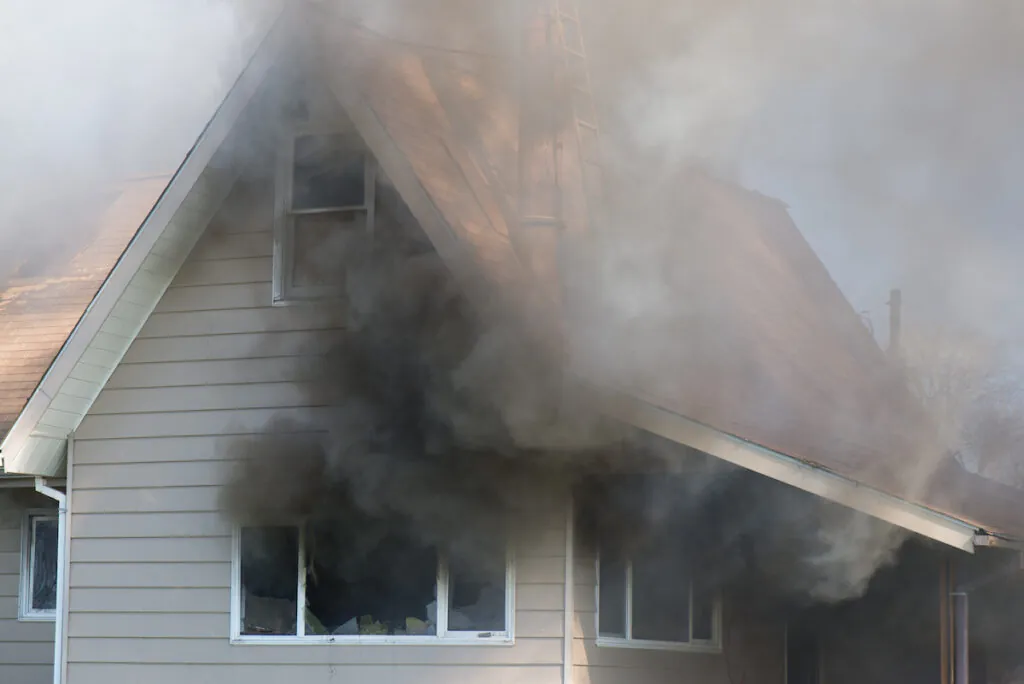
Even after a fire is extinguished, smoke, soot, and odor can continue to affect your home. Fire damage restoration services address visible damage while also helping reduce lingering effects that impact indoor air quality and surfaces.
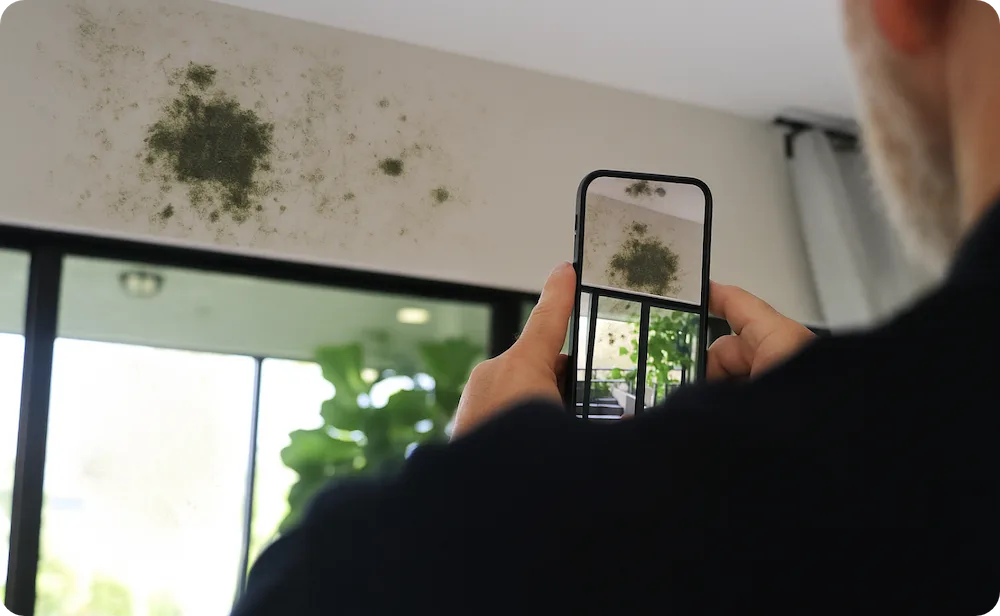
Mold often develops as a result of unresolved moisture or hidden water damage. Professional mold remediation helps identify affected areas, contain growth, and restore healthy indoor conditions.
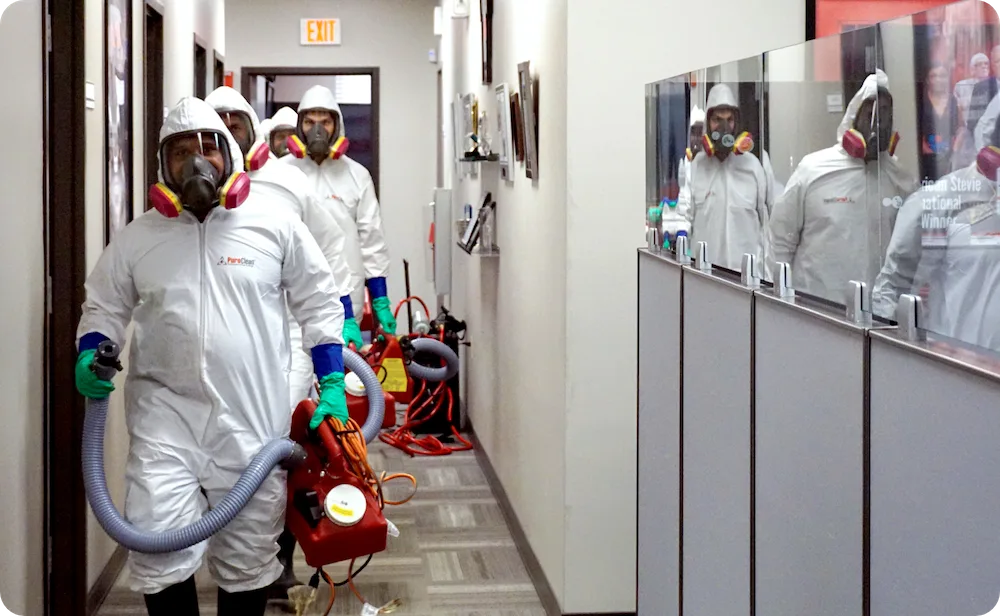
Biohazard situations, including crime scene cleanup and virus decontamination, require specialized cleaning and handling to protect health and safety. Biohazard cleanup services address contamination using proper protocols and professional care.
PuroClean provides 24/7 commercial property damage restoration services for businesses and facilities across the United States.
Water damage can result from unexpected leaks, flooding from storms, plumbing failures, or appliance malfunctions. Our certified teams focus on rapid water removal, drying, and stabilization to help prevent further damage and mold growth.
Common questions from Oneida homeowners and property owners about water, mold, and fire damage restoration.
It’s worth investigating as a possibility. Wetland restoration work along Duck Creek is designed to return areas to a more natural hydrological state, which can mean changes to how groundwater moves through the surrounding soil compared to before the restoration began. Properties near these restoration zones may experience different moisture patterns than they did previously. During our assessment, we use moisture meters to map where and how water is entering your basement, which can help determine whether the restoration work is a contributing factor or whether the issue is unrelated to the nearby creek corridor.
The mitigation and restoration work itself — extraction, drying, antimicrobial treatment, and documentation — proceeds the same way regardless of land status. Where things can differ is on the insurance and ownership side, since tribal trust land involves a different legal framework than fee simple property. We document the damage thoroughly with photos and moisture readings just as we would for any property, and we’re happy to work with whatever combination of property owner, tribal housing authority, or insurance carrier is involved in your specific situation, similar to how we handle calls in neighboring Hobart.
Oneida is about 10 to 15 miles from our Appleton location via Highway 54, which generally keeps us within our 1-2 hour emergency response window, often on the faster end given the relatively short distance. For institutional buildings like those at the Norbert Hill Center, which include a former seminary structure now serving as administrative offices and a school, we’d assess both the age-related characteristics of the original building and any modern additions, since these can have very different construction and drying needs. We prepare Xactimate-aligned, line-itemed estimates that can support institutional or tribal facility insurance processes.
Yes. The agricultural land west of Oneida, including the apple orchard reacquired by the Oneida Nation in 1994 and the buffalo pastures near Highway 54 and Cooper Road, includes outbuildings used for equipment, feed storage, and pasture management. These structures often have less insulation than residential buildings, making them more susceptible to frozen pipe bursts during Wisconsin winters. Our approach for these buildings uses the same extraction, drying, and moisture verification process as a residential job, and we document any equipment or stored material losses for insurance purposes.
Generally, yes. Properties near Duck Creek and the wetland restoration areas experience higher ambient ground moisture than homes on higher ground further from the creek corridor, which can make any water intrusion take longer to dry naturally and create more favorable conditions for mold growth, which can begin within 24 to 48 hours. Homes further from the creek, including those closer to the agricultural areas west of town or the more developed sections along Highway 54, typically have a lower baseline humidity. A mold inspection using moisture meters can help determine whether remediation is needed for any property showing signs of a persistent musty smell.
It’s worth investigating as a possibility. Wetland restoration work along Duck Creek is designed to return areas to a more natural hydrological state, which can mean changes to how groundwater moves through the surrounding soil compared to before the restoration began. Properties near these restoration zones may experience different moisture patterns than they did previously. During our assessment, we use moisture meters to map where and how water is entering your basement, which can help determine whether the restoration work is a contributing factor or whether the issue is unrelated to the nearby creek corridor.
The mitigation and restoration work itself — extraction, drying, antimicrobial treatment, and documentation — proceeds the same way regardless of land status. Where things can differ is on the insurance and ownership side, since tribal trust land involves a different legal framework than fee simple property. We document the damage thoroughly with photos and moisture readings just as we would for any property, and we’re happy to work with whatever combination of property owner, tribal housing authority, or insurance carrier is involved in your specific situation, similar to how we handle calls in neighboring Hobart.
Oneida is about 10 to 15 miles from our Appleton location via Highway 54, which generally keeps us within our 1-2 hour emergency response window, often on the faster end given the relatively short distance. For institutional buildings like those at the Norbert Hill Center, which include a former seminary structure now serving as administrative offices and a school, we’d assess both the age-related characteristics of the original building and any modern additions, since these can have very different construction and drying needs. We prepare Xactimate-aligned, line-itemed estimates that can support institutional or tribal facility insurance processes.
Yes. The agricultural land west of Oneida, including the apple orchard reacquired by the Oneida Nation in 1994 and the buffalo pastures near Highway 54 and Cooper Road, includes outbuildings used for equipment, feed storage, and pasture management. These structures often have less insulation than residential buildings, making them more susceptible to frozen pipe bursts during Wisconsin winters. Our approach for these buildings uses the same extraction, drying, and moisture verification process as a residential job, and we document any equipment or stored material losses for insurance purposes.
Generally, yes. Properties near Duck Creek and the wetland restoration areas experience higher ambient ground moisture than homes on higher ground further from the creek corridor, which can make any water intrusion take longer to dry naturally and create more favorable conditions for mold growth, which can begin within 24 to 48 hours. Homes further from the creek, including those closer to the agricultural areas west of town or the more developed sections along Highway 54, typically have a lower baseline humidity. A mold inspection using moisture meters can help determine whether remediation is needed for any property showing signs of a persistent musty smell.
What Our Customers Say:
When you need water damage restoration services near you, call the experts at PuroClean. We are here day or night, 24/7, to help remove any standing water quickly and begin your water restoration service. We monitor the drying process so you can rest assured that your property is dried thoroughly. We offer commercial water restoration services for businesses and residential water damage restoration for homeowners.
PuroClean of Appleton
(920) 944-2320
400 S Linwood Ave, #4, Appleton, WI 54914
© 2026 PuroClean. All Rights Reserved.