Water Damage Restoration Service in Dale, Wisconsin for Homes and Properties

PuroClean of Appleton — 400 S Linwood Ave, #4, Appleton, WI 54914

From the Old Railroad Plat to the Farmsteads of Today: Restoration Help for the Town of Dale

The Town of Dale was established on November 18, 1853, carved out of the neighboring Town of Hortonia after an earlier attempt to organize the area as the Town of Medina was repealed just two months after it was created. The small unincorporated community of Dale itself was platted along the proposed Manitowoc and Mississippi Railroad line, with around twenty families settling between the fall of 1853 and June of 1854. That rail-line heritage still shows up in the layout of Dale’s downtown today, where Wisconsin Highway 96 crosses County Road T at the heart of the community — a junction that became the area’s primary route in December 2003, when the new divided US-10 between Greenville and Fremont took over through-traffic and shifted local travel patterns toward WIS-96.

Dale isn’t a place that’s escaped its share of dramatic property losses, either. In September 1974, a contractor digging a storm sewer trench near the Appleton State Bank in downtown Dale struck a gas line, triggering an explosion that destroyed the bank and the post office next door — a reminder that utility work and underground infrastructure can create sudden, severe property damage even in a small rural community. Today, the Town of Dale spans roughly 30.5 square miles and includes the unincorporated community of Medina to the southwest, with a population spread thin across farmland, wooded lots, and small residential clusters near the WIS-96/County T crossing. That mix — century-old platted lots near the highway junction, scattered farmsteads, and newer rural homes — gives us a wide variety of property types to work with when water, fire, or mold damage strikes.

Here’s what we’re typically called out for in the Town of Dale:

  • Basement flooding and foundation seepage in homes near the WIS-96 and County T junction
  • Sump pump failure in rural homes throughout the Town of Dale’s 30.5 square miles
  • Frozen and burst pipes in farmhouses and outbuildings during deep winter cold snaps
  • Sewer backup and Category 3 sewage cleanup in older homes near downtown Dale
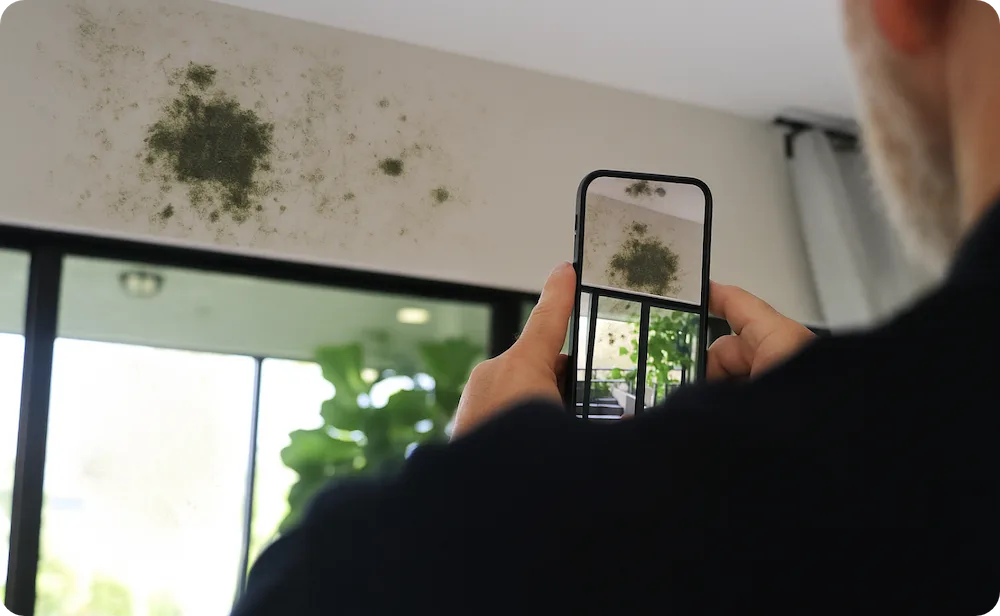
  • Mold growth in crawlspaces and storage buildings on farm properties near Medina
  • Storm and wind damage to roofs on homes and agricultural structures throughout the township
  • Water damage from appliance leaks and supply line failures in residential properties
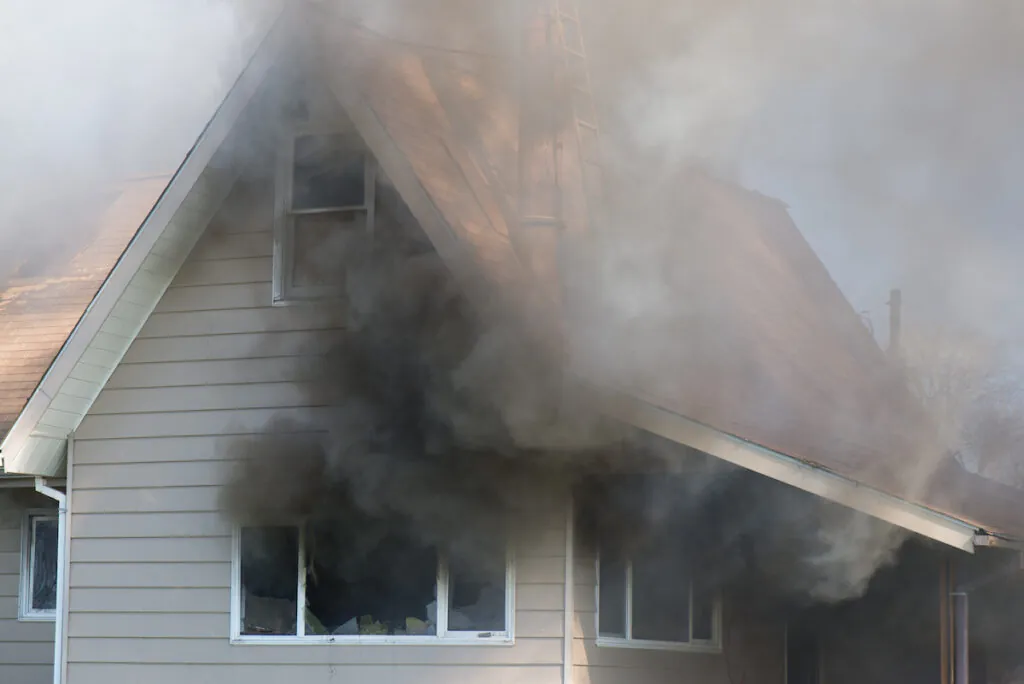
  • Fire and smoke damage cleanup for homes, garages, and farm outbuildings, including odor removal
  • Water removal following pipe breaks tied to utility or excavation work near downtown Dale
  • Thermal imaging inspections for hidden moisture in older homes near the historic rail-line plat

How We Get to Dale From Our Appleton Location

Our team operates out of 400 S Linwood Ave in Appleton, and the Town of Dale sits about 15 to 20 miles southwest, depending on which part of the township a call is coming from. For most calls to the downtown Dale area near WIS-96 and County T, our trucks head out via US-10/WIS-96, the divided highway corridor completed in 2003 that connects Greenville to Fremont and runs directly past Dale. That route is fast and dependable in nearly all conditions, which matters for a 30-square-mile township where driveways can be a quarter-mile or more off the main road.

For calls toward Medina, in the southwestern part of the township, we typically continue on WIS-96 a bit further before cutting onto local town roads, since Medina is served by the Hortonville post office despite being part of the Town of Dale — a quirk of the area’s history that occasionally affects how addresses are mapped and how quickly a navigation system finds the right driveway. For farmsteads and rural properties scattered throughout the township’s interior, our dispatch team confirms the closest county road access point before sending a truck, since gravel roads and longer setbacks from the highway are common here. Once on-site, our technicians come equipped with extraction pumps, dehumidifiers, and moisture meters, ready to begin mitigation immediately whether the call is a flooded farmhouse basement or a fire-damaged outbuilding.

What Drives Water, Mold, and Fire Risk in the Town of Dale

The Town of Dale’s biggest risk factor is simply its scale and rural character. At roughly 30.5 square miles with a population density of about 75 people per square mile, much of the township consists of farmland, wooded parcels, and widely spaced homes — and that spacing means individual properties often handle their own water management without the benefit of municipal storm sewer systems found in denser communities. Homes and farm buildings here typically rely on private wells, septic systems, and individually graded yards to manage runoff, and when any one of those systems fails or is overwhelmed by heavy rain, the water has nowhere to go but into basements, crawlspaces, and outbuildings.

Housing age adds another layer. Many of the homes near downtown Dale and along the historic rail-line plat date back to the mid-to-late 1800s, when the community was first settled along the proposed Manitowoc and Mississippi Railroad route. These older homes often have foundations and plumbing systems that predate modern building standards, making them more susceptible to slow seepage, frozen pipe bursts, and the kind of hidden moisture that thermal imaging is particularly useful for catching before it becomes a larger mold problem. The 1974 gas line explosion near the Appleton State Bank in downtown Dale is also a useful reminder that underground utility work — whether for new construction, septic system repairs, or municipal projects — can create sudden and severe property damage in a community where infrastructure lines may be older or less consistently mapped than in more urban areas.

On the weather side, the Town of Dale experiences the same severe Wisconsin storm patterns as the rest of Outagamie County, but with less tree cover variation and more open farmland exposure, wind-driven roof damage tends to be a bigger factor here than in heavily wooded or urban areas. Winter cold snaps are especially hard on rural properties with outbuildings, garages, and machine sheds that may have less insulation than a primary residence, making frozen and burst pipes a recurring concern from late fall through early spring. Fire risk follows a similar rural pattern: wood stoves, older electrical systems in century-old farmhouses, and the presence of fuel, machinery, and hay storage in outbuildings all contribute to a fire and smoke damage caseload that looks different from what we see in denser parts of our service area.

PuroClean of Appleton

Owned & Operated by Osagie Enodunmwenben

400 S Linwood Ave, Appleton, WI, 54914

(920) 944-2320

Commercial and Residential Services We Provide

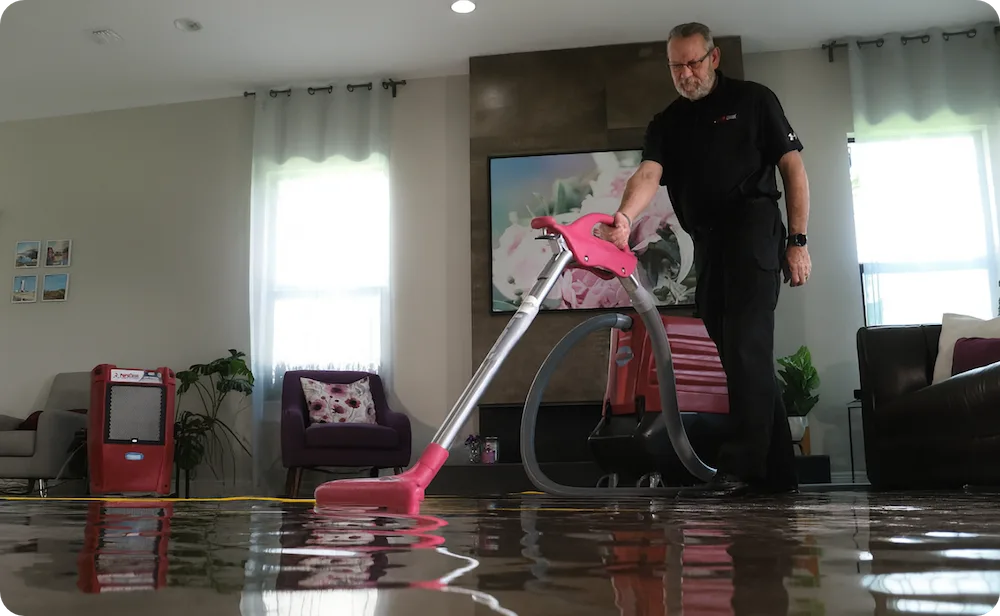
Water damage can result from unexpected leaks, flooding from storms, plumbing failures, or appliance malfunctions. Our certified teams focus on rapid water removal, drying, and stabilization to help prevent further damage and mold growth.

Linking Arrow Explore Our Water Damage Mitigation Services
Even after a fire is extinguished, smoke, soot, and odor can continue to affect your home. Fire damage restoration services address visible damage while also helping reduce lingering effects that impact indoor air quality and surfaces.

Linking Arrow Explore Our Fire and Smoke Damage Restoration Services

Mold often develops as a result of unresolved moisture or hidden water damage. Professional mold remediation helps identify affected areas, contain growth, and restore healthy indoor conditions.

Linking Arrow Explore Our Mold Removal and Remediation Services

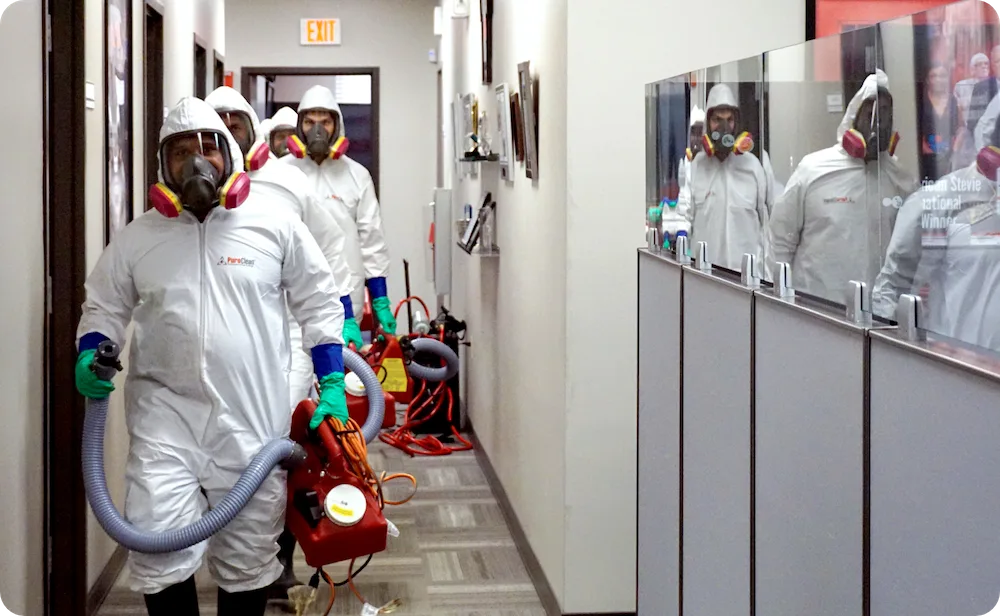
Biohazard situations, including crime scene cleanup and virus decontamination, require specialized cleaning and handling to protect health and safety. Biohazard cleanup services address contamination using proper protocols and professional care.

Linking Arrow Explore Our Biohazard Cleanup Services

PuroClean provides 24/7 commercial property damage restoration services for businesses and facilities across the United States.

Linking Arrow Explore Our Commercial Services

Frequently Asked Questions

Common questions from Dale-area homeowners and farm property owners about water, mold, and fire damage restoration.

It can add a little time compared to a call right at the WIS-96/County T junction, but it generally doesn’t push us outside our 1-2 hour emergency response window. The divided highway corridor through Dale gets us to the township quickly; the remaining time depends on gravel road conditions and how far the driveway runs from the county road. If you can share the nearest cross-road or a landmark when you call, that helps our dispatch team route the truck efficiently, especially for properties without a clearly visible address sign from the road.

Yes, somewhat. Homes platted along Dale’s original rail-line settlement in the 1850s often have foundation materials and framing that absorb and release moisture differently than modern construction, and plumbing in these homes may include sections that predate current code. During our assessment, we use moisture meters and thermal imaging to map how far water has traveled into older wall and floor assemblies, since hidden moisture in century-old framing can take longer to dry and may require a longer equipment-monitoring period than a newer home would need for a similar-sized loss.

Yes. Given how much of the Town of Dale is rural farmland, we regularly respond to machine sheds, garages, and other outbuildings, not just primary residences. Frozen and burst pipes in less-insulated outbuildings are common during Wisconsin’s coldest stretches, and the cleanup approach is similar to a residential loss: water extraction, drying with commercial dehumidifiers and air movers, and moisture verification before any repairs begin. If equipment, feed, or stored materials were affected, we can also document those losses for your insurance claim.

Yes, absolutely. Medina is an unincorporated community within the Town of Dale, even though it’s served by the Hortonville post office — a historical quirk that sometimes causes confusion with mapping and navigation but doesn’t affect our service area. We respond to properties throughout the Town of Dale, including Medina and the surrounding rural areas in the township’s southwestern portion. If you’re ever unsure whether your property falls within our coverage area, just give us a call with your address or nearest cross-road and we can confirm right away.

Wind-driven roof damage followed by water intrusion is a common combination in the open farmland areas of the Town of Dale, where homes and outbuildings have less tree cover to buffer severe storms. The first priority is stopping further water entry, which our technicians can address with emergency tarping and board-up if needed, followed by extraction and drying of any affected insulation, drywall, or framing in the attic and upper floors. We document the wind damage and resulting water intrusion separately, since most homeowners policies treat storm-related roof damage and the secondary water damage as part of the same covered event, subject to your deductible.

Still have questions? Call us Now

Testimonials

What Our Customers Say:

Need Urgent Restoration Services?

When you need water damage restoration services near you, call the experts at PuroClean. We are here day or night, 24/7, to help remove any standing water quickly and begin your water restoration service. We monitor the drying process so you can rest assured that your property is dried thoroughly. We offer commercial water restoration services for businesses and residential water damage restoration for homeowners.

PuroClean of Appleton

Contact Us for 24/7 Emergency Response

(920) 944-2320

Contact Us
PuroClean of Appleton
CALL NOW

PuroClean of Appleton

(920) 944-2320

400 S Linwood Ave, #4, Appleton, WI 54914

Facebook Icon
© 2026 PuroClean. All Rights Reserved.
Design by BrightPinkAgency