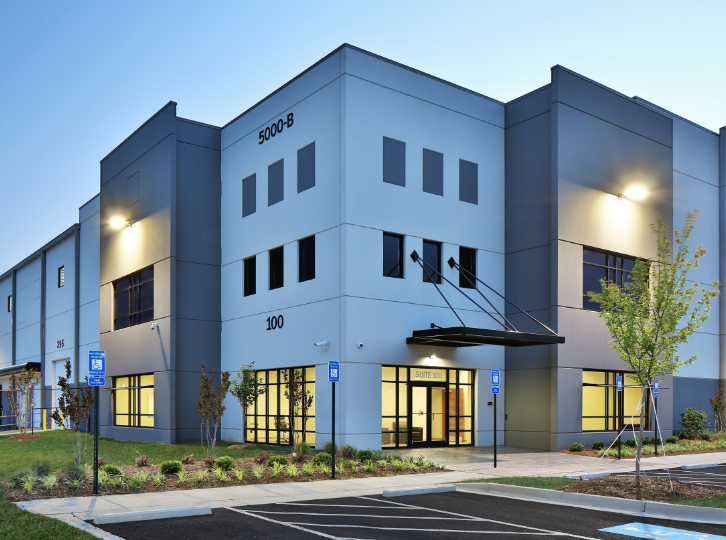
PuroClean of Appleton — 400 S Linwood Ave, #4, Appleton, WI 54914
Appleton grew up around a university and a river. The settlement formed when Methodist minister Reeder Smith secured funding from Boston philanthropist Amos Lawrence to build Lawrence University, chartered in 1847, and the city was incorporated a decade later in 1857. The Fox River, part of the historic Fox-Wisconsin Waterway connecting the Mississippi to the Great Lakes, brought the paper industry that built the city, beginning with Appleton’s first paper mill in 1853 and culminating in the Vulcan Street Power Plant — the world’s first hydroelectric central station, which began operating on September 30, 1882, and powered the first Edison light bulbs outside the eastern United States. That same hydroelectric tradition continues today at the Historic Fox River Mills along Olde Oneida Street, where the original Ravine, Rag, and Lincoln Mill buildings still stand.
College Avenue remains the city’s spine, running through the College Avenue Historic District near Houdini Plaza — named for Harry Houdini, who considered Appleton his boyhood home — past the History Museum at the Castle and Lawrence University’s campus, and crossing the Fox River on a reconstructed bridge before continuing toward Highway 441. Appleton today is Wisconsin’s sixth-largest city, spread across Outagamie, Calumet, and Winnebago counties, with neighborhoods ranging from College Avenue’s century-old housing stock to newer development on the city’s outer edges near 441 and the Fox River Mall. As our home base, Appleton is where we see the broadest range of property types and ages in our entire service area, and it’s also where some of the most significant recent flooding events in our coverage area have occurred.
Here’s what we’re typically called out for in Appleton:
Our team is based at 400 S Linwood Ave, just south of downtown, which means most of Appleton is only minutes away. For calls in the north-side neighborhoods around North Viola Street, Northland Avenue, and the area locals call ‘Double O’ near Oneida Street, we head north on Oneida or Richmond Street, both of which provide direct access to the neighborhoods most affected by the area’s documented flash-flooding events. These streets get us into position quickly when multiple homes on the same block need attention at once, which has happened during past storm events in this part of the city.
For downtown, College Avenue, and the Lawrence University area, we’re just a few minutes south via Drew Street or Oneida Street, giving us quick access to the College Avenue Historic District, Houdini Plaza, and the dense residential blocks surrounding campus. For the city’s southern and eastern neighborhoods near Highway 441 and the Fox River Mall area, we head out via Northland Avenue or Highway 441 itself, which connects efficiently to Appleton’s newer commercial and residential development. Because we’re physically located within the city, Appleton calls typically have the fastest response times in our entire service area — often well under our standard 1-2 hour window — and our familiarity with the city’s older housing stock, from College Avenue’s century-old homes to the newer construction near 441, means our technicians arrive already understanding what kind of building they’re walking into.
Appleton’s most significant documented risk factor is urban flash flooding, and the north-side neighborhoods near North Viola Street and Northland Avenue have experienced this firsthand. In a widely covered storm event, roughly 2.5 inches of rain fell in a matter of hours, overwhelming storm sewers and culverts and leaving some streets under up to three feet of standing water. Longtime residents reported basements flooded nearly to the ceiling, with one homeowner on North Viola Street — who had lived there for 50 years — describing four feet of water in his basement and noting the street had flooded twice in the previous 30 years, primarily from storm sewer overflow and downflow from Northland Avenue. Several homes on that block also experienced sewage backup mixing with the storm water, turning what started as Category 1 or 2 water intrusion into a Category 3 black water situation requiring more extensive remediation.
The Fox River itself adds a second dimension to Appleton’s water risk. NOAA water-level guidance lists flood stage for the Fox River at Appleton at 18.0 feet, with a documented crest of 18.7 feet recorded on March 28, 2005 — meaning the river has exceeded flood stage in recent memory, with implications for properties along the river corridor near the Historic Fox River Mills and the College Avenue bridge crossing. Beyond river and storm flooding, Appleton’s housing age plays a major role in our caseload: the city’s core neighborhoods, including those along and near College Avenue, contain housing stock dating back well over a century, with foundations, plumbing, and electrical systems that predate modern codes and standards. These older homes are more prone to gradual foundation seepage, slower drying after a water event, and higher fire risk from aging wiring than Appleton’s newer construction near 441 and the mall area.
Severe weather is also a documented factor here. The National Weather Service’s Outagamie County tornado guide lists 36 tornadoes in the county between 1950 and 2024, including the significant 1984 Fox Valley F4 tornado and more recent EF1 tornadoes on Appleton’s north side in 2013 and on the southeast side in 2017. For a city of Appleton’s size and density, a tornado or severe straight-line wind event can affect a large number of structures simultaneously, often combining roof damage with the water intrusion that follows before repairs can be made. Across all of this, Appleton’s position as a dense, historic city with a mix of pre-1950s housing, a major river running through its center, and documented exposure to both flash flooding and severe wind events gives our home city one of the most varied and active restoration profiles in our entire coverage area.
Owned & Operated by Osagie Enodunmwenben
400 S Linwood Ave, Appleton, WI, 54914
(920) 944-2320
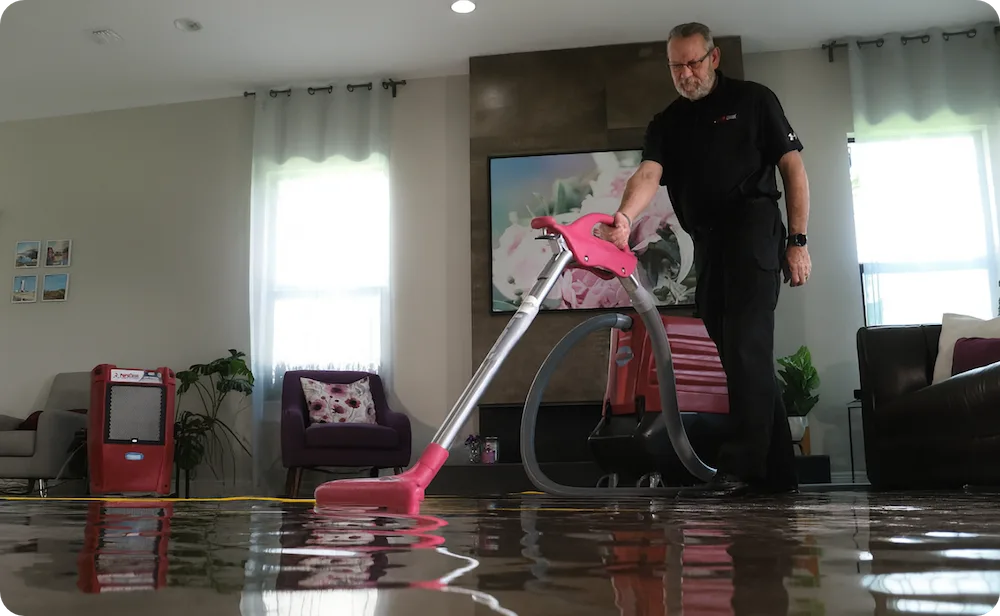
Water damage can result from unexpected leaks, flooding from storms, plumbing failures, or appliance malfunctions. Our certified teams focus on rapid water removal, drying, and stabilization to help prevent further damage and mold growth.
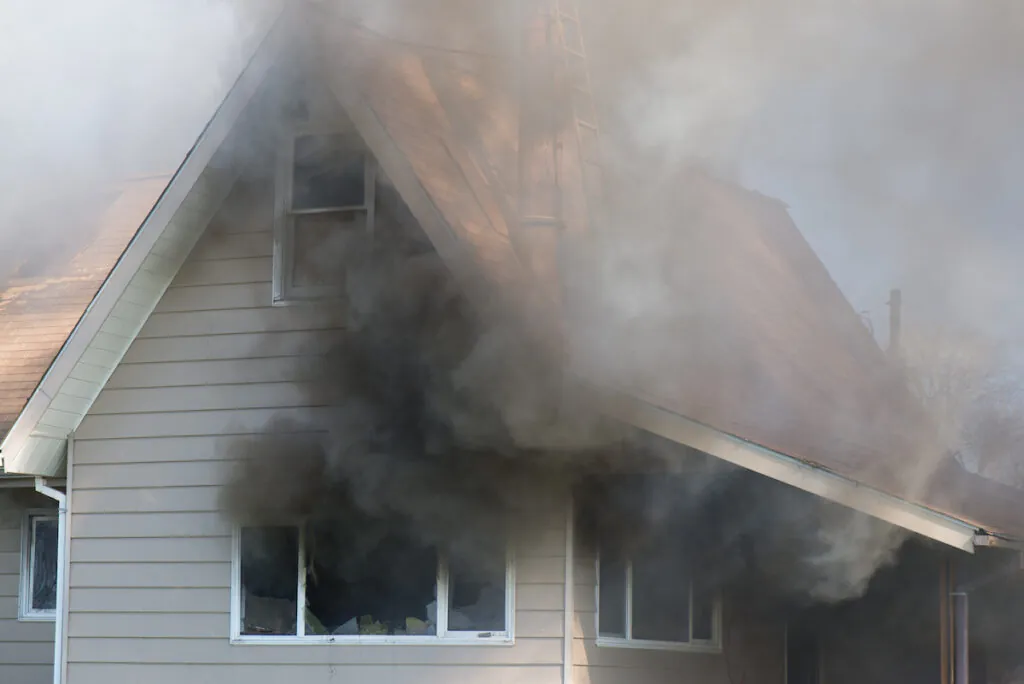
Even after a fire is extinguished, smoke, soot, and odor can continue to affect your home. Fire damage restoration services address visible damage while also helping reduce lingering effects that impact indoor air quality and surfaces.
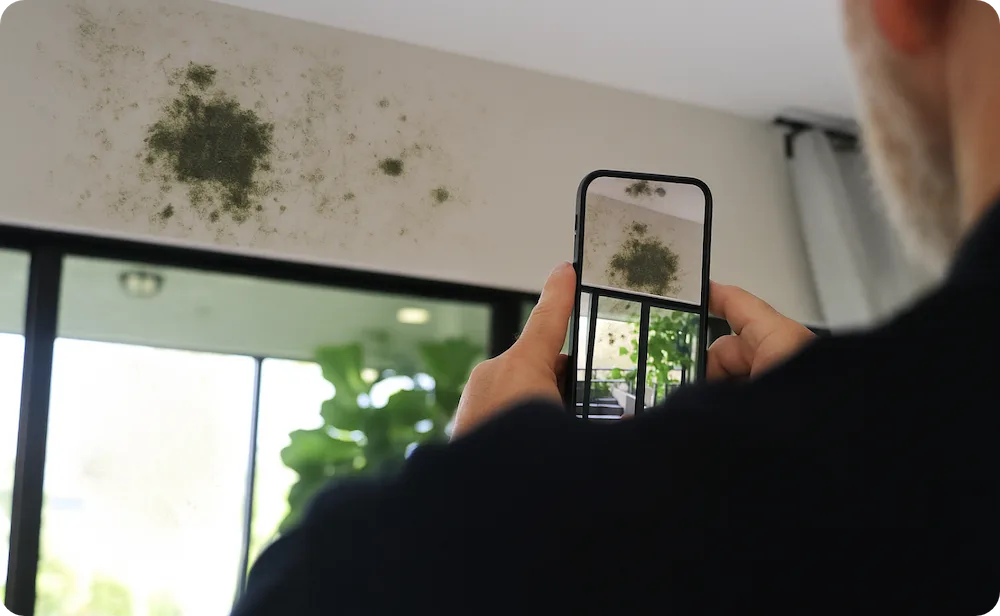
Mold often develops as a result of unresolved moisture or hidden water damage. Professional mold remediation helps identify affected areas, contain growth, and restore healthy indoor conditions.
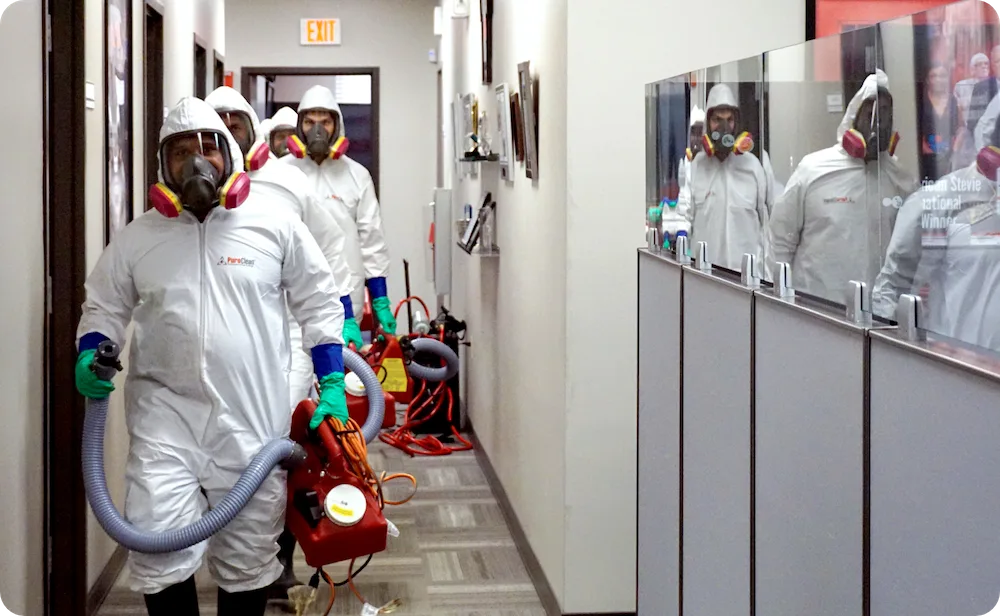
Biohazard situations, including crime scene cleanup and virus decontamination, require specialized cleaning and handling to protect health and safety. Biohazard cleanup services address contamination using proper protocols and professional care.
PuroClean provides 24/7 commercial property damage restoration services for businesses and facilities across the United States.
Water damage can result from unexpected leaks, flooding from storms, plumbing failures, or appliance malfunctions. Our certified teams focus on rapid water removal, drying, and stabilization to help prevent further damage and mold growth.
Common questions from Appleton homeowners and business owners about water, mold, and fire damage restoration.
This exact scenario played out for several homes on North Viola Street during a major flash-flooding event, where storm water backed up and combined with sewage from overwhelmed sanitary lines. When storm water mixes with sewage, the entire intrusion is treated as Category 3 black water due to pathogen risk, regardless of how it started. That means more aggressive removal of porous materials like carpet, pad, and affected drywall, along with EPA-registered antimicrobial treatment of everything that remains. We document the combined nature of the loss for your insurance claim, since it may involve both your homeowners policy and, if you carry one, an NFIP flood policy.
Yes, meaningfully. Homes in Appleton’s core neighborhoods near College Avenue often have original plaster walls, older lath construction, knob-and-tube or early electrical wiring, and foundations that predate modern waterproofing. These materials respond differently to water than modern drywall and poured concrete — plaster and lath can hold moisture longer and may require a different drying approach, and older electrical systems carry elevated fire risk that we factor into our safety assessment before any equipment goes into the space. During our initial walkthrough, we use moisture meters to establish baselines specific to your home’s construction rather than applying generic benchmarks.
Being based at 400 S Linwood Ave, we’re typically just minutes from downtown via Drew Street or Oneida Street, so commercial calls in the College Avenue Historic District or surrounding downtown blocks are among our fastest response times anywhere in our service area. For a commercial property, we prepare Xactimate-aligned, line-itemed estimates that work with business interruption coverage, and our familiarity with the historic district’s older commercial buildings — many with the same vintage construction as the residential blocks nearby — helps us anticipate what we’ll find before we even arrive.
Outagamie County has a documented history of tornado and severe wind activity, including past events affecting Appleton’s north side and southeast side, and wind-driven roof damage followed by water intrusion is a combination we see regularly after these storms. The priority is stopping further water entry, which we can address with emergency tarping if needed, followed by extraction and drying of affected insulation, drywall, and framing. We document both the wind damage and the resulting water intrusion, since most homeowners policies treat them as part of the same covered event, subject to your deductible.
For multi-family properties near Lawrence University and downtown, where a leak from one unit affects another, the property owner or management company typically coordinates the restoration response, though the specific responsibility for repairs can depend on the cause and your lease terms. From a mitigation standpoint, our priority is the same regardless: extract water, dry affected materials in both units if needed, and prevent mold growth, which can begin within 24 to 48 hours. We document the source and extent of the damage, which helps property managers and insurance carriers sort out responsibility separately from the cleanup itself.
This exact scenario played out for several homes on North Viola Street during a major flash-flooding event, where storm water backed up and combined with sewage from overwhelmed sanitary lines. When storm water mixes with sewage, the entire intrusion is treated as Category 3 black water due to pathogen risk, regardless of how it started. That means more aggressive removal of porous materials like carpet, pad, and affected drywall, along with EPA-registered antimicrobial treatment of everything that remains. We document the combined nature of the loss for your insurance claim, since it may involve both your homeowners policy and, if you carry one, an NFIP flood policy.
Yes, meaningfully. Homes in Appleton’s core neighborhoods near College Avenue often have original plaster walls, older lath construction, knob-and-tube or early electrical wiring, and foundations that predate modern waterproofing. These materials respond differently to water than modern drywall and poured concrete — plaster and lath can hold moisture longer and may require a different drying approach, and older electrical systems carry elevated fire risk that we factor into our safety assessment before any equipment goes into the space. During our initial walkthrough, we use moisture meters to establish baselines specific to your home’s construction rather than applying generic benchmarks.
Being based at 400 S Linwood Ave, we’re typically just minutes from downtown via Drew Street or Oneida Street, so commercial calls in the College Avenue Historic District or surrounding downtown blocks are among our fastest response times anywhere in our service area. For a commercial property, we prepare Xactimate-aligned, line-itemed estimates that work with business interruption coverage, and our familiarity with the historic district’s older commercial buildings — many with the same vintage construction as the residential blocks nearby — helps us anticipate what we’ll find before we even arrive.
Outagamie County has a documented history of tornado and severe wind activity, including past events affecting Appleton’s north side and southeast side, and wind-driven roof damage followed by water intrusion is a combination we see regularly after these storms. The priority is stopping further water entry, which we can address with emergency tarping if needed, followed by extraction and drying of affected insulation, drywall, and framing. We document both the wind damage and the resulting water intrusion, since most homeowners policies treat them as part of the same covered event, subject to your deductible.
For multi-family properties near Lawrence University and downtown, where a leak from one unit affects another, the property owner or management company typically coordinates the restoration response, though the specific responsibility for repairs can depend on the cause and your lease terms. From a mitigation standpoint, our priority is the same regardless: extract water, dry affected materials in both units if needed, and prevent mold growth, which can begin within 24 to 48 hours. We document the source and extent of the damage, which helps property managers and insurance carriers sort out responsibility separately from the cleanup itself.
What Our Customers Say:
When you need water damage restoration services near you, call the experts at PuroClean. We are here day or night, 24/7, to help remove any standing water quickly and begin your water restoration service. We monitor the drying process so you can rest assured that your property is dried thoroughly. We offer commercial water restoration services for businesses and residential water damage restoration for homeowners.
PuroClean of Appleton
(920) 944-2320
400 S Linwood Ave, #4, Appleton, WI 54914
© 2026 PuroClean. All Rights Reserved.