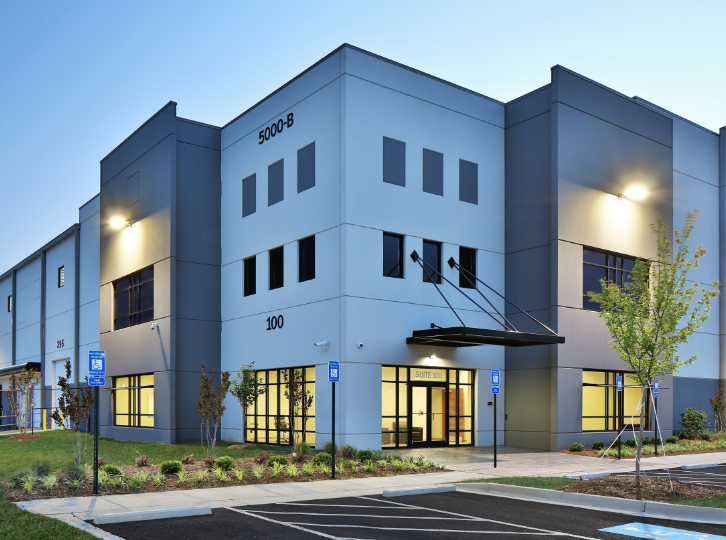
PuroClean of Appleton — 400 S Linwood Ave, #4, Appleton, WI 54914
Northport sits on Wisconsin Highway 54, about two miles northwest of New London, in the Town of Mukwa — a town whose name comes from the Ojibwe word for ‘bear’ and whose original county seat, back when Waupaca County was established in 1851, was located right here on the Wolf River. The Town of Mukwa Hall itself is addressed at Weyauwega Road in Northport, making this small unincorporated community of under 500 people the administrative center for a town of roughly 2,800 residents spread across 33 square miles. The 1853 Wisconsin Gazetteer described Waupaca County as ‘watered by the Wolf, Waupacca, Wabunk, Embarrass and Little Wolf rivers’ and home to ‘some of the best pine timber in the State’ — a description that still captures the densely forested, river-laced character of the land around Northport today.
Northport’s location is genuinely defined by water on multiple sides. The Mukwa Wildlife Area, about 1,290 acres of state land bisected by the Wolf River, sits just to the southwest, where the Little Wolf River joins the Wolf amid old oxbows, wild rice marshes, and bottomland hardwood forest. To the east, between Northport and New London, the Wolf River Fishery Area covers roughly 193 acres of floodplain forest along the river’s north side, with State Highway 54 and a railroad corridor running directly through the property. The Wolf River Sturgeon Trail, a half-mile paved fishing path along Highway X, connects these two natural areas. With Northport positioned almost literally between two state-managed floodplain properties on the Wolf River, this community has one of the most direct relationships with river floodplain land anywhere in our service area.
Here’s what we’re typically called out for in Northport:
Our team is based at 400 S Linwood Ave in Appleton, and Northport sits about 22 miles west, just past New London via Highway 54. For most calls, our trucks take Highway 54 west through New London and continue the additional two miles to Northport, following the same route that runs along the northern edge of the Wolf River Fishery Area floodplain. This route generally keeps Northport calls within our 1-2 hour emergency response window, with the short additional distance past New London adding only a few minutes.
For properties closer to the Mukwa Wildlife Area, southwest of Northport where the Little Wolf River joins the Wolf, we continue past Northport on local roads toward Highway X and the Wolf River Sturgeon Trail area. For homes and rural properties scattered throughout the rest of the Town of Mukwa’s 33 square miles, our dispatch team uses Weyauwega Road and other town roads radiating from Northport, since the Mukwa Town Hall’s own address on Weyauwega Road serves as a useful reference point for this area. During active flooding on the Wolf River — a situation serious enough that the Town of Mukwa posts DNR flood clean-up information directly on its town website — our routing accounts for Highway 54’s proximity to the floodplain, since this stretch of road runs immediately adjacent to the Wolf River Fishery Area and can be affected by the same high water that’s impacting nearby homes.
Northport’s position between two state-managed Wolf River floodplain properties — the Mukwa Wildlife Area to the southwest and the Wolf River Fishery Area to the east toward New London — means this community sits directly within land that the state itself manages specifically because it floods. The Wolf River Fishery Area’s floodplain forest, composed of silver maple, green ash, and swamp white oak, and the Mukwa Wildlife Area’s bottomland hardwood forest with its old oxbows and wild rice marshes, are both designed around the expectation of regular high water. Properties in Northport sit adjacent to this floodplain system, and the Town of Mukwa takes this seriously enough to maintain DNR flood clean-up resources directly on its town government website — a clear signal that flooding here isn’t a rare event but a recurring part of life in this part of Waupaca County.
The presence of Highway 54 and an active railroad corridor running directly through the Wolf River Fishery Area, immediately adjacent to Northport, adds an infrastructure dimension to the area’s water risk. Roads and rail lines built through floodplain terrain often involve fill, grading, and drainage modifications that can affect how water moves across adjacent properties during high-water events — water that might naturally spread across the floodplain in the wildlife area can instead be channeled or redirected near the highway and rail corridor, potentially concentrating flow near properties closest to these transportation routes. This is a common dynamic in floodplain communities where infrastructure and natural water management systems interact, and it’s part of why properties near Highway 54 in Northport may experience flooding differently than properties set back from the corridor.
Beyond flooding, the Town of Mukwa’s heavily forested character — described in the 1853 gazetteer as containing ‘some of the best pine timber in the State’ — means properties throughout the township have significant tree cover, which provides wind protection but also creates fire risk considerations around dry brush and fallen timber, particularly during dry summer stretches. Rural homes and outbuildings here, similar to other forested and floodplain-adjacent communities in our service area, often rely on private wells and septic systems, and septic systems near the floodplain can be particularly vulnerable to compromise during high-water events when groundwater levels rise throughout the saturated floodplain soils. Winter cold snaps affect Northport similarly to other communities in this part of Wisconsin, with frozen and burst pipes a recurring concern for less-insulated rural outbuildings during the coldest months.
Owned & Operated by Osagie Enodunmwenben
400 S Linwood Ave, Appleton, WI, 54914
(920) 944-2320
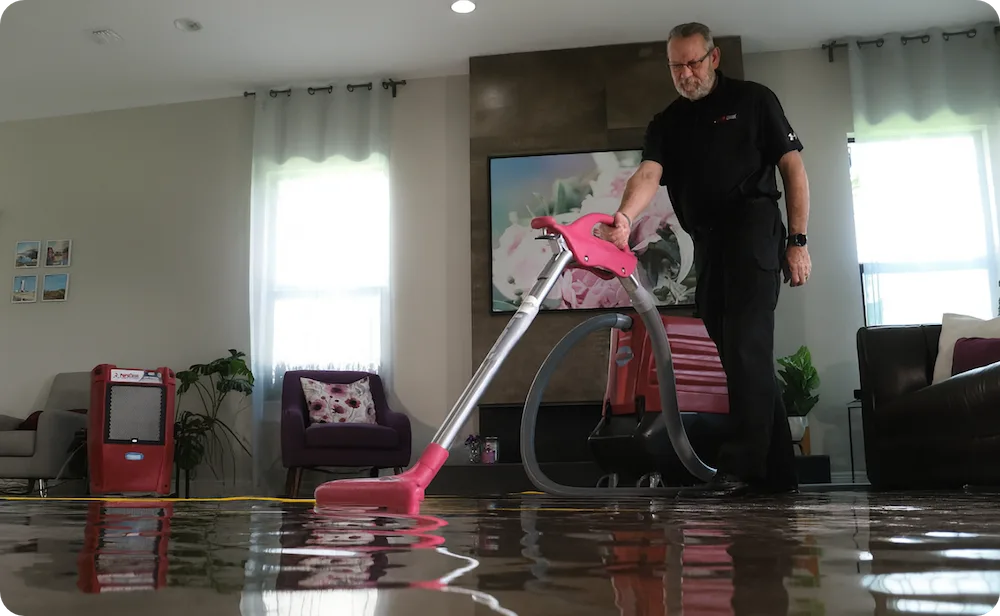
Water damage can result from unexpected leaks, flooding from storms, plumbing failures, or appliance malfunctions. Our certified teams focus on rapid water removal, drying, and stabilization to help prevent further damage and mold growth.
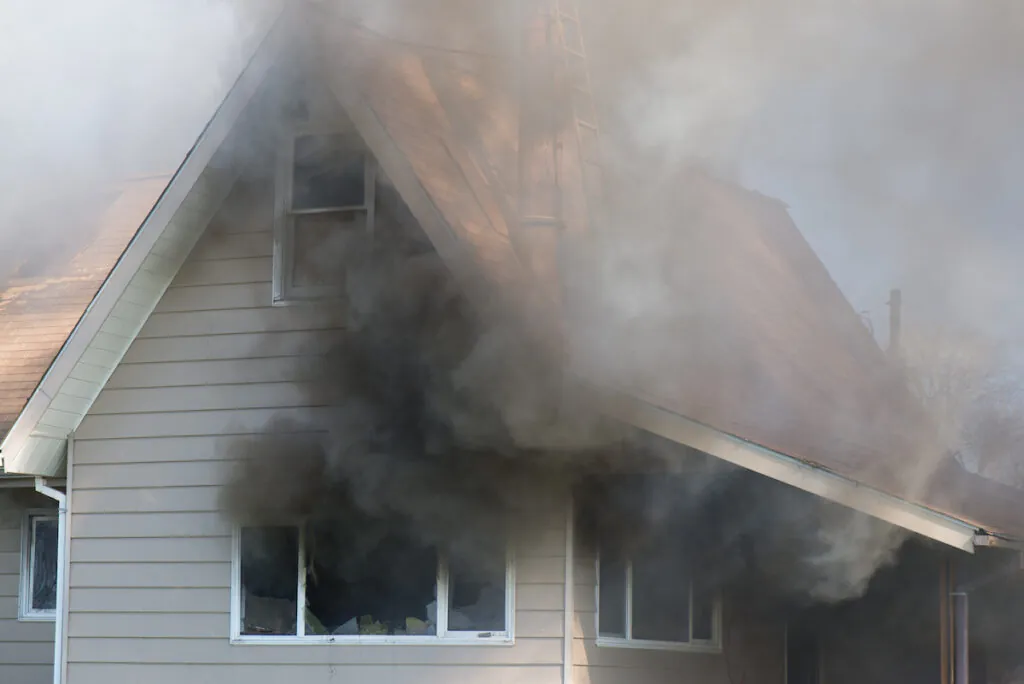
Even after a fire is extinguished, smoke, soot, and odor can continue to affect your home. Fire damage restoration services address visible damage while also helping reduce lingering effects that impact indoor air quality and surfaces.
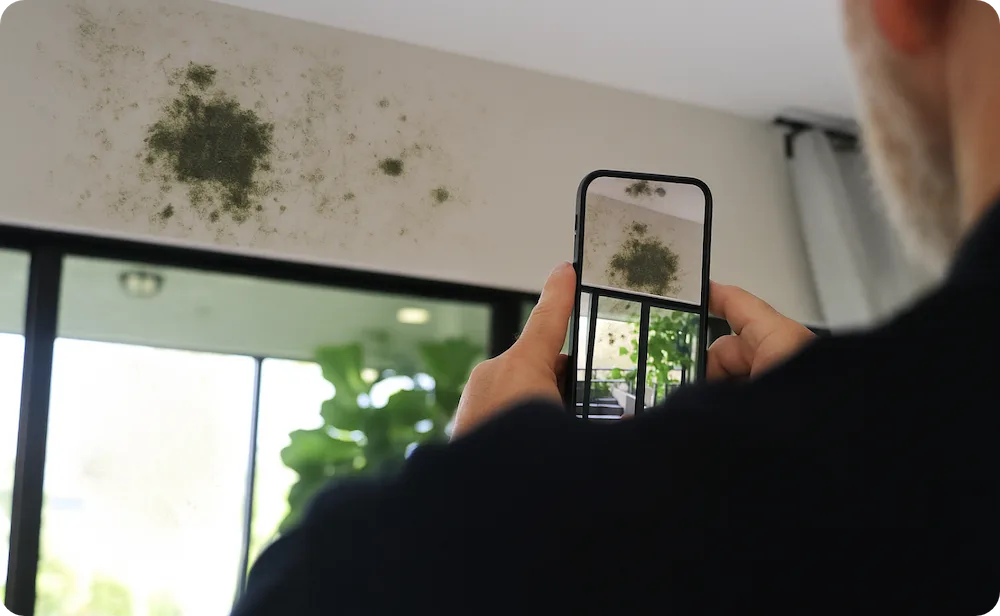
Mold often develops as a result of unresolved moisture or hidden water damage. Professional mold remediation helps identify affected areas, contain growth, and restore healthy indoor conditions.
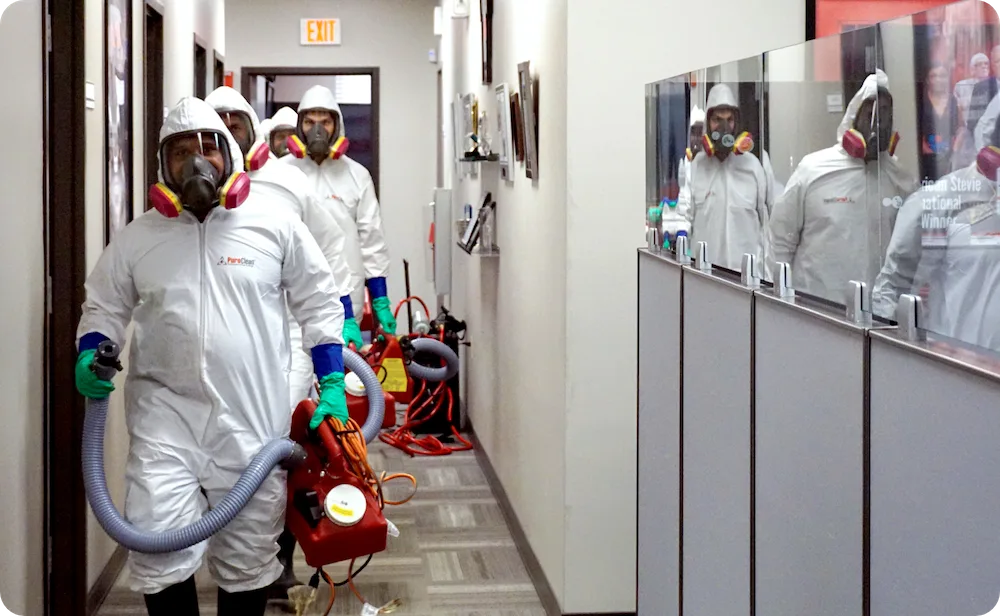
Biohazard situations, including crime scene cleanup and virus decontamination, require specialized cleaning and handling to protect health and safety. Biohazard cleanup services address contamination using proper protocols and professional care.
PuroClean provides 24/7 commercial property damage restoration services for businesses and facilities across the United States.
Water damage can result from unexpected leaks, flooding from storms, plumbing failures, or appliance malfunctions. Our certified teams focus on rapid water removal, drying, and stabilization to help prevent further damage and mold growth.
Common questions from Northport and Town of Mukwa property owners about water, mold, and fire damage restoration.
Properties adjacent to designated floodplain land like the Wolf River Fishery Area do face recurring flood exposure by the nature of the location — the state manages this land specifically because it’s part of the river’s natural floodplain. That said, recurring exposure doesn’t mean there’s nothing to be done. We can document each flood event with photos and moisture readings, which is valuable for insurance purposes, particularly if you carry an NFIP flood policy alongside your standard homeowners coverage. Over time, this documentation can also support conversations about specific mitigation measures for your property, like sump pump upgrades or elevating utilities.
Not significantly. Northport is about 22 miles from our Appleton location via Highway 54, just two miles past New London, so the additional distance adds only a few minutes to our route. Most Northport calls fall within our standard 1-2 hour emergency response window. During active Wolf River flooding, when Highway 54 near the Wolf River Fishery Area may be affected by high water, our dispatch team checks conditions before routing, but this doesn’t typically add significant time under normal circumstances.
This is a common pattern for properties near floodplain areas like the Mukwa Wildlife Area and Wolf River Fishery Area. During high-water events, groundwater levels rise throughout the saturated floodplain soils, not just in the areas that visibly flood. A septic system’s drain field relies on soil being able to absorb and filter wastewater, and when the surrounding ground is already saturated from rising groundwater, the system can’t drain properly, leading to backup even if surface flooding hasn’t reached your home. When this happens, the backup is treated as Category 3 black water due to pathogen risk, requiring more thorough cleanup than a clean water intrusion.
Seasonal properties near the Mukwa Wildlife Area face the same frozen pipe risks common to lightly used cabins throughout forested parts of Wisconsin, compounded by the floodplain’s higher ambient moisture, which can mean foundations and crawlspaces stay damper even during cold months. If a pipe freezes and bursts while the property sits empty, water damage can go undiscovered for weeks, by which point mold has likely begun developing in walls, flooring, and any stored belongings. If you’re not visiting regularly during winter, consider having someone check the property periodically, or discuss winterization steps with us before the cold season arrives.
Generally, yes. Properties closest to the Wolf River floodplain — including the areas around the Mukwa Wildlife Area and Wolf River Fishery Area — experience higher ambient ground moisture than properties on higher, better-drained ground elsewhere in the township. Combined with the heavy forest cover that’s long characterized this part of Waupaca County, these areas can stay damper for longer after any water intrusion, creating more favorable conditions for mold growth, which can begin within 24 to 48 hours. A mold inspection using moisture meters can help determine whether remediation is needed for a property in this part of Northport.
Properties adjacent to designated floodplain land like the Wolf River Fishery Area do face recurring flood exposure by the nature of the location — the state manages this land specifically because it’s part of the river’s natural floodplain. That said, recurring exposure doesn’t mean there’s nothing to be done. We can document each flood event with photos and moisture readings, which is valuable for insurance purposes, particularly if you carry an NFIP flood policy alongside your standard homeowners coverage. Over time, this documentation can also support conversations about specific mitigation measures for your property, like sump pump upgrades or elevating utilities.
Not significantly. Northport is about 22 miles from our Appleton location via Highway 54, just two miles past New London, so the additional distance adds only a few minutes to our route. Most Northport calls fall within our standard 1-2 hour emergency response window. During active Wolf River flooding, when Highway 54 near the Wolf River Fishery Area may be affected by high water, our dispatch team checks conditions before routing, but this doesn’t typically add significant time under normal circumstances.
This is a common pattern for properties near floodplain areas like the Mukwa Wildlife Area and Wolf River Fishery Area. During high-water events, groundwater levels rise throughout the saturated floodplain soils, not just in the areas that visibly flood. A septic system’s drain field relies on soil being able to absorb and filter wastewater, and when the surrounding ground is already saturated from rising groundwater, the system can’t drain properly, leading to backup even if surface flooding hasn’t reached your home. When this happens, the backup is treated as Category 3 black water due to pathogen risk, requiring more thorough cleanup than a clean water intrusion.
Seasonal properties near the Mukwa Wildlife Area face the same frozen pipe risks common to lightly used cabins throughout forested parts of Wisconsin, compounded by the floodplain’s higher ambient moisture, which can mean foundations and crawlspaces stay damper even during cold months. If a pipe freezes and bursts while the property sits empty, water damage can go undiscovered for weeks, by which point mold has likely begun developing in walls, flooring, and any stored belongings. If you’re not visiting regularly during winter, consider having someone check the property periodically, or discuss winterization steps with us before the cold season arrives.
Generally, yes. Properties closest to the Wolf River floodplain — including the areas around the Mukwa Wildlife Area and Wolf River Fishery Area — experience higher ambient ground moisture than properties on higher, better-drained ground elsewhere in the township. Combined with the heavy forest cover that’s long characterized this part of Waupaca County, these areas can stay damper for longer after any water intrusion, creating more favorable conditions for mold growth, which can begin within 24 to 48 hours. A mold inspection using moisture meters can help determine whether remediation is needed for a property in this part of Northport.
What Our Customers Say:
When you need water damage restoration services near you, call the experts at PuroClean. We are here day or night, 24/7, to help remove any standing water quickly and begin your water restoration service. We monitor the drying process so you can rest assured that your property is dried thoroughly. We offer commercial water restoration services for businesses and residential water damage restoration for homeowners.
PuroClean of Appleton
(920) 944-2320
400 S Linwood Ave, #4, Appleton, WI 54914
© 2026 PuroClean. All Rights Reserved.