PuroClean of Appleton — 400 S Linwood Ave, #4, Appleton, WI 54914
Little Chute takes its name from the small rapids that once interrupted the Fox River here — French fur traders called the spot La Petite Chute, or “little falls,” and used it as a trading post generations before the village existed. In 1836, not far from this spot, the Treaty of the Cedars ceded four million acres between the Fox, Wolf, and Menominee Rivers to the United States, opening the way for settlement. That same year, Dominican missionary Father Theodore J. van den Broek began leading Dutch Catholic families from North Brabant in the Netherlands to the area, planting roots that still define the community today. The village incorporated on February 1, 1899, and that Dutch heritage remains impossible to miss: the 100-foot Little Chute Windmill at 130 West Main Street, an authentic 1850s North Brabant design built in the Netherlands and reassembled here in 2013, anchors the downtown alongside the Van Asten Visitor Center and its Dutch genealogy archives.
The rapids that gave the village its name are long since tamed by the historic lock system the Fox River Navigational System Authority still operates and maintains, including the lock at Doyle Park. That waterfront history shapes the property mix today. Homes in the historic district near Main Street and the windmill date back to the village’s earliest Dutch settlement, while newer construction has spread northeast toward Freedom Road and Evergreen Drive, and commercial development has clustered near the I-41 interchange — the only Little Chute exit on the interstate. Here’s what we’re called out for most often:
Little Chute sits just east of Appleton along the Fox River, roughly a six-mile drive from 400 S Linwood Ave. For most calls, we take WI-96, which runs directly from Appleton through Little Chute on its way to Kaukauna, giving us direct, uncomplicated access to the Main Street historic district, the windmill, and the neighborhoods closest to downtown. That route gets our crews to the older homes near the village core quickly, which matters most for the burst-pipe and sewer-backup calls common in that part of town.
For calls in the newer subdivisions to the northeast, we take WI-441 to I-41 and exit at County N, known locally as Freedom Road — the only interchange serving Little Chute directly off the interstate. From there, Freedom Road runs south past Little Chute High School and into the neighborhoods around Evergreen Drive, giving us fast access to the village’s newer construction. Buchanan Street and Vandenbroek Street provide additional routes into the southeastern part of the village, near the Kimberly and Combined Locks borders. Because Little Chute sits at the crossroads of so many Fox Cities communities, we plan every route around whichever combination of WI-96, WI-441, and Freedom Road gets a truck on scene fastest for the specific address.
Little Chute’s entire history is tied to the Fox River, and that relationship still shapes water risk here. The lock system at Doyle Park, part of the historic chain the Fox River Navigational System Authority maintains, regulates the river for navigation, but heavy regional rainfall or rapid snowmelt can still raise groundwater along the riverbank, particularly near the older neighborhoods closest to downtown and the lock corridor. Homes in this part of the village were often built during the earliest waves of Dutch settlement and later expansion, and many still carry plumbing and sewer infrastructure that predates modern building code, which raises the odds of both frozen-pipe failures in winter and Category 1 seepage after a wet spring.
The northeastern part of the village, developed later around Freedom Road and Evergreen Drive, tells a different story. These newer subdivisions rely on modern drainage and sump systems rather than aging infrastructure, but a power outage during a spring storm remains the most common trigger for a flooded basement in this part of town. Little Chute’s commercial growth has clustered near the I-41 interchange at Freedom Road, the only direct interstate access point for the village, and along the Wisconsin Avenue corridor — both areas where a water loss can mean larger square footage and a faster clock on lost business.
Wisconsin’s winter freeze-thaw cycle affects the whole village, but its impact varies by neighborhood age. Older homes near the historic district, some passed down through Dutch families for multiple generations, are more likely to have original pipe runs along uninsulated exterior walls, making a hard cold snap the classic trigger for a burst pipe. Newer construction is more likely to see ice damming on complex modern rooflines or sump pump failure during spring thaw. Whatever the cause, our technicians document every loss with moisture meters, hygrometers, and thermal imaging to build an accurate scope before any demolition begins.
Owned & Operated by Osagie Enodunmwenben
400 S Linwood Ave, Appleton, WI, 54914
(920) 944-2320
Water damage can result from unexpected leaks, flooding from storms, plumbing failures, or appliance malfunctions. Our certified teams focus on rapid water removal, drying, and stabilization to help prevent further damage and mold growth.
 Explore Our Water Damage Mitigation Services
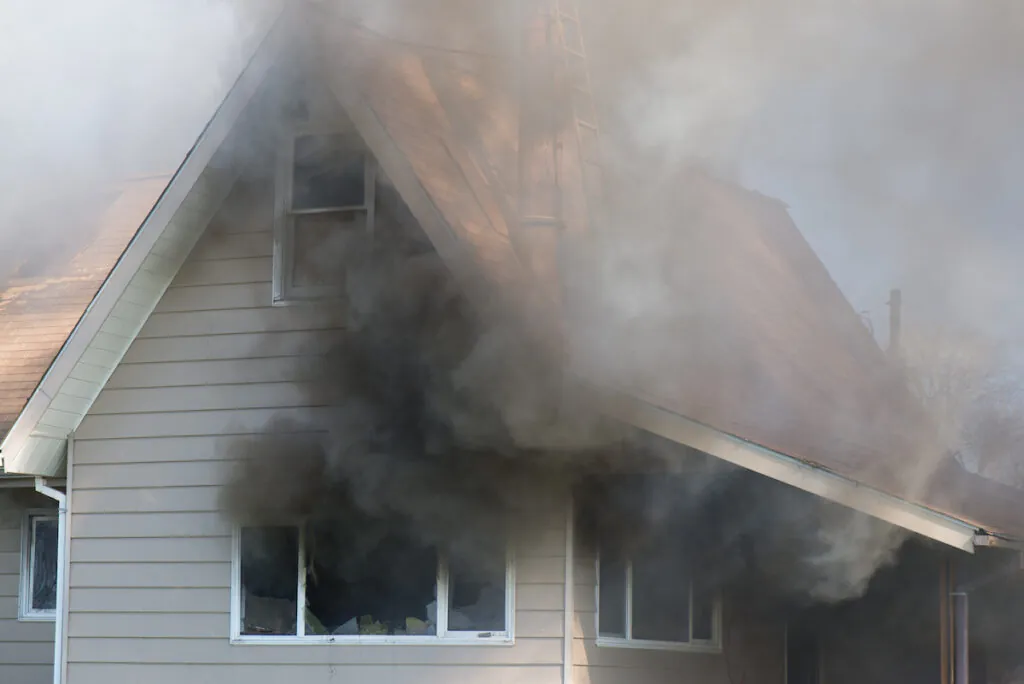
Even after a fire is extinguished, smoke, soot, and odor can continue to affect your home. Fire damage restoration services address visible damage while also helping reduce lingering effects that impact indoor air quality and surfaces.
Explore Our Fire and Smoke Damage Restoration Services
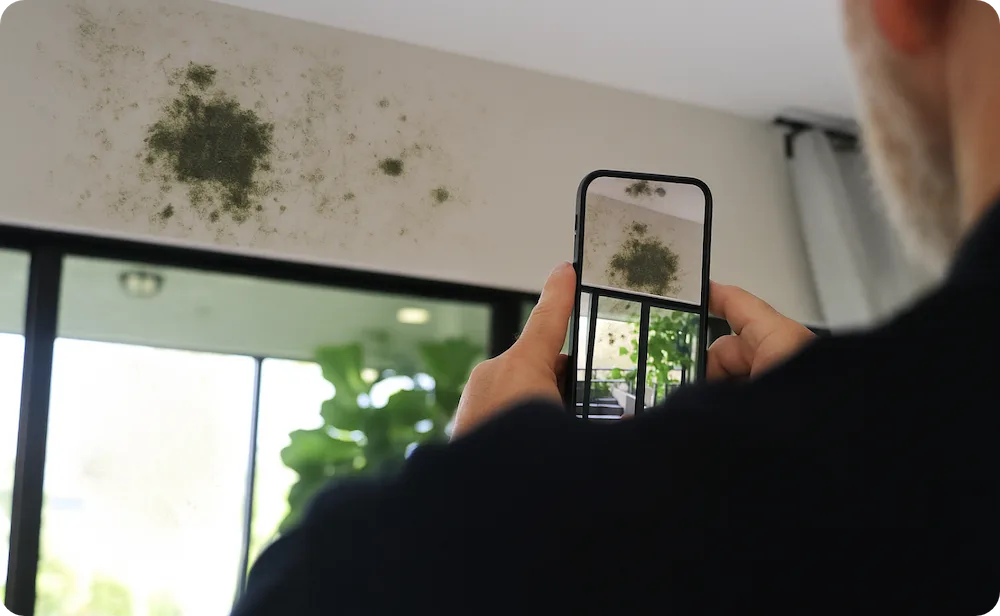
Mold often develops as a result of unresolved moisture or hidden water damage. Professional mold remediation helps identify affected areas, contain growth, and restore healthy indoor conditions.
Explore Our Mold Removal and Remediation Services
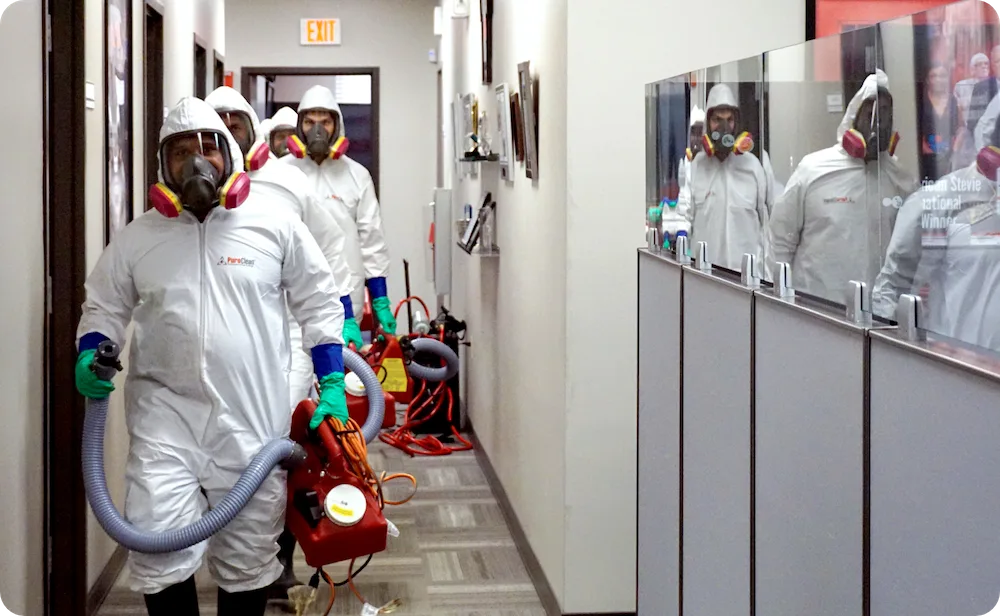
Biohazard situations, including crime scene cleanup and virus decontamination, require specialized cleaning and handling to protect health and safety. Biohazard cleanup services address contamination using proper protocols and professional care.
Explore Our Biohazard Cleanup Services
PuroClean provides 24/7 commercial property damage restoration services for businesses and facilities across the United States.
Explore Our Commercial Services
Water damage can result from unexpected leaks, flooding from storms, plumbing failures, or appliance malfunctions. Our certified teams focus on rapid water removal, drying, and stabilization to help prevent further damage and mold growth.
Explore Our Water Damage Mitigation Services
Little Chute-specific questions we hear most from homeowners and business owners
Yes. Many homes in Little Chute’s historic district date back to the village’s earliest Dutch settlement and later expansion in the early 1900s, and they often have original plumbing, older clay sewer laterals, and construction that predates modern moisture barriers. A pipe break or backup in one of these homes can mean water traveled further and hid longer than it would in a newer structure. We factor construction age into the initial assessment and use thermal imaging to map exactly how far moisture migrated, since century-old Dutch-heritage homes frequently hide damage in ways a newer build wouldn’t.
Homes closest to the Fox River and the historic lock corridor near Doyle Park sit on ground with a naturally elevated water table. After heavy rain or spring snowmelt, that water table rises enough to push moisture through basement walls and floor joints even when every pipe in the house is intact. This typically shows up as Category 1 seepage rather than a plumbing issue, and it tends to recur at the same time each year unless the source is addressed. We use moisture mapping to confirm whether you’re dealing with groundwater intrusion or a hidden leak, since the two require different approaches.
From our Appleton shop, the newer subdivisions off Freedom Road and Evergreen Drive are typically a first-hour response, reached via I-41 and the County N/Freedom Road interchange, the only direct interstate access point for the village. Sump pump failures in this part of Little Chute are almost always tied to a power outage during a storm or a pump overwhelmed by rapid snowmelt. Standing water in a finished basement can start supporting mold growth within 24 to 48 hours, so we prioritize getting extraction and drying equipment on site quickly, especially during spring thaw.
Commercial properties near Little Chute’s interstate interchange and the Wisconsin Avenue corridor often involve larger square footage and tenant considerations that a single-family home doesn’t, so we scale our documentation and crew size accordingly. We still start with the same moisture mapping and photo evidence used on a residential loss, but prepare a commercial-scale Xactimate estimate and coordinate directly with your property and business interruption adjusters, since minimizing downtime near this busy commercial corridor matters for revenue and for neighboring tenants alike.
It can. Reconstruction work in Little Chute, like in any Wisconsin municipality, generally needs to meet current village building code regardless of when the home was originally built, so repairing a century-old home after a water loss sometimes means bringing outdated electrical or plumbing sections up to current standards as part of the rebuild. We coordinate directly with village permitting during the reconstruction phase so homeowners restoring a multi-generational family home aren’t left navigating that process alone on top of the initial damage.
What Our Customers Say:
When you need water damage restoration services near you, call the experts at PuroClean. We are here day or night, 24/7, to help remove any standing water quickly and begin your water restoration service. We monitor the drying process so you can rest assured that your property is dried thoroughly. We offer commercial water restoration services for businesses and residential water damage restoration for homeowners.

PuroClean of Appleton
(920) 944-2320
400 S Linwood Ave, #4, Appleton, WI 54914

© 2026 PuroClean. All Rights Reserved.