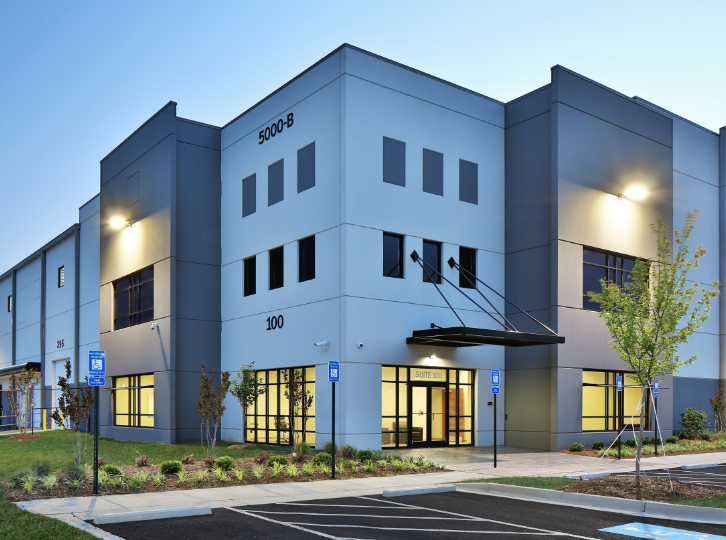
PuroClean of Appleton — 400 S Linwood Ave, #4, Appleton, WI 54914
Forest Junction earned its name honestly. In the 1870s, two separate railroad lines crossed here at a diamond junction near Milepost 88 — the Milwaukee & Northern line running through to Green Bay, completed in 1873, and an earlier line that’s now the eastern leg of the Friendship State Trail. The first union depot stood in the southeast quadrant of that crossing until it burned, and a second depot, built in 1887 to serve both railroads, became the building most longtime residents remember. That crossroads history is preserved today in the Haese Memorial Village Historic District, a 1.6-acre commercial district along Milwaukee and Randolph Streets dating to 1874, listed on the National Register of Historic Places as a remnant of the town that grew up where the rails met.
Today, Forest Junction is an unincorporated community within the Town of Brillion, Calumet County, with US Route 10 running directly through it — the same road that once paralleled the rail lines and earned the community its tongue-in-cheek motto, ‘You can get there from here!’ At just under 2.6 square miles and home to roughly 750 people, Forest Junction blends a small historic commercial core along Milwaukee and Randolph Streets with surrounding farmland and residential properties spread along US-10 and the township’s county roads. Many of the buildings in and around the historic district date back well over a century, built during the railroad era when the village was a genuine transportation hub before logging faded and the automobile reshaped how people traveled through Calumet County.
Here’s what we’re typically called out for in Forest Junction:
Our team is based at 400 S Linwood Ave in Appleton, and Forest Junction sits about 20 miles southeast, putting it within our typical emergency response window. The most direct route follows US Route 10 east out of the Appleton area, the same highway that runs straight through Forest Junction’s center near the historic Milwaukee and Randolph Street district. US-10 is a well-maintained, primary route in nearly all weather conditions, which keeps response times consistent even during winter storms that can slow travel on smaller county roads.
For calls in the historic district itself, our trucks come right off US-10 onto Milwaukee or Randolph Street, where the 1874-era commercial buildings sit close together — a layout that sometimes means careful positioning of extraction equipment and hoses to avoid blocking the narrow street while we work. For farmsteads and rural properties along the former rail corridor or scattered through the surrounding Town of Brillion, we continue on US-10 to the nearest county road and work outward from there, since many of these properties sit a fair distance back from the highway. Because Forest Junction is roughly equidistant from our Appleton base and the city of Brillion, our dispatch team sometimes coordinates routing with whichever crew is closer if both communities have active calls, helping keep response times tight for everyone in the area.
Forest Junction’s biggest risk factor is its age. The Haese Memorial Village Historic District contains commercial buildings dating to 1874, and many of the residential properties surrounding the village core were built during the same railroad-boom era of the late 1800s and early 1900s. Foundations from this period were typically built with stone, brick, or early mortar techniques that simply don’t perform the same way modern poured concrete does under hydrostatic pressure. Over 150 years, these foundations have settled, cracked, and developed the kind of gradual seepage points that can let groundwater into basements during heavy rain or spring snowmelt — often slowly enough that it goes unnoticed until a musty smell or visible staining appears.
The community’s railroad history also means a meaningful number of structures here were originally built for commercial or light-industrial use along the rail line before being converted to other uses over the decades. These conversions don’t always update plumbing, electrical, and insulation to current standards, which raises both fire risk from older wiring and water damage risk from plumbing that may have been retrofitted multiple times since the building’s original construction in the 1870s or 1880s. For property owners in and around the historic district, this means a water loss in an older commercial building may involve unusual wall assemblies, hidden chases, or plumbing routes that aren’t immediately obvious — which is exactly the kind of situation where thermal imaging earns its keep, letting our technicians map moisture migration without guessing where it might have traveled inside century-old walls.
On the rural side, Forest Junction sits within the Town of Brillion’s farmland, and properties along the former rail corridor and surrounding county roads face the same exposure to severe Wisconsin weather as the rest of Calumet County — wind-driven roof damage during summer storms, and frozen or burst pipes in less-insulated farm buildings during winter cold snaps. US Route 10 runs through the community at grade, and properties closest to the highway can also see runoff concentration during heavy rain events, since road grading and ditches along a primary highway corridor handle a different volume of water than a quiet residential street. Across the community, the combination of an aging historic core and a surrounding rural footprint means our calls in Forest Junction range from delicate work in a 150-year-old storefront to straightforward farmhouse water extraction, often within the same week.
Owned & Operated by Osagie Enodunmwenben
400 S Linwood Ave, Appleton, WI, 54914
(920) 944-2320
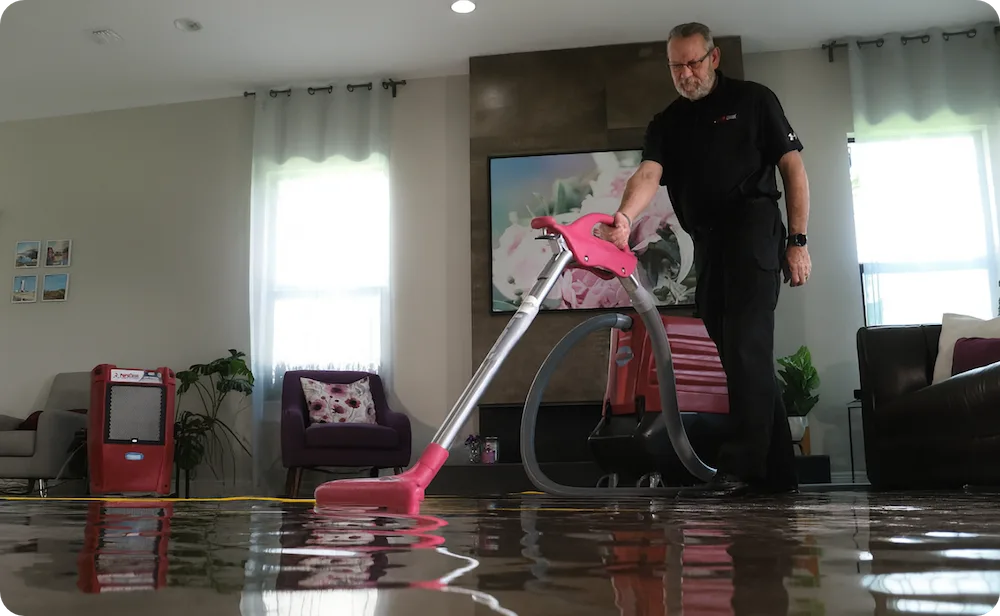
Water damage can result from unexpected leaks, flooding from storms, plumbing failures, or appliance malfunctions. Our certified teams focus on rapid water removal, drying, and stabilization to help prevent further damage and mold growth.
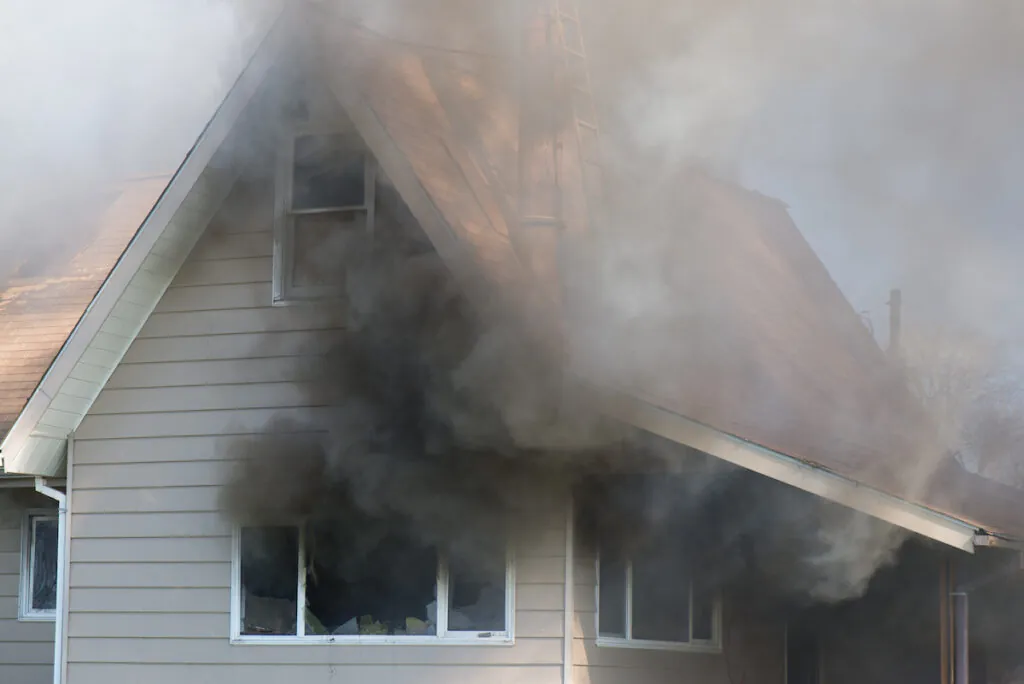
Even after a fire is extinguished, smoke, soot, and odor can continue to affect your home. Fire damage restoration services address visible damage while also helping reduce lingering effects that impact indoor air quality and surfaces.
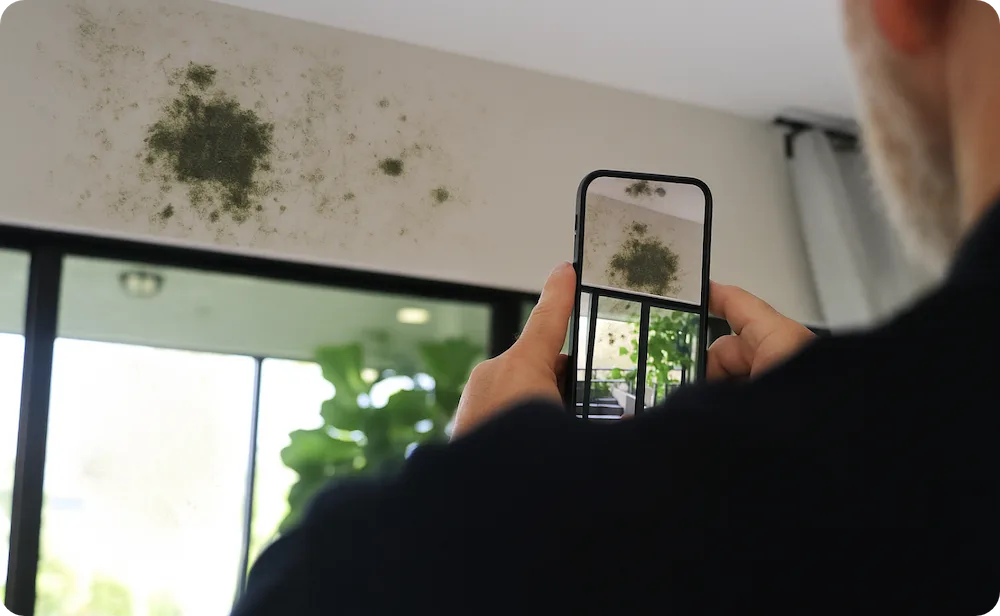
Mold often develops as a result of unresolved moisture or hidden water damage. Professional mold remediation helps identify affected areas, contain growth, and restore healthy indoor conditions.
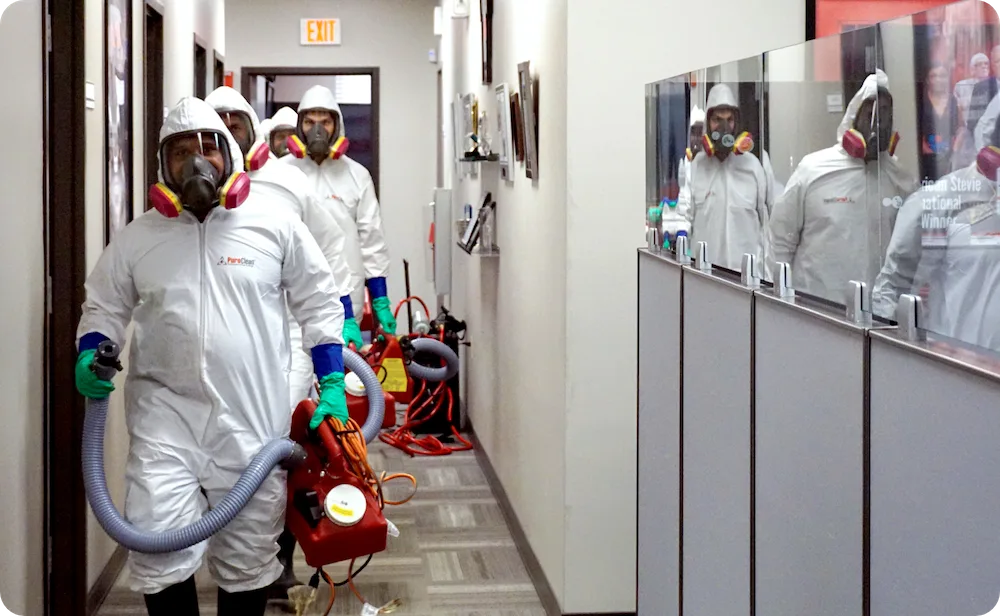
Biohazard situations, including crime scene cleanup and virus decontamination, require specialized cleaning and handling to protect health and safety. Biohazard cleanup services address contamination using proper protocols and professional care.
PuroClean provides 24/7 commercial property damage restoration services for businesses and facilities across the United States.
Water damage can result from unexpected leaks, flooding from storms, plumbing failures, or appliance malfunctions. Our certified teams focus on rapid water removal, drying, and stabilization to help prevent further damage and mold growth.
Common questions from Forest Junction property owners about water, mold, and fire damage restoration.
It can, depending on the scope of work and whether any state or federal historic preservation guidelines apply to your specific property. For mitigation work like water extraction, drying, and antimicrobial treatment, there’s generally no conflict with historic status, since this work focuses on removing moisture and preventing mold rather than altering the structure. If a loss progresses into reconstruction involving original materials, trim, or facade elements, we’d flag that early so any necessary preservation considerations can be addressed before demolition begins, rather than after.
It’s quite possible. Many homes in and around Forest Junction date to the railroad era of the late 1800s, and foundations from that period weren’t built with the moisture barriers modern construction includes. A persistent musty smell often points to ongoing low-level moisture intrusion through an aging foundation, which can support mold growth in framing, subfloor, or stored belongings even without a single dramatic flooding event. We offer mold inspections using moisture meters to determine whether remediation is needed and to help identify where the moisture is likely entering.
Forest Junction sits about 20 miles from our Appleton location via US Route 10, which is a well-maintained primary highway that stays passable in most winter conditions, helping us keep response times within our standard 1-2 hour emergency window even during storms. For a frozen pipe burst, the priority is shutting off the water source and beginning extraction before the water spreads further or freezes again in unheated areas. If your property is a farmstead set back from US-10, having a clear description of your driveway and nearest cross-road helps our team find you quickly, especially if snow has obscured address signage.
We handle both. Given how much of the area around Forest Junction is farmland within the Town of Brillion, outbuildings, machine sheds, and storage structures are a regular part of our caseload here, not an exception. Whether it’s a frozen pipe in a machine shed, storm damage to a barn roof, or mold in a grain storage building from chronic humidity, our approach uses the same moisture mapping and extraction equipment as a residential job, and we document any equipment, feed, or stored material losses for your insurance claim.
In most cases, yes. Standard homeowners and farm property policies typically treat sudden wind damage to a roof, and the water intrusion that follows before repairs can be made, as part of the same covered event, subject to your deductible. Properties along US-10 can see significant runoff during heavy storms, which can compound interior water damage if a roof is already compromised. We document both the wind damage and the resulting water intrusion separately with photos and moisture readings, which helps support a clear claim for your adjuster regardless of which part of the loss they’re evaluating first.
It can, depending on the scope of work and whether any state or federal historic preservation guidelines apply to your specific property. For mitigation work like water extraction, drying, and antimicrobial treatment, there’s generally no conflict with historic status, since this work focuses on removing moisture and preventing mold rather than altering the structure. If a loss progresses into reconstruction involving original materials, trim, or facade elements, we’d flag that early so any necessary preservation considerations can be addressed before demolition begins, rather than after.
It’s quite possible. Many homes in and around Forest Junction date to the railroad era of the late 1800s, and foundations from that period weren’t built with the moisture barriers modern construction includes. A persistent musty smell often points to ongoing low-level moisture intrusion through an aging foundation, which can support mold growth in framing, subfloor, or stored belongings even without a single dramatic flooding event. We offer mold inspections using moisture meters to determine whether remediation is needed and to help identify where the moisture is likely entering.
Forest Junction sits about 20 miles from our Appleton location via US Route 10, which is a well-maintained primary highway that stays passable in most winter conditions, helping us keep response times within our standard 1-2 hour emergency window even during storms. For a frozen pipe burst, the priority is shutting off the water source and beginning extraction before the water spreads further or freezes again in unheated areas. If your property is a farmstead set back from US-10, having a clear description of your driveway and nearest cross-road helps our team find you quickly, especially if snow has obscured address signage.
We handle both. Given how much of the area around Forest Junction is farmland within the Town of Brillion, outbuildings, machine sheds, and storage structures are a regular part of our caseload here, not an exception. Whether it’s a frozen pipe in a machine shed, storm damage to a barn roof, or mold in a grain storage building from chronic humidity, our approach uses the same moisture mapping and extraction equipment as a residential job, and we document any equipment, feed, or stored material losses for your insurance claim.
In most cases, yes. Standard homeowners and farm property policies typically treat sudden wind damage to a roof, and the water intrusion that follows before repairs can be made, as part of the same covered event, subject to your deductible. Properties along US-10 can see significant runoff during heavy storms, which can compound interior water damage if a roof is already compromised. We document both the wind damage and the resulting water intrusion separately with photos and moisture readings, which helps support a clear claim for your adjuster regardless of which part of the loss they’re evaluating first.
What Our Customers Say:
When you need water damage restoration services near you, call the experts at PuroClean. We are here day or night, 24/7, to help remove any standing water quickly and begin your water restoration service. We monitor the drying process so you can rest assured that your property is dried thoroughly. We offer commercial water restoration services for businesses and residential water damage restoration for homeowners.
PuroClean of Appleton
(920) 944-2320
400 S Linwood Ave, #4, Appleton, WI 54914
© 2026 PuroClean. All Rights Reserved.