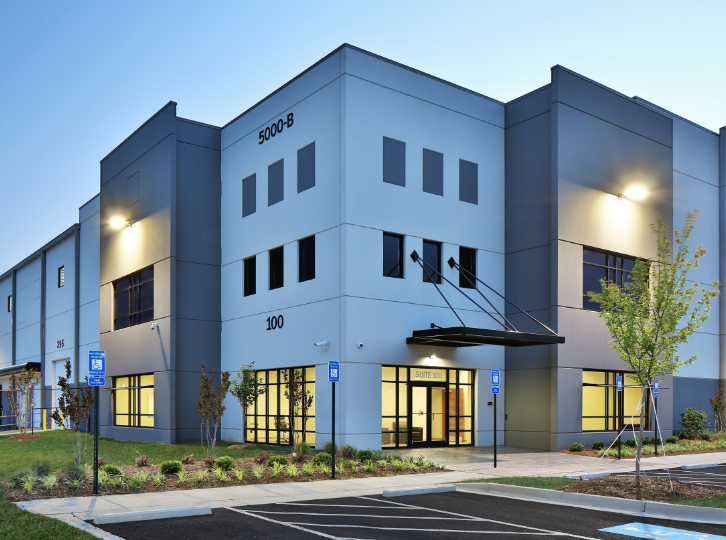
PuroClean of Appleton — 400 S Linwood Ave, #4, Appleton, WI 54914
Hortonville’s story starts with a dam. In 1848, Alonzo Horton purchased 1,500 acres of what’s now the Town of Hortonia and Village of Hortonville for 70 cents an acre, built a cabin, and put crews to work damming Black Otter Creek — creating the 75-acre Black Otter Lake, still the only public-access lake in Outagamie County. Horton platted the village in 1849, then headed west for the California Gold Rush before going on to found and develop the city of San Diego, California, making this small Fox Valley village an unlikely sibling city to one of America’s biggest. The Village of Hortonville officially incorporated on August 11, 1894, and even had one of the world’s first match-light factories around that time.
That lake and creek system still defines the village today. Black Otter Creek flows out of the lake and into the Wolf River just north of the village, draining a watershed of roughly 16 square miles. The village’s historic core sits along Main Street and the Commercial Street Historic District, where buildings on the National Register of Historic Places include the 1912 Hortonville Community Hall — now the Hortonville Opera House — a Spanish Colonial Revival building that’s hosted everything from dances to plays over more than a century. Rail lines along the old Fox Valley & Western route still cross the village at West Main Street/WIS-15, South Lincoln Street, and South Nash Street, and the Wiouwash Trail and Grand View Golf Course round out a community that blends a historic lakeside downtown with surrounding residential neighborhoods and rural township land.
Here’s what we’re typically called out for in Hortonville:
Our team is based at 400 S Linwood Ave in Appleton, and Hortonville sits about 10 miles northwest, at the intersection of State Highway JJ and County Highway M. For most calls, our trucks take Highway 15 or County Road JJ directly into the village, which brings us right into the historic downtown near Black Otter Lake, Main Street, and the Commercial Street district. This is a short, direct route that keeps Hortonville calls well within our 1-2 hour emergency response window, often considerably faster given the distance.
For homes around the lake itself, including properties near the boat launches and the parks along the shoreline, we typically continue past the downtown intersection toward the residential streets that wrap around Black Otter Lake’s perimeter. For properties in the surrounding Town of Hortonia, including rural homes and farms beyond the village’s 3.55-square-mile footprint, we continue on County Road M or other township roads, since rural properties here often sit on larger lots set back from the main roads. Our technicians cross the same rail lines that bisect the village at West Main Street/WIS-15, Lincoln Street, and Nash Street as part of normal routing, and we factor in occasional rail traffic when timing a response to the southern part of the village near the old Fox Valley & Western corridor.
Hortonville’s defining risk factor is built directly into its origin story: the village exists because Alonzo Horton dammed Black Otter Creek to create Black Otter Lake, and that engineered water feature remains central to the village’s hydrology nearly 175 years later. The lake’s watershed drains roughly 16 square miles, meaning a significant volume of runoff from the surrounding Town of Hortonia funnels toward the lake and the creek that drains it into the Wolf River. During heavy rain events, this watershed can deliver more water toward the village center than its size alone might suggest, and homes built close to the lake’s shoreline or along Black Otter Creek’s path toward the Wolf River can experience elevated groundwater and surface water exposure during and after significant storms.
The age of Hortonville’s core buildings adds a second layer of risk. The Commercial Street Historic District and the buildings surrounding the 1912 Hortonville Opera House represent more than a century of construction history, and homes and commercial buildings from this era typically have foundations built with stone, brick, or early concrete techniques that behave differently than modern construction when exposed to water from the lake’s watershed. These older foundations can develop seepage points over time that allow lake-driven groundwater to enter basements more readily than it would in newer construction further from the shoreline, and the historic downtown’s proximity to both the lake and Black Otter Creek means commercial buildings here face some of the same water exposure as residential lakefront properties.
Beyond the lake itself, Hortonville’s rail corridor and rural surroundings contribute their own risk factors. The active rail line crossing the village at three points has run through Hortonville for well over a century, and properties closest to the tracks can experience the kind of long-term vibration effects on plumbing and foundation joints that we watch for during inspections in similar rail-adjacent communities. In the surrounding Town of Hortonia, farms and rural homes face the same winter cold-snap risks common throughout our service area — frozen and burst pipes in less-insulated outbuildings — while wind-driven roof damage during summer storms affects the open agricultural land surrounding the village differently than it does the more sheltered, tree-lined streets near the lake. Across the village, Black Otter Lake’s year-round presence also means properties closest to the shoreline tend to run more humid than those further inland, giving lakefront homes a faster timeline from any water intrusion to potential mold growth.
Owned & Operated by Osagie Enodunmwenben
400 S Linwood Ave, Appleton, WI, 54914
(920) 944-2320
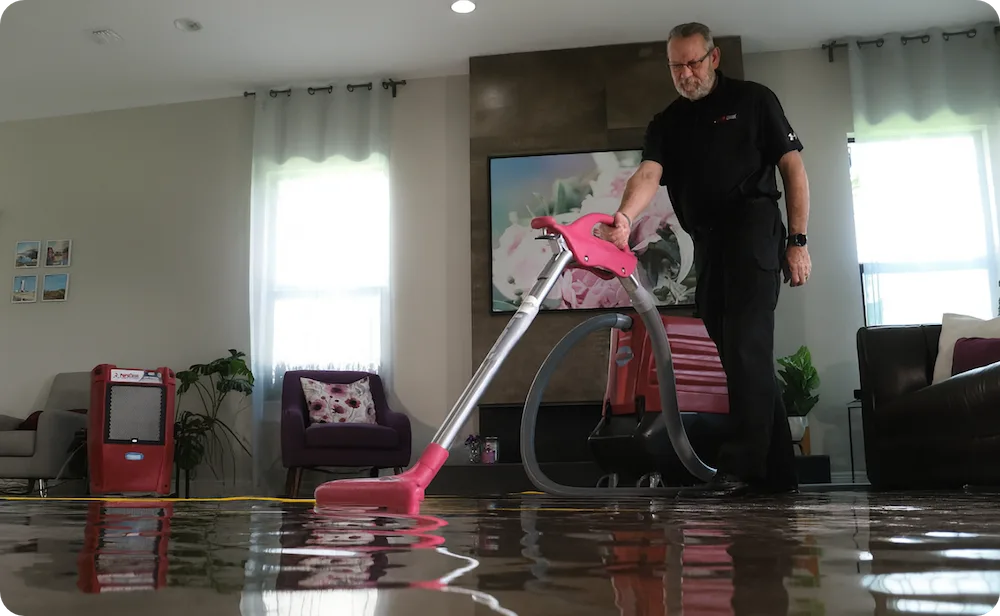
Water damage can result from unexpected leaks, flooding from storms, plumbing failures, or appliance malfunctions. Our certified teams focus on rapid water removal, drying, and stabilization to help prevent further damage and mold growth.
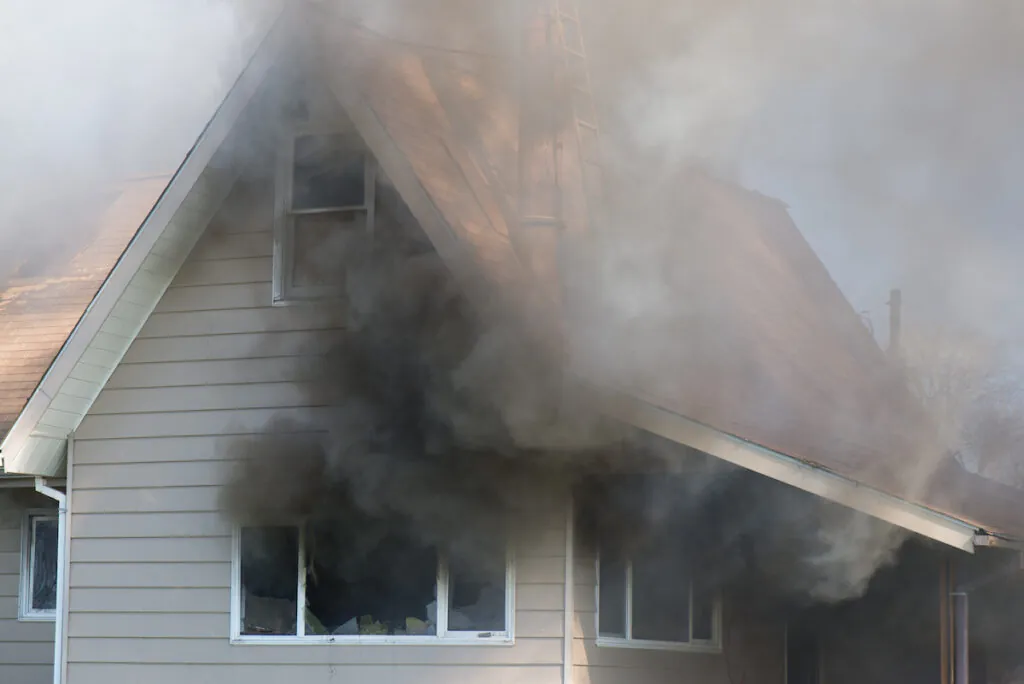
Even after a fire is extinguished, smoke, soot, and odor can continue to affect your home. Fire damage restoration services address visible damage while also helping reduce lingering effects that impact indoor air quality and surfaces.
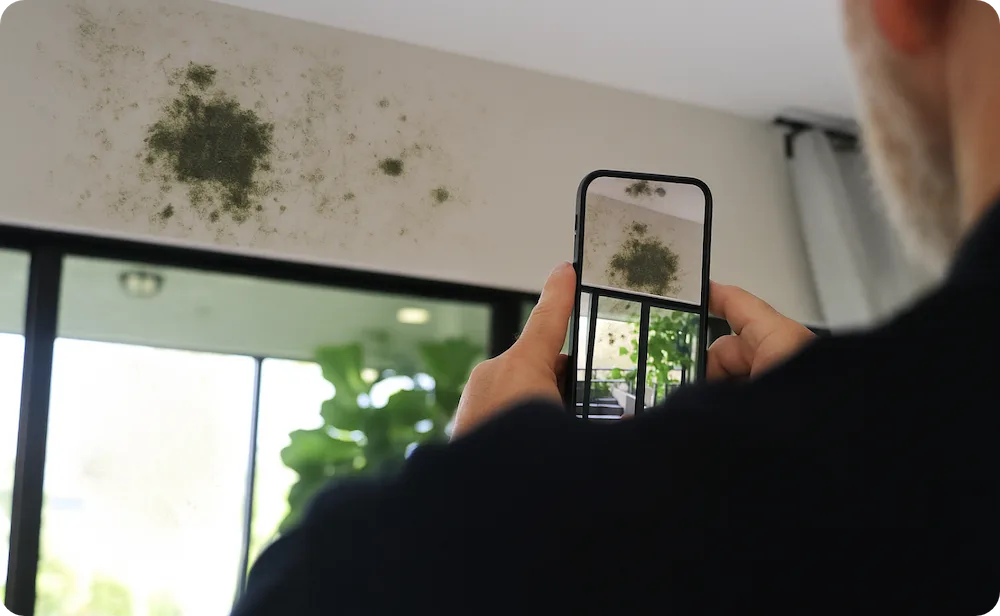
Mold often develops as a result of unresolved moisture or hidden water damage. Professional mold remediation helps identify affected areas, contain growth, and restore healthy indoor conditions.
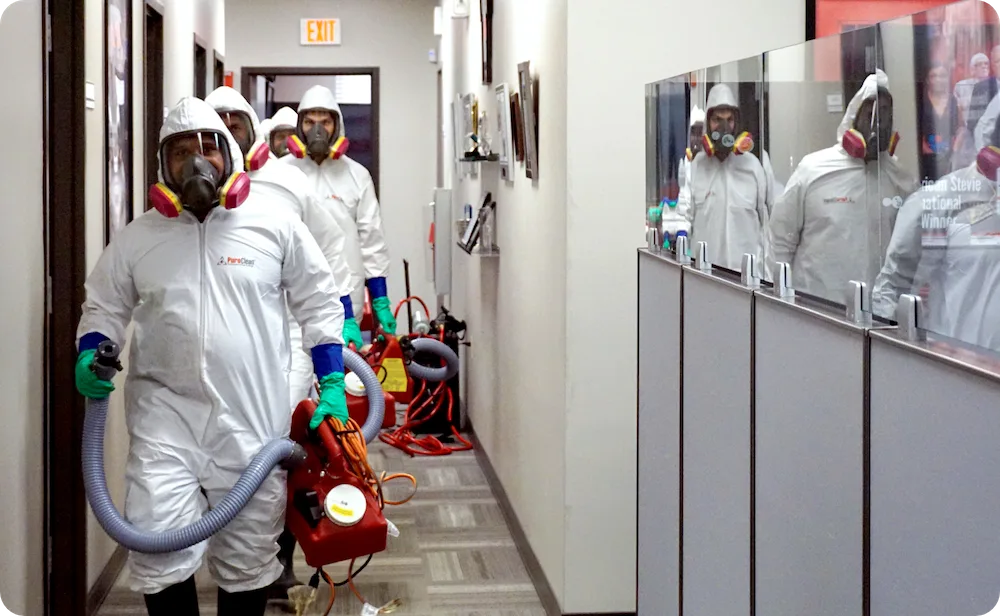
Biohazard situations, including crime scene cleanup and virus decontamination, require specialized cleaning and handling to protect health and safety. Biohazard cleanup services address contamination using proper protocols and professional care.
PuroClean provides 24/7 commercial property damage restoration services for businesses and facilities across the United States.
Water damage can result from unexpected leaks, flooding from storms, plumbing failures, or appliance malfunctions. Our certified teams focus on rapid water removal, drying, and stabilization to help prevent further damage and mold growth.
Common questions from Hortonville homeowners and business owners about water, mold, and fire damage restoration.
It’s a reasonable possibility worth investigating. Black Otter Lake’s watershed covers roughly 16 square miles, and during heavy rain, runoff from that area drains toward the lake and Black Otter Creek. Homes close to the shoreline can experience elevated groundwater levels during and after significant storms, which may show up as basement seepage even without visible flooding at the surface. During our assessment, we use moisture meters to map where water is entering, which helps determine whether the source is lake-driven groundwater, surface drainage, or a foundation issue unrelated to the lake.
For mitigation work like water extraction, drying, and antimicrobial treatment, historic district status generally doesn’t create conflicts, since this work focuses on removing moisture and preventing mold rather than altering the building’s exterior or character-defining features. If a loss progresses into reconstruction involving original trim, facade elements, or other historic materials, we’d flag that early in the process so any preservation considerations can be addressed before demolition begins. Buildings of this era near the Opera House often have foundation and plumbing characteristics from the early 1900s, which we account for in our drying approach.
Hortonville is actually one of the closer communities in our service area, about 10 miles northwest of our Appleton location via Highway 15 or County Road JJ. This short distance means Hortonville calls typically fall comfortably within our 1-2 hour emergency response window, often on the faster end. For properties further out in the surrounding Town of Hortonia, response times depend on how far the property sits from the village center, but the short base distance from Appleton helps keep overall response times competitive even for rural addresses.
Yes. While Black Otter Lake and the village center get a lot of attention, a significant portion of our calls in this area come from the surrounding Town of Hortonia, including farmhouses and rural homes well outside the village’s 3.55-square-mile footprint. These properties face different risk factors than lakefront homes — frozen pipes in less-insulated farm buildings during winter, wind-driven roof damage on more exposed agricultural land, and foundation issues typical of older rural construction. We use the same moisture mapping and extraction approach regardless of whether a property is on the lake or out in the township.
Generally, yes. Properties along the lake’s shoreline experience more consistent humidity from their proximity to the water, which can make any water intrusion take longer to dry naturally and create more favorable conditions for mold growth, which can begin within 24 to 48 hours. Homes further from the lake, including those in the newer residential areas away from the shoreline or out in the Town of Hortonia, typically have a lower baseline humidity. That said, any property with an undetected leak can develop mold regardless of location, so a persistent musty smell anywhere in Hortonville is worth a mold inspection using moisture meters.
It’s a reasonable possibility worth investigating. Black Otter Lake’s watershed covers roughly 16 square miles, and during heavy rain, runoff from that area drains toward the lake and Black Otter Creek. Homes close to the shoreline can experience elevated groundwater levels during and after significant storms, which may show up as basement seepage even without visible flooding at the surface. During our assessment, we use moisture meters to map where water is entering, which helps determine whether the source is lake-driven groundwater, surface drainage, or a foundation issue unrelated to the lake.
For mitigation work like water extraction, drying, and antimicrobial treatment, historic district status generally doesn’t create conflicts, since this work focuses on removing moisture and preventing mold rather than altering the building’s exterior or character-defining features. If a loss progresses into reconstruction involving original trim, facade elements, or other historic materials, we’d flag that early in the process so any preservation considerations can be addressed before demolition begins. Buildings of this era near the Opera House often have foundation and plumbing characteristics from the early 1900s, which we account for in our drying approach.
Hortonville is actually one of the closer communities in our service area, about 10 miles northwest of our Appleton location via Highway 15 or County Road JJ. This short distance means Hortonville calls typically fall comfortably within our 1-2 hour emergency response window, often on the faster end. For properties further out in the surrounding Town of Hortonia, response times depend on how far the property sits from the village center, but the short base distance from Appleton helps keep overall response times competitive even for rural addresses.
Yes. While Black Otter Lake and the village center get a lot of attention, a significant portion of our calls in this area come from the surrounding Town of Hortonia, including farmhouses and rural homes well outside the village’s 3.55-square-mile footprint. These properties face different risk factors than lakefront homes — frozen pipes in less-insulated farm buildings during winter, wind-driven roof damage on more exposed agricultural land, and foundation issues typical of older rural construction. We use the same moisture mapping and extraction approach regardless of whether a property is on the lake or out in the township.
Generally, yes. Properties along the lake’s shoreline experience more consistent humidity from their proximity to the water, which can make any water intrusion take longer to dry naturally and create more favorable conditions for mold growth, which can begin within 24 to 48 hours. Homes further from the lake, including those in the newer residential areas away from the shoreline or out in the Town of Hortonia, typically have a lower baseline humidity. That said, any property with an undetected leak can develop mold regardless of location, so a persistent musty smell anywhere in Hortonville is worth a mold inspection using moisture meters.
What Our Customers Say:
When you need water damage restoration services near you, call the experts at PuroClean. We are here day or night, 24/7, to help remove any standing water quickly and begin your water restoration service. We monitor the drying process so you can rest assured that your property is dried thoroughly. We offer commercial water restoration services for businesses and residential water damage restoration for homeowners.
PuroClean of Appleton
(920) 944-2320
400 S Linwood Ave, #4, Appleton, WI 54914
© 2026 PuroClean. All Rights Reserved.