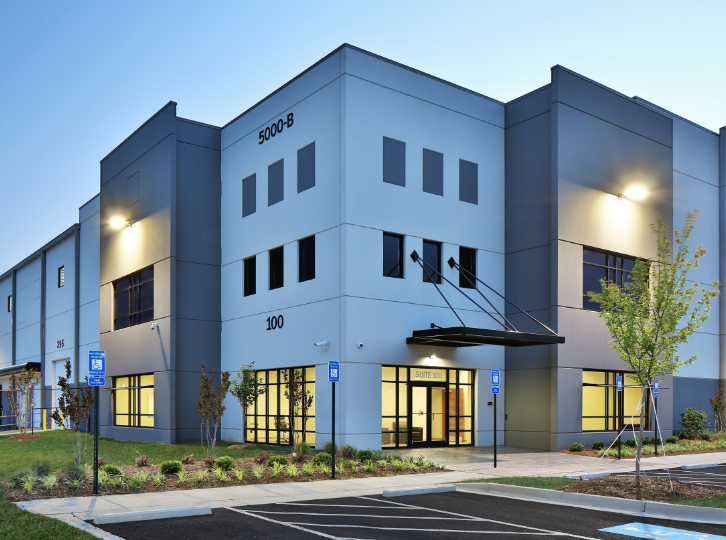
PuroClean of Appleton — 400 S Linwood Ave, #4, Appleton, WI 54914
Brillion grew up around iron and water. Brillion Iron Works opened as a tool manufacturer in 1890 and added a foundry in 1900, and for more than a century the company anchored the local economy on Park Avenue before closing in 2016. Today, the names that built Brillion’s reputation — Ariens, with its snow blowers and lawn tractors, and Endries International — still operate alongside a downtown that grew up around the foundry’s workforce. But Brillion’s real defining feature, the one that shapes nearly every water damage call we get here, isn’t the old foundry. It’s Spring Creek and the North Branch of the Manitowoc River, which run along the edge of the Brillion Marsh and Brillion State Wildlife Area just outside the city.
Local business owners describe it bluntly: once two or three inches of rain falls, the river backs up and the water has nowhere to go but into yards, basements, and low-lying commercial buildings. River overflow here commonly travels 100 to 200 feet inland, and Calumet County has logged repeated flood-related property damage events since 2010 — including a 2017 disaster declaration after flooding wiped out a significant share of the area’s strawberry crop. A DNR and Ducks Unlimited dredging project on the North Branch, expected to begin in 2026, aims to ease this, but until then, homes along the river corridor, properties near Becker Lake and Long Lake Road, and businesses on the south and east sides of the city remain at real risk every time a heavy storm rolls through.
Here’s what we’re called out for most often in Brillion:
Our team is based at 400 S Linwood Ave in Appleton, and Brillion sits about 20 miles southeast, putting most calls within reach of our standard emergency response window. The quickest route for most of the city is east on WIS-114 or US-10 toward Hilbert, then south on County Road S into Brillion, which brings us in near Ariens Road and the industrial area around the old Brillion Iron Works site on Park Avenue. That route works well for commercial calls in the downtown core and for residential neighborhoods on the city’s north and west sides.
For homes closer to the river corridor, Spring Creek, or the area near Becker Lake and Long Lake Road, we often continue past the downtown core and approach from County Road PP, which runs south out of the city toward the lake park access road — useful when a job involves an active flood event and we need to assess water levels along the marsh before committing to a specific street. During flood-prone stretches of spring and summer, our dispatch team checks current conditions on County Road S and PP before sending a truck, since flash flooding here can affect travel routes as much as it affects the homes we’re responding to. Technicians arrive with extraction pumps, dehumidifiers, and moisture meters ready to go, since river-related flood calls in Brillion often mean we’re moving water out of more than one structure on the same street.
Brillion’s number one risk factor is its position at the edge of the Brillion Marsh and the North Branch of the Manitowoc River. This is not a hypothetical concern — it’s a recurring, documented problem. Local officials report that the river floods once or twice a year when rainfall exceeds two or three inches, and the resulting overflow regularly pushes 100 to 200 feet inland into yards, basements, and commercial lots. Calumet County recorded five separate flood-related property damage events between 2010 and 2025 according to NOAA data, and the city itself has cited the recurring flooding as a driver behind the need for a new wastewater treatment plant. For homeowners and business owners along the river corridor, this means recurring exposure to what the restoration industry classifies as Category 2 (grey water) or Category 3 (black water) intrusion, depending on how much the floodwater has mixed with soil, agricultural runoff, or sewage.
The marsh and wetland system that surrounds Brillion also means humidity lingers longer here than in drier inland communities, which raises the stakes on any water intrusion that isn’t addressed quickly. Mold can begin developing in 24 to 48 hours, and in a basement that’s already taken on river-related moisture once or twice a year for several years running, the materials may already be holding more ambient moisture than they should before a new event even occurs. That compounding effect is part of why repeat flood losses in Brillion often progress faster from a Class 1 or 2 water loss to a Class 3 or 4 situation requiring more extensive demolition and drying.
Brillion’s industrial history adds a second layer of risk for certain properties. Buildings constructed during the Brillion Iron Works era, particularly older commercial structures near Park Avenue and the downtown core, often have aging plumbing, electrical systems, and roofing that predate modern building codes. Older wiring increases fire risk in these structures, while aging roof systems are more vulnerable to the wind and hail events that pass through Calumet County during severe summer storms. On the residential side, the city’s housing stock includes a mix of early-1900s homes built during the foundry’s boom years and newer construction further from downtown — the older homes tend to have less effective foundation drainage, which compounds the flood risk already created by the city’s low-lying position near the marsh.
Owned & Operated by Osagie Enodunmwenben
400 S Linwood Ave, Appleton, WI, 54914
(920) 944-2320
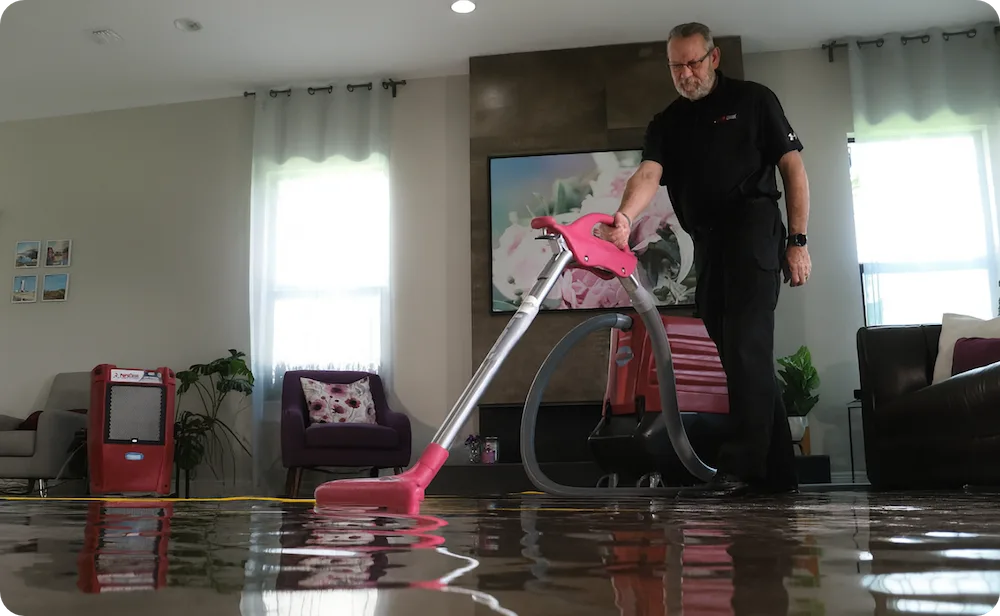
Water damage can result from unexpected leaks, flooding from storms, plumbing failures, or appliance malfunctions. Our certified teams focus on rapid water removal, drying, and stabilization to help prevent further damage and mold growth.
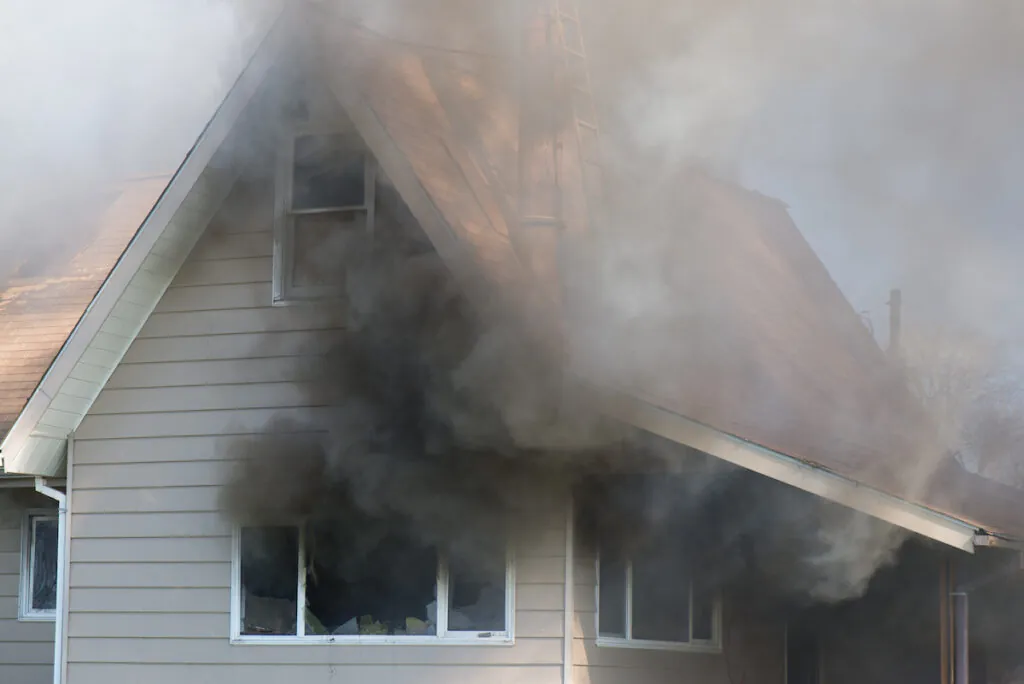
Even after a fire is extinguished, smoke, soot, and odor can continue to affect your home. Fire damage restoration services address visible damage while also helping reduce lingering effects that impact indoor air quality and surfaces.
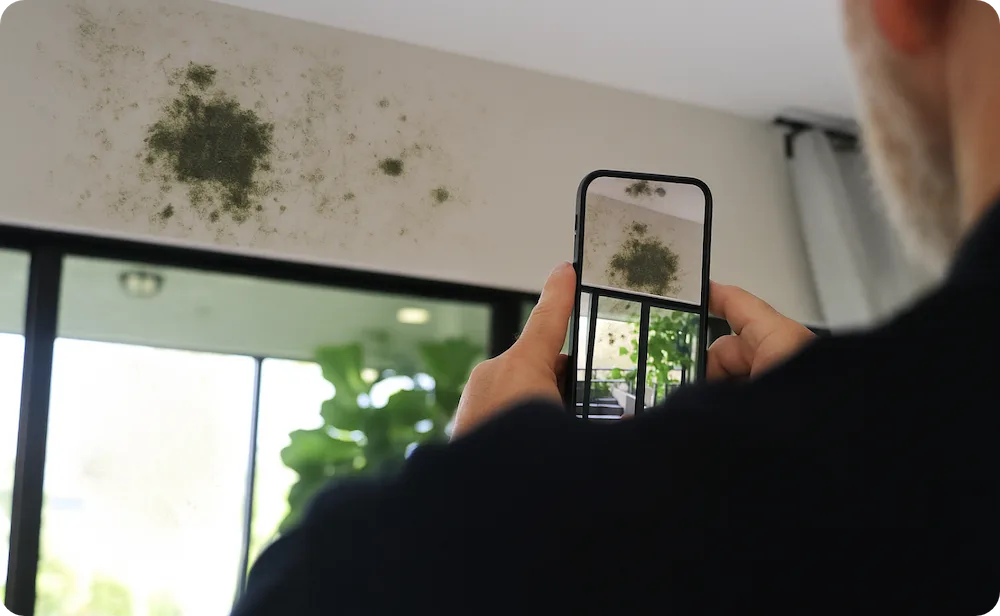
Mold often develops as a result of unresolved moisture or hidden water damage. Professional mold remediation helps identify affected areas, contain growth, and restore healthy indoor conditions.
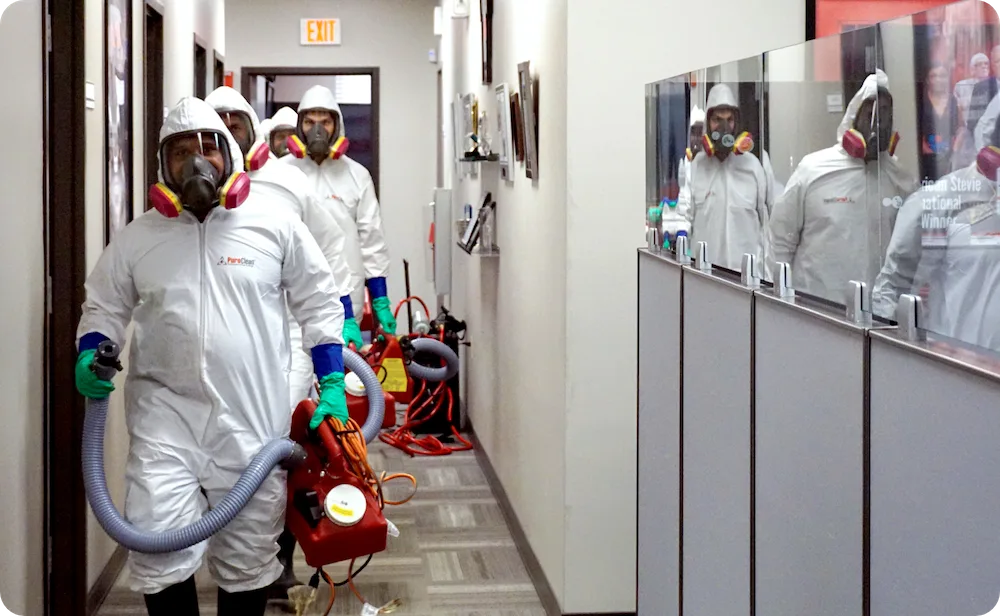
Biohazard situations, including crime scene cleanup and virus decontamination, require specialized cleaning and handling to protect health and safety. Biohazard cleanup services address contamination using proper protocols and professional care.
PuroClean provides 24/7 commercial property damage restoration services for businesses and facilities across the United States.
Water damage can result from unexpected leaks, flooding from storms, plumbing failures, or appliance malfunctions. Our certified teams focus on rapid water removal, drying, and stabilization to help prevent further damage and mold growth.
Common questions from Brillion homeowners and business owners about water, mold, and fire damage restoration.
It’s worth a conversation with your agent every time, even if the pattern feels familiar. Standard homeowners policies generally don’t cover river flooding, which is why many properties along Brillion’s river corridor carry separate NFIP flood policies. If you have an NFIP policy, each qualifying event is typically a separate claim. We document the water level, affected materials, and extent of intrusion with photos and moisture readings each time, which gives you and your adjuster a clear record — and if the pattern of repeat losses is escalating, that documentation can also support a conversation about flood-proofing improvements.
Brillion sits about 20 miles from our Appleton location via WIS-114 and County Road S, which keeps most calls within our typical 1-2 hour emergency response window. During widespread storm events, when multiple Brillion properties along the river corridor are affected at once, we prioritize based on water category and the presence of any active safety hazards, like electrical exposure in standing water. For a commercial property on Park Avenue, getting extraction equipment running quickly is critical to limiting downtime and keeping inventory or fixtures from sustaining secondary damage.
Yes, significantly. River and marsh floodwater is generally classified as Category 2 grey water, since it can carry agricultural runoff, soil, and organic material, though it can shift to Category 3 if it has mixed with sewage from overwhelmed systems. A direct sewer backup is always treated as Category 3 black water due to pathogen risk. Category 3 work requires more aggressive removal of porous materials like carpet, pad, and affected drywall, along with EPA-registered antimicrobial treatment. We assess and classify the water on-site so the cleanup protocol matches the actual contamination level.
It’s worth having checked. Properties near the Brillion Marsh and the river corridor tend to run more humid year-round than homes further from the wetland system, and a basement that’s taken on water from past flood events may have ongoing moisture retained in framing, subfloor, or insulation even between flood events. A musty smell that persists across seasons is a common sign of established mold growth rather than simple humidity. We offer mold inspections using moisture meters to identify whether remediation is needed and to pinpoint whether past flood intrusion left lingering moisture behind walls or under flooring.
The DNR and Ducks Unlimited dredging project on the North Branch of the Manitowoc River, expected to begin in 2026, is designed to improve water flow through the marsh and reduce the frequency of overflow events that have affected Brillion homes, farms, and businesses for years. That’s good news for the long term, but dredging projects take time to show their full effect, and existing moisture damage in older basements and crawlspaces from years of past flooding won’t resolve on its own. In the meantime, we’d still recommend addressing any existing water intrusion or mold concerns rather than waiting to see how the project performs.
It’s worth a conversation with your agent every time, even if the pattern feels familiar. Standard homeowners policies generally don’t cover river flooding, which is why many properties along Brillion’s river corridor carry separate NFIP flood policies. If you have an NFIP policy, each qualifying event is typically a separate claim. We document the water level, affected materials, and extent of intrusion with photos and moisture readings each time, which gives you and your adjuster a clear record — and if the pattern of repeat losses is escalating, that documentation can also support a conversation about flood-proofing improvements.
Brillion sits about 20 miles from our Appleton location via WIS-114 and County Road S, which keeps most calls within our typical 1-2 hour emergency response window. During widespread storm events, when multiple Brillion properties along the river corridor are affected at once, we prioritize based on water category and the presence of any active safety hazards, like electrical exposure in standing water. For a commercial property on Park Avenue, getting extraction equipment running quickly is critical to limiting downtime and keeping inventory or fixtures from sustaining secondary damage.
Yes, significantly. River and marsh floodwater is generally classified as Category 2 grey water, since it can carry agricultural runoff, soil, and organic material, though it can shift to Category 3 if it has mixed with sewage from overwhelmed systems. A direct sewer backup is always treated as Category 3 black water due to pathogen risk. Category 3 work requires more aggressive removal of porous materials like carpet, pad, and affected drywall, along with EPA-registered antimicrobial treatment. We assess and classify the water on-site so the cleanup protocol matches the actual contamination level.
It’s worth having checked. Properties near the Brillion Marsh and the river corridor tend to run more humid year-round than homes further from the wetland system, and a basement that’s taken on water from past flood events may have ongoing moisture retained in framing, subfloor, or insulation even between flood events. A musty smell that persists across seasons is a common sign of established mold growth rather than simple humidity. We offer mold inspections using moisture meters to identify whether remediation is needed and to pinpoint whether past flood intrusion left lingering moisture behind walls or under flooring.
The DNR and Ducks Unlimited dredging project on the North Branch of the Manitowoc River, expected to begin in 2026, is designed to improve water flow through the marsh and reduce the frequency of overflow events that have affected Brillion homes, farms, and businesses for years. That’s good news for the long term, but dredging projects take time to show their full effect, and existing moisture damage in older basements and crawlspaces from years of past flooding won’t resolve on its own. In the meantime, we’d still recommend addressing any existing water intrusion or mold concerns rather than waiting to see how the project performs.
What Our Customers Say:
When you need water damage restoration services near you, call the experts at PuroClean. We are here day or night, 24/7, to help remove any standing water quickly and begin your water restoration service. We monitor the drying process so you can rest assured that your property is dried thoroughly. We offer commercial water restoration services for businesses and residential water damage restoration for homeowners.
PuroClean of Appleton
(920) 944-2320
400 S Linwood Ave, #4, Appleton, WI 54914
© 2026 PuroClean. All Rights Reserved.