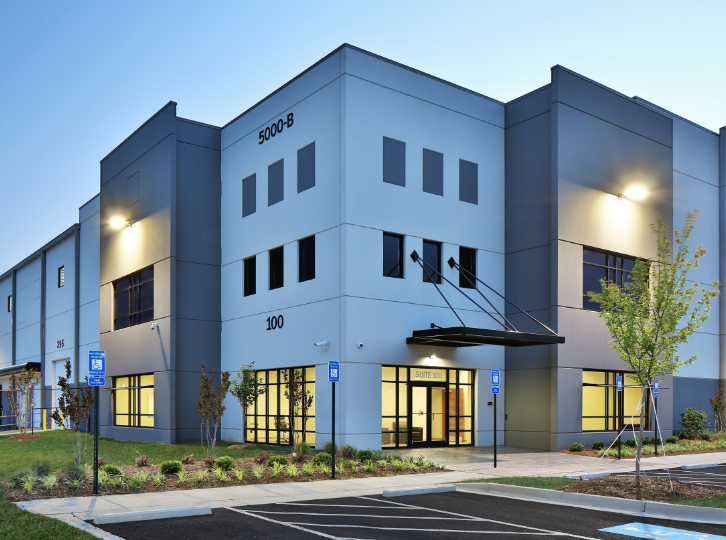
PuroClean of Appleton — 400 S Linwood Ave, #4, Appleton, WI 54914
Medina’s history goes back to 1848, when Zebediah Hyde, Lewis Hyde, Alva McCrary, and Samuel Young arrived with his sons and became the area’s first settlers. The community was originally named Young’s Corner, after Samuel’s son William Young, before the name changed to Medina sometime before 1851 — borrowed from Medina, Ohio. A post office opened here in 1852 and ran for well over a century before closing in 1966, and today Medina is an unincorporated community in the Town of Dale, sitting on Wisconsin Highway 96 where it intersects with Outagamie County Highway M, about 3.5 miles south of Hortonville and 11 miles west of Appleton. Despite being part of the Town of Dale, Medina’s mail still comes through the Hortonville post office, ZIP code 54944 — a quirk locals are used to but that occasionally trips up navigation apps and delivery services.
The old Milwaukee, Lake Shore and Western Railroad once ran through Medina, and that corridor is now the Wiouwash State Trail, a popular biking and walking path. Heading south from Medina on the trail, cyclists pass through forests and farm fields before reaching Medina Junction, where the trail crosses active rail tracks near the Rat River Wildlife Area — a transition point where Outagamie County gives way to Winnebago County amid forests, meadows, and marshes. Closer to the community center, Armitage Park gives Medina its own neighborhood gathering spot, a playground and park area that serves the surrounding rural homes. With farm fields, wooded trail corridors, wetland areas near the Rat River, and a mix of older homes along Highway 96 and newer rural residential construction, Medina gives us a genuinely varied set of properties.
Here’s what we’re typically called out for in Medina:
Our team is based at 400 S Linwood Ave in Appleton, and Medina sits about 11 miles west via Highway 96, the same divided highway corridor that became this area’s primary route when it was completed between Greenville and Fremont in December 2003. For most calls, our trucks take Highway 96 directly west, which brings us right to the Highway 96 and County Highway M intersection at the heart of Medina. This is a fast, direct route that keeps Medina calls within our 1-2 hour emergency response window in most conditions.
For homes near Armitage Park or along the immediate Highway 96 corridor, the County Highway M intersection puts us within a few minutes of most properties. For rural homes and farms further from the highway, including those near the Wiouwash Trail corridor or toward Medina Junction and the Rat River Wildlife Area to the south, we continue on County Highway M or other local roads, since these properties often sit on long driveways set back from the main roads. Because Medina’s mail routes through the Hortonville post office despite being part of the Town of Dale, our dispatch team double-checks addresses against mapping data when routing to this area, since the postal quirk can occasionally cause confusion with navigation systems. Once on-site, our technicians arrive with extraction pumps, dehumidifiers, and moisture meters ready to begin work immediately.
Medina’s proximity to the Rat River Wildlife Area gives this community a wetland-adjacent risk factor that some of our other rural service areas don’t share to the same degree. The Wiouwash Trail corridor south of Medina passes through forests, meadows, and marshes before reaching the wildlife area, and properties near this corridor — particularly toward Medina Junction — can experience higher ambient ground moisture than homes further from the wetland system. During heavy rain or spring snowmelt, this wetland-adjacent land can stay saturated longer than better-drained farmland elsewhere in the Town of Dale, and homes with basements near these areas may experience seepage that takes longer to resolve naturally than it would in a drier location.
Housing age plays a significant role in Medina as well. The community’s origins as Young’s Corner date back to 1848, and many homes along Highway 96 and near the historic community center were built during the agricultural settlement period of the mid-to-late 1800s. These older structures typically have foundations and plumbing systems that predate modern waterproofing standards, with stone or early masonry foundations more prone to gradual seepage and cracking after more than 150 years of settling. Combined with the area’s wetland-adjacent moisture, homes of this vintage in Medina can present some of the more challenging drying scenarios in our service area, where both an older foundation and elevated ambient ground moisture are working against a faster recovery timeline.
The open agricultural land along the Highway 96 corridor also shapes weather-related risk. With farm fields extending in most directions from Medina’s center, homes and outbuildings here have less windbreak protection than properties in more wooded parts of our service area, making wind-driven roof damage during summer storms a more pronounced concern. Winter cold snaps hit rural outbuildings — barns, machine sheds, and similar structures common on the farms surrounding Medina — particularly hard, since these buildings typically have less insulation than primary residences, raising the risk of frozen pipe bursts. On the fire side, the combination of older farmhouse electrical systems along Highway 96, wood heat common in rural properties during Wisconsin winters, and the agricultural fire risks inherent to barns with hay and equipment storage gives Medina a fire and smoke damage caseload consistent with the working rural communities throughout the Town of Dale.
Owned & Operated by Osagie Enodunmwenben
400 S Linwood Ave, Appleton, WI, 54914
(920) 944-2320
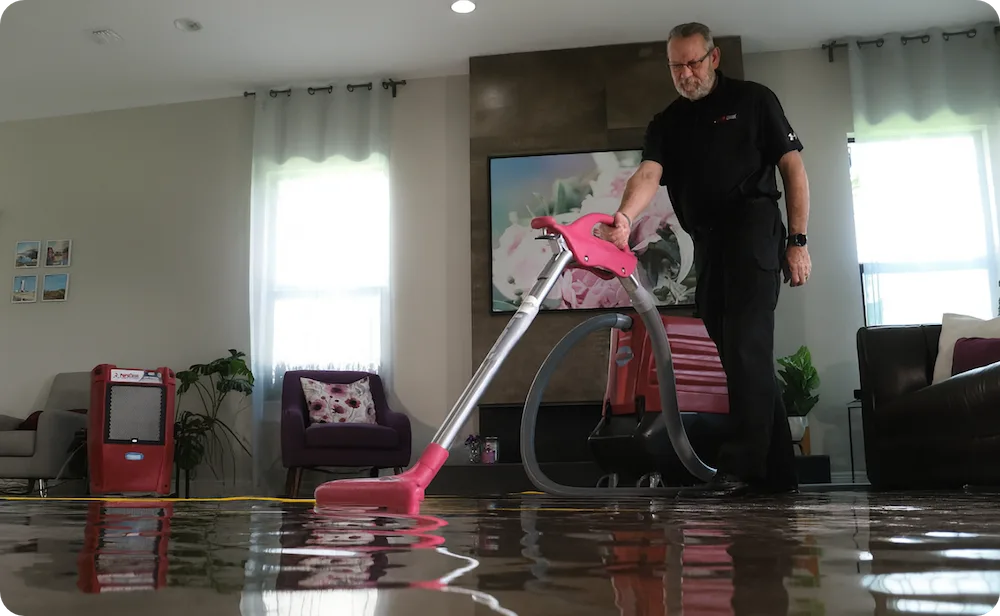
Water damage can result from unexpected leaks, flooding from storms, plumbing failures, or appliance malfunctions. Our certified teams focus on rapid water removal, drying, and stabilization to help prevent further damage and mold growth.
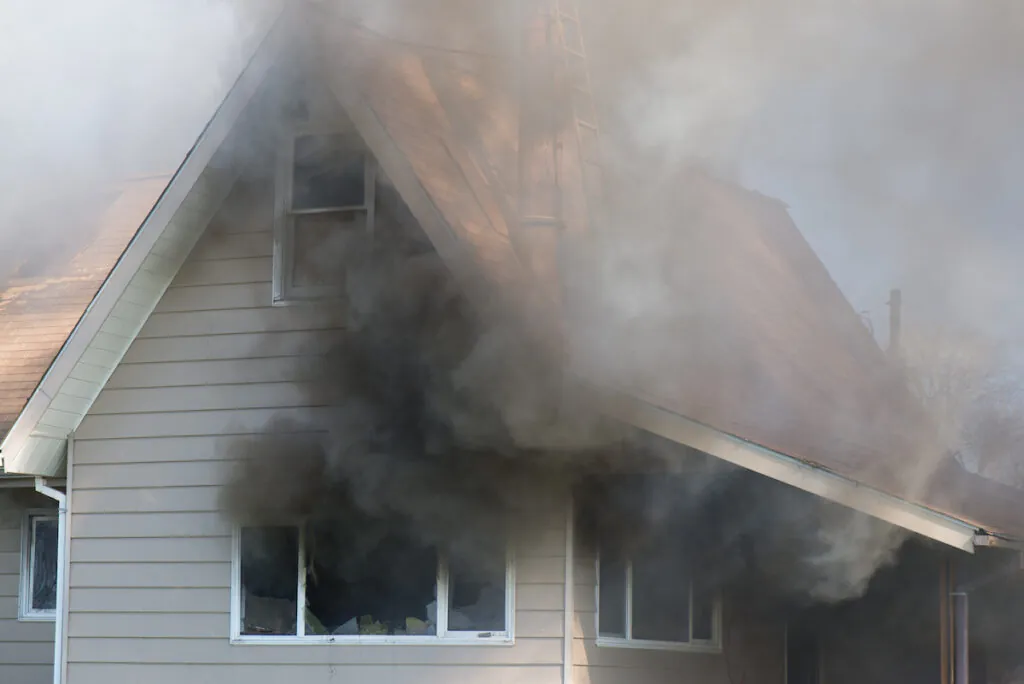
Even after a fire is extinguished, smoke, soot, and odor can continue to affect your home. Fire damage restoration services address visible damage while also helping reduce lingering effects that impact indoor air quality and surfaces.
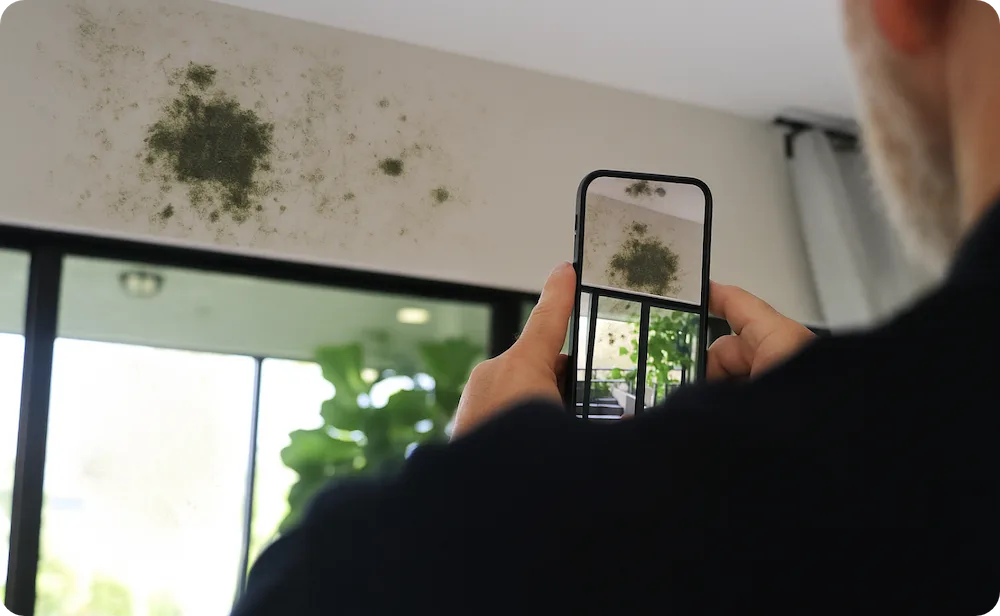
Mold often develops as a result of unresolved moisture or hidden water damage. Professional mold remediation helps identify affected areas, contain growth, and restore healthy indoor conditions.
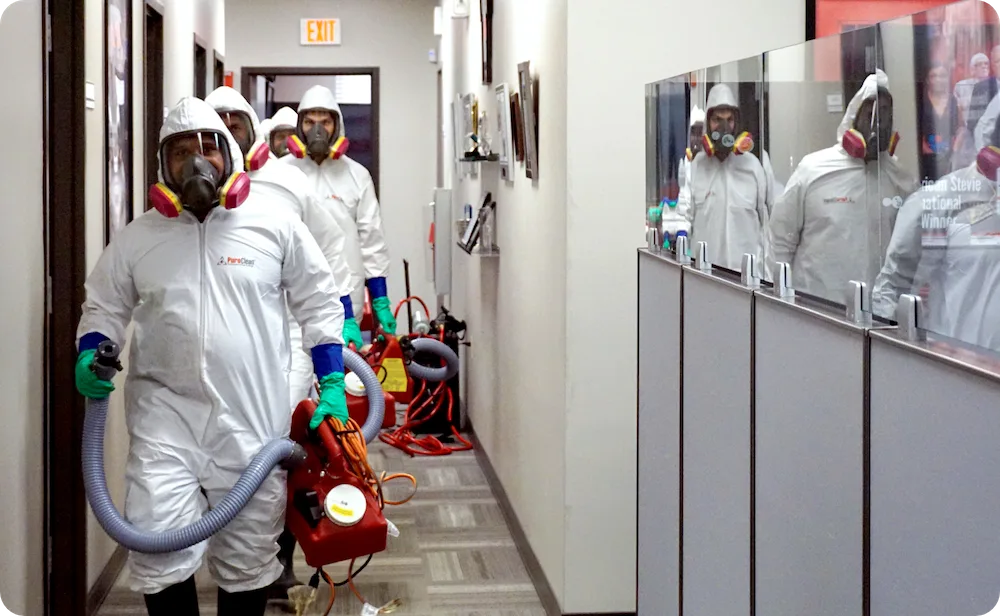
Biohazard situations, including crime scene cleanup and virus decontamination, require specialized cleaning and handling to protect health and safety. Biohazard cleanup services address contamination using proper protocols and professional care.
PuroClean provides 24/7 commercial property damage restoration services for businesses and facilities across the United States.
Water damage can result from unexpected leaks, flooding from storms, plumbing failures, or appliance malfunctions. Our certified teams focus on rapid water removal, drying, and stabilization to help prevent further damage and mold growth.
Common questions from Medina-area homeowners and farm property owners about water, mold, and fire damage restoration.
It’s a reasonable possibility. The Rat River Wildlife Area and the wetland corridor the Wiouwash Trail passes through toward Medina Junction can keep the surrounding ground more saturated than better-drained farmland elsewhere in the area, especially after heavy rain or spring snowmelt. Homes near this corridor may experience basement dampness that takes longer to resolve naturally than it would for a property further from the wetland system. During our assessment, we use moisture meters to map where and how water is entering, which helps determine whether the wetland proximity is a contributing factor.
Not at all — we’re well aware of this quirk. Medina has been served by the Hortonville post office for a very long time, even though it’s part of the Town of Dale rather than Hortonville itself, and this occasionally causes confusion with mapping and navigation systems. Our dispatch team double-checks addresses in this area against multiple mapping sources when routing a truck, so the postal arrangement doesn’t affect our ability to find your property or our response time, which generally falls within our standard 1-2 hour emergency window via Highway 96.
Yes, significantly. Homes from Medina’s earliest settlement period, when the community was known as Young’s Corner in the late 1840s and 1850s, often have foundations built with stone or early masonry techniques that behave very differently than modern poured concrete when exposed to moisture. Combined with Medina’s proximity to wetland areas, these older foundations can take longer to dry after a water event than a similar-sized loss in newer construction further from the wetland corridor. During our assessment, we use moisture meters and thermal imaging where helpful to map how water has traveled through your home’s specific materials.
Medina is about 11 miles from our Appleton location via Highway 96, a well-maintained divided highway that generally stays passable in winter conditions, keeping us within our standard 1-2 hour emergency response window even during storms. For farms set back from Highway 96 on county roads, the remaining travel time depends on driveway length and road conditions. A frozen pipe burst in an outbuilding or farmhouse is a priority call for us, so let us know the details when you call and we’ll plan our route accordingly.
Generally, yes, particularly for properties closest to the trail corridor as it heads toward Medina Junction and the Rat River Wildlife Area. The forests, meadows, and marshes along this stretch keep ambient ground moisture higher than the open farmland along most of Highway 96, which can make any water intrusion take longer to dry naturally and create more favorable conditions for mold growth, which can begin within 24 to 48 hours. If you’re noticing a persistent musty smell in a home near this corridor, a mold inspection using moisture meters can help determine whether remediation is needed.
It’s a reasonable possibility. The Rat River Wildlife Area and the wetland corridor the Wiouwash Trail passes through toward Medina Junction can keep the surrounding ground more saturated than better-drained farmland elsewhere in the area, especially after heavy rain or spring snowmelt. Homes near this corridor may experience basement dampness that takes longer to resolve naturally than it would for a property further from the wetland system. During our assessment, we use moisture meters to map where and how water is entering, which helps determine whether the wetland proximity is a contributing factor.
Not at all — we’re well aware of this quirk. Medina has been served by the Hortonville post office for a very long time, even though it’s part of the Town of Dale rather than Hortonville itself, and this occasionally causes confusion with mapping and navigation systems. Our dispatch team double-checks addresses in this area against multiple mapping sources when routing a truck, so the postal arrangement doesn’t affect our ability to find your property or our response time, which generally falls within our standard 1-2 hour emergency window via Highway 96.
Yes, significantly. Homes from Medina’s earliest settlement period, when the community was known as Young’s Corner in the late 1840s and 1850s, often have foundations built with stone or early masonry techniques that behave very differently than modern poured concrete when exposed to moisture. Combined with Medina’s proximity to wetland areas, these older foundations can take longer to dry after a water event than a similar-sized loss in newer construction further from the wetland corridor. During our assessment, we use moisture meters and thermal imaging where helpful to map how water has traveled through your home’s specific materials.
Medina is about 11 miles from our Appleton location via Highway 96, a well-maintained divided highway that generally stays passable in winter conditions, keeping us within our standard 1-2 hour emergency response window even during storms. For farms set back from Highway 96 on county roads, the remaining travel time depends on driveway length and road conditions. A frozen pipe burst in an outbuilding or farmhouse is a priority call for us, so let us know the details when you call and we’ll plan our route accordingly.
Generally, yes, particularly for properties closest to the trail corridor as it heads toward Medina Junction and the Rat River Wildlife Area. The forests, meadows, and marshes along this stretch keep ambient ground moisture higher than the open farmland along most of Highway 96, which can make any water intrusion take longer to dry naturally and create more favorable conditions for mold growth, which can begin within 24 to 48 hours. If you’re noticing a persistent musty smell in a home near this corridor, a mold inspection using moisture meters can help determine whether remediation is needed.
What Our Customers Say:
When you need water damage restoration services near you, call the experts at PuroClean. We are here day or night, 24/7, to help remove any standing water quickly and begin your water restoration service. We monitor the drying process so you can rest assured that your property is dried thoroughly. We offer commercial water restoration services for businesses and residential water damage restoration for homeowners.
PuroClean of Appleton
(920) 944-2320
400 S Linwood Ave, #4, Appleton, WI 54914
© 2026 PuroClean. All Rights Reserved.