PuroClean of Appleton — 400 S Linwood Ave, #4, Appleton, WI 54914
The Town of Winchester sits in northwest Winnebago County, a roughly 36-square-mile township named, according to local historians, either after one of the 19 other Winchesters scattered across the United States or directly after a Winchester in one of the eastern states some early settlers came from — a naming mystery the town’s own history acknowledges with some humor, noting that Wisconsin’s two Winchesters (this one and another in Vilas County) have long confused postal workers. The land that became Winchester Township was originally home to Menominee and Winnebago peoples, with the Winnebago living here by permission of the Menominee, paying an annual tribute of corn, potatoes, and dried pumpkins. The 1836 Treaty of Cedar Point, signed by territorial governor Henry Dodge and the Menominee, opened the land north of the Fox River and east of the Wolf River — including the future Town of Winchester — to settlement, though it took several years before the land was surveyed and available for sale.
What truly defines Winchester today is Lake Poygan, an expansive 14,000-plus-acre widening of the Wolf River and part of the Winnebago Pool — the interconnected chain of lakes that includes Lake Winnebago, Lake Butte des Morts, and Lake Winneconne, all fed by the Fox and Wolf Rivers. The Town of Winchester includes several unincorporated lakeside communities along Lake Poygan’s shore: Clarks Point, Indian Shores, Lasleys Point, and Piacenza, plus the census-designated place of Winchester itself. Early settler surnames recorded in the town’s history — Anderson, Halvorson, Hanson, Olson, Erickson — reflect significant Norwegian immigration, alongside settlers from Prussia, giving Winchester a Scandinavian and German heritage common throughout this part of Wisconsin. With waterfront cottages and homes along Lake Poygan’s shoreline communities, plus farms and rural residential properties further inland, Winchester combines genuine lakefront living with the agricultural character of northwest Winnebago County.
Here’s what we’re typically called out for in Winchester:
Our team is based at 400 S Linwood Ave in Appleton, and Winchester sits to the southwest in northwest Winnebago County, on the shores of Lake Poygan. For most calls, our trucks head toward the Winneconne and Lake Poygan area, connecting to local Winnebago County roads that serve the Town of Winchester’s lakeside communities and inland farmland. Given the distance, Winchester calls tend toward the longer to middle end of our 1-2 hour emergency response window.
For properties in the lakeside communities of Clarks Point, Indian Shores, Lasleys Point, and Piacenza, our routing follows the local roads that wind along Lake Poygan’s shoreline, since these communities consist largely of waterfront lots with roads laid out to follow the lake’s contours rather than a standard grid. For the census-designated place of Winchester itself and inland farms throughout the township, we use the more direct county road network. Because several of Winchester’s communities are seasonal cottage areas, our dispatch team is prepared for calls involving properties that may have been unoccupied for extended periods, where a frozen pipe or other issue might not be discovered immediately — meaning the scope of damage by the time we’re called can sometimes be more extensive than for a year-round residence where an issue is caught quickly. Our technicians arrive with extraction pumps, dehumidifiers, and moisture meters ready for both lakeside and inland calls.
Winchester’s defining water risk comes from Lake Poygan itself. As an expansive widening of the Wolf River covering over 14,000 acres but averaging only about 6 feet deep with a maximum depth of 11 feet, Lake Poygan is shallow enough that wind can have an outsized effect on water levels along its shore. Sustained wind across this large, shallow surface can push water temporarily higher along the shoreline communities of Clarks Point, Indian Shores, Lasleys Point, and Piacenza, affecting crawlspaces and foundations close to the water even without significant rainfall. Because Lake Poygan is part of the interconnected Winnebago Pool — fed by the Wolf River and connected through Lake Winneconne to Lake Butte des Morts and ultimately Lake Winnebago — water levels here also respond to conditions across this broader chain of lakes, not just local conditions on Poygan itself.
The seasonal nature of much of Winchester’s lakeside housing stock adds a distinct risk dimension. Cottages and seasonal homes along Lake Poygan’s shore, common in lakeside communities throughout the Winnebago Pool, often sit unoccupied for extended stretches during the off-season, particularly in winter. A frozen pipe burst in an unoccupied cottage can run for days or weeks before anyone discovers it, by which point water damage has often spread significantly further than it would in a year-round home where a leak gets noticed and addressed within hours. This dynamic means seasonal property losses in Winchester can sometimes involve a wider scope of affected materials and a higher likelihood of mold development by the time mitigation begins, given how much time may have passed since the water intrusion started.
Away from the immediate lakeshore, Winchester’s inland areas reflect the agricultural character common throughout northwest Winnebago County, with farms and rural residential properties on land that’s been worked since the area’s mid-1800s settlement by Norwegian and Prussian immigrants. Open farmland in this part of the township means less windbreak protection for homes and outbuildings during summer storms, while winter cold snaps create frozen pipe risk for less-insulated agricultural structures common throughout the township’s rural areas. On the fire side, Winchester’s mix of seasonal lakeside cottages — some with older wiring and heating systems given their age — and inland farmhouses and outbuildings gives the town a fire risk profile shaped by both its recreational lakefront character and its agricultural roots.
Owned & Operated by Osagie Enodunmwenben
400 S Linwood Ave, Appleton, WI, 54914
(920) 944-2320
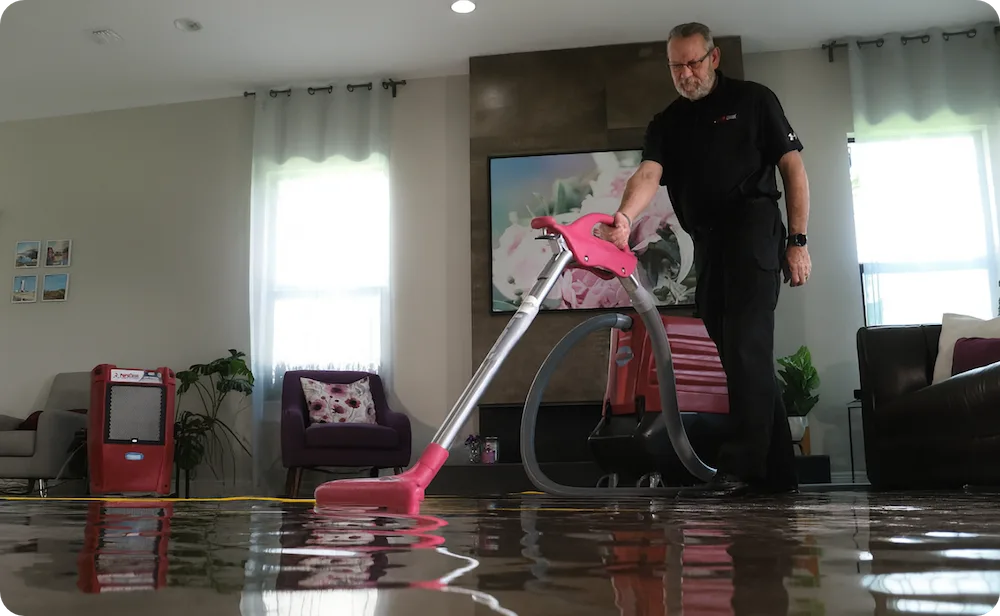
Water damage can result from unexpected leaks, flooding from storms, plumbing failures, or appliance malfunctions. Our certified teams focus on rapid water removal, drying, and stabilization to help prevent further damage and mold growth.
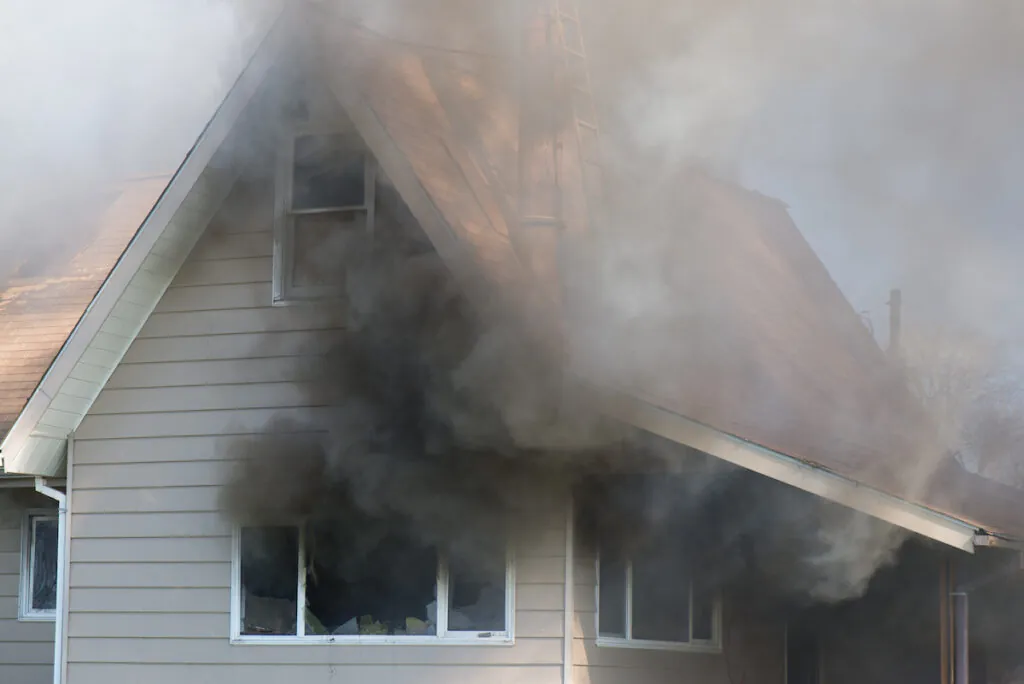
Even after a fire is extinguished, smoke, soot, and odor can continue to affect your home. Fire damage restoration services address visible damage while also helping reduce lingering effects that impact indoor air quality and surfaces.
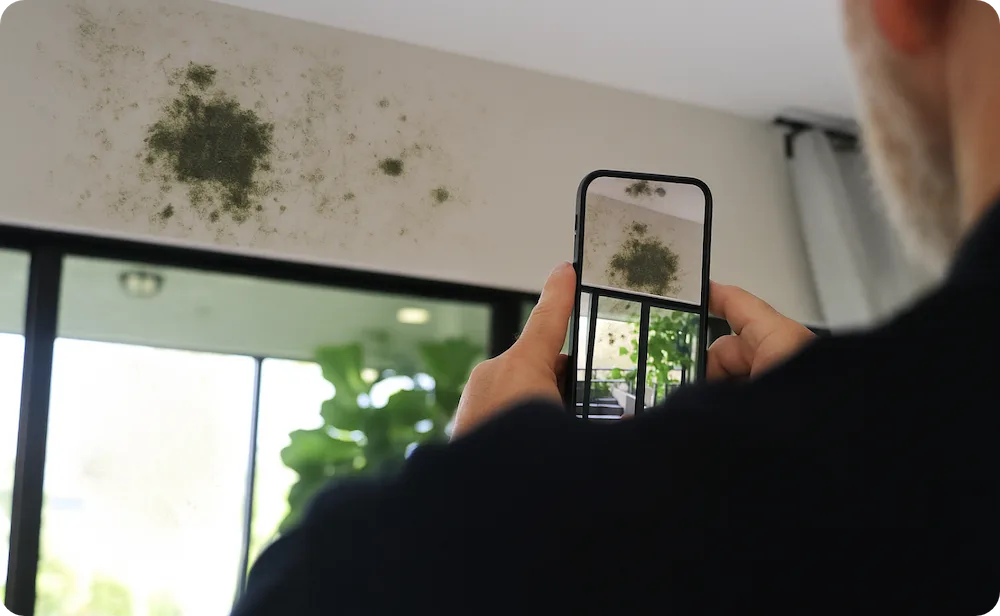
Mold often develops as a result of unresolved moisture or hidden water damage. Professional mold remediation helps identify affected areas, contain growth, and restore healthy indoor conditions.
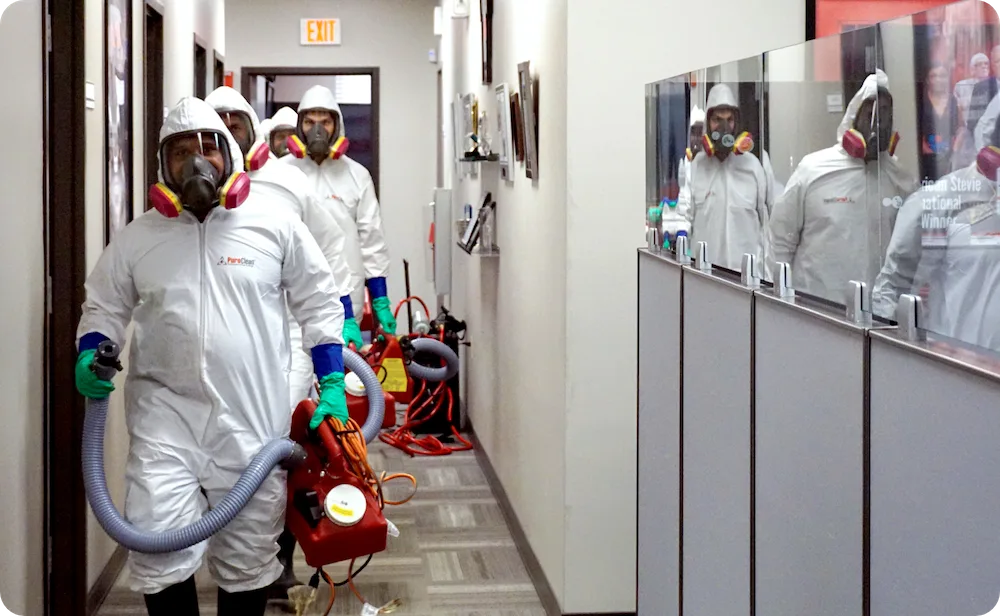
Biohazard situations, including crime scene cleanup and virus decontamination, require specialized cleaning and handling to protect health and safety. Biohazard cleanup services address contamination using proper protocols and professional care.
PuroClean provides 24/7 commercial property damage restoration services for businesses and facilities across the United States.
Water damage can result from unexpected leaks, flooding from storms, plumbing failures, or appliance malfunctions. Our certified teams focus on rapid water removal, drying, and stabilization to help prevent further damage and mold growth.
Common questions from Winchester homeowners and cottage owners about water, mold, and fire damage restoration.
Very likely, yes. Lake Poygan is large but quite shallow, averaging only about 6 feet deep, which means sustained wind across its 14,000-plus-acre surface can temporarily push water higher along shoreline communities like Indian Shores. This wind-driven water rise can affect crawlspaces and foundations close to the water even without significant rainfall. We’d assess the extent of any intrusion and classify the water based on its source, and if this happens repeatedly, it’s worth discussing wind-driven water coverage with your insurance agent.
Seasonal cottages along Lake Poygan, including in Piacenza, face a particular risk: if a pipe freezes and bursts while the property sits empty, water can run for days or weeks before anyone discovers it, leading to far more extensive damage than a leak caught quickly in a year-round home. If you’re not visiting regularly during winter, consider having someone check the property periodically, shutting off and draining the water system before extended absences, or discussing winterization steps with us before the cold season arrives. If you do discover a loss after an extended absence, let us know how long the property may have been unoccupied, since that affects our assessment of mold risk.
Winchester sits to the southwest of Appleton in northwest Winnebago County, on the shores of Lake Poygan, putting it toward the longer to middle end of our 1-2 hour emergency response window. For the lakeside communities — Clarks Point, Indian Shores, Lasleys Point, and Piacenza — our routing follows local roads that wind along the shoreline, since these areas are laid out around the lake’s contours rather than a standard grid. Please let us know which lakeside community your property is in, along with any nearby landmarks, since this helps our dispatch team plan the most direct route.
Yes, somewhat. Inland properties in Winchester reflect the agricultural character of northwest Winnebago County, with risks more typical of farming communities throughout our service area — frozen pipes in less-insulated outbuildings during winter, wind-driven roof damage given the open farmland common in this area, and standard residential water and fire risks. You wouldn’t face the wind-driven lake water issues that affect the shoreline communities directly, though if your property is anywhere near smaller creeks or low-lying drainage areas inland, those could still be a factor depending on your specific location.
Generally, yes. The combination of proximity to Lake Poygan’s wind-driven moisture and the seasonal, often-unoccupied nature of many lakeside cottages means water issues can go undetected longer than they would in a year-round home, giving mold more time to develop. Mold can begin within 24 to 48 hours of water exposure, so a cottage that took on water in the fall and wasn’t checked again until spring could have significant mold growth by the time anyone notices. If you’re opening up a seasonal property after winter and notice a musty smell, a mold inspection using moisture meters can help determine the extent of any issue.
Very likely, yes. Lake Poygan is large but quite shallow, averaging only about 6 feet deep, which means sustained wind across its 14,000-plus-acre surface can temporarily push water higher along shoreline communities like Indian Shores. This wind-driven water rise can affect crawlspaces and foundations close to the water even without significant rainfall. We’d assess the extent of any intrusion and classify the water based on its source, and if this happens repeatedly, it’s worth discussing wind-driven water coverage with your insurance agent.
Seasonal cottages along Lake Poygan, including in Piacenza, face a particular risk: if a pipe freezes and bursts while the property sits empty, water can run for days or weeks before anyone discovers it, leading to far more extensive damage than a leak caught quickly in a year-round home. If you’re not visiting regularly during winter, consider having someone check the property periodically, shutting off and draining the water system before extended absences, or discussing winterization steps with us before the cold season arrives. If you do discover a loss after an extended absence, let us know how long the property may have been unoccupied, since that affects our assessment of mold risk.
Winchester sits to the southwest of Appleton in northwest Winnebago County, on the shores of Lake Poygan, putting it toward the longer to middle end of our 1-2 hour emergency response window. For the lakeside communities — Clarks Point, Indian Shores, Lasleys Point, and Piacenza — our routing follows local roads that wind along the shoreline, since these areas are laid out around the lake’s contours rather than a standard grid. Please let us know which lakeside community your property is in, along with any nearby landmarks, since this helps our dispatch team plan the most direct route.
Yes, somewhat. Inland properties in Winchester reflect the agricultural character of northwest Winnebago County, with risks more typical of farming communities throughout our service area — frozen pipes in less-insulated outbuildings during winter, wind-driven roof damage given the open farmland common in this area, and standard residential water and fire risks. You wouldn’t face the wind-driven lake water issues that affect the shoreline communities directly, though if your property is anywhere near smaller creeks or low-lying drainage areas inland, those could still be a factor depending on your specific location.
Generally, yes. The combination of proximity to Lake Poygan’s wind-driven moisture and the seasonal, often-unoccupied nature of many lakeside cottages means water issues can go undetected longer than they would in a year-round home, giving mold more time to develop. Mold can begin within 24 to 48 hours of water exposure, so a cottage that took on water in the fall and wasn’t checked again until spring could have significant mold growth by the time anyone notices. If you’re opening up a seasonal property after winter and notice a musty smell, a mold inspection using moisture meters can help determine the extent of any issue.
What Our Customers Say:
When you need water damage restoration services near you, call the experts at PuroClean. We are here day or night, 24/7, to help remove any standing water quickly and begin your water restoration service. We monitor the drying process so you can rest assured that your property is dried thoroughly. We offer commercial water restoration services for businesses and residential water damage restoration for homeowners.
PuroClean of Appleton
(920) 944-2320
400 S Linwood Ave, #4, Appleton, WI 54914
© 2026 PuroClean. All Rights Reserved.