


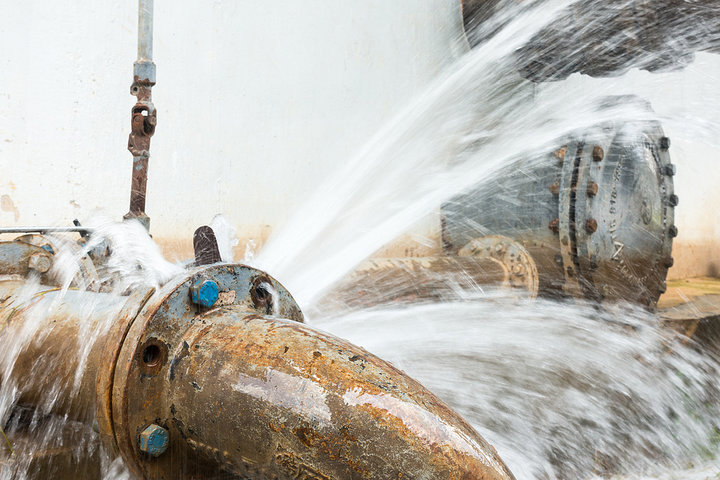
Your home is a source of pride and joy, but when water enters the picture, it isn’t always a good thing! Water damage can cause significant harm even in small amounts, which is why it’s crucial to know the signs of water damage. When water infiltrates your property, it can result in extensive damage and mold growth if not addressed as early as possible. However, you can prevent such incidents by identifying potential problem areas in your home and taking preventive measures.
According to the Insurance Information Institute (III), about one in 50 insured homes has a property damage claim caused by water damage or freezing annually. But you can break this trend by proactively preventing water damage in your home.
Though homeowners insurance covers many losses, it does not cover all of them, and most of the time, these problems require professional water damage restoration services. But by taking a few simple steps, you can avoid the heartache (and wallet-ache) of experiencing water damage. So, let’s work together to keep your home safe and secure from water damage.
Washing Machine Hoses
Incoming washing machine hoses are one of the most common sources of flood water damage in a residence. One broken hose can release a tremendous amount of water in just a few hours.
Furthermore, the hose is under constant pressure 24/7; inevitably, it will weaken and burst over time. Granted, the water comes from a clean source, but it flows everywhere when it bursts.
The best way to prevent washing machine water damage is to turn the hose valves on and off as you start and finish washing clothes.
Also, replace the hoses every five years as manufacturers commonly recommend. Choose wire-braided, high-pressure hoses over standard hoses. You can get them at almost any hardware supply store. It’s not a question of “if” but “when” a hose will burst. So, be sure to replace them on time!

Consistently check the washing machine hose, as a faulty valve can lead to leaks.
How to Prevent Water Damage from Toilet Tanks
A leaky toilet can waste as much as 100 gallons of water each day. Test your toilets for leaks by putting a few drops of food coloring in the tank, then watch for a few minutes. If the color appears in the bowl, you have a leak. Repair your toilet, and it will save you time, money, and heartache from unnecessary potential water damage.
Other Appliances and Fixtures
The next step in learning how to prevent water damage is maintaining appliances and fixtures that use water. Continual, slow leaks can migrate under vinyl, stone, and other floorings without notice. Keep in mind that a homeowners’ insurance policy often doesn’t cover water damage that occurs over an extended period due to poor maintenance.
So, move the refrigerator and other appliances and regularly check for any damage or signs of a leak. Check water line connections attached to the dishwasher, ice maker, reverse osmosis line or any other water line. Also, leave a gap of three to four inches between the unit and the wall. Here’s another idea: don’t run appliance cycles when going to sleep or leaving home.
Inspect your home for leaks in areas such as ceilings, under pipes inside sink cabinets, or around sinks and toilets. Get under the sink and feel the lines for moisture. Look on the cabinet’s deck for any drips that are collecting or for signs of wet/damaged materials. Immediately fix water leaks and replaced damaged hoses to prevent serious water damage and mold growth.
Ice Dams
Ice dams can cause water to enter a house due to several factors. The space from the eve of a roof to the exterior wall is called the soffit. It is the outside perimeter area that overhangs and protects the walls from water when it rains.
When insulation in the attic does not reach the exterior wall, the heat inside the home in the winter goes from the interior of the house to the attic. Close to this area of heat loss is the actual roof and a little heat from this situation (improper insulation) can melt snow on the roof, which then runs into the gutter.
At night or other times of colder temperatures, the melted snow refreezes, forming ice in the gutter. Once the gutter is full, the ice begins to dam and then refreeze. If left unchecked, this ice dam builds back up the slope of the roof. In time, the freezing/melting ice can actually penetrate under the shingles and sheathing, and into the attic and even make its way to the living area.
Water damage then appears on the ceilings of the rooms under this area. Again, this is a maintenance/construction issue, and a homeowner’s insurance policy may not cover these water damage repairs.
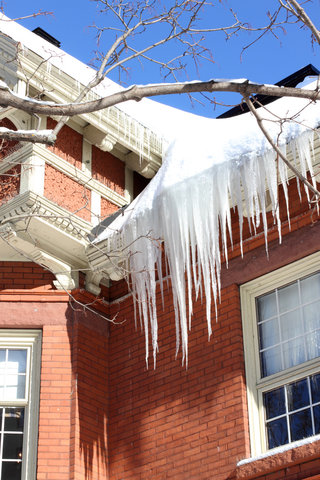
An ice dam can accumulate on a roof, causing structural damage.
How to Prevent Water Damage from Ice Dams
Ice dams take form when warm air in the attic heats the roof and melts the snow on the roof. The melted snow collects on unheated eaves and starts freezing, creating ice dams. If you don’t prevent or remove ice dams, the result will be winter water damage to your roof and home.
- Have your gutters and downspouts cleaned, inspected, and repaired before the snow starts to settle. Doing this ensures that water will flow unobstructed in your drain system.
- Insulate your attic properly — heat within the home should not reach the attic. Warm air can melt the snow on the roof, which refreezes, forming ice dams. Make sure the attic floor is airtight by sealing any openings.
- Provide enough ventilation to the attic to keep the roof cool. Warm air should escape through vents near the top of the attic. Cold air should flow in through vents near the eaves. The temperature in the attic should only be 5 to 10 °F warmer than the outside temperature in the winter.
- Remove the snow from your roof when it’s about six inches deep. Use a roof rake or a long-handled brush carefully to remove the snow without a ladder.
- Install a water membrane underneath the roof shingles. It helps prevent water from seeping in.
- Install a snow shield to prevent leaks. The shield goes under the shingles, starting from the low edge of the roof and extending up at least three feet inside the exterior wall of the house.
- Install gutter screens to help keep out the debris that causes build-up and damage.
Prevent Frozen Pipes and Pipe Bursts
Pipes in the crawl space, outside walls, and in the attic are vulnerable to freezing and bursting in cold temperatures.
- Seal up all cracks, holes, and openings in outside walls and foundations near water pipes with caulk.
- Insulate water pipes in unheated areas, such as the crawl space, basement, garage, attic, and under kitchen and bathroom cabinets. Wrap them in insulating materials such as foam rubber or fiberglass sleeves.
- Faucets that connect to pipes in unheated spaces are prone to freezing. Let cold water drip from the faucets served by exposed pipes. Running even a trickle of water through pipes helps prevent them from freezing.
- Allow warmer air to circulate the plumbing when outside temperatures drop below 32°F by opening kitchen and bathroom cabinet doors. Move the products stored in these cabinets up, out of the reach of children and pets.
- Set the thermostat to the same temperature during the day and at night. Your heating costs may rise, but you’ll prevent pipes from freezing and bursting.
- If you’re leaving home for more than two days, leave the heat on in your home. Set the temperature to no lower than 55°F. Shut off the water supply and drain pipes and appliances that use water. Also, have someone you trust check your home at least once per week.
- If a pipe bursts, shut off the water supply to your home immediately.

Frozen pipes can expand and burst, causing extensive water damage.
Prevent “Spring Thaw” Water Damage
Melting snow and ice can enter your home through the roof or foundation when spring arrives. Follow the winter water damage tips below to prevent that from happening.
- Regularly remove the snow from your roof.
- Heavy snow on roofs can cause ice dams, which can create structural damage to the roof.
- Remove the snow from the roof when it’s at least six inches deep.
- If possible, stay on the ground to shovel the snow off the roof. Otherwise, hire a professional.
- Shovel snow away from the foundation of your home to prevent water from seeping into the foundation.
- Keep sewer grates clear of snow and debris to allow melted snow to flow unobstructed.
- Check your basement often for water leaks from sewer drains. Make sure the basement floor, walls, windows, and doors are properly sealed.
- If you have a basement, test your sump pump frequently.
Other Tips on How to Prevent Water Damage
- Clean and maintain gutters and downspouts. If there are leaves, sticks, debris, or bird nests in your gutters, water could overflow onto the side of your house. In your gutter cleaning routine, check for cracks or sagging and have them repaired right away.
- Make sure downspouts extend at least 10 feet away from your home’s foundation. The ground around the foundation should also be sloped at least six inches over a 10-foot span away from the house to avoid basement flooding.
- Have your roof annually checked for cracked or missing shingles, deteriorated flashing, pooling water, and missing granules.
- Install a sump pump with a battery backup system. Maintain and test the sump pump according to the manufacturer’s instructions and remove any debris that may block the water inlet screen. Replace batteries every two to three years.
- Install back flow valves and standpipes at all basement drain locations, sinks, and toilets. These mechanisms automatically prevent sewage from backing up into your home.
- Never pour grease down the sink as it can cling to pipes and cause blockage, even if you rinse the drain with hot water afterward. The best way to get rid of grease is to pour it into an empty jar, refrigerate it, then discard it into the trash.
- If your water bill is unusually high, and you don’t know why, this may be a sign that pipes are leaking in your home. In this case, hire a professional plumber to detect and repair leaks or damaged pipes.
- Turn off the water supply valve when going on vacation. Ensure you can turn on/off all the supply valves when needed.
Spotted the Signs of Water Damage on Your Property? PuroClean Fire & Water Experts Can Assist!
Water damage can turn your life upside down, but with PuroClean Fire & Water Experts, you can quickly get back on track. Our experienced team specializes in comprehensive water damage restoration, ensuring your home or business is restored to its pre-damage condition as soon as possible. We use state-of-the-art equipment to detect, extract, and dry out water, preventing further damage and mold growth. Don’t let water damage disrupt your life any longer. Call us at (614) 309-5739 for a prompt, professional response and the peace of mind you deserve. We’re here to make your restoration process smooth and stress-free.
Explore more helpful articles: