 PuroClean Fire & Water Experts
Table of Contents
Water is essential in every home, but when it escapes its proper place, it can wreak havoc. Recognizing water damage signs early can mean the difference between a quick fix and extensive, costly repairs. From subtle discoloration on walls to musty odors or warped floors, these small warnings often signal a much larger problem.
In Columbus, OH—where heavy rains, snowmelt, and plumbing issues are common—water damage can affect even the most well-maintained homes. This guide from PuroClean Fire & Water Experts of Columbus explains how to tell the difference between new and old water damage, what these signs mean, and how to prevent further damage to your property.
Identifying Water Damage Signs
Water damage can appear fresh or aged depending on how long it’s been present. Knowing which you’re dealing with helps determine the right repair strategy.
New Water Damage
New water damage is often easier to identify because it typically follows a recent event like heavy rainfall, a burst pipe, or overflowed appliances. Some key common signs include:
- Wet or Damp Surfaces. Fresh water stains on walls, ceilings, or floors are clear indicators. The area might be wet to the touch and visibly damp. Peeling paint is another clear indicator of new water stains.
- Active Drips or Leaks. Hearing the sound of dripping water or witnessing a leaking pipe in action.
- Sudden Musty Smells. A prominent musty odor can develop quickly in the presence of fresh dampness.
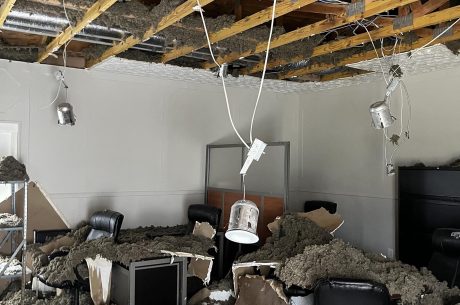
- Pooling Water. The sudden and severe leak could even lead to sagging walls.
Old Water Damage
Old water damage can be a bit trickier to spot and often indicates a long-term issue that has been overlooked.
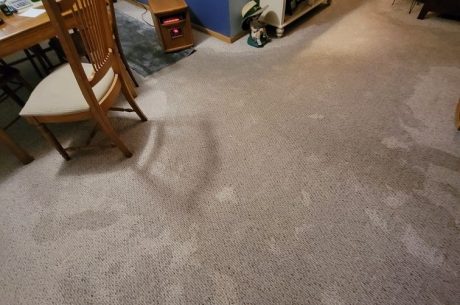
- Discoloration. Persistent water intrusion often leads to darker spots or streaks on surfaces.
- Texture Changes. Bubbling or flaking paint can suggest a long-term water damage issue. Warped or peeling floors are another significant sign.
- Mold or Mildew Growth. These fungi thrive in moist environments and can indicate an area that has been wet for some time. Visible mold growth is also a sign of prolonged, extensive damage.
- Persistent Musty Odors. Unlike the sudden appearance of a musty smell, an ongoing odor suggests long-standing water intrusion.
Comparing New and Old Water Damage
| Feature | New Water Damage | Old Water Damage |
|---|---|---|
| Color | Lighter stains or wet surfaces | Darker yellow or brown marks |
| Texture | Damp, soft, or smooth | Cracked, bubbled, or flaky |
| Odor | Mild musty smell | Strong, persistent odor |
| Mold Growth | Rare if caught early | Common after 48+ hours |
| Response | Quick drying can fix | Requires professional restoration |
The Consequences of Delaying Repairs
Delaying action after spotting water damage signs can have both structural and health-related consequences. Moisture weakens wood framing and drywall, compromises insulation, and creates ideal conditions for mold growth, which can begin in as little as two days.
In addition, unaddressed leaks can attract pests like termites or carpenter ants and increase indoor humidity, leading to long-term discomfort and deterioration. Financially, what starts as a small repair costing a few hundred dollars can quickly escalate into thousands in full restoration and mold remediation expenses.
That’s why PuroClean Fire & Water Experts of Columbus always emphasize prompt inspection and professional response the moment you notice any water damage signs in your home.
Fixing Water Damage
Addressing New Water Damage
Quick action is essential, especially if the water damage is new. For minor issues like a leaky faucet or other small water leaks, shutting off the water supply and replacing the faulty components may suffice. For more significant issues, it’s wise to consult a professional water damage restoration technician who can accurately assess and fix the problem.
Managing Old Water Damage
Old water damage often requires a more extensive approach, including the possibility of mold remediation, removing damaged materials, and fixing the source of the leak. Mold remediation technicians will use specialized equipment, such as high-efficiency particulate air (HEPA) filtration devices and HEPA vacuums, to remove and sanitize the area.
Preventing Future Water Intrusion
Ohio’s climate—characterized by wet springs, humid summers, and freezing winters—makes local homes especially vulnerable. To stay protected, homeowners should adopt regular preventive maintenance:
- Inspect plumbing regularly: Check under sinks and around appliances for leaks every few months.
- Clean gutters and downspouts: Clogged gutters can cause roof leaks and foundation seepage.
- Maintain roof integrity: Replace cracked shingles and inspect attic insulation for damp spots.
- Use dehumidifiers: Keep humidity below 50% in basements and crawl spaces.
- Seal windows and doors: Proper caulking prevents rainwater from entering during storms.
The Environmental Protection Agency (EPA) also recommends immediate drying of any wet materials within 48 hours to prevent mold growth.
Conclusion: Protect Your Columbus Home with Expert Help
Recognizing water damage signs early can prevent a small leak from turning into a major restoration project. From fresh stains on ceilings to musty odors or warped floors, these warnings deserve immediate attention.
If you suspect water damage in your home, trust PuroClean Fire & Water Experts of Columbus, OH. Our IICRC-certified technicians provide fast, professional water damage restoration, mold prevention, and full property recovery services.
Call (614) 309-5739 today for an on-site inspection or emergency response. Protect your home, your health, and your peace of mind with Columbus’s most trusted restoration team.
Frequently Asked Questions
1. What are the first signs of water damage?
Look for discoloration, peeling paint, soft drywall, or unexplained musty smells—these are often the earliest indicators.
2. How can I tell if water damage is new or old?
New damage feels damp and lighter in color, while old damage appears dark, dry, and may include mold or warped surfaces.
3. Does homeowners insurance cover water damage?
Most policies cover sudden and accidental leaks (like a burst pipe) but not long-term neglect. Always check your policy details.
4. How fast does mold grow after water damage?
Mold can start developing within 24 to 48 hours if moisture isn’t removed completely.
5. Can I fix minor water damage myself?
Small surface damage may be manageable, but for larger leaks or hidden moisture, professional drying is the safest choice.
Summary
- Common water damage signs include discoloration, warping, and musty odors.
- Ignoring early warnings can lead to costly structural repairs and mold growth.
- Columbus homes face extra risk due to humidity and seasonal weather.
- PuroClean Fire & Water Experts offers 24/7 local restoration service and expert prevention guidance.
Check out more topics in our blog:
- Overcoming Water Damage Woes: The Tale of Flood Damage from a Broken Water Pipe
- Rescuing a Baltimore, OH Home Affected by Sewage Backup
- Professional Sewage Cleanup Services in Westerville: Quick and Safe Solutions
- Providing Water Damage Restoration in Columbus After a Frozen Pipe Burst
- Be Weary of Frozen Pipes This Winter

 PuroClean Fire & Water Experts