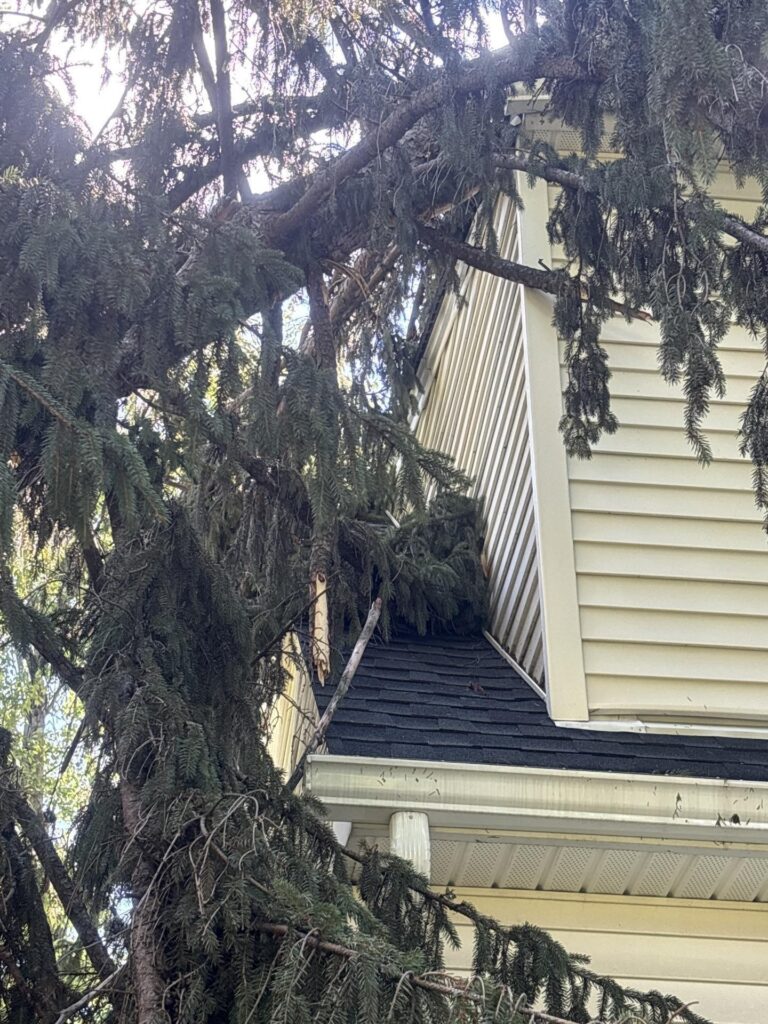
From fallen trees in Westfield to heavy rainfall across Central Jersey, summer 2026 reminded homeowners how quickly severe weather can threaten their properties.
For many New Jersey homeowners, summer 2026 brought more than backyard barbecues and hot afternoons. Powerful thunderstorms swept through Central Jersey, knocking down trees, damaging property, and bringing heavy rainfall and flooding to communities throughout the region.
On July 3, severe thunderstorms left trees down across Westfield, Fanwood, and Cranford. Weeks later, additional storms brought heavy rainfall to Middlesex and Monmouth counties, followed by more severe weather in August.
These storms highlight an important connection homeowners sometimes overlook: wind damage can quickly become water damage, even when your home never experiences a traditional flood.
A fallen tree doesn’t have to crash through your roof to create a serious problem. Broken branches can dislodge shingles, damage gutters, or compromise flashing around chimneys and vents. When rain follows, water can enter through these openings, traveling into attics, ceilings, walls, and flooring.
Here’s what New Jersey homeowners should know about protecting their properties before, during, and after a windstorm.
Summer 2026: A Reminder of Central Jersey’s Storm Risks
The severe storms that moved through New Jersey this summer demonstrated how quickly weather conditions can change.
On July 3, the National Weather Service documented numerous fallen trees on homes and vehicles in Westfield, blocked roads in Fanwood, and a downed tree near Cranford’s Garden State Parkway Exit 136. Wind gusts reached 71 mph at Newark Liberty International Airport.
Heavy rainfall brought additional concerns in July, including flooding across portions of Middlesex and Monmouth counties. In August, another round of severe thunderstorms threatened Central Jersey with damaging winds, while later storms brought significant rainfall to Cranford and Clark.
For homeowners, the concern isn’t limited to what happens during a single storm.
A damaged roof, loosened flashing, or blocked gutter may go unnoticed until the next heavy rainfall. By then, moisture may already be making its way into the home’s structure.
The lesson from this summer’s storms? Once the weather clears, your property’s recovery may only be beginning.
How Windstorms Turn Into Water Damage
Wind damage and water damage often go hand in hand. Even when a storm passes quickly, its impact on your home’s exterior can create openings that allow moisture inside.
1. Fallen Trees and Branches Damage Your Roof
A falling tree or large branch can puncture roofing materials, crack shingles, damage flashing, or compromise the roof’s structure.
Even smaller branches can cause damage that isn’t immediately noticeable from the ground.
When rainwater enters through these openings, it can soak insulation, ceiling materials, and wooden framing before homeowners notice a leak.
Safety tip: Never enter an area beneath a tree-damaged roof if structural damage is suspected. Stay away from fallen power lines and contact appropriate emergency professionals before approaching the property.
2. High Winds Loosen Shingles and Roof Flashing
A tree doesn’t have to fall for your roof to become vulnerable.
Strong wind gusts can lift shingles or loosen the flashing that seals vulnerable areas around chimneys, vents, and roof intersections.
The resulting gaps may allow rainwater to seep into the home during the next storm.
3. Broken Gutters and Blocked Downspouts Redirect Water
Branches, leaves, and storm debris can clog gutters or knock them loose.
When gutters cannot direct rainwater away from your home, water may overflow near exterior walls, foundations, and basement windows.
This increases the risk of water entering basements, crawl spaces, and other vulnerable areas.
4. Wind-Driven Rain Finds Unexpected Entry Points
During severe storms, wind can push rain against windows, siding, doors, and other exterior surfaces.
If seals, siding, or other protective materials are damaged, moisture can enter wall cavities or collect beneath flooring.
Remember: You don’t need a flooded basement or a hole in your ceiling to have storm-related water damage.
What to Check After a Windstorm
Once the storm has passed and conditions are safe, inspect your property for signs of damage.
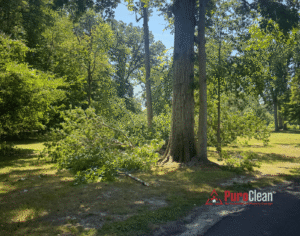
Start outside:
- Fallen branches resting on or near your roof
- Missing, cracked, or lifted shingles
- Damaged gutters and disconnected downspouts
- Broken windows or damaged siding
- Debris blocking drainage areas
- Standing water collecting near your foundation
Then check inside:
- New water stains on ceilings or walls
- Damp insulation or musty odors in the attic
- Bubbling paint or peeling wallpaper
- Wet carpeting or damp baseboards
- Warped, buckling, or discolored flooring
- Unexplained moisture in basements or crawl spaces
If you notice any warning signs, document the damage with photographs and avoid disturbing potentially unsafe areas. For more ways to prepare before severe weather, read our Hurricane Season Preparation Guide.
Why Water-Damaged Floors Need Special Attention
One of the more overlooked consequences of a roof leak or storm-related water intrusion is damage to flooring.
Water entering through the roof or exterior walls doesn’t necessarily stay near the original leak. Gravity can carry moisture through ceilings, wall cavities, and insulation until it reaches the floors below.
Different flooring materials respond differently to water exposure.
- Hardwood flooring: Moisture can cause boards to swell, cup, crown, or buckle. Water trapped beneath hardwood may require specialized drying equipment.
- Laminate flooring: Many laminate products are particularly vulnerable to moisture because their fiberboard cores can swell and deteriorate.
- Carpeting: Carpet and padding can absorb significant amounts of water. Depending on the water source, contamination, and duration of exposure, some materials may need to be removed.
- Tile flooring: Although tile itself may resist water, moisture can penetrate damaged grout or collect beneath the flooring.
Simply drying the visible surface may not address moisture trapped underneath. Learn more in our guide on How to Fix Water-Damaged Floors.
The First 24–48 Hours: Why Acting Quickly Matters
When water enters your home, time matters.
Moisture left in drywall, insulation, wood, or carpeting can cause materials to deteriorate and create conditions favorable for mold growth. Under suitable conditions, mold can begin developing within 24–48 hours.
Prompt action can help limit the damage.
- Document the damage. Photograph affected rooms, belongings, and visible storm damage before beginning cleanup.
- Stop additional water intrusion. Contact a qualified roofing or tree-removal professional to address exterior damage and arrange temporary protection when necessary.
- Protect belongings. Move unaffected furniture, electronics, and valuables away from wet areas when safe.
- Avoid electrical hazards. Do not operate electrical equipment or enter standing water near outlets or damaged wiring.
- Contact your insurance provider. Report the damage and ask about your coverage, documentation requirements, and next steps.
- Seek professional water damage assessment. Specialized equipment can help identify water trapped behind walls and beneath flooring.
Storm-related rainwater entering through a damaged roof is not necessarily treated the same as rising floodwater by insurance companies. Coverage depends on the cause of damage and your individual policy.
How to Reduce the Cost of Storm-Related Water Damage
The best way to manage restoration costs is often to prevent damage from spreading.
A small roof leak that is addressed quickly may require substantially less work than one that saturates insulation, drywall, and flooring over several days.
Homeowners can help limit additional expenses by documenting damage early, arranging necessary temporary protection, and addressing wet materials promptly.
However, avoid assuming that a room is completely dry simply because the visible water has disappeared.
Moisture can remain trapped inside walls, beneath flooring, and in other concealed spaces.
Professional restoration technicians use moisture-detection equipment, air movers, and dehumidifiers to evaluate and dry affected areas. For additional tips on managing restoration expenses, read How to Save Money on Flood Cleanup Costs.
Preparing Your New Jersey Home Before the Next Windstorm
While homeowners cannot control the weather, preventive maintenance can help reduce their property’s vulnerability.
Consider these steps before the next major storm:
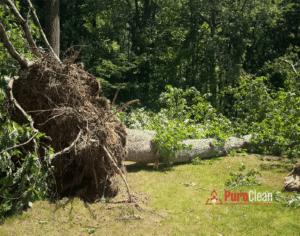
Inspect nearby trees. Have dead, damaged, or hazardous limbs evaluated by a qualified arborist.
Maintain your roof. Address loose shingles, damaged flashing, and known leaks before severe weather arrives.
Clean gutters and downspouts. Make sure water can flow freely away from your home’s foundation.
Secure outdoor belongings. Bring in or secure furniture, decorations, and other items that could become airborne.
Check drainage around your home. Look for areas where rainwater collects near basement windows or foundation walls.
Review your insurance policy. Understand what your policy covers for wind, falling trees, rainwater intrusion, and flooding.
Keep emergency contacts accessible. Save the numbers for your insurance company, utility providers, roofing professionals, and local restoration specialists.
Taking these precautions now may help reduce damage and simplify recovery after a storm.
When Professional Water Damage Restoration May Be Necessary
Not every storm-related leak requires extensive restoration, but certain warning signs suggest professional assessment may be appropriate.
Consider contacting a restoration professional when:
- Water has entered multiple rooms or levels of your home.
- Drywall, insulation, or flooring remains wet after the visible water is removed.
- A musty odor develops after the storm.
- Water appears to be trapped beneath flooring or inside walls.
- You cannot determine how far moisture has spread.
- Stormwater or potentially contaminated floodwater has entered the property.
At PuroClean Restoration Services of Cranford and Matawan, our IICRC-certified technicians help homeowners and businesses respond to water damage through professional assessment, water extraction, structural drying, and moisture monitoring.
As a locally owned and operated restoration company serving New Jersey communities since 2010, we understand the importance of responding quickly, communicating clearly, and helping property owners navigate an unexpected loss.
Storm damage doesn’t follow business hours, and neither do we.
Whether you’re dealing with a ceiling leak, water-damaged flooring, or moisture intrusion following a severe windstorm, our team is available 24 hours a day, 7 days a week, 365 days a year.
Call PuroClean Restoration Services at (908) 577-9120 for assistance with storm-related water damage.

Frequently Asked Questions About Windstorm Water Damage
Can a fallen tree cause water damage without breaking through the roof?
Yes. A fallen tree or branch can damage shingles, flashing, gutters, or other exterior materials without creating an obvious hole. These damaged areas may allow rainwater to enter during subsequent storms.
Does homeowners insurance cover water damage from a fallen tree?
Many homeowners policies provide coverage for certain sudden and accidental damage caused by wind or falling trees, including resulting rainwater intrusion. However, coverage varies by policy, cause of loss, and exclusions. Contact your insurance provider to confirm your specific coverage.
How can I tell if water is trapped beneath my flooring?
Warning signs may include warping, buckling, discoloration, soft spots, or persistent musty odors. Professional moisture-detection equipment can help identify hidden moisture that may not be visible.
Can mold grow after a roof leak?
Yes. Moisture trapped in drywall, insulation, carpeting, or other building materials can create conditions for mold growth. Promptly addressing the leak and thoroughly drying affected materials helps reduce this risk.
Should I remove a fallen tree from my roof myself?
No. Trees and branches can shift unexpectedly, and a damaged roof may be structurally unsafe. Contact qualified tree-removal and roofing professionals. Stay away from any nearby power lines.
How quickly should I address water damage after a windstorm?
As soon as conditions are safe. Prompt assessment and drying can help prevent moisture from spreading and reduce the risk of secondary damage, including mold growth.
Can a windstorm cause basement flooding?
Yes. Strong winds can damage gutters and downspouts, while heavy rainfall can overwhelm drainage systems. When water collects near a home’s foundation, it may enter basements or crawl spaces through vulnerable openings.