


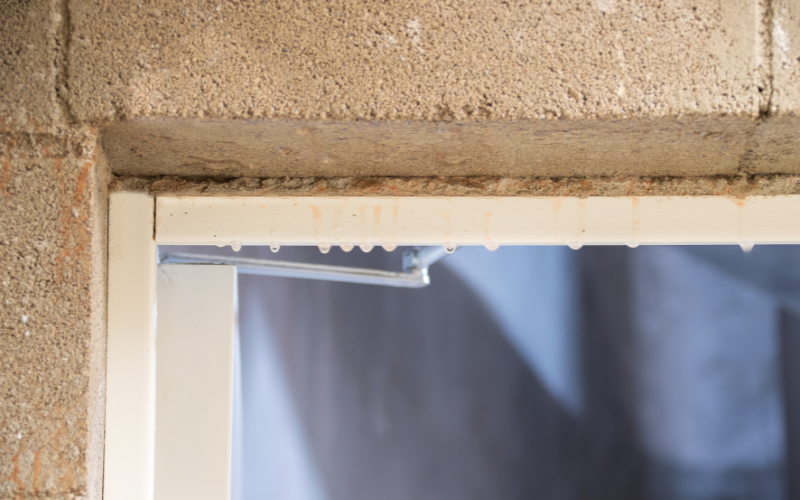
When water gets into your home, removing what you can see is only the beginning. Water can travel beneath flooring, behind baseboards, into drywall, through cabinets, and into other building materials long before the full extent of the damage becomes obvious.
Water damage restoration is the professional process of finding and removing excess water, identifying hidden moisture, drying affected materials, cleaning and treating the damaged area, and repairing the home as needed. The goal is not simply to make the room look dry again. It is to determine how far the water traveled, what can safely be saved, what needs to be removed, and what is required to return the property to a dry, stable condition.
At PuroClean Restoration Specialists in Frisco, we help homeowners throughout Frisco and North Texas move through that process with a clear plan. From the initial assessment and water extraction through structural drying, documentation, and reconstruction when necessary, our job is to help you understand what happened to your home and what needs to happen next.
What is Considered Water Damage?

Water damage occurs when unwanted water or moisture affects your home, its contents, or its building materials. Sometimes the source is obvious, such as a burst pipe, overflowing appliance, storm-related roof leak, or water heater failure. In other cases, the first indication may be a stain on the ceiling, warped flooring, peeling paint, a musty odor, or an area of drywall that suddenly feels soft.
Common causes of residential water damage include:
- Burst or leaking plumbing
- Washing machine, dishwasher, refrigerator, or water heater failures
- Roof and window leaks
- HVAC and condensate line problems
- Toilet, tub, or sink overflows
- Frozen pipes
- Storm-related water intrusion
- Sewer or drain backups
- Slow leaks behind walls, cabinets, or fixtures
One of the challenges with water damage is that the visible area does not always tell us how large the affected area actually is. Water follows gravity and the path of least resistance, which means moisture may travel beneath flooring, through wall cavities, or into adjoining rooms.
That is why professional restoration begins with investigation rather than simply putting drying equipment next to the visible damage.
How Do I Know Whether I Need Professional Water Damage Restoration?
A small amount of water on a nonporous surface that is cleaned up immediately may not require professional restoration. However, professional evaluation becomes much more important when water has entered porous building materials, affected multiple areas, remained undiscovered for an unknown amount of time, or may be contaminated.
Signs that water may have traveled beyond what you can see include:
- Brown or yellow staining on walls or ceilings
- Bubbling or peeling paint
- Swollen baseboards or trim
- Soft or sagging drywall
- Warped or buckling flooring
- Damp carpet or padding
- Musty or unusual odors
- Cabinet swelling or discoloration
- Moisture appearing in a room below or adjacent to the original leak
If you are unsure how far the moisture has traveled, that is exactly what the initial assessment is intended to determine.
What Should I Do Immediately After Discovering Water Damage?
If there is active water entering the home, stop the source if you can do so safely. This may mean shutting off a fixture or your home’s main water supply. If water is near electrical outlets, appliances, wiring, or a sagging ceiling, avoid the affected area until it can be evaluated safely.
Take photos or video of the visible damage before moving items whenever possible, particularly if an insurance claim may be involved. You can also move valuables away from the affected area when it is safe to do so.
Most importantly, do not assume that a surface that feels dry means the materials underneath it are dry. Water can remain trapped beneath flooring, inside walls, behind cabinets, and within other porous materials after the visible water has been removed.
 What Happens During the Water Damage Restoration Process?
Although every loss is different, professional water damage restoration generally moves through several stages. The exact plan depends on the source of the water, the materials involved, the amount of moisture present, how long the area has been wet, and whether contamination or other complications are present.
At PuroClean Restoration Specialists, the process is designed to answer three important questions early: Where did the water go? What can be saved? What needs to happen to dry and restore the home properly?
1. Emergency Response and Initial Assessment
The first step is understanding what happened.
Our team evaluates the source of the water, the rooms and materials that are visibly affected, and areas where moisture may have traveled beyond what the homeowner can see. Moisture-detection equipment can help identify water in flooring, walls, ceilings, cabinets, and other materials.
This assessment gives us the information needed to develop the restoration plan rather than making assumptions based solely on visible damage.
2. Define the Affected Area and Restoration Plan
Once we understand the extent of the damage, we can determine what needs to be extracted, dried, cleaned, removed, or repaired.
This is an important distinction because water restoration is not automatically a demolition project. Whenever conditions allow, the goal is to preserve materials that can be dried and restored rather than removing more of the home than necessary.
At the same time, materials that cannot be dried effectively or safely should not remain simply because removing them is inconvenient. The restoration plan should balance preservation with the long-term condition of the home.
Homeowners should understand:
- Which rooms and materials are affected
- What can likely be dried in place
- What may need to be removed
- What drying equipment will be used
- What the next several days are likely to look like
- Whether additional repairs or reconstruction may be necessary
A homeowner should not have to guess what the restoration company is doing inside the home or why.
3. Water Extraction
If standing water is present, extraction typically begins as quickly as conditions allow.
Removing bulk water first makes the remaining drying process significantly more effective. Depending on the loss, professional extraction equipment may be used on flooring, carpet, padding, or other affected areas.
Furniture and belongings may also need to be moved, protected, or evaluated depending on where the water traveled.
4. Remove Materials That Cannot Be Restored
Not everything that gets wet automatically needs to be thrown away.
Some materials can be successfully dried, while others may lose their structural integrity, become contaminated, or prevent surrounding areas from drying properly. The decision depends on the material itself, the type of water involved, the amount of saturation, and how long it has remained wet.
This is where experience matters. Removing too little can leave unresolved moisture behind, while unnecessary demolition increases disruption, repair time, and cost.
Our goal is to make those decisions based on the condition of the material and the requirements of the restoration, not simply on what is easiest to remove.
5. Structural Drying and Dehumidification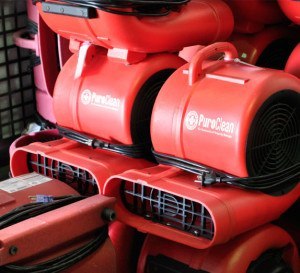
After standing water has been extracted and necessary materials have been removed, the structure still needs to dry.
Professional air movers and dehumidification equipment are used to create conditions that encourage moisture to leave affected building materials and be removed from the environment.
Drying is not based only on how the room looks or feels. Moisture readings allow the restoration team to monitor progress and determine whether materials are actually drying as expected.
Equipment placement and drying time may change as conditions improve.
6. Cleaning and Treatment
Depending on the source and extent of the water damage, affected surfaces and materials may require cleaning or other treatment as part of the restoration process.
The appropriate approach depends on what caused the loss and what materials were affected. A clean-water plumbing leak, for example, presents different concerns from a sewage backup or other contaminated-water event.
This is another reason the source of the water matters when developing the restoration plan.
7. Verify That the Structure Is Dry
Removing the equipment is not simply a matter of reaching a predetermined number of days.
The affected materials should be evaluated to confirm that the drying goals have been reached. Monitoring moisture levels throughout the process helps establish whether the structure is responding appropriately and whether adjustments are needed.
Only after the affected areas have been adequately dried should the project move fully into repair or reconstruction.
8. Repair and Reconstruction
Some water losses require only drying and minor repairs. Others may involve replacing drywall, flooring, trim, cabinetry, paint, or other finishes.
PuroClean Restoration Specialists also provides reconstruction services, which can help homeowners move from emergency mitigation into the repair phase without having to start over with an entirely separate team.
The objective is to move the home from damaged to dry and ultimately back to functional, finished living space.
Can Water-Damaged Materials Be Saved?
Often, yes. Whether something can be saved depends on the type of material, the source of the water, the amount of saturation, how long it remained wet, and whether the material can be effectively dried and cleaned.
Hard, nonporous materials are generally easier to clean and restore than highly absorbent materials. Drywall, insulation, carpet padding, engineered flooring, cabinets, and other materials require individual evaluation because water can affect each differently.
The goal should not be to remove everything that became wet. It should be to make informed decisions about what can be restored without compromising the quality of the restoration.
For homeowners, this can have a significant effect on both disruption and cost.

How Long Does Water Damage Restoration Take?
There is no responsible way to give every water-damage project the same timeline because drying time depends on the extent of the loss, the materials affected, environmental conditions, and the amount of moisture those materials absorbed.
A contained water loss that is discovered quickly may require a relatively straightforward drying process. A leak that has traveled through several rooms, floors, wall cavities, or cabinets can take longer and may also require reconstruction after drying is complete.
Instead of focusing only on a fixed number of days, ask your restoration company how drying progress will be monitored and how they will determine when the affected materials are ready for the next stage.
That gives you a much better indication of whether the process is being driven by the actual condition of your home.
How Much Does Water Damage Restoration Cost?
The cost of water damage restoration depends primarily on the size and severity of the loss, the type of water involved, the materials affected, the amount of extraction and drying required, and whether repairs or reconstruction are necessary.
This is why quoting a universal price per room or per incident can be misleading.
Two homeowners can both have a washing machine leak and require very different restoration plans. One leak may be caught immediately and remain in a small laundry area, while another may travel beneath flooring, into cabinetry, through a wall, and into an adjoining room before anyone notices it.
What Determines the Cost of Water Damage Restoration?
The major cost factors typically include:
Size of the affected area. More rooms and square footage generally require additional labor, equipment, and drying time.
Amount of water present. Standing water may require professional extraction before structural drying can begin.
Source and condition of the water. Water that presents contamination concerns can require additional safety, removal, and cleaning procedures.
Materials affected. Drywall, insulation, wood flooring, carpet, cabinets, trim, and other materials respond differently to water.
Extent of hidden moisture. Water that has traveled beneath flooring or into walls can increase the scope of work even when the visible damage appears limited.
Materials that can be restored versus replaced. Preserving materials when appropriate can reduce reconstruction, while materials that cannot be safely restored will need to be removed and replaced.
Drying requirements. The amount and type of drying and dehumidification equipment needed will depend on the conditions inside the home.
Repairs and reconstruction. The final cost can increase when flooring, drywall, cabinetry, paint, trim, or other finishes must be repaired after mitigation is complete.
How We Approach Cost Transparency
At PuroClean Restoration Specialists, we believe homeowners should understand what is driving the scope of the work.
The initial assessment helps establish which areas are affected and what restoration steps are recommended. As the project develops, documentation can help explain why particular materials are being dried, removed, cleaned, or repaired.
If insurance is involved, we can also provide restoration-related documentation and communicate with insurance professionals as part of the process. Your insurance carrier ultimately determines coverage under your specific policy, but you should still understand the work being recommended in your home and why it is necessary.
Does Homeowners Insurance Cover Water Damage Restoration?
Homeowners insurance often covers certain sudden and accidental water losses, such as a burst pipe or an unexpected appliance failure, but coverage depends on the cause of the damage and the terms of your individual policy.
Damage related to ongoing maintenance issues may be treated differently, and standard homeowners policies generally do not provide coverage for flooding from rising surface water. Sewer or drain backup coverage can also depend on whether your policy includes a specific endorsement.
Because every policy and claim is different, homeowners should confirm coverage with their insurance carrier rather than assuming a particular loss is or is not covered.
PuroClean Restoration Specialists works with insurance carriers, agents, adjusters, and homeowners regularly, and we can provide documentation related to the restoration work and help explain the scope of the project.
 Should I Call My Insurance Company or a Restoration Company First?
If you have an active water emergency, protecting the property from additional damage should be the immediate priority.
You can contact your insurance carrier promptly, but you do not necessarily need to wait for an adjuster to arrive before seeking professional help for an active water loss. Document the visible damage with photographs or video when it is safe to do so, keep relevant receipts and records, and contact your carrier to understand the requirements of your policy.
If you are unsure what to do first, PuroClean Restoration Specialists can help you understand the restoration process while your insurance company handles coverage decisions.
What Should I Ask a Water Damage Restoration Company?
When your home is disrupted by water damage, it is easy to focus entirely on how quickly someone can arrive. Response time matters, but it is not the only thing that matters.
Before or during the assessment, ask:
- How will you determine how far the water traveled?
- How will you decide what can be dried and what needs to be removed?
- How will you monitor the drying process?
- How will I know when the structure is actually dry?
- Will you document the affected areas and work performed?
- How will changes to the scope be communicated to me?
- Can you help with the insurance documentation process?
- If repairs are required after drying, can you handle reconstruction?
- Who will be responsible for keeping me updated throughout the project?
A strong restoration process should make the answers to those questions clear.
Why Choose PuroClean Restoration Specialists in Frisco?
Water damage restoration requires more than equipment. It requires someone who can evaluate the loss, understand how water moves through different building materials, develop the appropriate drying strategy, document the work, communicate clearly with the homeowner, and know when something can be saved and when it should be replaced.
PuroClean Restoration Specialists is locally owned and operated by Jim Bauer and serves homeowners and businesses throughout Frisco, Collin County, Denton County, and surrounding North Texas communities. Our trained restoration professionals provide 24/7 emergency response for water damage and other property emergencies.
Because our services extend beyond emergency water removal to drying, documentation, restoration support, and reconstruction, we can help homeowners navigate more of the recovery process with one experienced restoration team.
Water Damage Restoration FAQs
What is water damage restoration?
Water damage restoration is the process of removing excess water, locating hidden moisture, drying affected building materials, cleaning the damaged area, and repairing or reconstructing the property when necessary. The objective is to return the structure to a dry, stable, and usable condition.
Is water mitigation the same as water damage restoration?
Not exactly. Water mitigation focuses primarily on stopping additional damage through steps such as water extraction, removal of unsalvageable materials, and structural drying. Restoration includes the broader recovery process and may include cleaning, repairs, and reconstruction after mitigation is complete.
Can I dry water damage myself?
Very small spills on nonporous surfaces can often be handled without professional restoration. Professional evaluation is more appropriate when water has entered walls, flooring, cabinets, insulation, carpet padding, multiple rooms, or other materials where moisture may remain hidden.
How quickly should water damage be addressed?
Water damage should be addressed as soon as it is safely possible. Moisture can continue traveling through porous materials after the original water source has stopped, which can increase the amount of material affected and potentially increase the scope and cost of restoration.
How do restoration professionals find hidden water?
Professional restoration teams can use moisture meters and other moisture-detection equipment to evaluate materials and identify areas that may remain wet even when the surface appears dry.
Do I have to replace everything that gets wet?
No. Many materials can be dried and restored depending on the source of the water, the material involved, the amount of saturation, and how long it remained wet. A professional assessment should distinguish between materials that can reasonably be restored and those that should be removed.
Will PuroClean work with my insurance company?
PuroClean Restoration Specialists can provide restoration-related documentation and communicate with insurance agents, adjusters, and carriers during the restoration process. Your insurance company determines what your individual policy covers.
Does PuroClean handle repairs after water damage?
Yes. PuroClean Restoration Specialists offers reconstruction services when repairs are needed after mitigation and drying, helping homeowners move from the initial emergency through the repair phase.
Need Water Damage Help in Frisco or North Texas?
When water enters your home, the first question is usually, “How bad is it?” The next question should be, “What needs to happen now?”
PuroClean Restoration Specialists can help answer both.
Our team will evaluate the affected areas, look for moisture that may not be visible, explain the recommended restoration plan, and help you understand what can be dried, what may need to be removed, what factors will affect cost, and what comes next.
If you have active water damage or suspect hidden moisture in your home, call PuroClean Restoration Specialists at (469) 656-7000 for 24/7 assistance.