


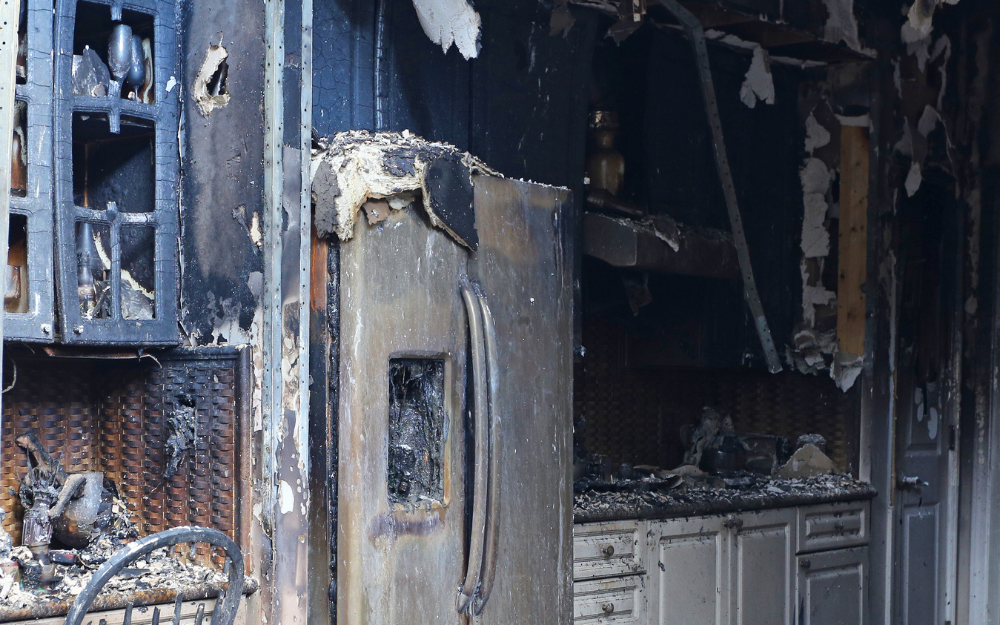
A house fire doesn’t end when the flames are extinguished. In many cases, the water used to save your property creates a second emergency that requires immediate attention. While homeowners naturally focus on visible fire and smoke damage, water can quickly soak into walls, flooring, insulation, and structural materials, leading to unwanted growth and additional damage if it isn’t addressed promptly.
Knowing how to evaluate water damage from firefighting efforts is one of the first steps toward protecting your property after a fire. Equally important is working with a restoration team that can address both fire and water damage through one coordinated recovery plan. Taking the right approach early can reduce delays, prevent secondary damage, and help your home recover more efficiently.
How Firefighting Efforts Can Cause Water Damage
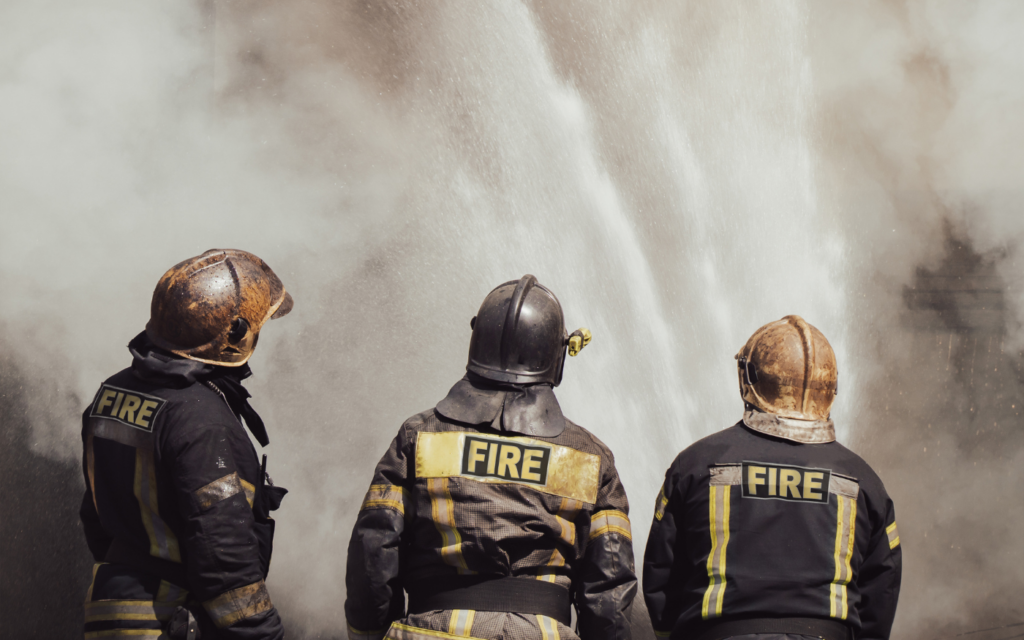
Fire departments often use thousands of gallons of water to control a structure fire. While that water is essential for protecting lives and limiting the spread of flames, it can travel far beyond the area where the fire started. Walls, ceilings, flooring, insulation, cabinetry, and even structural framing can absorb large amounts of moisture in a matter of minutes.
Unlike a typical plumbing leak, water left behind after a fire is often mixed with soot, ash, and debris. These contaminants make cleanup more complex and increase the need for professional restoration.
After a fire, restoration professionals evaluate:
- Standing water throughout the property
- Moisture trapped behind walls and beneath flooring
- Structural materials that may have absorbed water
- Smoke and soot contamination on surfaces
- Furniture, electronics, and personal belongings that may be salvageable
Without immediate drying, hidden moisture can weaken building materials and create conditions in which unwanted mold can begin to grow within 24 to 48 hours.
How Professionals Evaluate Water Damage from Firefighting Efforts
A visual inspection only tells part of the story. Water often migrates into spaces that homeowners cannot see, making specialized equipment essential for identifying the full extent of the damage.
Professional restoration teams use moisture meters, thermal imaging cameras, and humidity monitoring equipment to locate hidden water and develop a comprehensive restoration plan.
Moisture Mapping
Technicians identify how far water has spread, including areas behind drywall, beneath flooring, and inside structural cavities.
Structural Assessment
Walls, ceilings, framing, subfloors, and insulation are inspected to determine which materials can be dried successfully and which require replacement.
Smoke and Water Assessment
When soot combines with water, it forms an acidic residue that can permanently damage surfaces if not removed quickly. Evaluating both forms of damage together helps prevent additional deterioration.
Contents Evaluation
Furniture, documents, electronics, and sentimental belongings are carefully assessed to determine what can be cleaned and restored using specialized techniques.
A complete evaluation provides a clear restoration plan while creating valuable documentation for the insurance claims process.
Why Coordinated Fire Damage Restoration Matters
Fire and water damage are closely connected, which is why recovery should be managed as one coordinated process whenever possible. Hiring a single fire damage restoration service ensures every phase of the project works together, from emergency mitigation through final repairs.
The benefits of coordinated restoration include:
- Faster emergency response
- A single restoration timeline
- Consistent communication with your insurance company
- Reduced risk of secondary water damage
- Complete documentation throughout the restoration process
At PuroClean Restoration Specialists, we provide both Fire Damage Restoration Services and Water Damage Restoration Services. Our team manages water extraction, structural drying, smoke and soot cleanup, odor removal, cleaning, and reconstruction through one coordinated recovery plan. This streamlined approach helps homeowners recover faster while reducing unnecessary stress.
If you’re curious about what happens after emergency mitigation begins, our guide to the 7 Stages of Fire Restoration walks through each phase of the restoration process.
Fast Action Protects Your Home and Your Recovery
Every hour after a fire matters. Water continues to penetrate porous materials, humidity becomes trapped inside walls and ceilings, and smoke residues become more difficult to remove over time.
Responding quickly can help:
- Reduce structural damage
- Prevent unwanted growth
- Minimize lingering smoke odors
- Improve the chances of restoring personal belongings
- Shorten the overall restoration timeline
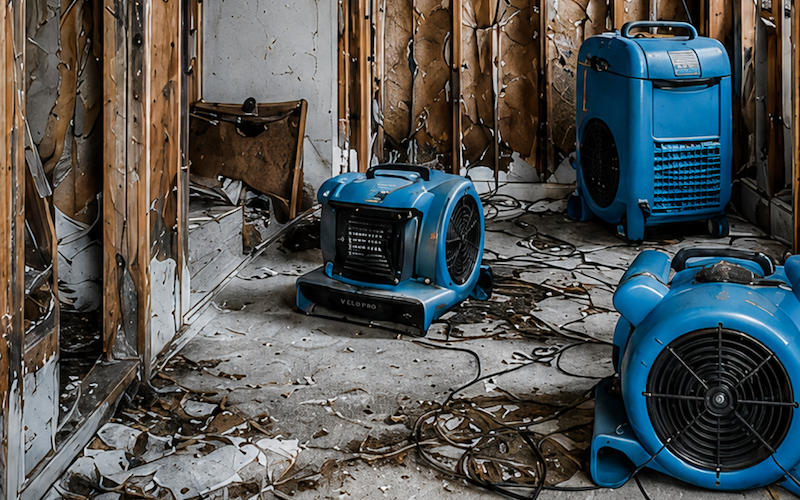
Professional drying equipment and continuous moisture monitoring ensure that hidden water is removed before repairs begin. Addressing moisture first creates the foundation for a successful fire damage restoration project.
To better understand what to expect during the recovery process, read our article on How Long Does Fire Restoration Take? or learn more about What Is Emergency Restoration?.
Recover with Confidence
Recovering from a fire can feel overwhelming, especially when water, smoke, and structural damage all need immediate attention. Working with an experienced restoration team ensures every part of the recovery process is evaluated, documented, and addressed in the proper order.
For more than 15 years, PuroClean Restoration Specialists have helped homeowners and businesses throughout Frisco and North Texas recover from fire, water, mold, and other property damage emergencies. Our certified professionals understand how these types of damage interact, allowing us to provide a coordinated restoration plan that protects your property and helps you move forward with confidence.
If your home or business has experienced a fire, don’t wait for hidden moisture to create additional problems. Contact PuroClean Restoration Specialists for 24/7 emergency response and expert fire and water damage restoration services.