 PuroClean of Central Southwest Houston
Living in Houston means sunshine, culture, and community—but it also means preparing for extreme weather like hurricanes, tropical storms, and flooding. As a homeowner, one of your most important decisions is selecting the right insurance policy to protect your property, your finances, and your peace of mind.
But how do you know if your current policy is actually enough?
With so many options and complex jargon, how do you choose the best-suited insurance policy for your Houston property? This guide will cut through the confusion, highlight key coverages, and empower you to make informed decisions to protect your most valuable asset.
Understanding the Standard Homeowner’s Insurance in Texas
A standard homeowner’s insurance policy in Texas (often an HO-A or HO-B form) typically provides coverage for a range of perils, including:
- Dwelling Coverage: Protects the physical structure of your home (walls, roof, foundation) against covered perils like fire, lightning, windstorms, hail, and vandalism.
- Other Structures Coverage: Covers detached structures on your property, such as garages, sheds, and fences.
- Personal Property Coverage: Protects your belongings inside your home, including furniture, electronics, clothing, and appliances, against covered risks like theft, fire, and certain types of water damage.
- Liability Coverage: Provides financial protection if someone is injured on your property and you are found legally responsible, covering medical bills and legal expenses.
- Additional Living Expenses (ALE) / Loss of Use: This crucial coverage helps pay for increased living costs if your home becomes uninhabitable due to a covered loss. This can include hotel stays, temporary rent, meals, and other necessary expenses while your home is being repaired.

While this standard coverage forms the backbone of protection, Houston’s unique climate demands a closer look at what’s not always included.
The Houston Essentials: Coverages You Can’t Afford to Ignore
Given Houston’s susceptibility to specific weather events and environmental factors, certain coverages are important and often require separate policies or endorsements (add-ons) to your standard homeowner’s insurance policy.
1. Flood Insurance: The Non-Negotiable Necessity
Is it included? NO. This is perhaps the most critical distinction. Standard homeowner’s insurance policies do not cover flood damage. This means damage from rising water, storm surge, overflowing rivers, or heavy rainfall that causes water to enter your home from the ground up is not covered by your typical policy.
Why it’s essential for Houston: Houston is highly prone to flooding, not just from hurricanes but also from localized heavy rainfall events (colloquially known as “gully washers”). Even if you’re not in a designated high-risk flood zone, flooding can occur anywhere. In fact, many flood claims in Harris County originate outside mapped floodplains.
How to get it: Flood insurance is primarily available through the National Flood Insurance Program (NFIP), administered by FEMA. You can purchase NFIP policies through your existing insurance agent. There’s typically a 30-day waiting period before a new flood policy becomes effective, so don’t wait until a storm is brewing!
2. Windstorm and Hail Insurance: A Coastal Consideration
Is it included? It depends on your location. For most of inland Texas, wind and hail damage from tornadoes, thunderstorms, and hurricanes is covered under a standard homeowner’s insurance policy. However, if your property is on the Texas coast or in certain designated areas (including parts of Harris County near Galveston Bay), wind and hail coverage might be excluded from your standard policy.
Why it’s essential for Houston: Hurricanes and tropical storms bring powerful winds and hail. Even if your standard policy covers it, be aware of separate deductibles for wind and hail damage, which are often a percentage of your dwelling coverage.
How to get it: If excluded from your standard policy, you’ll need to purchase a separate windstorm policy, often through the Texas Windstorm Insurance Association (TWIA). Your agent can help you determine if you need this and how to obtain it. The Texas Department of Insurance (TDI) offers valuable resources on windstorm insurance.
3. Sewage Backup Coverage: Protecting Against the Unpleasant
Is it included? NO, not typically. Standard homeowner’s insurance policies usually exclude damage caused by water that backs up through sewers or drains, or overflows from a sump pump.
Why it’s essential for Houston: Heavy rainfall can overwhelm municipal sewer systems, leading to backups into homes. Additionally, blockages within your own plumbing system can cause sewage to back up. This type of damage is not only destructive but also poses significant health risks due to contamination.
How to get it: You’ll generally need to purchase a specific “sewer backup” or “water backup and sump pump overflow” endorsement to your homeowner’s insurance policy. This is a relatively inexpensive add-on that can save you thousands in cleanup and repair costs.
4. Mold Coverage: The Humidity Factor

Is it included? It’s complicated. Most homeowner’s insurance policies in Texas cover mold damage if it results from a sudden and accidental covered peril (like a burst pipe). However, they typically exclude mold damage that results from gradual leaks, seepage, or long-term humidity issues, which are common in Houston’s climate. Many policies that do offer mold coverage will have a sub-limit, meaning there’s a cap on how much they will pay for mold remediation, often significantly less than the total cost of repairs.
Why it’s essential for Houston: Our warm, humid climate creates an ideal breeding ground for mold. Even a small, unnoticed leak can quickly lead to a widespread mold infestation.
How to get it: Review your policy carefully. Some insurers offer endorsements for increased mold coverage. The best defense against mold is prompt action on any water intrusion and maintaining low indoor humidity. The Texas Department of Insurance (TDI) provides guidance on mold coverage.
5. Biohazard Cleanup: When the Unexpected Happens
Is it included? It depends on the cause. Biohazard cleanup (e.g., from sewage, unattended death, crime scene) is not a standard inclusion. If the biohazard is a direct result of a covered peril (like a sewage backup if you have the endorsement, or a fire that leads to hazardous residue), then the cleanup might be covered as part of that claim. However, specific biohazard events may require unique policy considerations.
Why it’s essential: These situations require specialized training, equipment, and strict safety protocols for safe removal and disinfection.
How to get it: Discuss potential scenarios with your agent to understand what your existing insurance policy covers and if any additional riders are available for specific biohazard risks.
Choosing Your Best-Suited Insurance Policy: A Strategic Approach
Navigating the world of insurance policy options can be daunting, but a strategic approach can help you find the best fit for your Houston home:
- Assess Your Risk: Understand your property’s specific risks. Is it in a flood zone? Is it older and prone to plumbing issues? Are you in an area with frequent windstorms? FEMA’s Flood Map Service Center is a great tool to check your flood risk.
- Review Your Current Policy (Thoroughly!): Don’t assume anything. Read your existing insurance policy declaration page and the policy booklet carefully. Pay close attention to exclusions, limitations, and deductibles.
- Talk to a Knowledgeable Agent: Work with an independent insurance agent who understands the unique risks of the Houston area. They can help you compare policies from multiple carriers and identify necessary endorsements.
- Consider Replacement Cost vs. Actual Cash Value:
- Replacement Cost Value (RCV): Pays to replace damaged property with new materials of similar kind and quality, without deduction for depreciation. This is generally preferred.
- Actual Cash Value (ACV): Pays the depreciated value of the damaged property. This means you’ll receive less than the cost of a new replacement.
- Understand Your Deductibles: A deductible is the amount you pay out-of-pocket before your insurance policy kicks in. Higher deductibles usually mean lower premiums, but ensure you can afford the deductible if you need to file a claim. Be aware of separate deductibles for wind/hail or hurricane damage.
- Don’t Underinsure: Make sure your dwelling coverage is sufficient to rebuild your home entirely at current construction costs, not just its market value. Construction costs can fluctuate significantly.
- Create a Home Inventory: Document your personal belongings with photos, videos, and a list of values. This significantly speeds up the claims process if you need to replace items.
- Shop Around: Get quotes from multiple insurance providers. Use resources like the Texas Department of Insurance’s (TDI) HelpInsure tool to compare options.
When Disaster Strikes: How PuroClean Advocates for You with Your Insurance Company
Even with the best insurance policy, navigating a claim after significant property damage can be overwhelming. This is where PuroClean of Central Southwest Houston steps in as your trusted partner and advocate.
While we are not public adjusters or insurance agents, our role is crucial in streamlining your claim process:
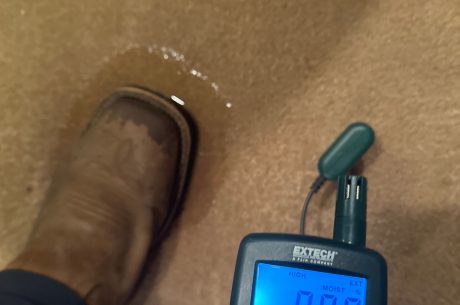
- Detailed Documentation: We meticulously document all damage with photos, videos, and moisture readings using industry-standard tools. This comprehensive “digital paper trail” provides irrefutable evidence for your claim.
- Industry-Standard Estimates: We prepare detailed, itemized estimates using software like Xactimate, which is widely recognized and used by insurance companies. This ensures consistency and helps prevent disputes over costs.
- Direct Communication with Adjusters: Our experienced team communicates directly with your insurance adjuster, answering their technical questions and providing clarity on the scope of work required. This collaboration helps ensure an accurate assessment of the damage and a fair settlement.
- Understanding the Process: We can help you understand the steps of the claims process and what your insurance policy likely covers, guiding you through the often-complex paperwork and requirements.
- Preventing Secondary Damage: By responding quickly and professionally, we mitigate further damage (like mold growth), which can prevent future claim disputes and demonstrate your proactive efforts to protect your property.
Your Peace of Mind, Our Priority
Choosing the right insurance policy for your Houston home is a proactive step that can save you immense stress and financial burden when the unexpected happens. By understanding your risks, reviewing your coverage, and partnering with knowledgeable professionals, you can truly safeguard your sanctuary.
And if disaster does strike, remember that PuroClean of Central Southwest Houston is here to not only restore your property with expertise and compassion but also to help you navigate the complexities of your insurance policy claim.
Don’t wait until it’s too late. Review your insurance policy today, and for expert property restoration services in Houston, contact PuroClean of Central Southwest Houston at (832) 8565-5900.

 PuroClean of Central Southwest Houston