


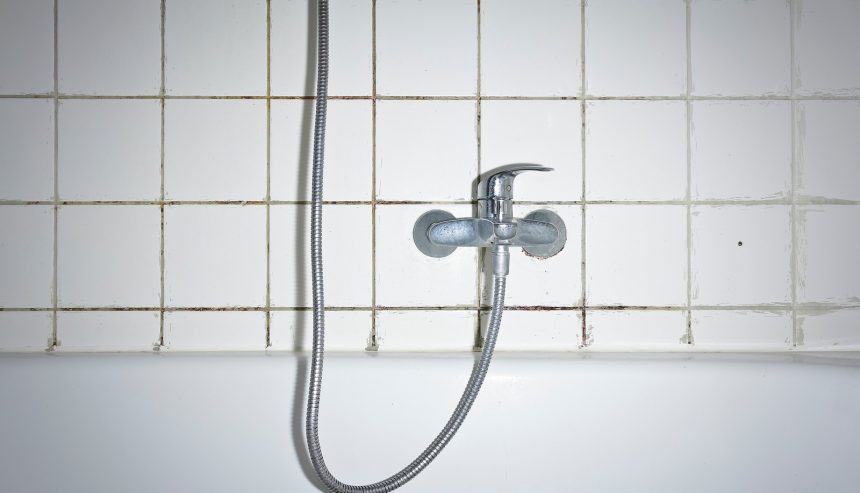
The safest and most effective way to remove shower grout mold is to start with a simple paste of baking soda and water. Apply it directly to the grout, scrub gently with a brush, and rinse thoroughly. For stubborn spots, spray the area with 3% hydrogen peroxide. Let it sit for 10–15 minutes, then scrub again for a deeper clean.
Always work in a well-ventilated space, wear protective gloves, and once the grout is clean and dry, apply a sealer to help prevent future mold growth.
—
How to Remove Mold on Grout
Mold and mildew, those pesky inhabitants of humid and damp environments, often find a cozy home within the confines of bathrooms. While tackling mildew on tiles might seem like a breeze, the challenge escalates when it comes to mold on grout.
Here are the best methods we know for removing mold on grout and preventing its return.
Scrubbing with Cleaning Products: Armed with a scrubbing brush or toothbrush and your chosen cleaning agent, embark on a mission to scrub away the mold. Opt for household staples like borax, baking soda paste, or commercial grout cleaners. The vigorous scrubbing action helps dislodge the mold.
- Detergent and Water: Your first line of defense against shower mold on hard, non-porous surfaces should be a dishwashing detergent, water, and a brush.
- Baking Soda Paste: For a natural and eco-friendly approach, concoct a paste using equal parts water and baking soda. Apply this paste generously onto the affected grout, allowing it to sit for at least ten minutes or longer for deeply ingrained mildew. Afterward, rinse the area thoroughly with water, scrubbing as needed to reveal refreshed grout.
- Hydrogen Peroxide: Spray the stained grout with hydrogen peroxide, making sure it soaks in well. Let it sit for several minutes, then scrub thoroughly. For stubborn spots, a second round may be needed.
- Steam Cleaning: Invest in a steam cleaner specifically designed for grout cleaning. The high-temperature steam effectively removes mold and mildew without the need for harsh chemicals. Simply direct the steam onto the affected grout lines and watch as the mildew loosens and dissolves.
- Vinegar Soak: Create a potent mildew-fighting solution by soaking a cloth or sponge in undiluted white vinegar. Place the saturated cloth over the moldy grout and let it sit for several hours or overnight. The acidic nature of vinegar helps break down mildew, making it easier to scrub away. Note: The acidic nature of vinegar may also etch some surfaces. Spot test in a hidden area.
- Commercial Mold and Mildew Removers: Explore the wide array of commercial mold and mildew removers available in the market. Look for products specifically formulated for cleaning mold on grout, ensuring they are safe for use in bathrooms. Follow the manufacturer’s instructions carefully for optimal results.
Important Safety Notes:
- Household chemicals such as hydrogen peroxide, oxygen bleach, chlorine bleach, and ammonia should never be applied one after another or mixed together. The residues can mix and release hazardous gases.
- When using chemicals, always ventilate the area and wear gloves, goggles, and an N955 mask if scrubbing a noticeable amount of visible mold.
Sealing the Grout
After cleaning or replacing grout, apply a quality grout sealer to provide an additional barrier against moisture and mildew. Regularly reapply the sealer as per the manufacturer’s recommendations to maintain its efficacy over time. Be sure not to seal grout that is still damp or has visible mold.
Grout Replacement
When all else fails, and the mildew persists despite your best efforts, it may be time to bid farewell to the old grout. Use a flat screwdriver or similar tool to carefully remove the stubborn grout, making way for a fresh application.
Professional Cleaning Services
For severe cases of mildew or when DIY efforts prove insufficient, enlist the help of a professional mold removal company specializing in grout restoration. These experts possess specialized tools and techniques to effectively tackle stubborn mildew.
- You might also like this guide to Handling Bathroom Ceiling Mold
Mold on Grout: Preventive Measures

As the adage goes, prevention is often more effective than cure when it comes to combating mildew and mold in bathrooms. You can thwart future mildew infestations and maintain a clean, healthy environment by following the tips below.
Ventilation Is Key
One of the most crucial steps in preventing mildew and mold growth is ensuring adequate ventilation within the bathroom. Proper ventilation helps expel excess moisture, which can contribute to making your bathroom a breeding ground for mildew and mold. Consider the following ventilation strategies:
- Open Windows: Whenever possible, open windows to allow fresh air circulation and facilitate the removal of moisture-laden air. Natural ventilation can significantly reduce humidity levels within the bathroom.
- Use Exhaust Fans: Exhaust fans are indispensable allies in the battle against bathroom humidity. Turn on exhaust fans during and after showering to quickly remove steam and moisture from the air. Ensure that exhaust fans are appropriately sized and in good working condition for optimal effectiveness. (Clean your fan regularly to maintain its effectiveness.)
- Install a Dehumidifier: In particularly humid climates or poorly ventilated bathrooms, installing a dehumidifier can help maintain optimal humidity levels. Dehumidifiers extract excess moisture from the air, preventing condensation.
Post-Shower Rituals
In addition to ventilation measures, incorporating post-shower rituals into your bathroom routine can help prevent mold growth on grout surfaces. Consider the following preventative measures:
- Wipe Down Surfaces: After each shower, take a few moments to wipe down shower walls, tiles, and grout surfaces with a squeegee or towel. Removing excess moisture prevents water from pooling and facilitates faster drying, reducing the risk of mildew and mold formation.
- Regular Cleaning: Incorporate regular cleaning of grout surfaces into your household cleaning routine. Use mild detergent solutions or eco-friendly cleaners to scrub grout lines and remove any accumulated dirt, soap scum, or mildew residue.
For Professional Mold Removal Services, Contact PuroClean Emergency Services
For professional mold removal services, look no further than your local Ohio PuroClean team! With expertise in mold remediation and restoration, PuroClean is dedicated to providing efficient and effective solutions to combat mold infestations.
Our IICRC-certified technicians use state-of-the-art equipment and industry-leading techniques to safely remove mold and restore your property to its pre-loss condition.
Call PuroClean Emergency Services today! In Dayton, Ohio at 937-401-9700 or Cincinnati, Ohio at 513-897-8990.
Sources:
EPA: Mold Cleanup in Your Home
EPA: Should I use bleach to clean up mold?
CDC: Mold Clean Up Guidelines and Recommendations


