


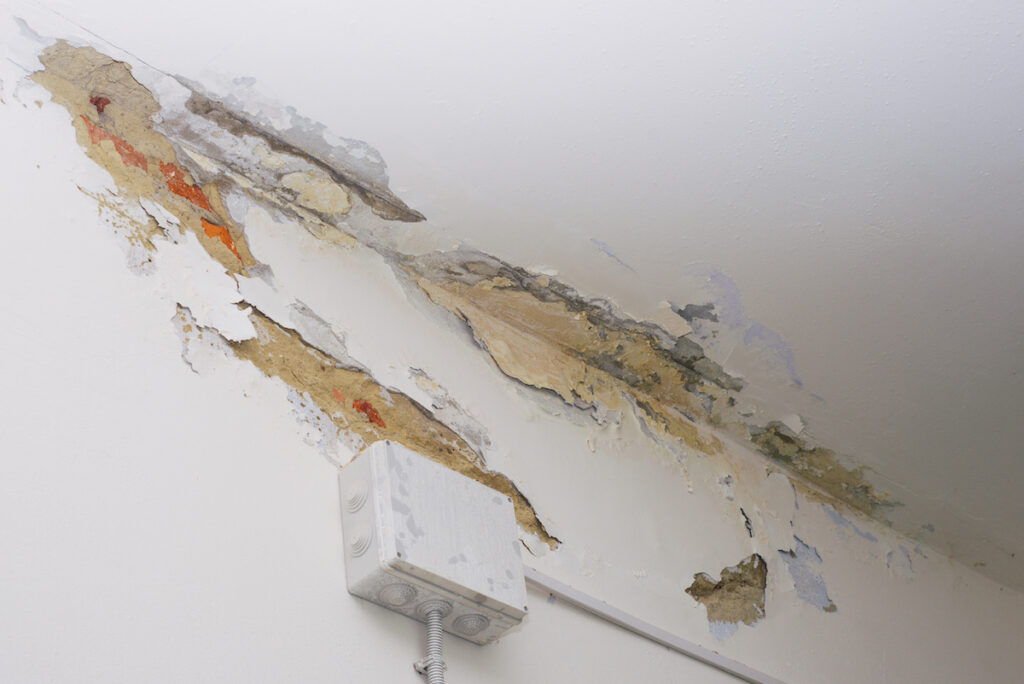
Whether you’re an employee or building owner, discovering mold in the workplace is a serious matter. Mold can start to colonize within 24 to 48 hours in areas with excess moisture and poor ventilation, putting both employees and property at risk.
What’s Covered:
Steps to Take When You Find or Suspect Mold
What Is Mold and Why It Matters
Health Effects of Mold Exposure
Black Mold in the Workplace
Employer Responsibilities Under OSHA
Why Professional Mold Remediation Is Essential
Professional Mold Help
Steps to Take When You Find or Suspect Mold
For Employees:
If you see or suspect mold:
- Report it in writing to your employer, HR representative, or building manager.
- Document what you see and feel. Take photos of visible mold growth and water damage, and note symptoms.
- Continue monitoring the area and your health. If conditions worsen, keep records updated.
- If mold is visible, do not disturb the area.
For Building Owners and Landlords:
Act promptly to prevent additional mold and ensure workplace safety:
- Investigate the cause, often from water leaks, poor ventilation, or wet materials.
- Hire a professional mold remediation team to assess and remove the problem.
- Educate your building maintenance staff on mold-prevention steps, such as promptly repairing leaks and maintaining healthy indoor humidity levels.
Pro Tip: Learn how to speak to stakeholders without causing unnecessary mold panic.
What Is Mold and Why It Matters
Mold is a type of fungus that spreads through microscopic mold spores. It thrives in damp environments, often behind walls, under floors, or inside air conditioning / HVAC systems. Mold can lead to significant mold damage and structural integrity issues over time.
Common causes of indoor mold include:
- Water leaks from pipes, roofing, or appliances
- Poor ventilation
- Flooding or long-term moisture
- Compromised building materials, like drywall or ceiling tiles
Unchecked, mold can affect building occupants’ health. It can also damage commercial buildings by compromising materials, like drywall, and contribute to structural issues such as moisture-related wood rot.
Health Effects of Mold Exposure
Exposure to workplace mold can cause allergic reactions and more serious health problems, especially for people with asthma, weakened immune systems, mold allergies or hypersensitivity pneumonitis
Potential health hazards may include:
- Sneezing or a runny nose
- Skin contact irritation or rashes
- Chest tightness or asthma attacks
- Fatigue, coughing, or trouble breathing
In severe (and rare) cases, mold exposure may lead to systemic infections or serious physical harm, especially in people with compromised immune systems.
Black Mold in the Workplace: Should You Be Worried?
Seeing black-colored mold doesn’t mean you’re dealing with the infamous “toxic black mold” (Stachybotrys chartarum). While this type of mold can produce toxic substances under certain conditions, not all black molds are harmful.
What You Should Know:
- Color isn’t everything. Many molds appear black but aren’t toxic.
- Media headlines often fueled the early panic around black mold.
- Still, any mold—black or otherwise—should be addressed quickly to protect air quality and health.
Bottom line: Don’t panic. Document what you see, report it, and bring in experts for a proper assessment and mold cleanup.
Employer Responsibilities Under OSHA
While Ohio doesn’t have specific laws regulating mold levels, the General Duty Clause of OSHA requires employers to provide a workplace “free from recognized hazards,” including harmful substances like mold, but again, no specific levels are stated (OSHA).
Building Owners and Employers Should:
- Maintain good indoor air quality through ventilation
- Control moisture and humidity
- Repair leaks immediately
- Remove wet or moldy materials like soaked drywall or carpet
- Address any reported mold issues swiftly to avoid liability and ensure safety and health
- Employers should also inform workers of mold findings and remediation plans
Regular building maintenance is one of the most effective ways to prevent mold growth and avoid costly mold infestations.
Why Professional Mold Remediation Is Essential
Mold remediation is not a job for general cleaning crews. It requires specialized tools, protective equipment, and training to safely remove mold and prevent its spread.
Key Steps in the Cleanup Process:
- Identify the source – Leaks, flooding, or condensation.
- Isolate the affected area – Use barriers and high-efficiency particulate air (HEPA) filtration to contain spores.
- Remove contaminated materials, including insulation, drywall, and other porous materials.
- Disinfect and dry – Clean the area thoroughly and use dehumidifiers to avoid further mold growth.
Professional teams may also collect air samples or call in an industrial hygienist for a detailed report if needed.
Professional Mold Help – PuroClean Emergency Services
Based in Moraine, OH, PuroClean Emergency Services is the trusted mold removal partner for businesses and commercial properties in southwest Ohio.
- IICRC-certified technicians trained in mold removal and water damage restoration.
- Compassionate, knowledgeable support from start to finish.
Call PuroClean Emergency Services today at (937) 401-9700 for fast, reliable mold remediation that restores confidence in your workplace, commercial property or facility.


