


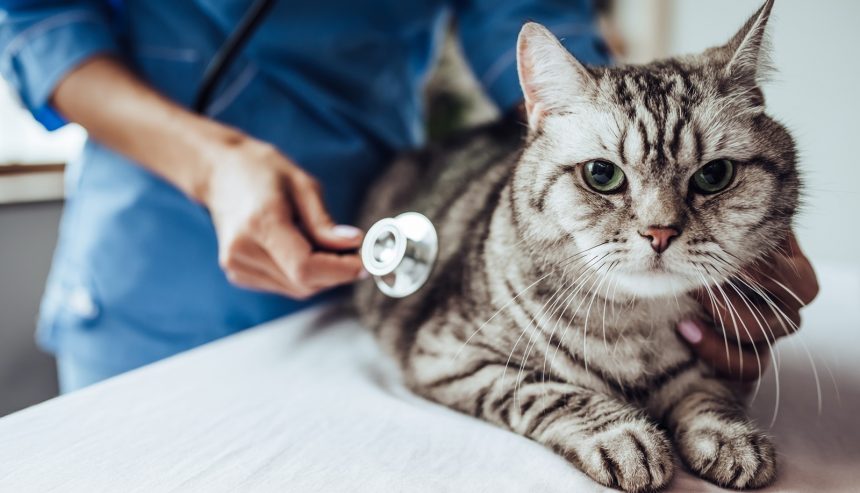
Black mold and pets don’t go hand in hand. While the dangers of mold to humans are well known, fewer people realize that toxic mold can also endanger the health of our pets. Although only a handful of mold species are toxic to people and pets, the most common type—toxic black mold—can bring serious illnesses and even death to both people and pets.
In this article, you will learn:
- How mold affects pets
- Symptoms of mold exposure in pets
- How to keep pets safe from mold
Black Mold and Pets: How Mold Affects Pets
Mold spores enter pets’ bodies primarily through inhalation in areas where mold is present. In most cases, mold develops in damp, warm, and dark places, usually after flooding or water damage has occurred.
It may be visible on the exterior of walls, or it can also hide behind walls and underneath floors, where it’s difficult to detect. If your home has experienced a flood or damage from water intrusion, it’s best to call in a mold remediation company to inspect and eliminate any traces of mold.
Symptoms of Mold Exposure in Pets
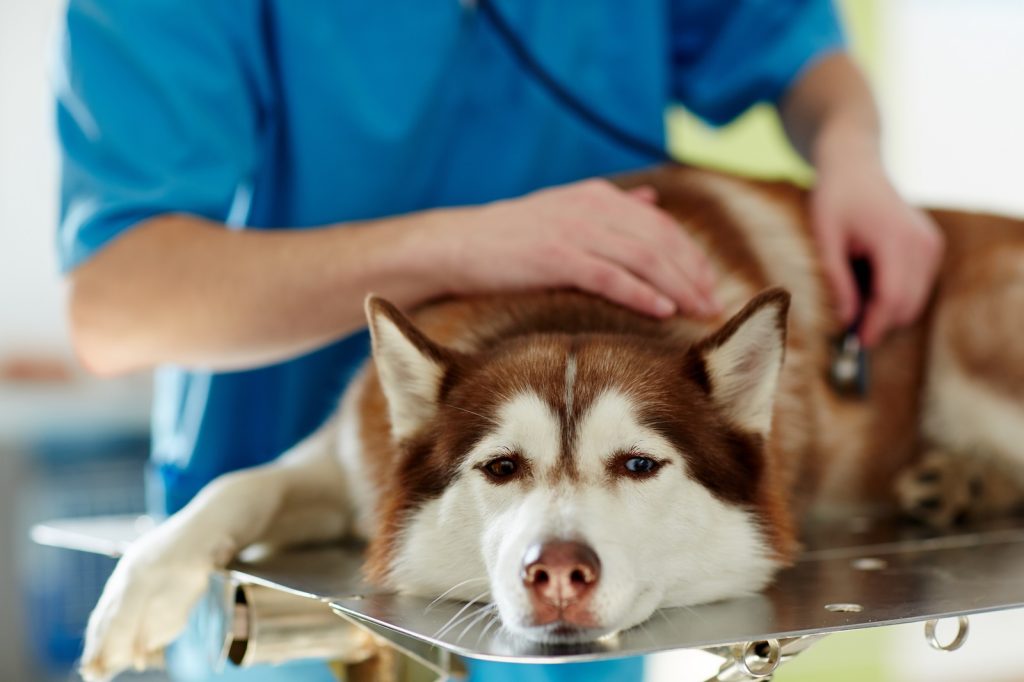
When exposed to mold, pets can exhibit a variety of symptoms that may range from mild to severe. It’s crucial to recognize these signs early to provide timely intervention and prevent further health complications. Here are some key symptoms to watch for:
Respiratory Difficulties and Illnesses
Mold spores can significantly impact a pet’s respiratory system. Symptoms may include:
- Wheezing: A high-pitched whistling sound during breathing, indicating airway obstruction.
- Coughing: Persistent coughing can signify irritation in the respiratory tract caused by inhaled mold spores.
- Struggling to Breathe: Labored breathing or shortness of breath, often seen as rapid or shallow breaths, can indicate severe respiratory distress.
Pulmonary Hemorrhage
Severe mold exposure can lead to bleeding in the lungs. This is a critical condition where blood vessels in the lungs bleed, leading to coughing up blood or blood-tinged sputum.
Bleeding from the Nose
Nasal bleeding, or epistaxis, can occur due to severe mold exposure. This might be a sign of extensive irritation or damage to the nasal passages caused by mold spores (different levels of mold spores).
Skin Issues
Mold exposure can cause various dermatological problems in pets, such as:
- Excessive Scratching: Pets may scratch themselves intensely even in the absence of fleas, leading to sores and bleeding.
- Chewing on Extremities or Skin: Pets might chew at their paws, legs, or other body parts that can also lead to sores and bleeding.
Excessive Licking
Pets might excessively lick their fur or skin, which can result in hair loss and irritated skin. Continuous licking can also lead to bald patches or thinning fur.
Extreme Lethargy
A noticeable decrease in energy levels, where pets may become less active and sleep more than usual.
Runny Nose
Persistent nasal discharge, which might be clear or mucous-laden. A continuous runny nose can indicate irritation or infection in the nasal passages.
Loss of Appetite
A significant reduction in food intake, where pets may lose interest in food. You may also see a noticeable decrease in the quantity of food consumed.
Mold Ingestion
Mold can also contaminate pets through ingestion. Spoiled products such as cheese or your daily pet food may contain mold that releases poisonous chemicals called mycotoxins. Pets that consume this poisoned food may exhibit muscle spasms or body tremors. It’s crucial to avoid letting your pets eat spoiled food and to take them to the vet if you notice any of these symptoms. See the attached for tips from the ASPCA https://www.aspca.org/news/animal-poison-control-alert-dangers-moldy-food.
Tips to Keep Your Pet Safe from Mold
Ensuring your pet’s safety from mold involves proactive measures to both prevent mold growth and address any existing mold issues promptly. Here are detailed steps to help protect your pet:
Inspect and Remediate Mold Quickly
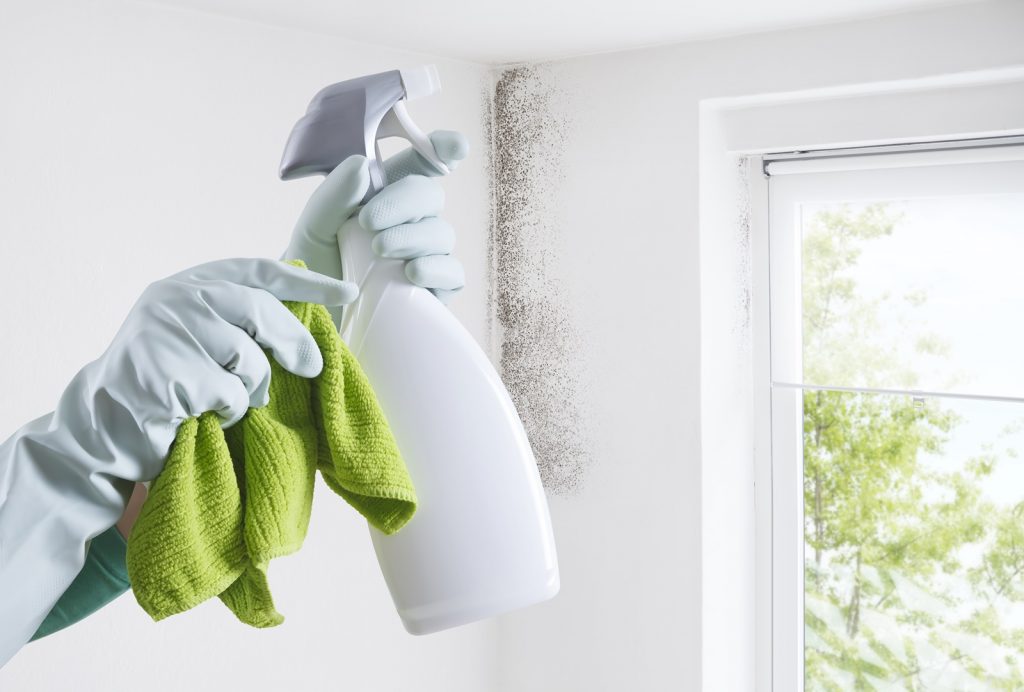
- Conduct Regular Inspections: Regularly check areas that are prone to dampness and mold, such as basements, bathrooms, kitchens, and laundry rooms. Look for visible signs of mold, such as discoloration on walls, ceilings, and floors, or a musty odor.
- Professional Mold Remediation: If you suspect mold growth but cannot locate it or if the affected area is extensive (anything over 10 square feet), contact a professional mold remediation service. These experts have the tools and knowledge to identify and remove mold effectively and safely.
Clean Up Household Mold Promptly
- Immediate Cleanup: As soon as you notice mold, clean it up quickly to prevent it from spreading. For small areas (less than 10 square feet), you can use a mixture of water and detergent. Wear protective gear such as gloves and a mask to avoid inhaling spores.
- Professional Help for Large Areas: For mold infestations larger than 10 square feet, or if the mold is in hard-to-reach areas, hire a professional mold remediation company. They will ensure thorough and safe removal, minimizing health risks and your pet’s health.
Prevent Mold Growth
- Control Humidity Levels: Keep indoor humidity levels below 50% to prevent mold growth. Use dehumidifiers in damp areas and ensure proper ventilation in bathrooms and kitchens.
- Fix Leaks Promptly: Address any leaks in roofs, walls, or plumbing immediately to prevent moisture buildup, which can lead to mold growth.
- Use Mold-Resistant Products: Consider using mold-resistant paints and building materials in areas prone to dampness.
Keep Your Pet Away from Moldy Food and Environments
- Avoid Moldy Areas: Ensure your pet does not have access to areas where mold is present or suspected. If you are cleaning mold, keep your pet in a different part of the house to avoid exposure.
- Dispose of Spoiled Food: Regularly check your pet’s food for signs of mold, especially if you feed them homemade or raw diets. Discard any food that appears spoiled or moldy.
Store Pet Food Properly
Store your pet’s food in airtight containers to keep out moisture and prevent black mold growth. Ensure the containers are clean and dry before refilling them with new food.
Choose Washable Pet Items
Purchase pet beds, blankets, and toys that can be washed in hot water. Regular washing in hot water helps kill mold spores and dust mites, ensuring these items remain clean and safe for your pet.
Use Allergy-Fighting Shampoos
Use shampoos formulated to combat allergies and skin irritations. These can help alleviate symptoms if your pet has been exposed to mold and reduce the risk of skin issues.
Monitor for Symptoms and Seek Veterinary Care
- Watch for Symptoms: Be vigilant about changes in your pet’s behavior, eating patterns, and energy levels. Symptoms of mold exposure can include respiratory issues, skin irritation, lethargy, and loss of appetite.
- Immediate Veterinary Care: If your pet shows any signs of black mold exposure, take them to the vet immediately. Inform the veterinarian that your pet may have been exposed to mold so they can provide appropriate treatment.
Temporary Measures if Veterinary Care is Delayed
If you cannot take your pet to the vet right away, move them to a non-contaminated area of your home to reduce further exposure to mold. Ensure this area is clean, dry, and well-ventilated.
Black Mold and Pets: Conclusion
The presence of household mold must be taken very seriously, as it can damage your health and cause health issues, your family’s health, and your pet’s health. It is worth noting that not all black molds are toxic, and even Stachybotrys isn’t always harmful unless there’s long-term, high-level exposure. If you suspect mold in your home, contact a mold remediation specialist in your area. PuroClean Emergency Services of Dayton, Ohio at 937-401-9700 or Cincinnati, Ohio at 513-897-8990 or visit our website.


