24/7 Emergency Services For Water, Fire, Mold and Biohazard in Britton, TX
Britton is an unincorporated community in the northwestern corner of Ellis County, sitting at the boundary line where Ellis County meets Tarrant County and where rural farm-and-ranch land transitions into the outer edges of Mansfield’s expanding residential footprint. Originally settled in 1895 under the name Helland — named for Joseph Helland, a passenger agent on the Texas and New Orleans Railroad — the community was renamed Britton in November 1896 to honor H.C. Britton, a conductor on that same line. At its peak, the little railroad town on Farm Road 661 supported two cotton gins, a grain elevator, a bank, three doctors, multiple stores, a post office, and an egg-processing center. Today, Britton’s identity sits at an interesting crossroads: its historic agricultural character persists on the rural acreage properties surrounding it, while Mansfield’s suburban growth has absorbed much of its old footprint. Joe Pool Lake — one of the most popular recreational lakes in the Dallas-Fort Worth Metroplex — lies just north, making this area a destination for lake-adjacent property owners who value the rural feel of the Ellis County side of the county line.
That blend of older rural properties and newer development at the Mansfield boundary defines the property damage landscape PuroClean of Waxahachie encounters in this area. Homes on the Ellis County side of Britton range from long-established farmhouses and ranch residences on multi-acre parcels to newer construction along the FM 661 corridor where residential growth has followed Mansfield outward. The soil in this part of Ellis County — the county historical record describes the western edge between Maypearl and Britton as a broad valley with level to gently rolling terrain — is the dark, expansive Blackland Prairie clay that defines much of north-central Texas. That clay shrinks dramatically during dry periods and expands during heavy rain, creating significant foundation movement risk for slab-on-grade homes and persistent basement moisture issues for older pier-and-beam structures on rural properties.
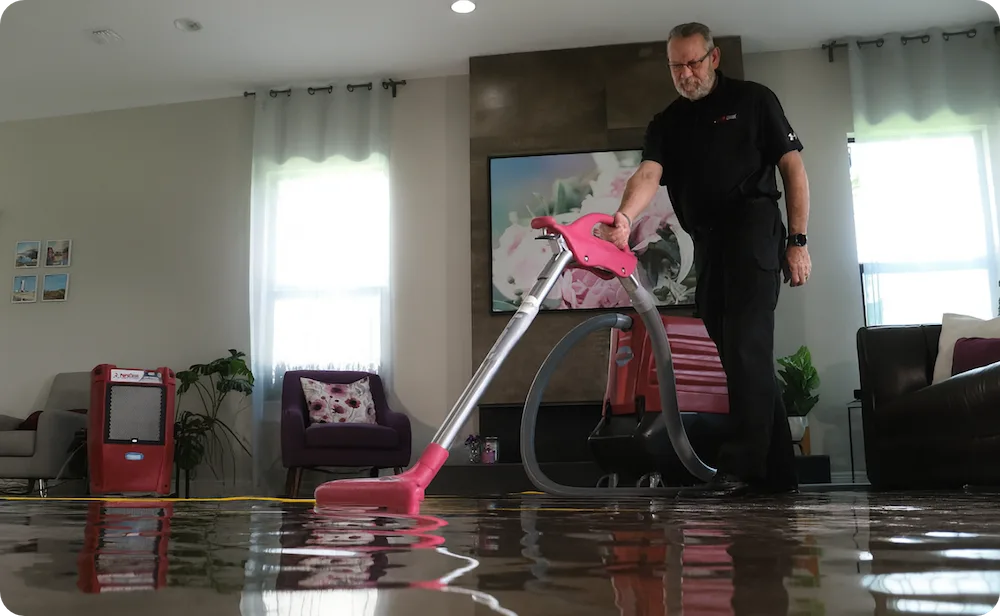
PuroClean of Waxahachie serves all properties in the Britton area and the northwestern Ellis County corridor with 24/7 emergency water damage restoration, mold remediation, fire damage cleanup, and sewage decontamination. Whether the call comes from a farmhouse off FM 661 or a newer home in the transitional zone near the Mansfield city limits, we respond with the same urgency and IICRC-certified standards.
The property damage calls we handle in the Britton area reflect the realities of rural acreage properties at the edge of suburban expansion:
The rural character of the Britton area also means that access to professional restoration services is not always a given. Property owners on larger acreage parcels off FM 661 and the county road system are sometimes unaware that a nationally certified restoration franchise is operating out of Waxahachie less than 25 miles away and can reach them within 30 to 40 minutes. That proximity matters when a frozen pipe lets go at 3 a.m. in January or a severe thunderstorm damages a roof on a Friday night.
From our Waxahachie location on Panorama Loop, the Britton area is approximately 25 to 35 minutes depending on the specific property address and traffic conditions. US-287 is the primary north-south artery connecting Waxahachie to Midlothian and then continuing northwest toward the Mansfield area, and it is the backbone of our route to northwestern Ellis County. From US-287, we use FM 661 and the local county road network to reach specific properties in the Britton area.
Here is how we navigate to different parts of the Britton area:
One logistical reality of serving the Britton area is that many of the properties here are on large lots with long entry drives, gated access, or unpaved approaches that can become impassable in wet weather — which is often the same weather that caused the damage we’re responding to. We stage equipment thoughtfully, confirm gate codes and access on the first call, and carry what we need for the full scope of the emergency response rather than making multiple trips. Rural Ellis County requires that kind of preparation, and it is built into how we dispatch to this part of our service area.
Britton’s location in the broad valley of northwestern Ellis County — the level to gently rolling terrain described in the county’s own historical records as lying between Maypearl to the south and Mansfield to the north — places it squarely on the Blackland Prairie, one of Texas’s most distinctive and challenging soil environments for residential and agricultural property. The dark clay soil of this region is the same Eagle Ford formation that produces brick clay and has supported cotton farming across Ellis County for over a century. It is also among the most problematic soils in Texas for property foundations, drainage, and moisture management.
Blackland Prairie clay behaves in extremes. During the dry summers and fall periods that Ellis County experiences regularly — particularly in drought years — the clay shrinks and pulls away from foundation edges, creating gaps through which water enters rapidly during the first significant rainfall. During the wet periods that follow — the spring thunderstorm season and the occasional heavy rain events of fall and winter — the clay expands dramatically, exerting lateral pressure against foundation walls and slab edges. This expansion-contraction cycle over years and decades causes foundation movement that creates cracks in slab foundations and settlement in pier-and-beam structures, both of which become pathways for water intrusion into the living space. Properties in the Britton area that have not had their foundation drainage and grading managed carefully are at elevated risk for water entry during heavy precipitation events.
The weather in this part of Ellis County is defined by its position in Hail Alley. Northwestern Ellis County sits along the storm track that produces some of the most severe convective weather in North Texas, with hailstorms regularly producing golf ball to baseball-sized hail that damages composition shingle roofs, metal agricultural roofing, and exposed mechanical equipment. The damage pattern from a significant hail event in the Britton area is not always immediately visible — hail that cracks or dents roof shingles may not produce visible interior water staining for weeks or months, until the next significant rainfall drives water through the compromised roof assembly into the attic insulation and ceiling below. By the time a homeowner calls about a ceiling stain, the attic insulation may be substantially saturated and mold growth may be establishing on roof decking and framing.
Winter Storm Uri in February 2021 is the defining property damage event for this part of Texas. Older farmhouses and agricultural structures in the Britton area — many of which have pipes running through uninsulated crawl spaces, barns, and outbuildings — were severely affected when temperatures dropped to single digits and stayed there for days. Properties that had never experienced frozen pipes in their owners’ lifetimes sustained catastrophic failures as pipes in unheated spaces froze solid and burst when temperatures rose. Those rural agricultural structures that were affected and not fully remediated continue to carry elevated mold risk as the moisture from that event works its way through building systems years later.
Joe Pool Lake’s proximity adds one more property-specific risk for Britton-area lake property owners. Lake-adjacent cabins, recreational properties, and primary residences near the lake’s shoreline experience elevated ambient humidity from the water body year-round, accelerated weathering of building envelope components from the lake air environment, and in storm surge or high-lake-level events, the risk of water intrusion from the ground up. Properties that sit in the lake’s floodplain require NFIP flood insurance, and restoration of floodwater intrusion at lake properties follows the same Category 2/Category 3 water protocols that any external floodwater event requires.
Owned & Operated by Jordan Durham
201 Panorama Loop #300, Waxahachie, TX, 75165
(945) 259-7876
Water damage can result from unexpected leaks, flooding from storms, plumbing failures, or appliance malfunctions. Our certified teams focus on rapid water removal, drying, and stabilization to help prevent further damage and mold growth.
 Explore Our Water Damage Mitigation Services
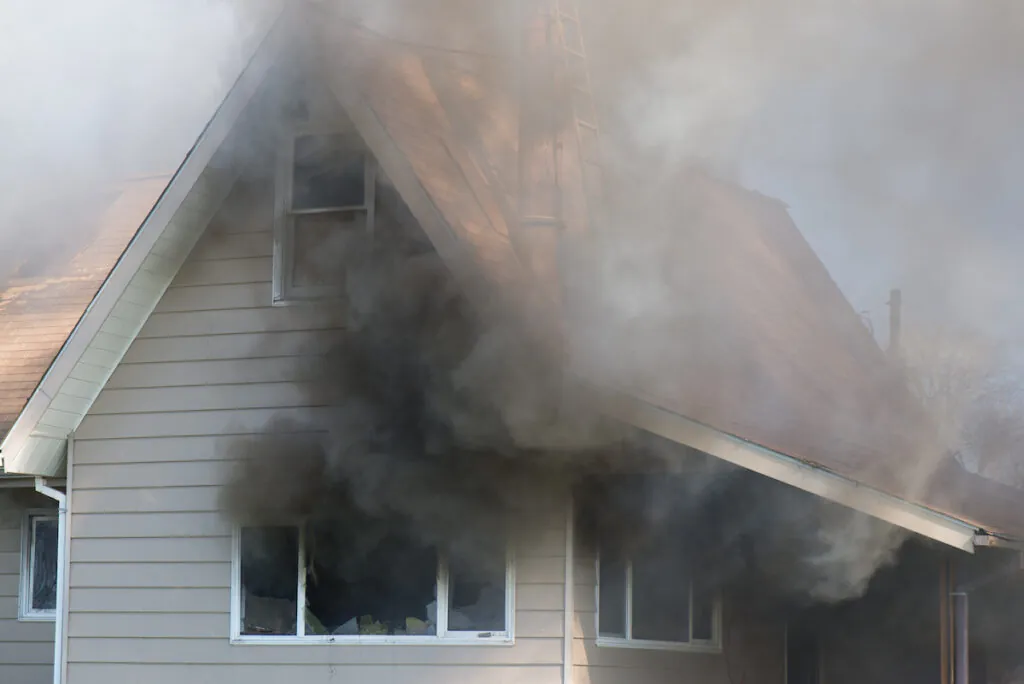
Even after a fire is extinguished, smoke, soot, and odor can continue to affect your home. Fire damage restoration services address visible damage while also helping reduce lingering effects that impact indoor air quality and surfaces.
Explore Our Fire and Smoke Damage Restoration Services
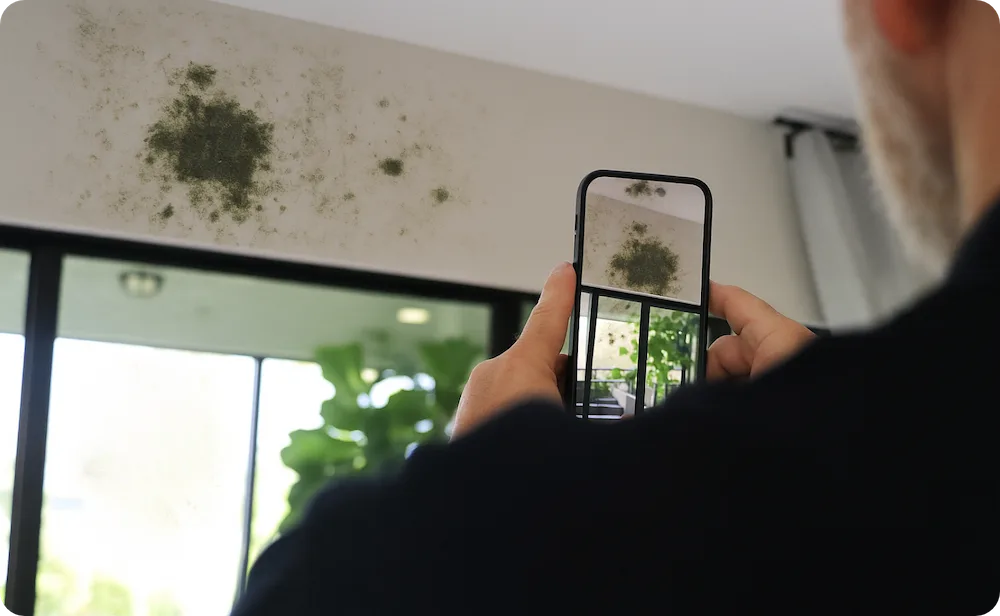
Mold often develops as a result of unresolved moisture or hidden water damage. Professional mold remediation helps identify affected areas, contain growth, and restore healthy indoor conditions.
Explore Our Mold Removal and Remediation Services
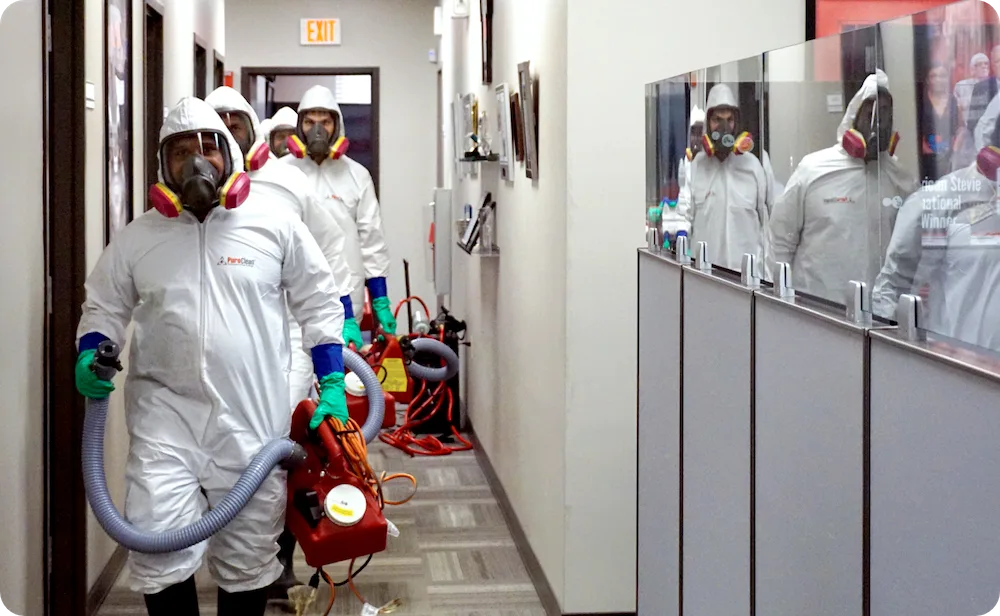
Biohazard situations, including crime scene cleanup and virus decontamination, require specialized cleaning and handling to protect health and safety. Biohazard cleanup services address contamination using proper protocols and professional care.
Explore Our Biohazard Cleanup Services
In some cases, property damage requires repairs beyond cleanup and mitigation. Reconstruction services help restore damaged areas of the home after water, fire, or other incidents, supporting a smoother transition from damage to recovery.
Explore Our Reconstruction Services Services
Expert commercial water damage restoration for Waxahachie, TX businesses. PuroClean of Waxahachie provides rapid water extraction, structural.
Explore Our Commercial Water Damage Restoration Services
Professional commercial fire and smoke damage restoration for Waxahachie, TX businesses. PuroClean of Waxahachie provides fire damage cleanup, smoke.
Explore Our Commercial Fire Damage Restoration Services
Licensed commercial biohazard cleanup and decontamination for Waxahachie, TX businesses. PuroClean of Waxahachie provides biohazard remediation, trauma.
Explore Our Commercial Biohazard Cleanup Services
Certified commercial mold remediation and prevention for Waxahachie, TX businesses. PuroClean of Waxahachie provides mold assessment, contained.
Explore Our Commercial Mold Remediation Services
Water damage can result from unexpected leaks, flooding from storms, plumbing failures, or appliance malfunctions. Our certified teams focus on rapid water removal, drying, and stabilization to help prevent further damage and mold growth.
Explore Our Water Damage Mitigation Services
Water and property damage restoration questions specific to Britton, Texas homeowners and property owners
Properties along FM 661 near the Joe Pool Lake shoreline in the Britton area can fall within or near a mapped Special Flood Hazard Area, and mortgage lenders often require NFIP flood coverage for homes in these zones regardless of how far back from the water the structure sits. Standard HO-B homeowner’s policies exclude surface water and lake-related flooding entirely — they only cover sudden, accidental water events from internal sources like burst pipes or appliance failures. If your Britton-area property has never been formally assessed for flood zone status, we recommend checking with your insurance agent, since rising lake levels after heavy regional rainfall can push water onto properties that historically sat well above the shoreline.
Homes in the original Britton townsite area — near the historic Britton Methodist Church and cemetery grounds — were built well before modern plumbing, insulation, and drywall standards existed, and many have been added onto multiple times over the decades. That means a single water event can affect several different generations of building materials at once: old plaster and lathe in the original structure, paper-faced drywall in a 1960s or 1970s addition, and OSB subfloor in a more recent remodel. We use thermal imaging to map moisture across all of these material types separately, since each dries at a different rate and has a different equilibrium moisture content target under IICRC S500 standards.
Britton’s split jurisdiction — part of the community falls within the City of Mansfield in Tarrant County, while the rest remains unincorporated Ellis County — occasionally causes confusion for homeowners trying to figure out which municipal services or permitting offices apply to their property. For insurance purposes, this division does not matter: your policy is determined by your insurance carrier and address, not by which county or city jurisdiction your property falls under. PuroClean of Waxahachie serves the entire Britton community on both sides of the county line, and our Xactimate-compatible documentation and adjuster communication process is identical regardless of whether your property’s permitting authority is Mansfield or Ellis County.
Yes — we regularly respond to water damage in barns, equipment sheds, and agricultural outbuildings throughout the rural areas surrounding Britton, where farming has been part of the local economy since the days of the original Britton grain elevator and cotton gins. These structures often have concrete slab floors, metal siding, and stored equipment or feed that can be damaged by standing water and the humidity that follows. We extract standing water, deploy commercial dehumidification to protect equipment from corrosion, and document the loss for your farm or commercial property policy. If the structure also serves as storage for a residence, we coordinate both scopes under one project.
A frozen and burst supply line is a Category 1 clean water loss at the moment of failure, but several hours of unaddressed flow — especially into wall cavities, subfloor assemblies, or carpet and pad — can begin shifting toward Category 2 conditions as materials absorb moisture and microbial activity starts. Your first step is to shut off the water main if it has not been done already, then call PuroClean for emergency extraction and drying. Your HO-B policy’s duty-to-mitigate clause means prompt action protects your claim rather than waiting for adjuster approval. We document baseline moisture readings immediately so the loss is classified accurately from the start, supporting an appropriate replacement cost value scope with your carrier.
Properties along FM 661 near the Joe Pool Lake shoreline in the Britton area can fall within or near a mapped Special Flood Hazard Area, and mortgage lenders often require NFIP flood coverage for homes in these zones regardless of how far back from the water the structure sits. Standard HO-B homeowner’s policies exclude surface water and lake-related flooding entirely — they only cover sudden, accidental water events from internal sources like burst pipes or appliance failures. If your Britton-area property has never been formally assessed for flood zone status, we recommend checking with your insurance agent, since rising lake levels after heavy regional rainfall can push water onto properties that historically sat well above the shoreline.
Homes in the original Britton townsite area — near the historic Britton Methodist Church and cemetery grounds — were built well before modern plumbing, insulation, and drywall standards existed, and many have been added onto multiple times over the decades. That means a single water event can affect several different generations of building materials at once: old plaster and lathe in the original structure, paper-faced drywall in a 1960s or 1970s addition, and OSB subfloor in a more recent remodel. We use thermal imaging to map moisture across all of these material types separately, since each dries at a different rate and has a different equilibrium moisture content target under IICRC S500 standards.
Britton’s split jurisdiction — part of the community falls within the City of Mansfield in Tarrant County, while the rest remains unincorporated Ellis County — occasionally causes confusion for homeowners trying to figure out which municipal services or permitting offices apply to their property. For insurance purposes, this division does not matter: your policy is determined by your insurance carrier and address, not by which county or city jurisdiction your property falls under. PuroClean of Waxahachie serves the entire Britton community on both sides of the county line, and our Xactimate-compatible documentation and adjuster communication process is identical regardless of whether your property’s permitting authority is Mansfield or Ellis County.
Yes — we regularly respond to water damage in barns, equipment sheds, and agricultural outbuildings throughout the rural areas surrounding Britton, where farming has been part of the local economy since the days of the original Britton grain elevator and cotton gins. These structures often have concrete slab floors, metal siding, and stored equipment or feed that can be damaged by standing water and the humidity that follows. We extract standing water, deploy commercial dehumidification to protect equipment from corrosion, and document the loss for your farm or commercial property policy. If the structure also serves as storage for a residence, we coordinate both scopes under one project.
A frozen and burst supply line is a Category 1 clean water loss at the moment of failure, but several hours of unaddressed flow — especially into wall cavities, subfloor assemblies, or carpet and pad — can begin shifting toward Category 2 conditions as materials absorb moisture and microbial activity starts. Your first step is to shut off the water main if it has not been done already, then call PuroClean for emergency extraction and drying. Your HO-B policy’s duty-to-mitigate clause means prompt action protects your claim rather than waiting for adjuster approval. We document baseline moisture readings immediately so the loss is classified accurately from the start, supporting an appropriate replacement cost value scope with your carrier.
What Our Customers Say:
When you need water damage restoration services near you, call the experts at PuroClean. We are here day or night, 24/7, to help remove any standing water quickly and begin your water restoration service. We monitor the drying process so you can rest assured that your property is dried thoroughly. We offer commercial water restoration services for businesses and residential water damage restoration for homeowners.

PuroClean of Waxahachie
(945) 259-7876
201 Panorama Loop #300, Waxahachie, TX 75165


© 2026 PuroClean. All Rights Reserved.