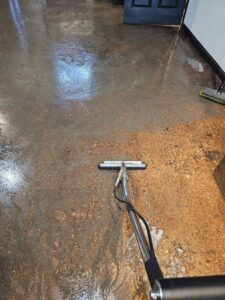
When water hits an active property, the goal isn’t just cleanup—it’s keeping guest-facing and customer areas functional while the affected zone is stabilized and dried. PuroClean of Waxahachie helps hospitality and high-traffic operators control the footprint of damage, protect brand standards, and reopen in phases with documented drying milestones.
You have to isolate the affected zone while keeping unaffected, customer-facing areas functional. Every hour without extraction and controlled drying expands the wet footprint into flooring, wall cavities, and shared assemblies—raising disruption, rebuild scope, and secondary mold risk. Commercial mitigation succeeds when drying is verified, access is controlled, and re-entry happens by milestones instead of “all at once.”
Wind-driven rain can push water past roof edges, windows, or façade gaps and wet multiple suites or corridors before anyone sees it. We set containment to segregate the impacted wing/suites, protect adjacent tenant areas, and start extraction and dehumidification fast to keep the drying window from expanding. Property management gets a staged access plan so unaffected tenants can keep operating while the wet zone is stabilized.
Heavy downpours can overwhelm surface drainage and leave standing water that wicks across slab-on-grade flooring into lower drywall and fixtures. We prioritize rapid extraction, then isolate drying zones so merchandise areas and customer routes can remain open where safe. Moisture mapping and ongoing readings help keep the scope evidence-based—especially when water has traveled under finishes.
High humidity and layered assemblies can slow dry-out and hide moisture in insulation, cabinets, or flooring systems—creating conditions for mold if drying isn’t controlled and verified. We use targeted drying strategies, air movement, and dehumidification with documented moisture targets before areas are cleared for normal use. This approach supports phased re-occupancy rather than closing an entire property until the last room is finished.
In attached commercial units, water can migrate through shared walls, ceilings, and mechanical chases and show up days later in an adjacent suite. We establish containment boundaries, check likely pathways with moisture detection, and coordinate inspections with stakeholders to reduce surprises. The goal is to catch hidden spread early and keep the “clean” side of the building operational.
multi-tenant commercial building, retail, mixed_use, offices, light-industrial spaces, multi-suite / attached units with shared walls
Segregating the affected wing or suite line with temporary barriers and, when needed, negative-pressure containment and air scrubbing to protect adjacent areas. For hospitality and high-traffic sites, we plan safe pedestrian routes and access segregation so staff and customers avoid the work zone while extraction and drying continue. Re-entry is milestone-based—areas reopen as moisture targets are met and documented, with clearance steps before the affected zone returns to normal use.
Moisture mapping, photos, equipment readings, and drying logs that show progress and support scope justification. PuroClean of Waxahachie can coordinate communication with your carrier, adjuster, or TPA as appropriate, and provide rapid reporting to keep approvals and next steps moving. This helps property managers and facilities teams track what’s open, what’s restricted, and what is cleared for re-occupancy.
In this market, humidity can extend commercial drying timelines, so proof of complete drying (not just visible dryness) matters for reopening decisions and preventing secondary mold. Heavy downpours can also overwhelm surface drainage and create recurring lower-level seepage that wicks into slab-on-grade flooring and lower wall materials. That combination makes early extraction, tight containment, and evidence-based moisture verification especially important for mixed-use and multi-suite properties.
PuroClean of Waxahachie is equipped to manage water losses in active commercial environments by building the project around zone isolation, negative-pressure containment when needed, and phased re-occupancy planning. Our IICRC-licensed technicians follow a disciplined speed-to-dry approach—rapid extraction, controlled dehumidification, and documented verification—so reopening decisions are based on measured milestones. We’re available 24/7 for emergencies and keep stakeholders aligned with clear updates designed for multi-party commercial sites.
What Our Customers Say:
Find answers to common questions about our services
We start by defining “clean” and “affected” zones, then segregate the impacted wing/rooms/aisles with temporary barriers and controlled access points. We plan safe pedestrian routes and staff-only paths, and place drying equipment to minimize disruption while still achieving drying targets. What stays open depends on the water category, affected materials, and air-management needs.
We use moisture mapping and repeated readings in flooring, drywall, and other assemblies to confirm drying progress and document when targets are met. We also evaluate likely hidden pathways (wall cavities, under-floor areas, and shared chases) so reopening isn’t based only on surface appearance. You’ll receive logs and photos to support internal sign-off and claims.
Containment stays up as long as it takes to complete extraction, achieve controlled drying, and prevent cross-traffic into the affected zone. In many commercial settings, barriers can be adjusted as rooms, suites, or sections reach documented milestones and are cleared for re-entry. We coordinate changes with your operations team so access evolves without compromising the drying plan.
Yes—phased work is often the best way to keep operations running. We can schedule higher-noise or higher-visibility tasks during off-peak times, while continuing drying and monitoring in contained areas. The plan is built around which areas must stay accessible and what safety/air-management controls are required.
We control airflow so the affected zone doesn’t push damp air or debris into occupied areas, using air scrubbing and negative-pressure containment when conditions call for it. We also plan equipment placement and return-air considerations to reduce the chance of cross-contamination through shared ventilation paths. This is especially important in attached units and multi-tenant layouts.
A single water loss can ripple through your entire business — affecting tenants, disrupting workflows, and risking long-term structural damage. We deploy 24/7 with commercial-grade equipment and expertise to protect your property and keep your business running. You don’t have time for guesswork — you need a team that arrives fast, understands commercial environments, and gets your facility stabilized without delay.
Call Our Commercial Response Team at
(945) 259-7876
Contact Us
PuroClean of Waxahachie
(945) 259-7876
201 Panorama Loop #300, Waxahachie, TX 75165


© 2026 PuroClean. All Rights Reserved.