24/7 Emergency Flood Damage Cleanup Lancaster Services in Palmdale, CA
Flood damage in Lancaster can affect flooring, drywall, insulation, cabinets, furniture, and structural materials within a short period of time. Water may enter from storms, plumbing failures, roof leaks, overflowing fixtures, exterior drainage problems, or other sudden events and then spread into areas that are not immediately visible.
PuroClean of West Antelope Valley provides professional flood damage cleanup in Lancaster for homes and businesses affected by standing water, saturated building materials, and hidden moisture. Depending on the source and severity of the loss, cleanup may include water extraction, moisture detection, removal of damaged materials, structural drying, cleaning, and restoration planning.
Flood damage can result from exterior water intrusion or from a sudden water release inside the property. The source matters because it affects the cleanup methods, contamination concerns, and materials that may be restored.
Common causes include:
When flooding begins with a plumbing failure, the water may spread rapidly through multiple rooms before the source is shut off. If a broken pipe caused the loss, our burst pipe water damage cleanup in Lancaster service addresses the resulting extraction, hidden moisture, and structural drying.
The first priority after discovering flooding is to protect people from unsafe conditions and stop additional water from entering the property when it can be done safely.
Consider the following:
A flooded room may contain more moisture than the visible water suggests. Flooring, drywall, cabinets, and insulation can absorb water while it continues moving into adjoining areas.
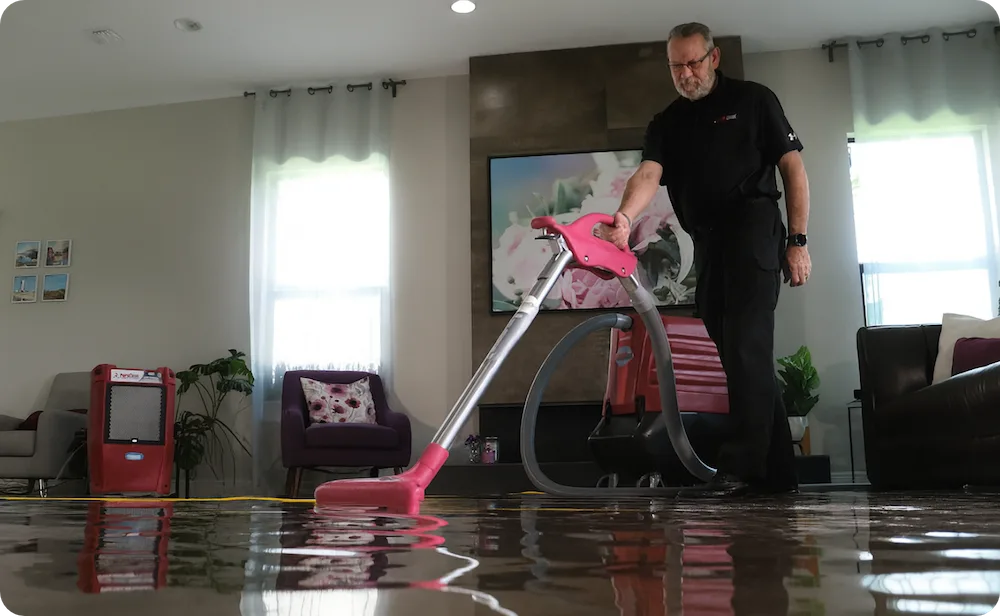
Water extraction removes standing and pooled water from affected areas and is typically one of the first steps after significant flooding.
Professional extraction equipment can remove large amounts of water more efficiently than household wet vacuums, towels, or ordinary cleaning equipment. Removing excess water also reduces the amount of moisture that must later be removed through evaporation and dehumidification.
For major water losses, PuroClean also provides emergency water damage extraction for properties with significant standing water.
Water extraction is not the same as complete structural drying. Our guide to water extraction vs. water mitigation explains why removing visible water is only one part of the restoration process.
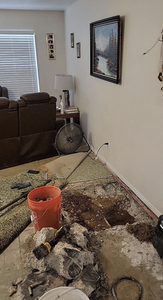
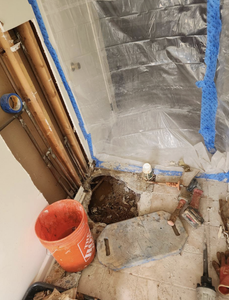
Flood water can move underneath and behind finished surfaces even after the visible water has been removed.
Hidden moisture may remain:
Our guide to water under flooring explains why a floor can appear dry while moisture remains trapped below the visible surface.
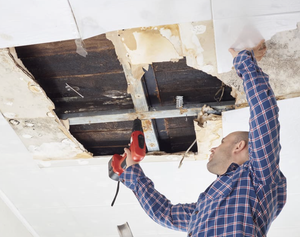
If flood water has spread into a ceiling or lower level, our ceiling water damage cleanup in Lancaster service addresses moisture affecting ceiling drywall, insulation, and surrounding materials.
Flood water can affect many materials at the same time. The restoration approach depends on the water source, amount of saturation, duration of exposure, contamination level, and ability of each material to dry effectively.
Carpet and padding can hold a large amount of water. Whether they can be dried and restored depends on the water source, material condition, and degree of contamination.
Water can move through seams and perimeter gaps and become trapped below laminate, vinyl, wood, tile assemblies, and other finished flooring.
Drywall can absorb water through direct contact and upward wicking. Moisture may also affect insulation and framing behind the visible surface.
Cabinet bases, toe kicks, and engineered wood products can absorb water and conceal moisture underneath or behind them.
Flooding from upper floors or roof intrusion can saturate ceiling drywall and insulation. Sagging or actively leaking ceiling sections should be approached cautiously.
Subflooring, joists, framing, and other structural wood may absorb moisture and require controlled drying and moisture monitoring.
Not all flood water should be treated the same way. Water entering from outdoors, drains, sewage systems, or other potentially contaminated sources may contain microorganisms, soil, organic material, chemicals, or other contaminants.
The source and condition of the water influence whether materials can be cleaned and restored or should be removed.
If flooding involves a sewer or drain backup, contaminated materials may require specialized handling. Our biohazard cleanup services in Lancaster address broader biological contamination concerns.
Sewage-affected losses should also be approached differently from ordinary clean-water flooding because porous materials can absorb contaminated wastewater.
Every flood loss is different. PuroClean of West Antelope Valley evaluates the source, amount of water, affected materials, contamination concerns, and extent of moisture migration before establishing the restoration plan.
The source of the flooding should be stopped or controlled whenever possible. Depending on the cause, this may require a plumber, roofer, drainage contractor, HVAC technician, or another appropriate professional.
We evaluate the visibly flooded area and inspect nearby rooms, walls, flooring, ceilings, cabinets, and other materials that may have been affected.
The source of the water and conditions inside the property help determine appropriate cleanup methods and whether contamination concerns are present.
Professional extraction equipment is used to remove standing and pooled water from accessible affected areas.
Moisture-detection equipment can help locate wet materials that are not obvious through visual inspection alone.
Flooring, drywall, insulation, cabinetry, and other materials are evaluated according to condition, saturation, contamination, and ability to dry effectively.
Materials that are significantly damaged, contaminated, unstable, or preventing access to concealed moisture may require selective removal.
Air movers, dehumidifiers, and other professional drying equipment may be positioned to reduce moisture in affected materials and control humidity.
Moisture readings can be used throughout the project to track progress and determine when affected materials are approaching appropriate drying goals.
Once affected materials have been dried or removed as necessary, the property can be prepared for flooring, drywall, baseboard, cabinet, paint, or other restoration work.
Removing standing water does not mean the structure is completely dry. Flood water can remain inside drywall, framing, flooring, insulation, and other porous materials after the visible water has been extracted.
Professional structural drying may involve:
Learn more about our structural drying services and how professional drying addresses moisture remaining after extraction.
Our guide to water extraction and drying equipment explains how pumps, extraction equipment, air movers, dehumidifiers, and moisture-detection tools may be used during a water-loss project.
Flooding can create conditions that support mold growth when drywall, wood, carpet, insulation, cabinets, or other organic materials remain damp.
Hidden moisture can be especially important because affected materials may continue holding water after visible puddles disappear.
Prompt extraction and structural drying help reduce the amount of time materials remain wet. Materials that cannot be effectively dried or that have been contaminated may require removal.
If flooding has reached attic materials or is connected to a roof leak, PuroClean also provides attic mold cleanup in Lancaster when moisture has contributed to mold growth in the attic.
PuroClean of West Antelope Valley approaches flood damage as both a water-removal and hidden-moisture problem. We evaluate where the water originated, how far it traveled, which materials were affected, and what is required to remove moisture from the structure.
A flooded property may involve flooring, drywall, cabinets, insulation, ceilings, framing, and adjoining rooms at the same time. Evaluating the complete affected area helps reduce the possibility that visible water is removed while moisture remains hidden elsewhere.
Our West Antelope Valley team provides flood damage cleanup and water damage restoration for Lancaster and surrounding Antelope Valley communities. Whether the loss involves storm intrusion, a burst pipe, slab leak, roof leak, ceiling leak, appliance failure, or another water source, the goal is to remove excess water and begin appropriate drying as quickly as practical.
For plumbing-related flooding, see our burst pipe water damage cleanup in Lancaster and slab leak water damage cleanup in Lancaster services.
Stop the source of the water when it is safe to do so, avoid standing water near electrical equipment, keep children and pets away from affected areas, and move unaffected belongings when practical. Significant standing water should be professionally removed as soon as practical.
Flood water should generally be addressed as soon as practical because moisture can continue spreading into flooring, drywall, insulation, cabinets, and concealed building materials while the property remains wet.
Yes. Water can move through seams, perimeter gaps, transitions, and other openings and become trapped beneath carpet, laminate, vinyl, wood, tile assemblies, and other flooring systems.
Not always. The decision depends on the water source, amount of saturation, contamination, physical condition of the drywall, and whether the wall assembly can be effectively dried. Severely damaged or contaminated drywall may require removal.
Yes. Flooding can create conditions that support mold growth when building materials remain damp. Prompt water removal, moisture detection, and structural drying help reduce prolonged moisture exposure.
It depends on the source. Water from a clean plumbing supply may present different conditions from storm runoff, sewage, drain backups, or water that has contacted contaminated materials. The water source and conditions inside the property should be evaluated before determining the appropriate cleanup approach.
Coverage depends on the policy and the cause of the water damage. Plumbing losses, roof-related water intrusion, storm flooding, sewer backups, and groundwater may be treated differently under an insurance policy. Property owners should contact their insurance carrier or adjuster regarding their specific coverage.
The timeline depends on the amount of water, size of the affected area, water source, contamination, materials involved, required removal, and structural drying conditions. An on-site evaluation is needed to determine the appropriate scope and expected timeline.
If flooding has left standing water, wet flooring, damaged drywall, saturated cabinets, ceiling stains, or hidden moisture in your Lancaster home or business, PuroClean of West Antelope Valley can evaluate the affected areas and develop an appropriate cleanup and drying plan.
Removing visible water is only the first step. Professional flood damage cleanup also addresses moisture that may have traveled beneath flooring, behind walls, and into other concealed building materials.
“`
What Our Customers Say:
Find answers to common questions about our services
PuroClean of West Antelope Valley offers a full suite of commercial restoration services, including water, fire, mold, biohazard, and storm damage recovery. We also provide emergency board-up, structural drying, and reconstruction services.
Our teams are equipped to manage both local and large-loss commercial projects with consistent quality, safety, and communication.
PuroClean of West Antelope Valley regularly collaborates with insurance carriers, TPAs, and risk management teams to manage commercial property restoration claims. We provide detailed drying logs, scope documentation, and photo/video reporting for every project in Palmdale, CA.
Our Certified Priority Response (CPR) Program ensures fast contact, on-site inspection within hours, and rapid reporting, meeting the timelines insurers and clients expect for large-scale commercial losses.
PuroClean of West Antelope Valley handles nearly every commercial loss scenario, including commercial water damage restoration, fire and smoke damage, mold remediation, sewage cleanup, chemical spills, and biohazard decontamination.
We can also manage full reconstruction when structural repair is needed. Our national network allows us to scale from localized events to large-loss recovery, maintaining consistent quality and communication across every project.
Yes. Our commercial restoration services can be scheduled to accommodate any occupancy or business operation needs. Our top priority is always safety and excellent customer service, so you can count on PuroClean of West Antelope Valley to work with your business to restore it to pre-loss conditions and help reduce business downtime.
The cost of commercial restoration depends on factors like the extent of damage, size, and complexity of the property, and whether reconstruction or contents cleaning is required. The category of water (clean vs. contaminated) and response time also impact cost.
PuroClean of West Antelope Valley provides transparent estimates, detailed scopes, and proactive communication if additional work becomes necessary.
Water damage can result from unexpected leaks, flooding from storms, plumbing failures, or appliance malfunctions. Our certified teams focus on rapid water removal, drying, and stabilization to help prevent further damage and mold growth.
 Explore Our Water Damage Mitigation Services
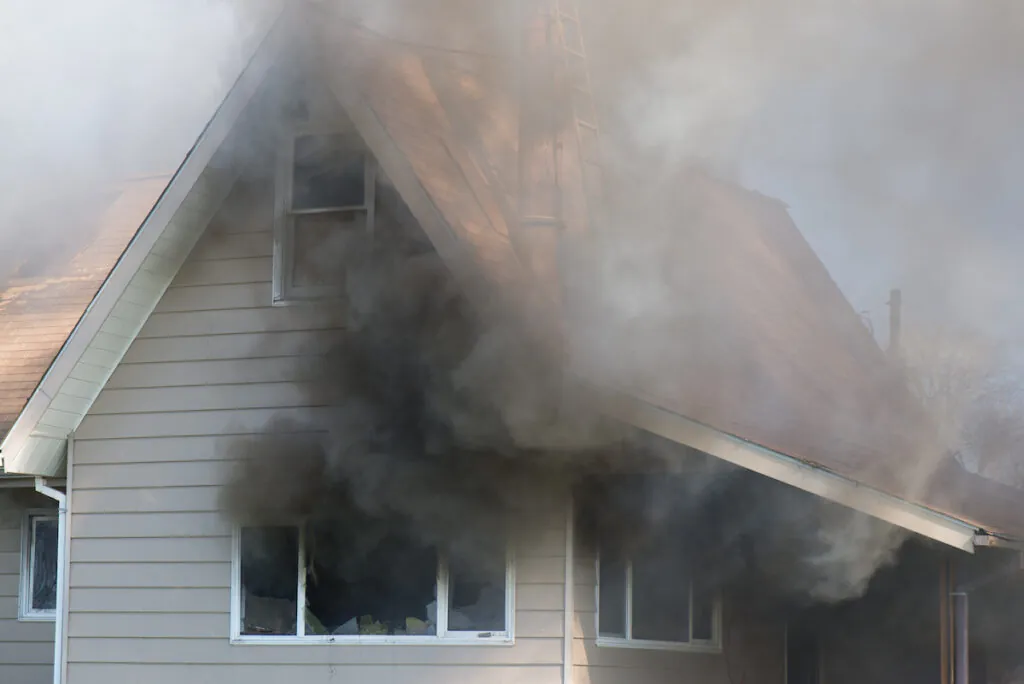
Even after a fire is extinguished, smoke, soot, and odor can continue to affect your home. Fire damage restoration services address visible damage while also helping reduce lingering effects that impact indoor air quality and surfaces.
Explore Our Fire and Smoke Damage Restoration Services
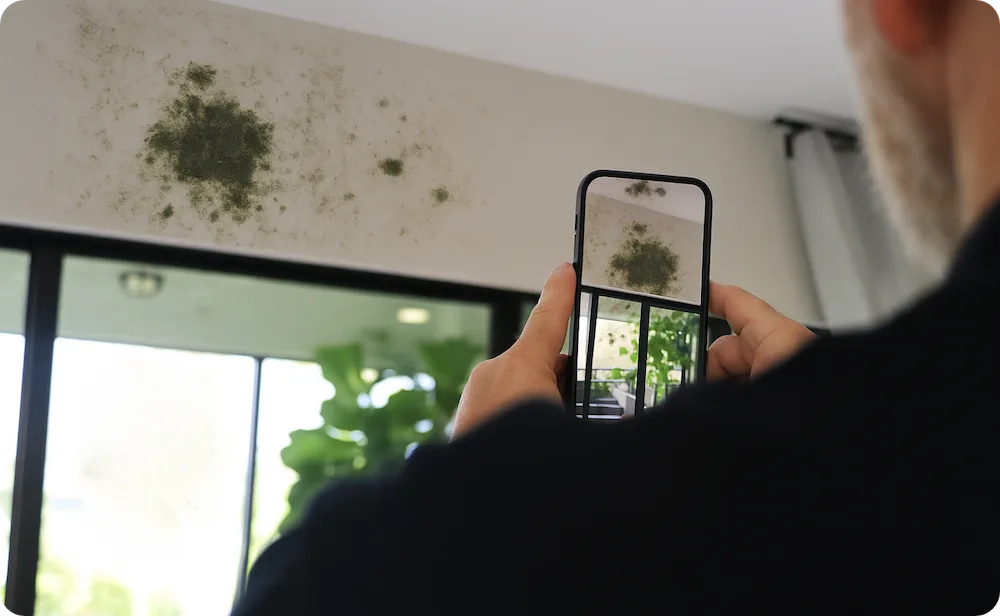
Mold often develops as a result of unresolved moisture or hidden water damage. Professional mold remediation helps identify affected areas, contain growth, and restore healthy indoor conditions.
Explore Our Mold Removal and Remediation Services
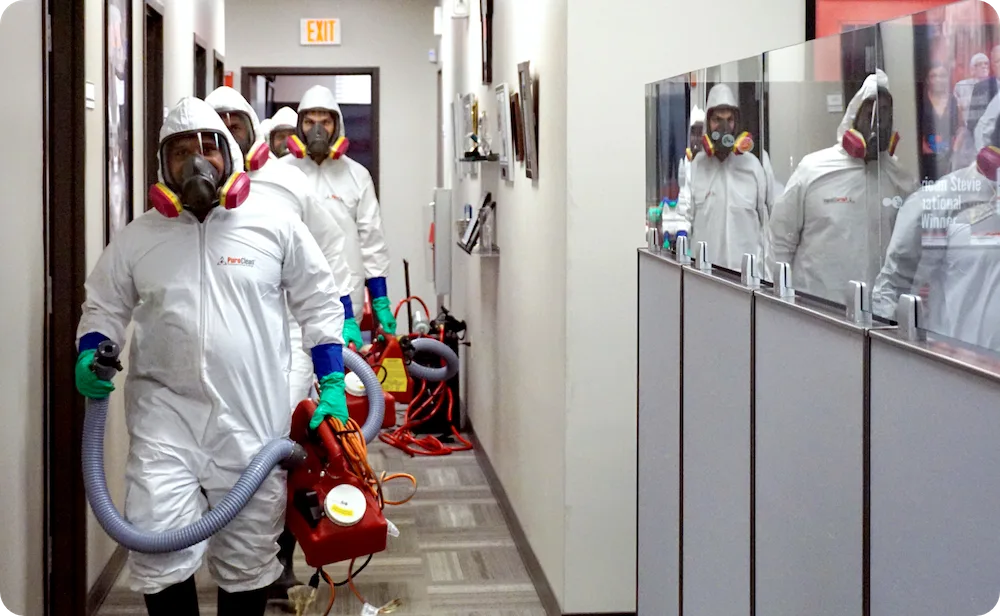
Biohazard situations, including crime scene cleanup and virus decontamination, require specialized cleaning and handling to protect health and safety. Biohazard cleanup services address contamination using proper protocols and professional care.
Explore Our Biohazard Cleanup Services
In some cases, property damage requires repairs beyond cleanup and mitigation. Reconstruction services help restore damaged areas of the home after water, fire, or other incidents, supporting a smoother transition from damage to recovery.
Explore Our Reconstruction Services Services
PuroClean provides 24/7 commercial property damage restoration services for businesses and facilities across the United States.
Explore Our Commercial Services
Water damage can result from unexpected leaks, flooding from storms, plumbing failures, or appliance malfunctions. Our certified teams focus on rapid water removal, drying, and stabilization to help prevent further damage and mold growth.
Explore Our Water Damage Mitigation Services

PuroClean of West Antelope Valley
(661) 544-1885
39529 Dunbar Street, Palmdale, CA 93551


© 2026 PuroClean. All Rights Reserved.