Jump To:
The best way to protect your belongings during water damage restoration is to rescue irreplaceable items first, pack the rest by room, and store everything somewhere truly dry. Our IICRC certified team at PuroClean of Redmond/Woodinville has done this across the Greater Eastside since 2009. Floors and walls dry out. Your kid’s baby book doesn’t get a second chance.
Knowing how long you can safely wait to call the pros helps. But what you do with your stuff in the first few hours matters just as much. Here’s our playbook, pulled from more than 45 combined years of team experience.
Which Belongings Should You Rescue First?
Rescue irreplaceable and absorbent items first, starting with anything that can’t be bought again. Photos, documents, medications, and hard drives top the list. Next come rugs, cushions, books, and clothes, because they soak up water like a sponge. Heavy furniture and anything touched by sewage are best left to trained technicians.
One rule before you grab anything: if the power is still on in a flooded room, stay out and call us.
Belongings Rescue Priority (tap each tier) Tier 1: Grab First (The Irreplaceables)
Family photos, birth certificates, passports, insurance papers, medications, laptops, and heirlooms. Carry them to the highest dry spot in the house. Tier 2: Move Next (The Sponges)
Area rugs, couch cushions, books, clothes, and anything stored in cardboard. Get them off wet floors before they pull water up. Tier 3: Leave for the Pros (Heavy or Contaminated)
Waterlogged sofas, big appliances, and anything touched by sewage or floodwater. These need pro gear.
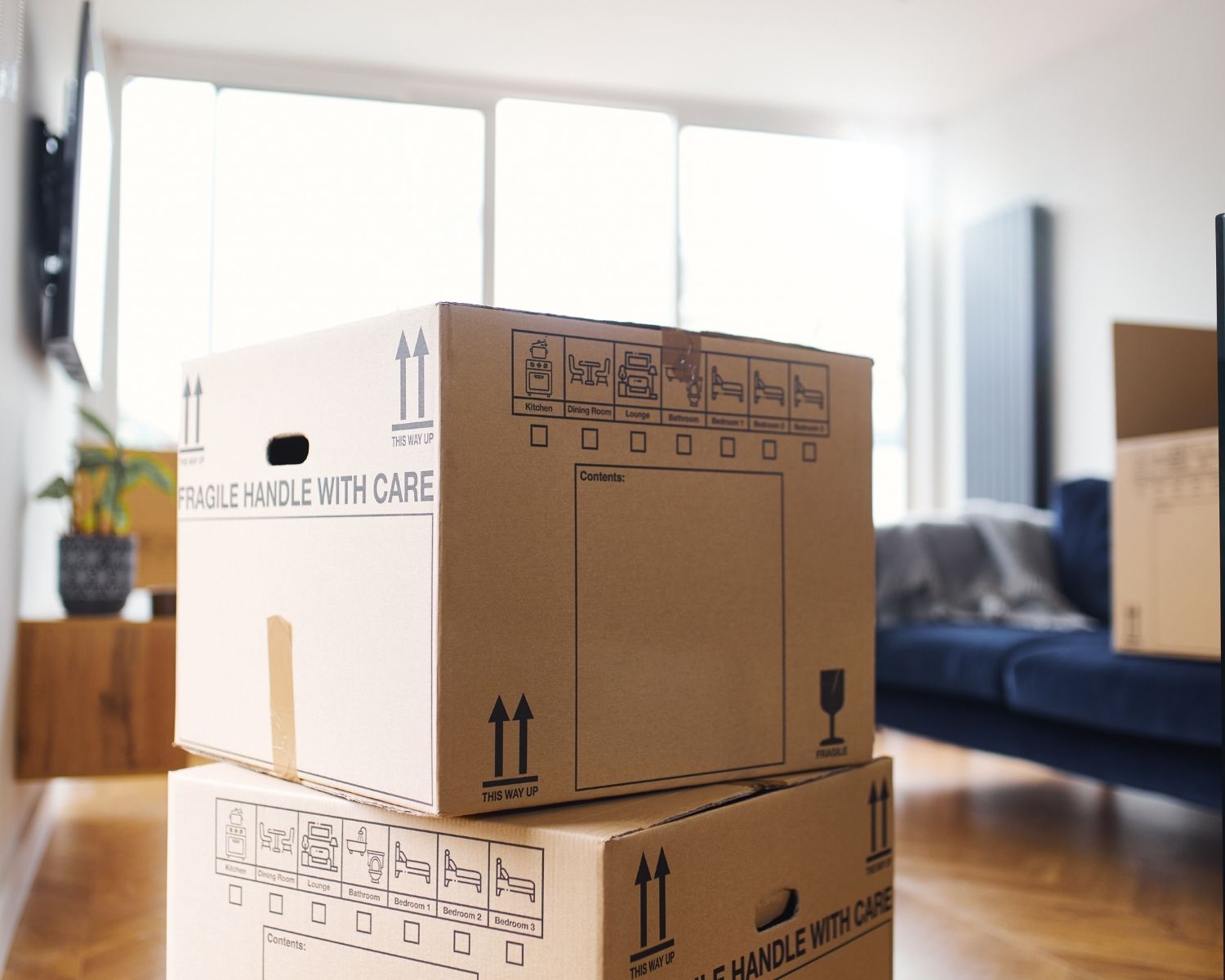
Boxes sorted by room make the move back in a whole lot easier once everything is dry.
Wet Belongings Can’t Wait Until Morning
Our crew answers 24/7, and estimates are always free. We’ll help you sort out what can be saved before more damage sets in.Learn About Contents Cleaning After Water Damage
Packing Strategies That Keep Your Stuff Safe
Smart packing during water damage cleanup means photographing everything, keeping wet and dry items apart, and labeling boxes by room. Those habits protect your items and your insurance claim at the same time. They also make unpacking a lot less painful once drying wraps up.
1. Take Photos Before You Pack
Snap wide shots of each room, then close-ups of damaged items and serial numbers. Adjusters love details. We shared more photo and paperwork tips for claims in an earlier post.
2. Keep Wet and Dry Items Apart
Never pack a damp item next to a dry one. A single wet towel can ruin a whole box of sweaters. Skip sealed plastic bins for anything damp, too, since they trap moisture right where you don’t want it.
3. Label Boxes by Room and Condition
Write the room, a short list of what’s inside, and “wet” or “dry” on every box. It sounds fussy. Future you will be thrilled.
4. Give Paper and Photos Special Care
Wet pages and prints stick together fast, so don’t try to peel them apart. Our documents drying and restoration service uses methods like vacuum freeze drying to save files and keepsakes that look like goners.
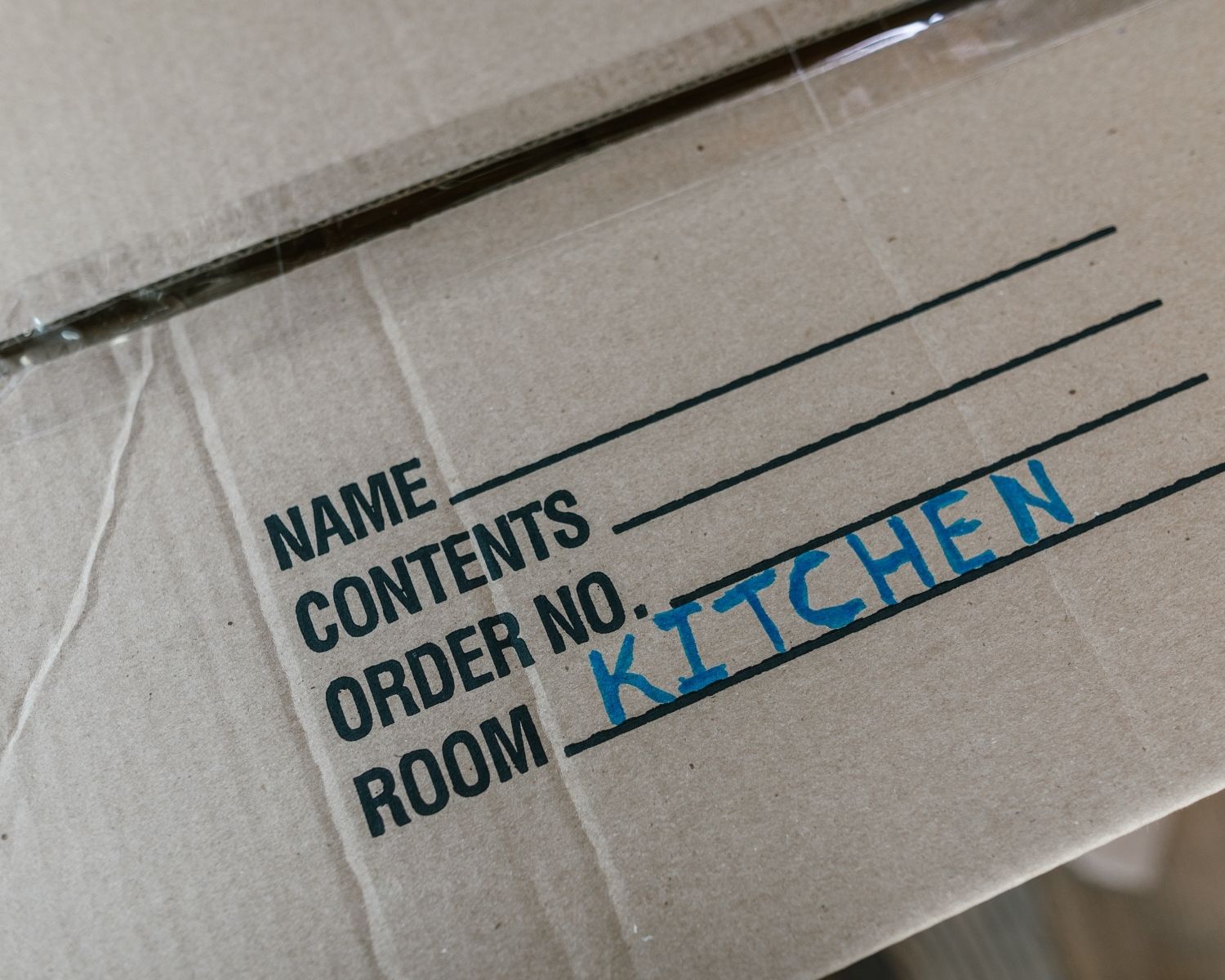
A labeled box today means no treasure hunt when it’s time to unpack.
Where Should Belongings Go While Your Home Dries?
Belongings should go somewhere dry and stable, away from the drying zone, like an upstairs room, a storage container, or a professional pack out facility. The right pick depends on how much got wet and how long drying will take. Drying usually runs several days, and basements can take longer.
| Storage Option | Best For | Watch Out For |
|---|---|---|
| Dry upstairs room | Boxes, clothes, small furniture | Keep the door shut so humid air stays out |
| Garage | Bins, tools, sturdy items | Damp fall air, so raise items off the concrete |
| Portable storage container | Bigger moves and longer drying times | Only load items that are fully dry |
| Professional pack out | Wet, fragile, or high value items | Ask for an itemized inventory first |
With a pack out, a restoration crew lists, packs, and moves your things offsite, then cleans and stores them until the house is ready. The group behind the IICRC restoration standards our technicians train on is even reviewing a new standard (S320) built just for contents.
How Can You Prevent More Damage to Items Left Behind?
You can prevent more damage to items left in place by lifting them off wet floors, letting air reach every side, and keeping electronics unplugged. Big furniture often has to stay put during drying. A few small moves now can mean the difference between a quick cleaning and a total loss.
- Slide foil squares or plastic lids under furniture legs on wet carpet to stop stains.
- Stand cushions and mattresses upright.
- Open drawers and cabinet doors gently, without forcing anything swollen.
- Don’t touch outlets, plugs, or electronics while you’re standing on a wet floor.
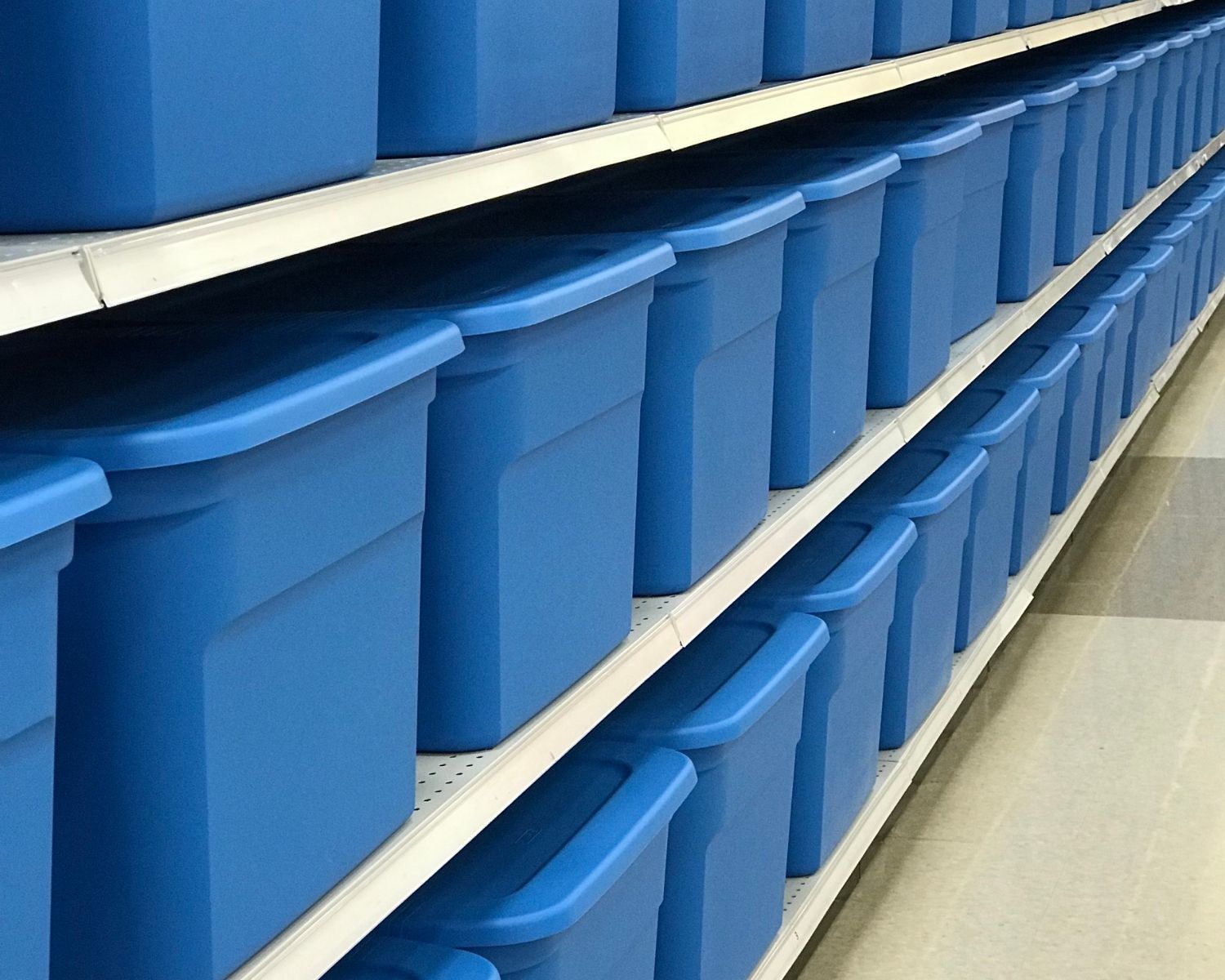
Lidded plastic totes hold up to damp air far better than cardboard if your things need to sit in a garage for a while.
After that, let the equipment do its job. If you’re curious about all that humming, here’s how dehumidifiers and air movers work together. The EPA’s flooded homes cleanup guidance is also handy for deciding what to keep, clean, or toss.
Need a Hand Saving Your Stuff?
From Woodinville and Redmond to Bothell, our team at PuroClean of Redmond/Woodinville is on call 24/7. We were named PuroClean’s 2019 Franchise of the Year, and we still treat every family photo like it’s our own. Need water damage cleanup in Kirkland or anywhere nearby? Call us anytime for a free estimate.
FAQs About Protecting Belongings During Water Damage
Should I leave my belongings in the house during water damage restoration?
Items in dry, unaffected rooms can usually stay put. Anything wet, fragile, or sitting in the work area is safer upstairs or packed out. We’ll tell you which is which during your free estimate.
Can water damaged electronics be saved?
Sometimes, as long as they weren’t powered on while wet. Don’t plug them in to test them. Leave them off until a professional checks them over, even if they look perfectly fine.
Should I throw out belongings that got wet?
Not right away. Take photos and keep damaged items until your adjuster says it’s okay to toss them. Porous items soaked by sewage are a different story and usually can’t be saved.