


Jump To
- What Drying Equipment Does
- How Air Movers Dry a Wet Floor
- Where Dehumidifiers Send the Water
- Equipment Placement Strategy
- Tracking Drying Progress
- FAQs
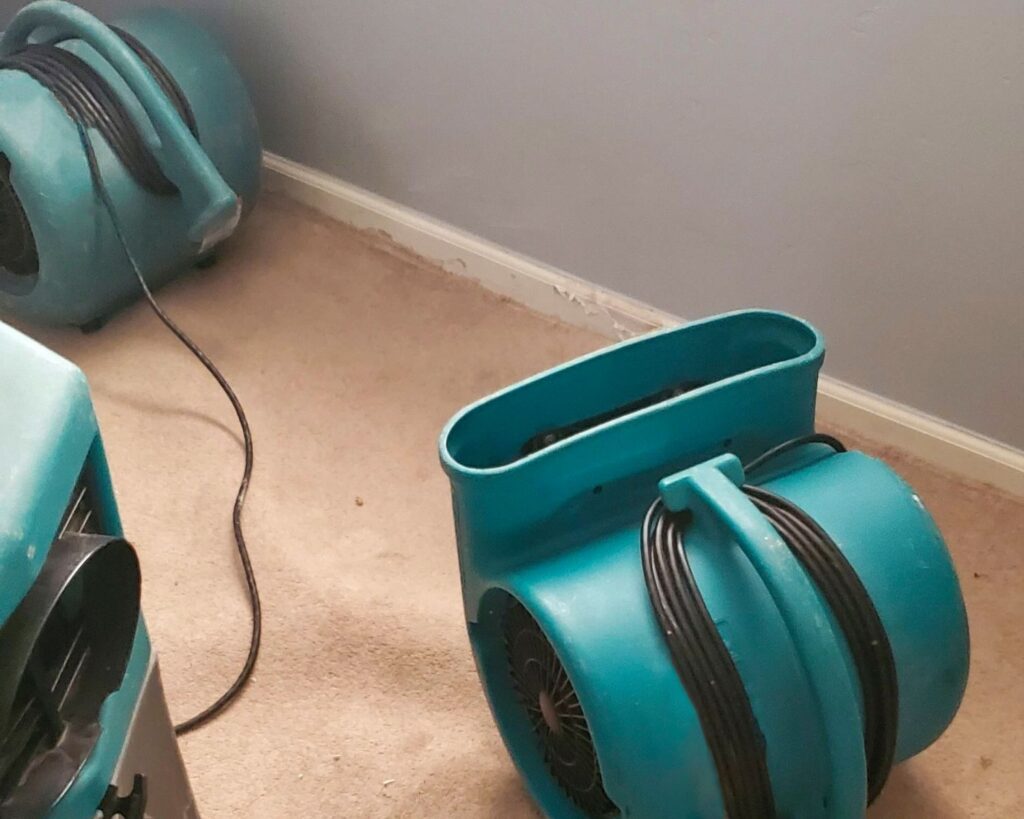
Water damage drying equipment comes down to two machines doing two very different jobs. Air movers push wet materials to release moisture. Dehumidifiers catch that moisture before it settles somewhere new. Our team at PuroClean of Redmond/Woodinville has been setting up water damage drying equipment in Eastside homes since 2009, and the pairing matters far more than the brand on the housing.
Ever walked into a house with fourteen fans running and wondered if anyone planned that? Someone did.
What Does Water Damage Drying Equipment Actually Do?
Drying equipment pulls out the water that extraction cannot reach. A portable extractor lifts standing water off the floor in an afternoon, but what’s left has already soaked into drywall, subfloor, framing, and insulation. Air movers and dehumidifiers work on that hidden water, running around the clock until readings come back to normal.
Materials give up water slowly. A wet 2×4 holds moisture for weeks, which is why the EPA’s flooded homes cleanup guidance says to dry a structure out fully before closing it up.
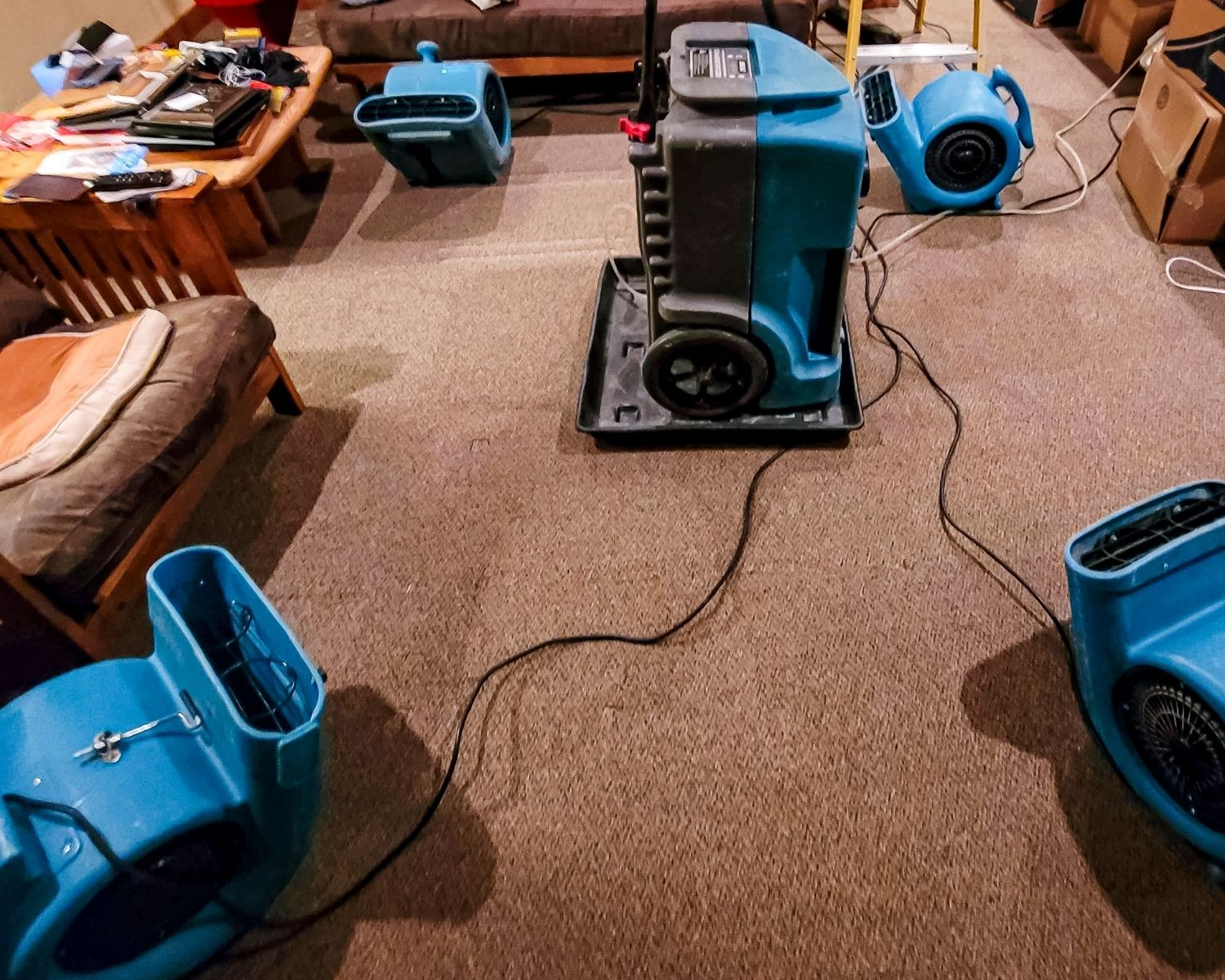
A working setup pairs airflow with moisture removal, since one without the other stalls out.
How Do Air Movers Dry a Wet Floor?
Air movers strip away the thin layer of damp air that clings to every wet surface. That still layer acts like a lid. Break it with fast moving air and the material below gives up water much faster. This is why a box fan pointed at a puddle does almost nothing.
The rough rule is one unit per 10 to 16 feet of wet wall, plus one for each corner. Angle matters too. We set them low, at 15 to 45 degrees, so air sweeps the surface instead of bouncing off it.
Wood floors get their own treatment. Hardwood cups as it dries, so we often run mat systems that pull air through the boards instead of across them. More on that in our post on water damaged hardwood flooring.
Water on the floor right now?
Every hour lets water move deeper into your walls and subfloor. We answer 24/7, estimates are free, and our IICRC certified crews bring the gear.Get Help Today
Where Do Dehumidifiers Send All That Water?
Dehumidifiers pull damp air in, chill it until the water drops out, then push warm dry air back into the room. That water gets pumped to a drain. Skip this step and the air movers just move your problem around, pushing wet air into closets, ceilings, and the room next door.
Most homes here get low grain refrigerant units. They keep pulling water long after the easy moisture is gone. They also run warm, and warm air holds more water, so air movers get more to work with.
| Air Movers | Dehumidifiers | |
|---|---|---|
| The job | Get water out of materials | Get water out of the air |
| Typical count | Several per room | One or two per zone |
| Run it alone | Damp air spreads | Deep water stays put |
Where Does the Equipment Go, and Why?
Placement is the difference between a four day dry and a two week headache. We map the wet area with meters first, then build an airflow loop that circles the room one way. Random fan placement leaves dead pockets where water just sits behind a baseboard.
- Air movers hug the walls, angled to sweep the surface, not blast the middle of the room
- Every unit faces the same direction so air keeps moving in a loop
- The dehumidifier sits in the middle, feeding its warm dry output into that loop
- Wet wall cavities get airflow through drilled holes or injection systems
- Doors stay closed and windows stay shut, which surprises people every time
That last one is worth repeating for our neighbors in Bellevue and across the Eastside. Opening a window in November does not help. Outdoor air here is often wetter than the air inside.
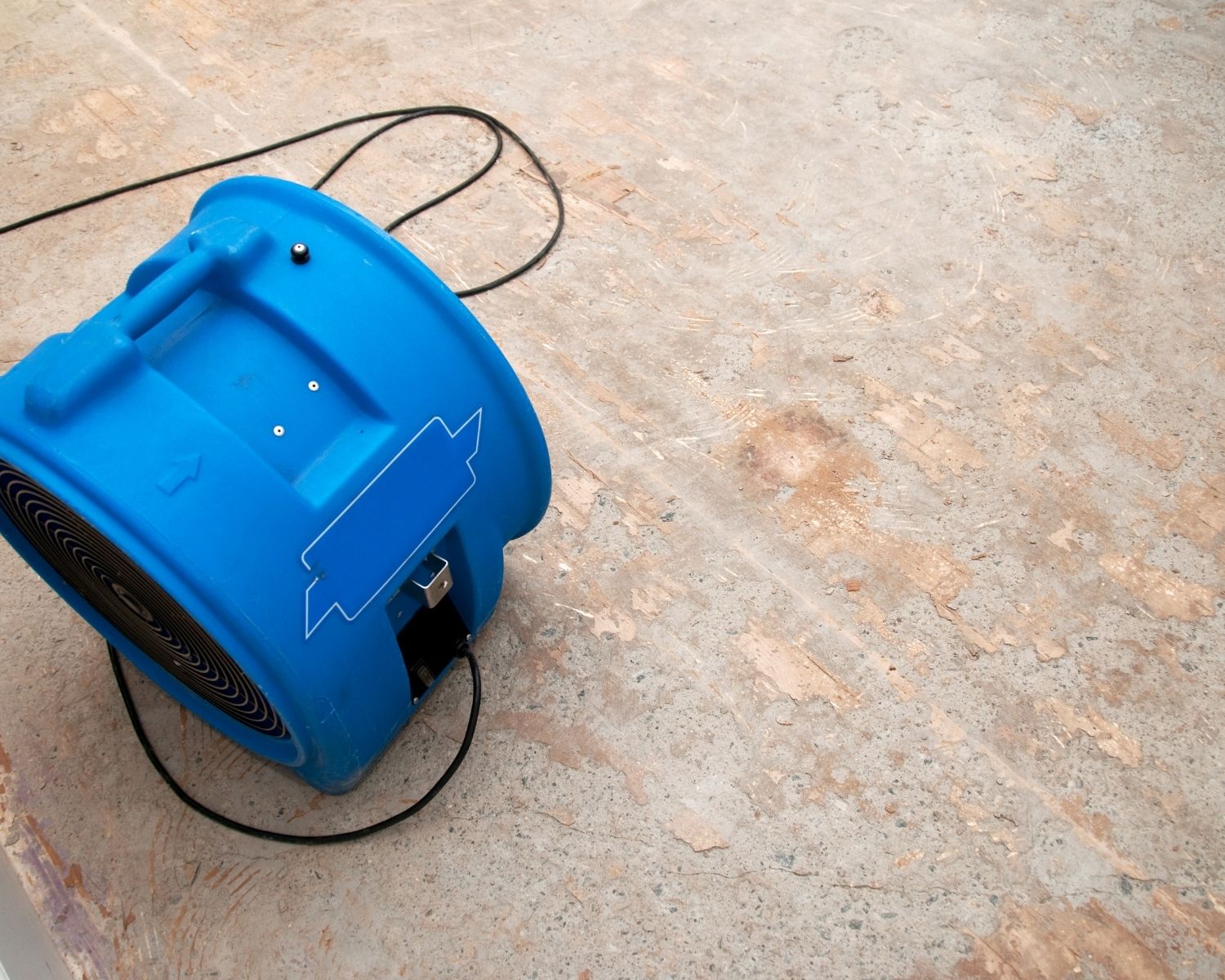
That arrow on the housing matters. Point it wrong and you are moving damp air in circles instead of across the wet surface.
How Do You Know the Drying Is Actually Working?
Numbers, not guesswork. We mark test points on day one and read those same spots every visit. Progress means wet materials are trending toward a dry standard, a reading we take from a dry part of the same house. Flat numbers mean something has to change.
Our technicians log temperature, humidity, and material moisture daily, and those logs go into your insurance file. Want the deeper version? Our guide to moisture meters and water detection equipment walks through the tools.
Typical Drying Timeline (tap to open)Day 1: Setup
Extraction, moisture mapping, gear placed, first readings logged.Days 2 to 3: Peak drying
The fastest water loss happens here. Gear shifts as wet zones shrink.Days 4 to 5: Proof
Readings hit dry standard, gear comes out room by room, the file closes.
Standards keep everyone honest. The ANSI/IICRC S500 standard for water damage restoration spells out what documented drying should look like. Our crews follow that same playbook on bigger jobs through our commercial restoration services.
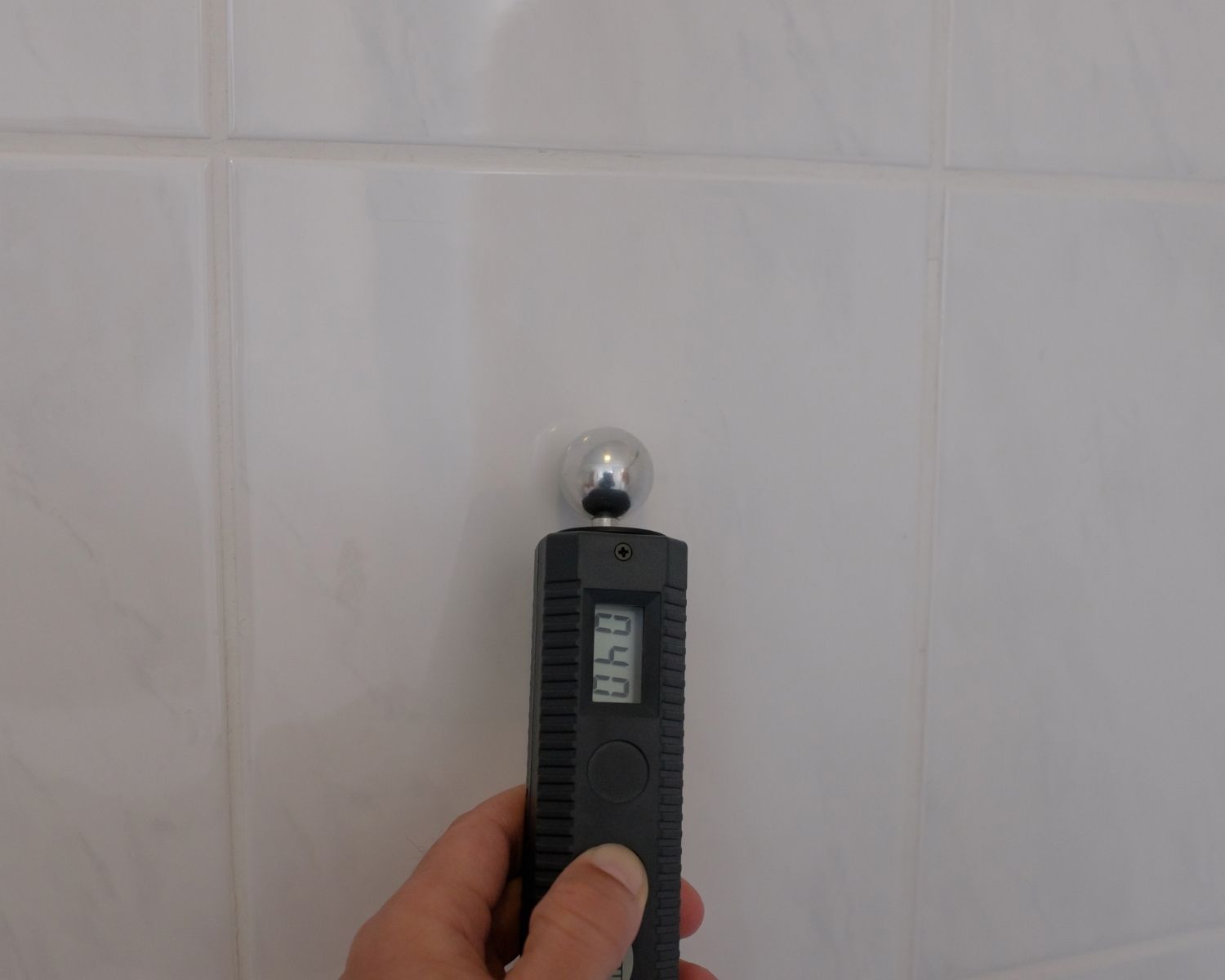
Daily readings from the same marked spots are what prove a home is dry.
Getting the Right Gear in Your Home
Drying gear is only as good as the plan behind it. Our crews cover Redmond, Woodinville, and the Greater Eastside around the clock, we handle water removal after fire and smoke damage too, and estimates are free.
Not sure who to trust? Our post on choosing a water damage restoration company covers what to ask before anyone plugs in a fan.
Frequently Asked Questions
Can I turn the drying equipment off at night?
Please don’t. Drying runs nonstop, and shutting things off for eight hours lets water soak back into materials you already dried. A stopped fan can add a full day.
How much does it cost to run air movers and dehumidifiers?
The gear does add to your power bill for the few days it runs. Many policies pay that back, so save your bill and ask your adjuster.
Why are there fans in a room that already looks dry?
Because the surface dries first and the structure behind it does not. Drywall, insulation, and framing can stay soaked while the paint feels dry to the touch.
Do I need dehumidifiers if I already have a lot of fans?
Yes. Fans alone just push wet air into other parts of your home. The two only work as a pair.