PuroClean Certified Restoration Specialists — 482 Southbridge St, Auburn, MA 01501
East Douglas grew up on a bend of the Mumford River, and that river is still the reason the village looks the way it does. Settlers moved into the area in the 1700s, and by the early 1800s the falls along the Mumford were turning waterwheels for grist mills and sawmills. When the Douglas Axe Manufacturing Company set up shop and W. E. Hayward & Company built its woolen mill at the junction of North and Cook Streets, East Douglas became the working center of town, pulling business away from the older common up the hill at Douglas Center. The Hayward Mill complex, brick sections dating to 1880, with a mill pond still held back by its dam, sits on the National Register of Historic Places today, converted into residential units but still standing exactly where the river bends. A short walk down Main Street brings you to the E. N. Jenckes Store Museum, a general store dating to the 1830s that the Douglas Historical Society now runs, one of the best-preserved 19th-century storefronts in Worcester County.
That mill-village layout, homes and businesses built close to the river on ground that was graded and filled more than a century ago for foot traffic and factory carts rather than modern stormwater management, shapes the kind of calls our Auburn crews run in East Douglas. Basements near North Street, Cook Street, and the lower end of Main Street sit close to the water table the Mumford feeds, and older foundations here were built with fieldstone and early poured concrete that were never meant to hold back a saturated water table during a spring thaw. Combine that with a housing stock heavy on Federal and Greek Revival colonials from Douglas’s textile boom, many pushing 150 years old, and you get a property base where old plumbing, old roofing, and closeness to the river load the dice toward water intrusion. Here’s what we’re called out for most:
Our Auburn crews reach East Douglas in under 20 minutes on a normal day. From the PuroClean office at 482 Southbridge St, the fastest path most days is south on I-395 (reachable from the I-290/I-90 interchange a few minutes from our door) to Route 16 East in Webster, then straight through Douglas center on Route 16 into East Douglas, where the road becomes Main Street and runs directly past the Jenckes Store Museum and the old mill pond. That route works well for equipment-loaded trucks because Route 16 stays two lanes and open the whole way, even during storm season when smaller roads through Sutton fill with downed limbs.
When I-395 is backed up, or when a job is on the west side of the village near Manchaug Road, we drop south on Route 12 through Oxford center, pick up Sutton Avenue toward Sutton, and cut over to Route 16 near Manchaug before heading into East Douglas, a routing that also lets us reach Wallis Street and the Depot Street neighborhood without circling all the way through downtown Douglas. For jobs off North Street or Cook Street, right along the river bend by the old Hayward Mill, we come in off Main Street and use Cook Street directly, which puts a truck at the curb closer to basement bulkheads than parking on Main Street would.
Because so much of East Douglas sits along the Mumford River, we plan routing around seasonal flooding on low-lying stretches near the mill pond, especially after heavy spring rain when water can pool close to the roadway itself.
Douglas sits within the Blackstone River Valley National Heritage Corridor, and the ground itself is part of the reason water damage shows up here so often. The underlying bedrock is heavy with quartz, feldspar, and mica, and the soil above it is glacial till, a dense, poorly draining mix of sand, clay, and stone left behind by retreating glaciers thousands of years ago. In practice, rainwater and snowmelt do not soak into East Douglas’s ground quickly; they sit, pool, and push toward the low points along the Mumford River, right where the village’s oldest homes and the Hayward Mill complex happen to sit. Add the mill pond itself, held back by a dam that has managed river flow since the 1800s, and you get a stretch of the village where the water table sits close to the surface even in a normal year, closer still during snowmelt or a wet spring.
The building stock adds to the risk. Many East Douglas homes date to the Federal and Greek Revival boom of the early-to-mid 1800s, with fieldstone or early poured-concrete foundations that were never built to modern waterproofing standards, and knob-and-tube wiring or older heating systems that raise fire risk alongside water risk. Winters here bring real freeze-thaw stress: ice dams form on older, less-insulated rooflines, and pipes running through unheated additions or converted mill-building units are prone to freezing and bursting during a hard cold snap followed by a thaw.
The village’s edge against Douglas State Forest adds its own set of risks. Dense stands of pine and hemlock mean downed limbs and full tree falls during nor’easters and summer thunderstorms, which lead to roof punctures and sudden water intrusion. That same forest cover holds humidity close to the ground through summer, which raises mold risk in basements and crawl spaces that already run damp from the high water table. And in the parts of East Douglas not on town sewer, aging septic systems under seasonal saturation stress raise the odds of a Category 3 sewage backup, a call type that requires the biohazard containment protocols our IICRC-certified technicians train for.
Owned & Operated by Nigel Belgrave
482 Southbridge Street, Suite 331, Auburn, MA, 01501
(774) 321-3232
 Auburn
Charlton
Cherry Valley
Douglas
Dudley
Grafton
Leicester
Millbury
North Grafton
North Oxford
Northbridge
Oxford
Rochdale
Southbridge
Spencer
Sutton
Uxbridge
Webster
Whitinsville
Worcester
Auburn
Charlton
Cherry Valley
Douglas
Dudley
Grafton
Leicester
Millbury
North Grafton
North Oxford
Northbridge
Oxford
Rochdale
Southbridge
Spencer
Sutton
Uxbridge
Webster
Whitinsville
Worcester
Water damage can result from unexpected leaks, flooding from storms, plumbing failures, or appliance malfunctions. Our certified teams focus on rapid water removal, drying, and stabilization to help prevent further damage and mold growth.
 Explore Our Water Damage Mitigation Services
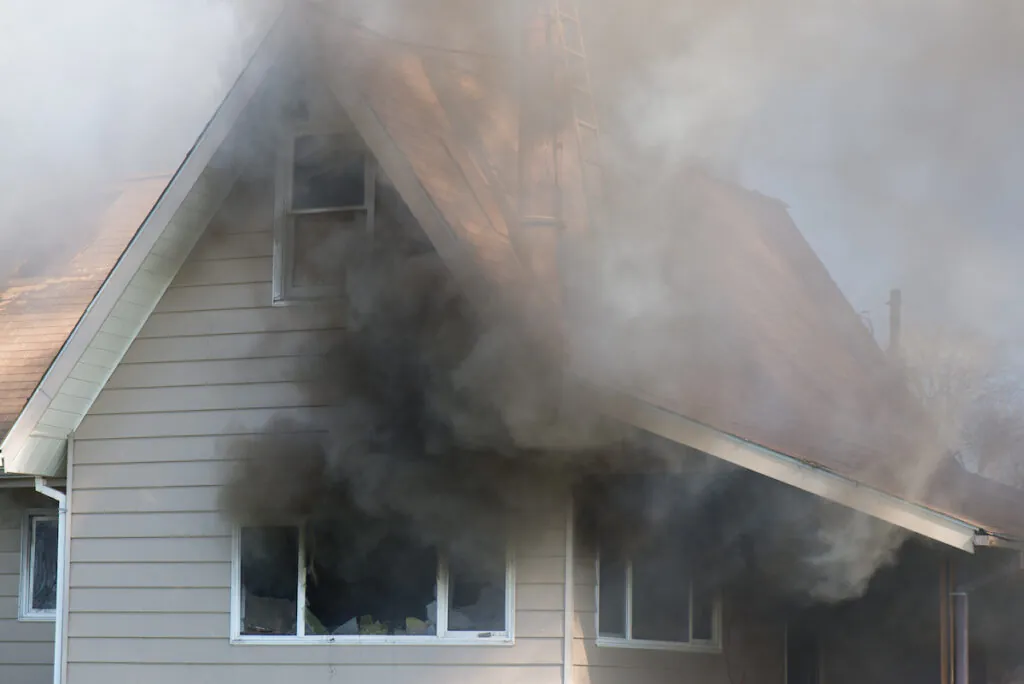
Even after a fire is extinguished, smoke, soot, and odor can continue to affect your home. Fire damage restoration services address visible damage while also helping reduce lingering effects that impact indoor air quality and surfaces.
Explore Our Fire and Smoke Damage Restoration Services
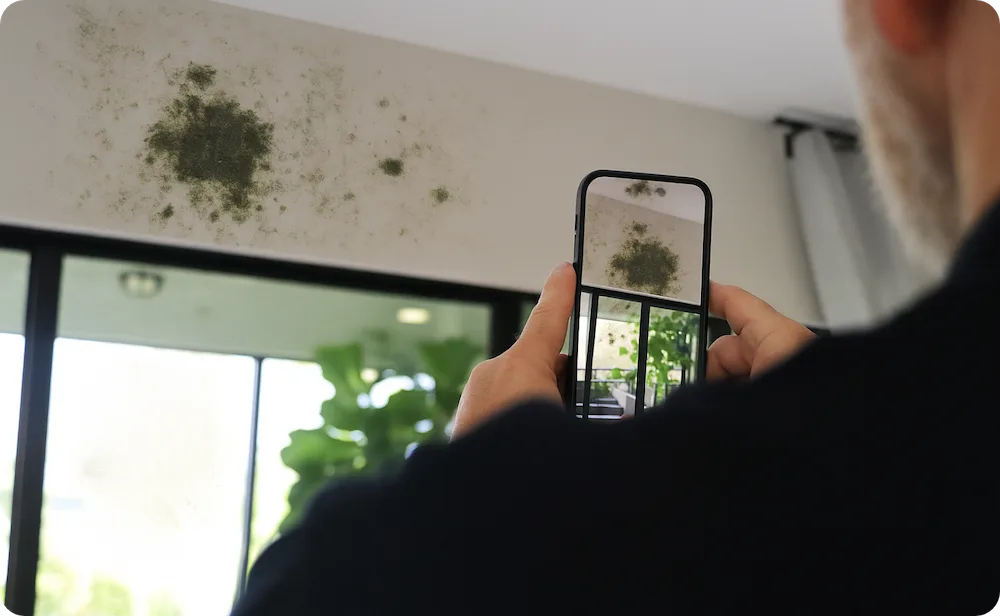
Mold often develops as a result of unresolved moisture or hidden water damage. Professional mold remediation helps identify affected areas, contain growth, and restore healthy indoor conditions.
Explore Our Mold Removal and Remediation Services
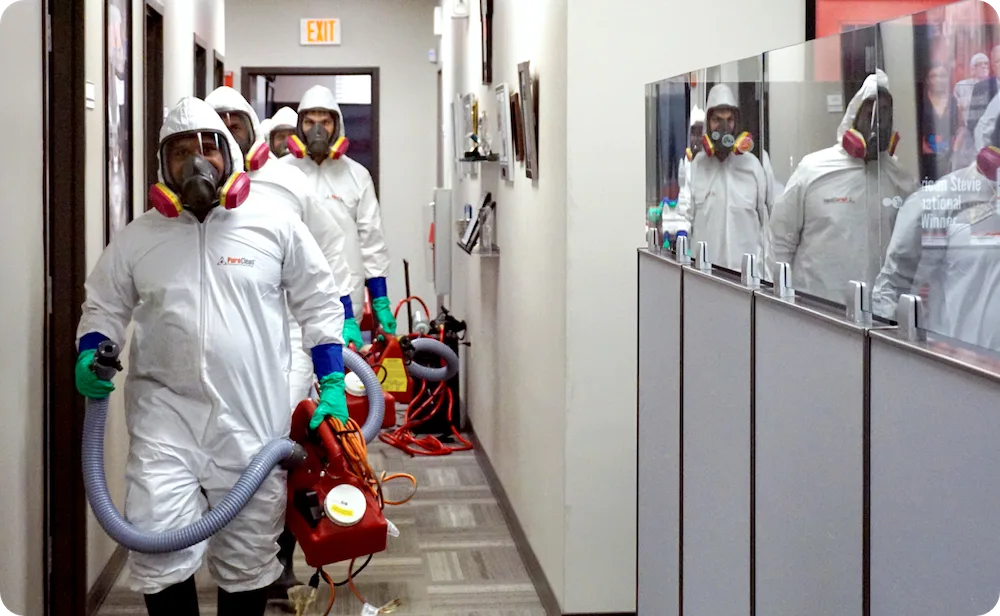
Biohazard situations, including crime scene cleanup and virus decontamination, require specialized cleaning and handling to protect health and safety. Biohazard cleanup services address contamination using proper protocols and professional care.
Explore Our Biohazard Cleanup Services
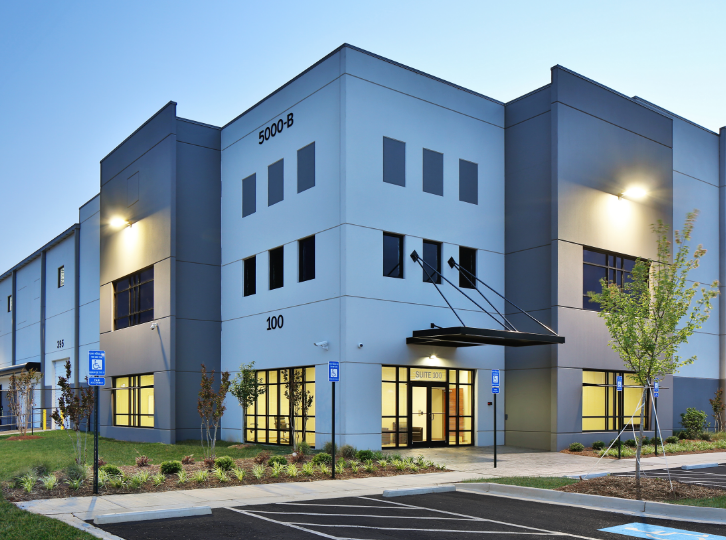
PuroClean provides 24/7 commercial property damage restoration services for businesses and facilities across the United States.
Explore Our Commercial Services
Water damage can result from unexpected leaks, flooding from storms, plumbing failures, or appliance malfunctions. Our certified teams focus on rapid water removal, drying, and stabilization to help prevent further damage and mold growth.
Explore Our Water Damage Mitigation Services
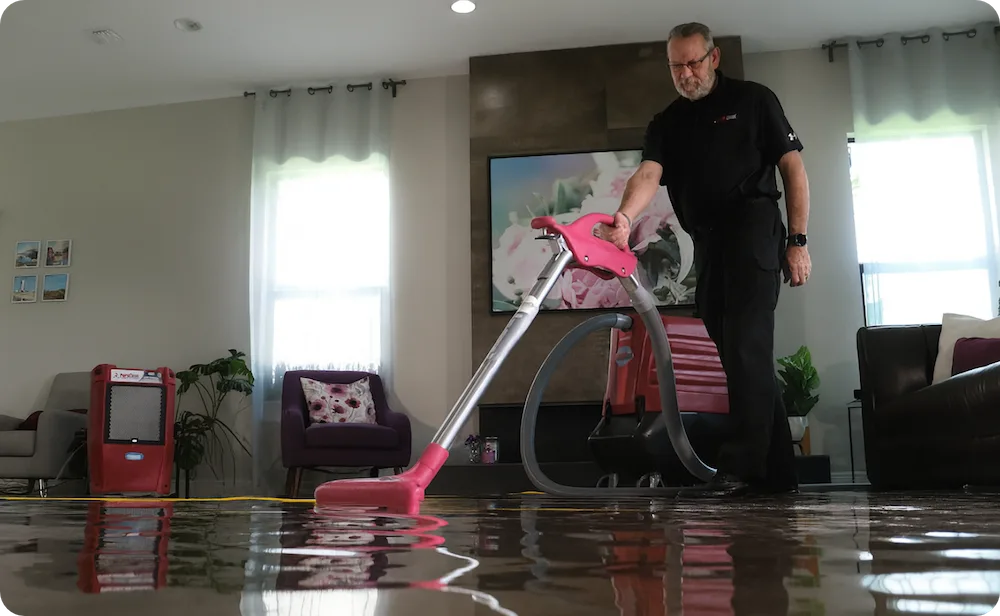
Local answers for East Douglas homeowners and business owners
Most East Douglas calls get a technician on site within roughly 1 to 4 hours of your call, day or night. Our Auburn base sits about 20 minutes away via I-395 and Route 16, and that road stays open even during storms when smaller side streets around the village fill with downed limbs. For homes right along the river bend near North Street or Cook Street, we bring equipment in through Cook Street directly, which puts the truck closer to basement bulkheads than parking on Main Street would. Speed matters most in the first few hours, since standing water and saturated flooring start the clock on mold growth right away.
It depends on the cause and your policy. A standard HO-3 policy typically excludes gradual seepage through a foundation but may cover sudden, accidental water discharge, such as a failed sump pump, unless you’ve added a water backup or sump endorsement. Groundwater flooding from the Mumford itself usually falls under NFIP flood coverage, not a homeowner’s policy. We document the water source, classify the loss under IICRC S500 (Category 1, 2, or 3), and provide a scope your adjuster can work from directly, so you know early which portion is a covered claim and which is out of pocket.
Sewage intrusion from a saturated septic system is treated as a Category 3, grossly contaminated loss under IICRC S500 standards, and it gets handled that way from the first minute on site: containment barriers, personal protective equipment, and removal of any porous material the sewage touched, since those materials generally cannot be cleaned and dried safely. We coordinate with a septic contractor for the source repair while we manage extraction, disinfection, and structural drying, and we document everything for your insurer, since sewer backup often requires its own policy rider separate from standard water damage coverage.
Not automatically. We start with moisture meters and thermal imaging to map exactly how far water traveled behind walls and under flooring before we touch anything. Materials that can be dried in place, plaster, trim, hardwood, generally stay in place, with air movers and dehumidifiers doing the work over several days of monitored drying. We only remove material that’s saturated beyond recovery, like wet insulation or delaminated subfloor, and we walk you through that decision before demolition starts. For a home with original 1800s woodwork, that distinction is often the difference between a repair and a full room rebuild.
Yes. Tree-fall and wind damage from storms rolling through the forest edge is one of the more common calls we run in East Douglas. We photograph and measure the damage, build an Xactimate-compatible estimate, and communicate directly with your adjuster on scope and pricing, whether the claim settles on an RCV or ACV basis. If the tree caused a sudden roof breach, we prioritize emergency tarping and water extraction first to stop secondary damage, then move into the formal claim documentation once the property is stabilized.
What Our Customers Say:
When you need water damage restoration services near you, call the experts at PuroClean. We are here day or night, 24/7, to help remove any standing water quickly and begin your water restoration service. We monitor the drying process so you can rest assured that your property is dried thoroughly. We offer commercial water restoration services for businesses and residential water damage restoration for homeowners.
Contact Us for 24/7 Emergency Response
(774) 321-3232
Contact Us
PuroClean Certified Restoration Specialists
(774) 321-3232
482 Southbridge Street, Suite 331, Auburn, MA 01501


© 2026 PuroClean. All Rights Reserved.