PuroClean Certified Restoration Specialists — 482 Southbridge St, Auburn, MA 01501
Webster takes its name and its shape from two very different sources: the water and the industrialist who put it to work. The town sits on the largest natural lake in Massachusetts, known to the Nipmuc as Chaubunagungamaug, or by its famous 45-letter expanded form, Chargoggagoggmanchauggagoggchaubunagungamaugg, a name that translates roughly to “fishing place at the boundaries, neutral meeting grounds.” Formed by retreating glaciers and fed by underground springs, the lake is really three connected bodies of water, North Pond, Middle Pond, and South Pond, joined by narrow channels and ringed by 17 miles of shoreline. In the 1810s, Samuel Slater, remembered as the father of the American factory system, was drawn to the lake’s water power and the French River running through town, building textile mills here and naming the settlement after his friend, the statesman Daniel Webster. The dam at the lake’s north end, originally built to feed Slater’s mills, still manages water levels today, and the Samuel Slater Experience museum near Memorial Athletic Field now tells that founding story in detail.
That mix of lakefront development and old mill infrastructure defines the property risk we see in Webster. Homes ring three interconnected ponds, many built decades ago as seasonal camps and later converted to year-round living, sitting close to a lake level that still shifts with the dam and the season. Downtown, former Slater-era mill buildings carry the water and fire risk that comes with heavy timber construction and a century-plus of use, while I-395 running the length of the lake brings both convenience and storm exposure to the properties along it. Here’s what we’re called out for most:
Our Auburn crews reach Webster in about 20 minutes on a normal day, using a direct route that doesn’t require cutting through downtown Worcester. From the PuroClean office at 482 Southbridge St, we head south on I-395, which runs the entire way to Webster and puts us right alongside Webster Lake for the final stretch, giving quick access to the lakefront neighborhoods along North Pond and Middle Pond. For downtown calls near the old mill buildings and Main Street, we exit I-395 directly into the town center, reaching converted mill properties and Main Street businesses within minutes of leaving the highway.
For South Pond and the properties closer to the Connecticut border, we stay on I-395 further south before cutting over on local shoreline roads, which keeps travel time consistent even for the far end of the lake. When storm conditions close sections of I-395 or slow traffic near the lake, our secondary path runs through Route 12 South and Route 197 into Webster from the Dudley side, giving us a second way in without relying on a single stretch of highway.
Because so much of Webster sits directly on the lake, we track water levels and local road conditions during heavy rain and spring thaw, since low-lying shoreline roads can flood before the rest of town does.
Webster’s water risk starts with simple geography: a huge share of the town’s residential property sits directly against a 1,442-acre lake with 17 miles of shoreline, and that lake’s water level is managed by a dam rather than fixed by nature alone. When rainfall or snowmelt pushes the lake higher, homes close to shore see a rising water table pressing against foundations built decades ago for a lower average water line, which raises the odds of basement seepage even on days without active storm activity. The lake itself is spring-fed and was carved out by retreating glaciers, so the ground around it holds moisture close to the surface throughout the surrounding neighborhoods, not just directly on the water.
The building stock compounds that risk. Many lakefront homes started as seasonal camps and cottages built with lighter framing, minimal insulation, and foundations set close to the original shoreline, then were converted over the years into full-time residences without always upgrading the underlying construction to match year-round Massachusetts winters. Pipes running through these older, thinner-walled structures freeze and burst more easily during a hard cold snap, and older lakeside septic systems face added strain when the ground stays saturated during high-water periods. Downtown, the legacy of Samuel Slater’s original textile operation means Webster still has a concentration of heavy-timber, brick mill buildings converted to residential and commercial use, structures that hold water and smoke differently than typical wood-frame construction and often carry original wiring and plumbing runs dating back generations.
Webster’s position along I-395, with dense tree cover lining much of the lakeshore, also brings a steady run of storm and wind damage calls, since downed limbs and full tree falls during nor’easters and summer storms regularly reach roofs on both the lake side and the highway side of town. Combine the high water table, the older camp-to-year-round conversions, the mill-era commercial buildings, and the storm exposure along the highway corridor, and Webster ends up with a water damage and mold risk profile shaped as much by its lake as by its weather.
Owned & Operated by Nigel Belgrave
482 Southbridge Street, Suite 331, Auburn, MA, 01501
(774) 321-3232
 Auburn
Charlton
Cherry Valley
Douglas
Dudley
Grafton
Leicester
Millbury
North Grafton
North Oxford
Northbridge
Oxford
Rochdale
Southbridge
Spencer
Sutton
Uxbridge
Webster
Whitinsville
Worcester
Auburn
Charlton
Cherry Valley
Douglas
Dudley
Grafton
Leicester
Millbury
North Grafton
North Oxford
Northbridge
Oxford
Rochdale
Southbridge
Spencer
Sutton
Uxbridge
Webster
Whitinsville
Worcester
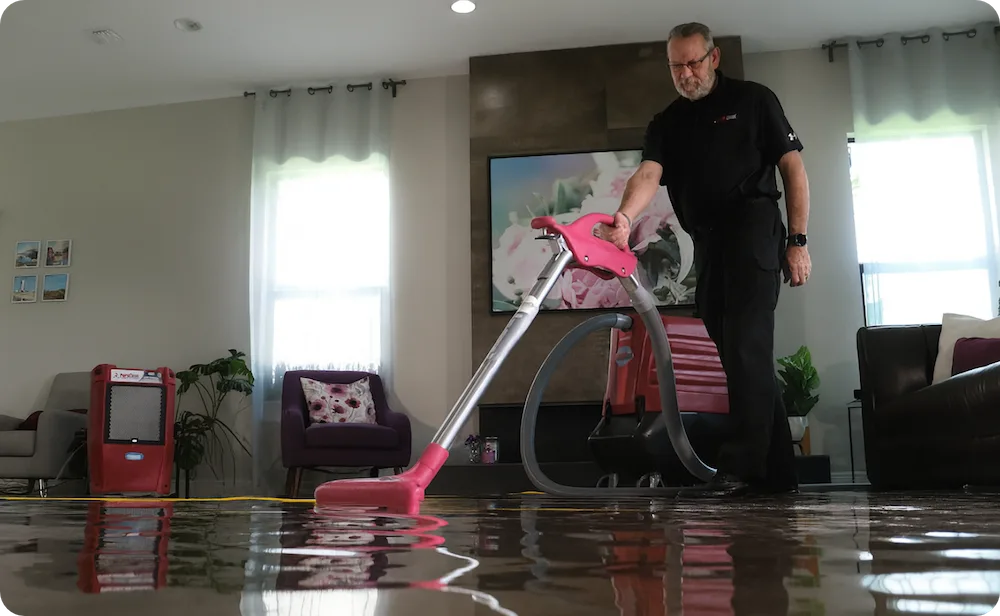
Water damage can result from unexpected leaks, flooding from storms, plumbing failures, or appliance malfunctions. Our certified teams focus on rapid water removal, drying, and stabilization to help prevent further damage and mold growth.
 Explore Our Water Damage Mitigation Services
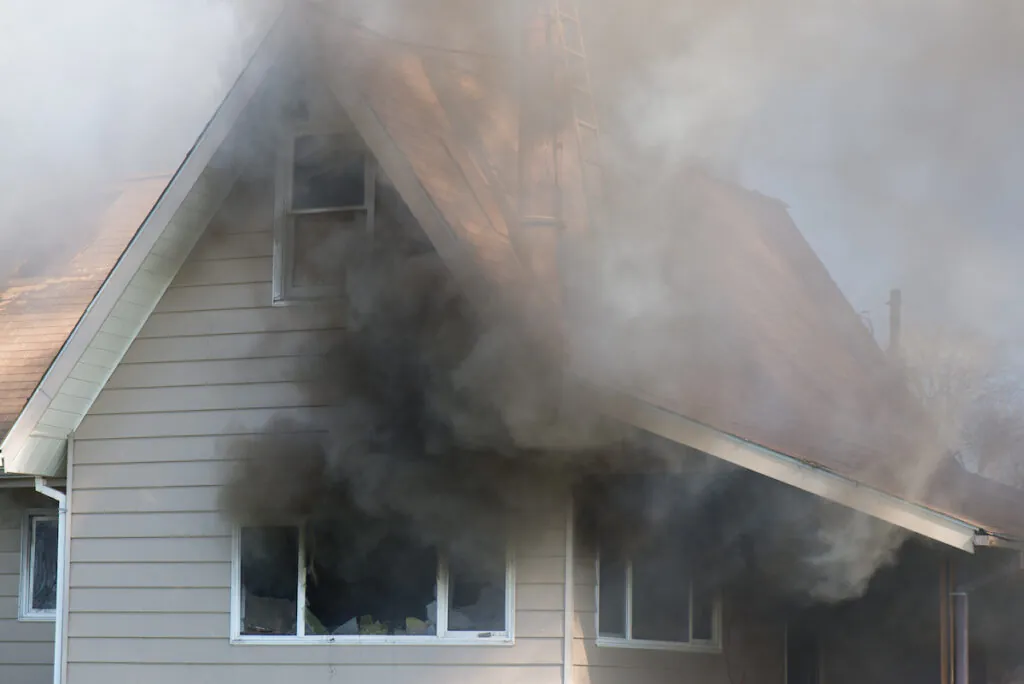
Even after a fire is extinguished, smoke, soot, and odor can continue to affect your home. Fire damage restoration services address visible damage while also helping reduce lingering effects that impact indoor air quality and surfaces.
Explore Our Fire and Smoke Damage Restoration Services
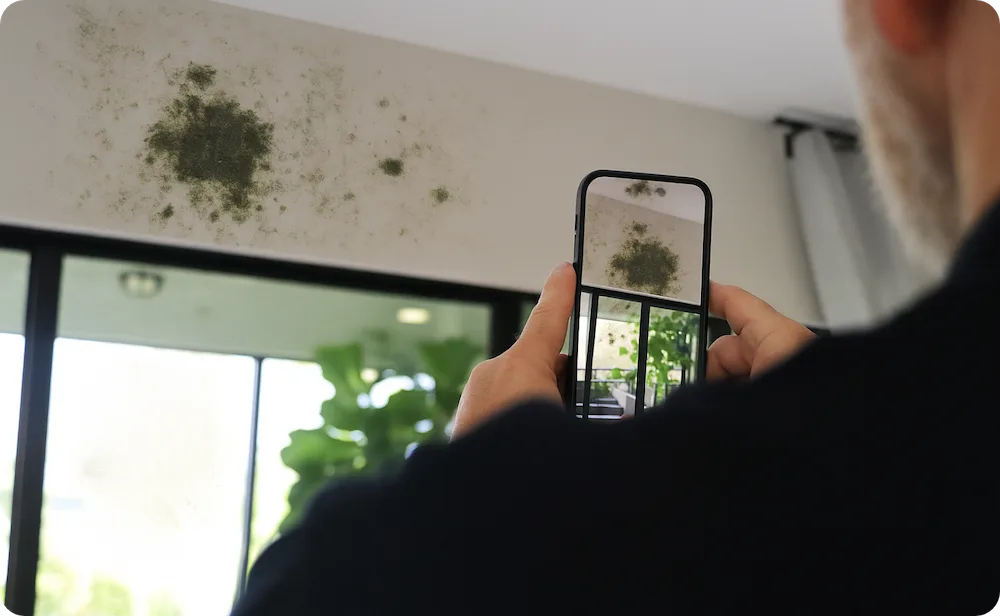
Mold often develops as a result of unresolved moisture or hidden water damage. Professional mold remediation helps identify affected areas, contain growth, and restore healthy indoor conditions.
Explore Our Mold Removal and Remediation Services
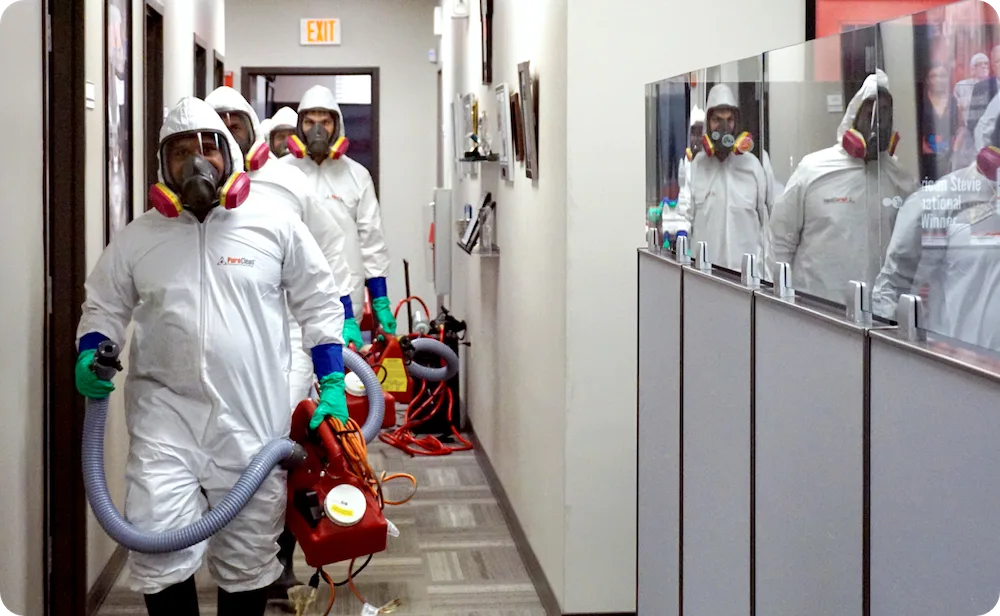
Biohazard situations, including crime scene cleanup and virus decontamination, require specialized cleaning and handling to protect health and safety. Biohazard cleanup services address contamination using proper protocols and professional care.
Explore Our Biohazard Cleanup Services
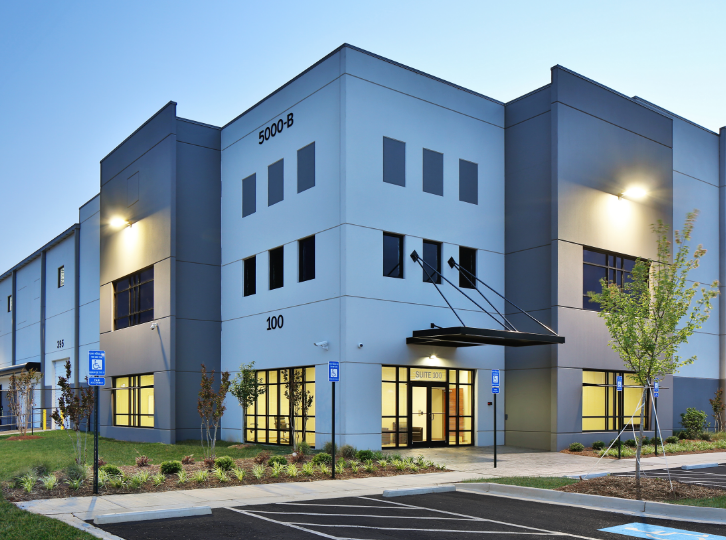
PuroClean provides 24/7 commercial property damage restoration services for businesses and facilities across the United States.
Explore Our Commercial Services
Water damage can result from unexpected leaks, flooding from storms, plumbing failures, or appliance malfunctions. Our certified teams focus on rapid water removal, drying, and stabilization to help prevent further damage and mold growth.
Explore Our Water Damage Mitigation Services
Local answers for Webster homeowners and business owners
Most Webster calls get a technician on site within roughly 1 to 4 hours. Our Auburn crews take I-395 straight south, and since I-395 runs alongside Webster Lake for much of the way into town, lakefront and downtown properties are both easy to reach directly off the highway. For a burst pipe or sump pump failure right at the shoreline, speed matters most in the first few hours, since a lakefront basement already sitting close to a high water table can take on standing water fast.
A lot of the camps and cottages ringing North Pond, Middle Pond, and South Pond were originally built for seasonal use, with foundations, plumbing, and insulation that were never meant to handle Massachusetts winters full-time. When these get converted to year-round homes, pipes run through under-insulated crawl spaces and additions freeze more easily, and older foundations built close to lake level let groundwater in during high-water periods. We assess the specific construction before recommending a drying plan, since a 1950s camp foundation needs a different approach than a modern build.
It can. The dam at the north end of Webster Lake was built to raise and manage water levels for the old Slater mill operations, and lake levels still shift with rainfall, snowmelt, and dam management. Homes close to shore can see a higher water table during sustained high-water periods, which raises the odds of basement seepage even without a storm event. We document whether a loss traces back to lake-level groundwater, storm runoff, or an interior plumbing failure, since insurers treat each differently, and a rising-lake-level loss often falls outside a standard homeowner’s policy.
Webster’s downtown carries the legacy of Samuel Slater’s original textile operations, and several old mill buildings have been converted into apartments, offices, and retail space over the years. These structures typically have heavy timber framing, brick exteriors, and large open floor plates that hold water and smoke differently than a standard home. We start with moisture mapping and thermal imaging to understand how far damage traveled through the structure, then build an Xactimate-compatible scope so your claim reflects the building’s actual construction rather than a generic estimate.
Shoreline properties around Webster Lake that rely on septic systems rather than municipal sewer see backup risk climb whenever the ground stays saturated for an extended stretch, since a high water table leaves less room for a septic field to drain properly. We treat any sewage intrusion as a Category 3, grossly contaminated loss under IICRC S500 standards, with containment barriers and removal of any porous material the sewage reached. We coordinate with a septic contractor for the source repair while handling extraction, disinfection, and drying, and document the loss for your insurer.
What Our Customers Say:
When you need water damage restoration services near you, call the experts at PuroClean. We are here day or night, 24/7, to help remove any standing water quickly and begin your water restoration service. We monitor the drying process so you can rest assured that your property is dried thoroughly. We offer commercial water restoration services for businesses and residential water damage restoration for homeowners.
Contact Us for 24/7 Emergency Response
(774) 321-3232
Contact Us
PuroClean Certified Restoration Specialists
(774) 321-3232
482 Southbridge Street, Suite 331, Auburn, MA 01501


© 2026 PuroClean. All Rights Reserved.