PuroClean Certified Restoration Specialists — 482 Southbridge St, Auburn, MA 01501
Worcester’s relationship with water runs literally beneath the city. Mill Brook, which once ran openly through downtown, fed the Blackstone Canal after its 1828 opening, a waterway that carried barges from a turning basin at Thomas Street, past what’s now Union Station, and down Harding Street to the swampy area near today’s Crompton Park, an area once known as “The Island.” That stretch is now the Canal District, a neighborhood built directly over its own namesake waterway. Much of Mill Brook itself is culverted underground today, resurfacing only briefly south of McKeon Road, and it still feeds into the Blackstone River along with Kettle Brook and Tatnuck Brook, which meet at Webster Square before continuing on. Worcester’s famous triple-decker housing, its defining architectural export to the rest of New England, rose up across neighborhoods like Main South, Vernon Hill, Bell Hill, and Grafton Hill during the same industrial boom that built the canal and, later, the rail lines that replaced it.
That history of water running through and under the city hasn’t gone away; it’s built into Worcester’s infrastructure. Large sections of downtown still run on a combined sewer system, some pipes dating to the 1800s, that carries stormwater and sewage together and can overflow into the Blackstone River during intense rain. The August 1955 flood from Hurricane Diane remains the worst in the region’s recorded history, submerging Webster Square under as much as 12 feet of water and leading to the construction of the Worcester Flood Diversion Channel to route floodwater around the most exposed stretch of the city. Here’s what we’re called out for most:
Worcester sits right next to Auburn, and our crews reach most neighborhoods in 10 to 20 minutes. From the PuroClean office at 482 Southbridge St, we head north on Route 12, which becomes Southbridge Street and then Main Street as it enters the city, giving direct access to Green Island, the Canal District, and downtown within about 10 minutes. For calls further into the city center or toward Kelley Square and Union Station, we stay on Main Street through downtown or pick up I-290 for a faster run around the densest blocks.
For Main South, College Hill, and the Clark University area, we branch off onto Cambridge Street or Main Street directly from downtown. Shrewsbury Street and the restaurant corridor near Kelley Square are reached via Grafton Street, while calls in Burncoat, Greendale, or the northern neighborhoods run up Route 12 further before cutting over on Burncoat Street or West Boylston Street. For Webster Square, Tatnuck, and the western side of the city, we use I-290 to Route 9, which keeps travel time consistent even during downtown traffic.
Because Worcester’s combined sewer system can surcharge during heavy rain, our dispatchers watch citywide overflow notifications during storms, since a street that’s normally a quick route can back up or flood at the same time a basement across town is taking on water.
Worcester’s water risk is shaped by infrastructure choices made well over a century ago that the city still lives with today. Mill Brook, the Blackstone Canal’s original water source, was buried and culverted as the city grew over it, and large stretches of downtown still run on combined sewer pipes, some brick-lined and dating to the mid-to-late 1800s, that carry stormwater and sewage in the same line. When intense rainfall exceeds the system’s capacity, roughly 20 times a year citywide according to the city’s own reporting, the overflow can back up into low-lying basements before it ever reaches the Blackstone River. FEMA’s ongoing re-study of the Blackstone River Watershed, covering nearly the entire city, reflects just how much of Worcester’s flood exposure is still being reassessed today.
The city’s building stock adds its own risk. Worcester’s triple-deckers, built by the thousands during the industrial boom of the late 1800s and early 1900s, pack three living units into a single wood-frame structure, which means a roof leak or a burst pipe on an upper floor routinely travels down through two more units before anyone catches it. Many of these buildings carry original wiring and plumbing that has been patched and extended over generations rather than fully modernized, and dense, tightly spaced construction throughout neighborhoods like Main South, Bell Hill, and Vernon Hill means fire and smoke damage in one building can threaten the properties next to it.
Low-lying areas add a third layer of risk. Webster Square, at the confluence of Kettle Brook and the Middle River, saw the worst flooding in the region’s recorded history during the 1955 Hurricane Diane flood, and while the Worcester Flood Diversion Channel has reduced that specific risk substantially, the area’s underlying topography hasn’t changed. Combine a city built over its own culverted waterways, a combined sewer system that still surcharges during heavy storms, and a dense wood-frame housing stock more than a century old, and Worcester ends up with a water damage and mold risk profile that touches nearly every neighborhood, not just the ones closest to the river.
Owned & Operated by Nigel Belgrave
482 Southbridge Street, Suite 331, Auburn, MA, 01501
(774) 321-3232
 Auburn
Charlton
Cherry Valley
Douglas
Dudley
Grafton
Leicester
Millbury
North Grafton
North Oxford
Northbridge
Oxford
Rochdale
Southbridge
Spencer
Sutton
Uxbridge
Webster
Whitinsville
Worcester
Auburn
Charlton
Cherry Valley
Douglas
Dudley
Grafton
Leicester
Millbury
North Grafton
North Oxford
Northbridge
Oxford
Rochdale
Southbridge
Spencer
Sutton
Uxbridge
Webster
Whitinsville
Worcester
Water damage can result from unexpected leaks, flooding from storms, plumbing failures, or appliance malfunctions. Our certified teams focus on rapid water removal, drying, and stabilization to help prevent further damage and mold growth.
 Explore Our Water Damage Mitigation Services
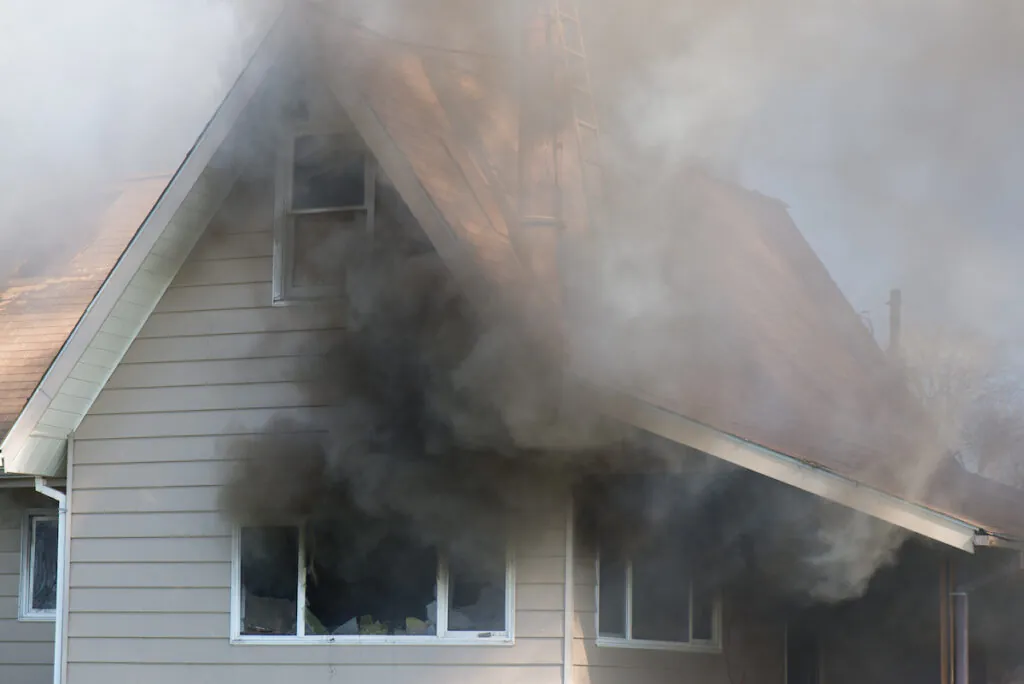
Even after a fire is extinguished, smoke, soot, and odor can continue to affect your home. Fire damage restoration services address visible damage while also helping reduce lingering effects that impact indoor air quality and surfaces.
Explore Our Fire and Smoke Damage Restoration Services
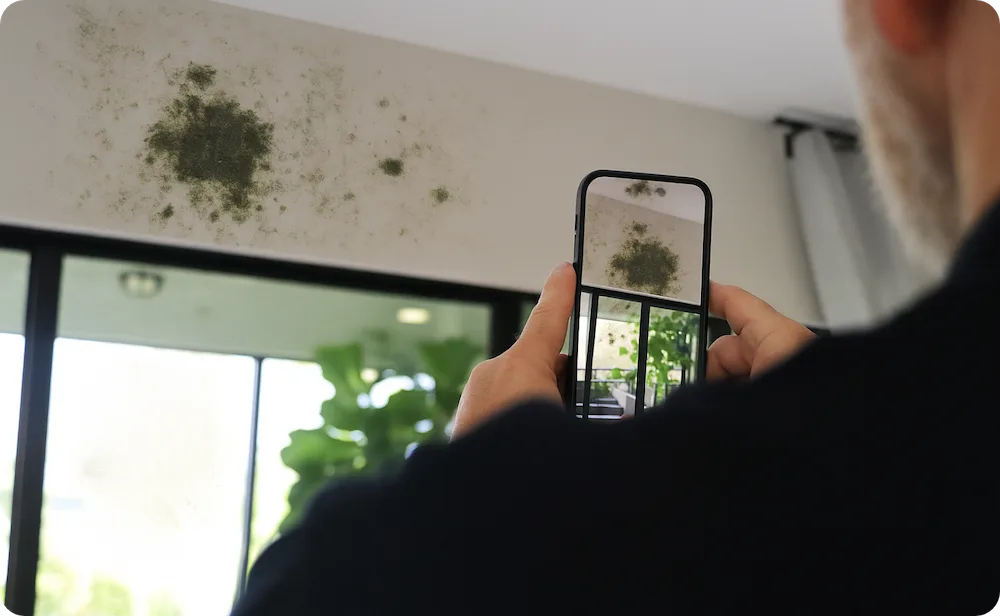
Mold often develops as a result of unresolved moisture or hidden water damage. Professional mold remediation helps identify affected areas, contain growth, and restore healthy indoor conditions.
Explore Our Mold Removal and Remediation Services
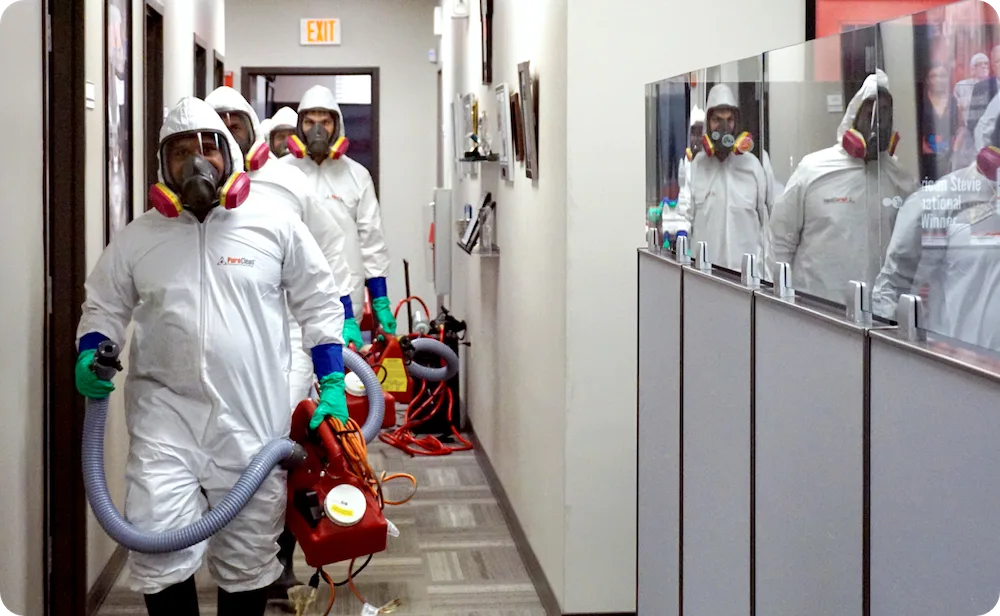
Biohazard situations, including crime scene cleanup and virus decontamination, require specialized cleaning and handling to protect health and safety. Biohazard cleanup services address contamination using proper protocols and professional care.
Explore Our Biohazard Cleanup Services
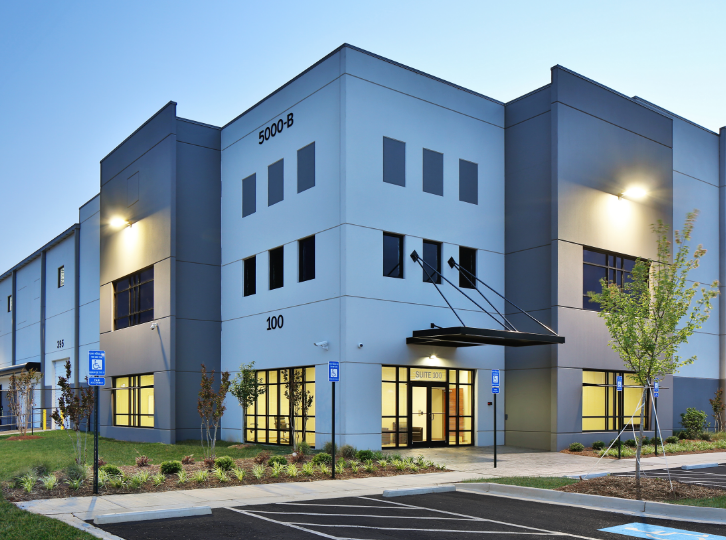
PuroClean provides 24/7 commercial property damage restoration services for businesses and facilities across the United States.
Explore Our Commercial Services
Water damage can result from unexpected leaks, flooding from storms, plumbing failures, or appliance malfunctions. Our certified teams focus on rapid water removal, drying, and stabilization to help prevent further damage and mold growth.
Explore Our Water Damage Mitigation Services
Local answers for Worcester homeowners and business owners
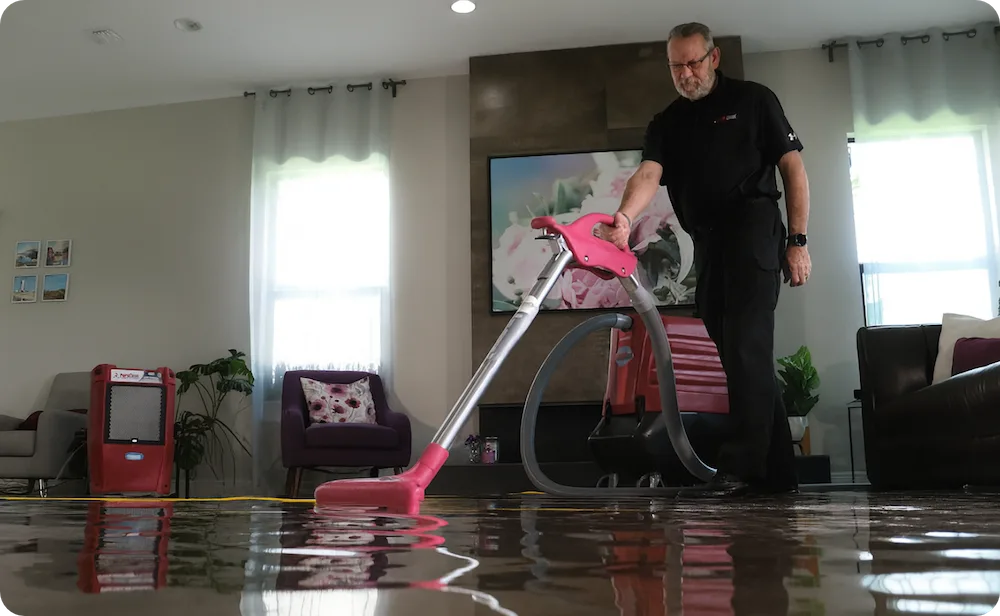
Most Worcester calls get a technician on site within roughly 1 to 4 hours, and downtown and Canal District properties are often on the faster end of that window since our Auburn office sits just a few minutes down Route 12. Dense city blocks around Kelley Square and Union Station can complicate parking and equipment staging, so our crews plan access in advance for tighter commercial addresses, and we prioritize active water intrusion first to limit how far damage spreads before extraction begins.
Triple-deckers are Worcester’s signature housing type, and a leak on the third floor often means damage moving straight down through two more units before anyone notices. We assess the whole building, not just the unit where the problem started, using moisture meters and thermal imaging to trace how far water traveled floor to floor. For owner-occupied or rental triple-deckers, we coordinate with each affected tenant’s renters insurance and the owner’s landlord policy separately, since they typically cover different things, and document the loss so each claim reflects the right scope.
It’s a common cause. Parts of Worcester still run on a combined sewer system, some pipes dating to the mid-to-late 1800s, that carries both stormwater and sewage in the same line. During intense rain, the system can exceed its capacity, leading to combined sewer overflow events and backup into low-lying basements. We treat any sewage intrusion as a Category 3, grossly contaminated loss under IICRC S500 standards, with containment, personal protective equipment, and removal of any porous material the sewage reached, and we document the source for your insurer.
Webster Square saw water depths up to 12 feet during the August 1955 flood from Hurricane Diane, the most severe flood event in the region’s recorded history, and the area still sits at a low point along Kettle Brook and the Middle River. The city built the Worcester Flood Diversion Channel afterward specifically to route floodwater around this stretch, which has reduced the risk significantly, but low-lying property here still warrants attention to sump pump condition and a look at whether NFIP flood coverage makes sense alongside your standard homeowner’s policy, especially with FEMA’s updated flood maps for the Blackstone River Watershed expected to take effect in 2028.
Yes. Property managers and landlords with units spread across neighborhoods like Green Island, Grafton Hill, and Burncoat often deal with several unrelated losses in the same stretch of bad weather, and we can run parallel jobs with a single point of contact managing documentation across all of them. Each property gets its own Xactimate-compatible scope and its own communication with the relevant insurer or adjuster, but you get one consistent contact instead of coordinating separately with a different vendor at every address.
What Our Customers Say:
When you need water damage restoration services near you, call the experts at PuroClean. We are here day or night, 24/7, to help remove any standing water quickly and begin your water restoration service. We monitor the drying process so you can rest assured that your property is dried thoroughly. We offer commercial water restoration services for businesses and residential water damage restoration for homeowners.
Contact Us for 24/7 Emergency Response
(774) 321-3232
Contact Us
PuroClean Certified Restoration Specialists
(774) 321-3232
482 Southbridge Street, Suite 331, Auburn, MA 01501


© 2026 PuroClean. All Rights Reserved.